What Is Commercial Printing Infrastructure?
If you're buying notebooks in bulk, you've probably heard the term 'commercial printing infrastructure' thrown around. But what does it actually mean? Let me be direct – most buyers don't need to know every technical detail. But understanding the basics will save you from bad deals, late deliveries, and notebooks that fall apart. That's why Commercial Printing Infrastructure Explained for Buyers is exactly what you need – a no-nonsense look at the machines, processes, and quality checks that matter. If you're looking for a manufacturer with solid infrastructure, check out Sri Rama Notebooks.
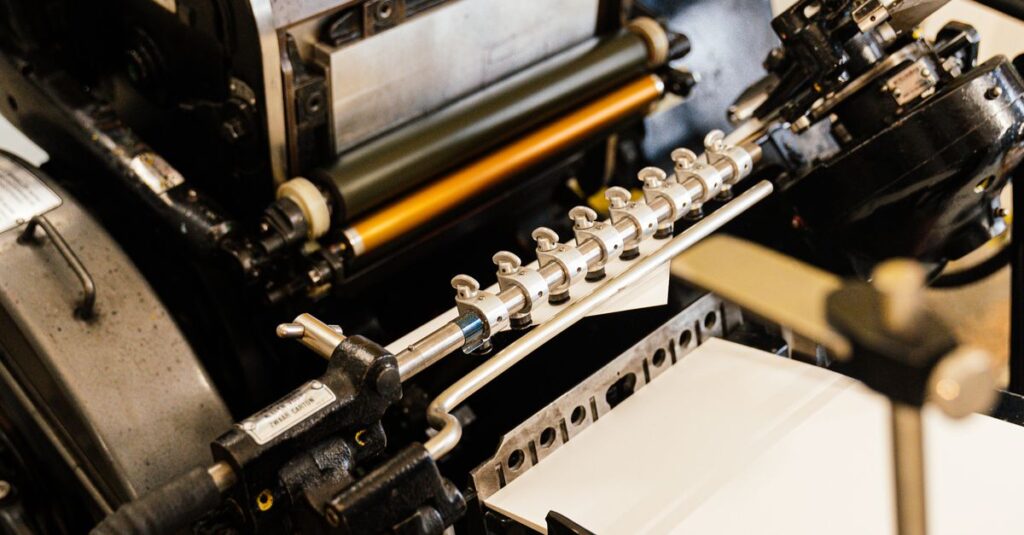
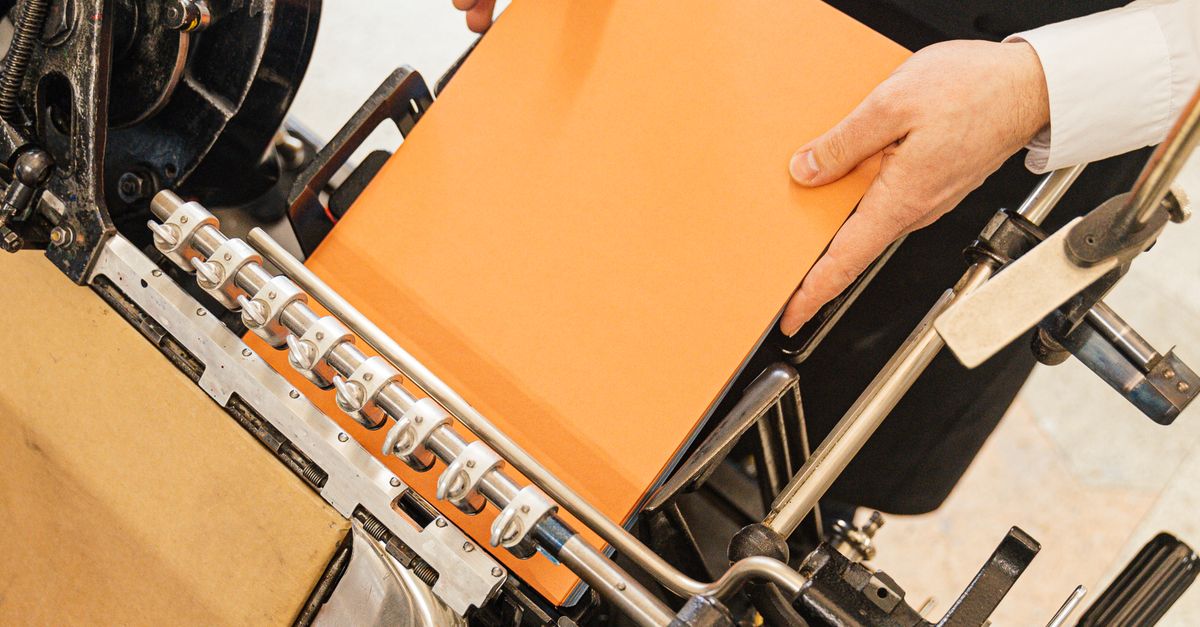
Commercial printing infrastructure covers everything from the moment paper rolls enter the factory to the point finished notebooks leave in boxes. It includes prepress systems (plate making, proofing), the printing presses themselves, and postpress equipment like folding machines, stitching units, and perfect binders. I've seen factories that invest millions in fancy presses but skimp on binding – and guess what? The notebooks fall apart. The infrastructure has to be balanced.
Key Equipment You Should Know About
- Offset printing presses – the workhorse for bulk orders
- Paper cutting and folding machines – for precise sizing
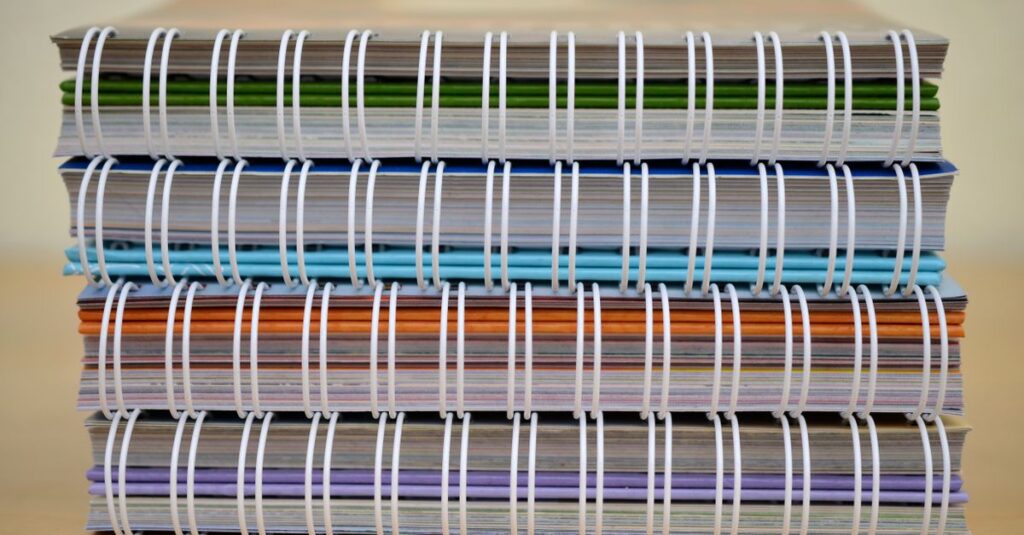
- Binding lines – stitched, spiral, or perfect binding
- Quality control stations – where density, alignment, and paper grain are checked
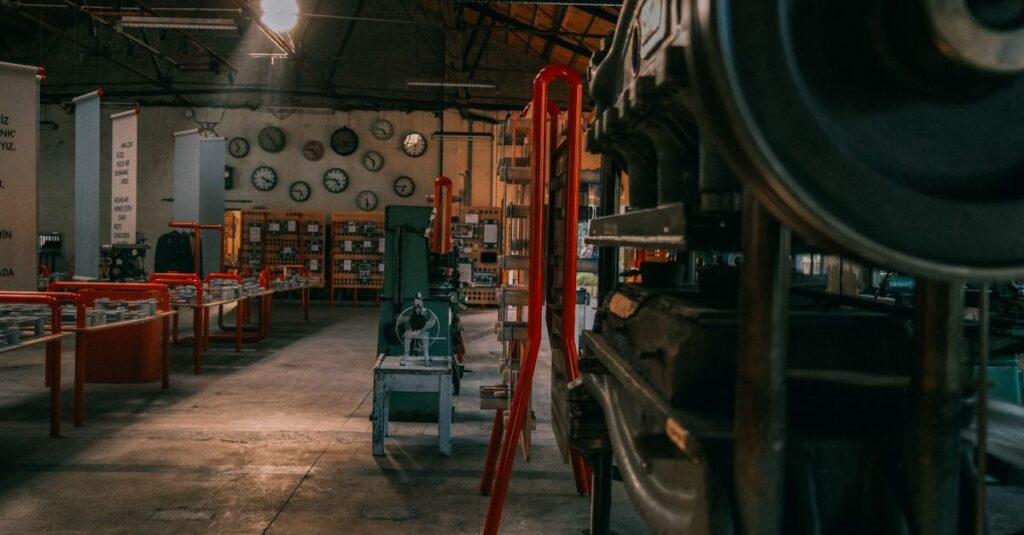
I remember visiting a small unit in Rajahmundry a few years back. They had an old Heidelberg press from the 70s – noisy, oil-stained, but running like a tank. The owner told me he'd rather repair that machine than buy a new Chinese press. That stuck with me. Infrastructure isn't about shiny new equipment; it's about reliability and consistency. The question is – does your printer have the right mix of capabilities for your order?
Why Infrastructure Consistency Matters for Bulk Orders
Let me tell you about Ramesh. He's 42, a procurement manager in Hyderabad, and last year he ordered 50,000 notebooks for a chain of schools. He went with the cheapest printer he could find. The first batch arrived with paper that felt different from front to back – some pages were rough, others smooth. Colors were off on the covers. It was a nightmare.
Ramesh learned the hard way: when a printer lacks in-house infrastructure and subcontracts parts of the job, consistency goes out the window. With commercial printing infrastructure, you get control over every variable – paper grade, ink quality, trimming accuracy. Without it, you're gambling.
Look, I'll say it straight – most bulk buyers don't think about infrastructure until something goes wrong. Then suddenly it's all they care about. Don't wait for a crisis. Ask your supplier about their printing infrastructure. If they hem and haw, that's a red flag.
Offset vs Digital: A Simple Comparison for Notebook Buyers
Two main technologies power commercial printing: offset and digital. For notebooks, offset is the industry standard for large runs. But digital has its place. Here's a quick comparison to help you decide.
| Aspect | Offset Printing | Digital Printing |
|---|---|---|
| Print Quality | High, crisp, uniform across run | Good, but can vary with speed |
| Cost per Unit (Bulk) | Lower for 1,000+ units | Higher per unit, no setup cost |
| Setup Time | Requires plate making (hours) | Minimal, ready in minutes |
| Durability | Ink bonds deeply into paper | Toner sits on surface, less durable |
| Color Accuracy | Excellent with Pantone matching | Good, but limited to CMYK range |
For bulk notebook orders (say, 5,000 or more), offset is almost always the better choice. The per-unit cost drops, the quality is more consistent, and the notebooks last longer. If you need a small batch of custom covers or a quick proof, digital works fine. But don't let a printer push digital for a large run – they're cutting corners.
Key Infrastructure Components You Should Understand
Paper Handling
A good printer stores paper in climate-controlled areas. Moisture ruins paper. If you visit a factory and see paper lying around open to humidity, walk away. I've seen it happen – paper warps, jams machines, and you get notebooks that are bent.
Prepress
This is where design files become plates. A solid prepress department means they check colour separations, trapping, and imposition. If they skip this step, you'll pay for it in waste. When you're ordering 30,000 notebooks, even 1% waste adds up.
Printing Presses
Offset presses come in different sizes – sheet-fed or web-fed. For notebooks, sheet-fed is common. The number of colour units matters (4-colour vs single colour). Ask your printer: how many printing units? What make? Older machines can still produce good work if maintained well. New doesn't automatically mean better.
Binding
This is where many printers fail. Stitching must be tight, glue must be heat-resistant. I always ask to see the binding line running – if it's slow, they can't handle big orders. A printer with modern perfect binding equipment can do 15,000 notebooks a day. That's the kind of infrastructure you want.
Finishing
Trimming, foil stamping, embossing – these need precision machinery. If your order includes custom logos, check if the printer has in-house foil stamping. Outsourcing breaks consistency. If you're considering bulk orders, our printing services page details our in-house capabilities.
How to Evaluate a Printer's Infrastructure Before You Order
I've walked into factories that looked impressive from the outside – marble floors, air‑conditioned rooms. But the real test is the shop floor. Here are a few things I look for:
- Ask for a factory tour. If they hesitate, that's a bad sign.
- Check the binding section. Are the machines running? Is there a person checking every notebook?
- Look at waste bins. If you see lots of mis-printed sheets, they might have quality control issues.
- Request a sample run of 100 notebooks. Measure paper grammage, check cover stiffness, test the binding by opening it a few times.
Nine times out of ten, the printer that shows you a messy, busy factory with people working hard is better than the one with a pristine showroom. Don't be fooled by shiny floors. Ask questions. Push them on quality control processes. A reliable manufacturer will answer without getting defensive. If they don't, maybe it's time to look elsewhere.
Frequently Asked Questions
What is commercial printing infrastructure?
It refers to the equipment and systems used to produce printed materials at scale – presses, binding machines, paper handling, prepress. For notebooks, a strong infrastructure means consistent quality across large runs, faster turnaround, and better customization options.
What equipment is used in notebook printing?
Common equipment includes offset printing presses, paper cutters, folding machines, stitching machines, perfect binders, foil stamping units, and packaging lines. In-house binding equipment ensures durability and consistency for bulk orders.
How does offset printing differ from digital for notebooks?
Offset uses plates and wet ink, giving high quality and lower cost for large runs. Digital uses toner, ideal for short runs or quick proofs. For bulk notebooks (5,000+), offset is preferred for better durability and per-unit pricing.
What should I look for when choosing a notebook printer?
Check their in-house capabilities – do they have offset presses, binding lines, finishing equipment? Ask for factory tour, request samples, verify paper quality, and confirm they run all processes in-house. Avoid printers who subcontract critical steps.
Can a small printer handle bulk orders?
It depends on their infrastructure. A small printer with modern equipment can handle orders of 10,000–20,000 notebooks if well-equipped. For larger volumes (30,000+), look for a manufacturer with multiple presses and automated binding lines to ensure timely delivery.
So here's what I'd say after all this – commercial printing infrastructure isn't a buzzword. It's the difference between notebooks that last a school year and notebooks that fall apart by December. Two takeaways: (1) Understand the basics so you can ask the right questions, and (2) Don't be afraid to visit the factory and see it for yourself. I don't think there's one perfect answer for every buyer. But if you've read this far, you probably already know what matters. If you're ready to work with a manufacturer that takes infrastructure seriously, get in touch with Sri Rama Notebooks.