So You're Staring at Two Printing Options — What's the Actual Difference?
Let me guess. You've got an order for 10,000 notebooks with your school logo — or maybe a corporate diary run for 500 pieces — and someone threw the words "offset" and "digital" at you like you should already know. I've been there. Standing in a print shop, nodding, while my brain is just screaming: what does that even mean?
Here's the thing — What Is the Difference Between Offset & Digital Printing? It's not complicated once you strip away the jargon. Offset uses plates and wet ink transferred via rollers. Digital prints straight from a file onto paper — like a giant, industrial laser printer. One is built for massive runs, the other for speed and flexibility. And it matters because choose wrong, and you're either overpaying or getting mediocre quality.
We've been doing this since 1985 at Sri Rama Notebooks, so I can walk you through it — no BS.
Offset Printing: The Old-School Workhorse
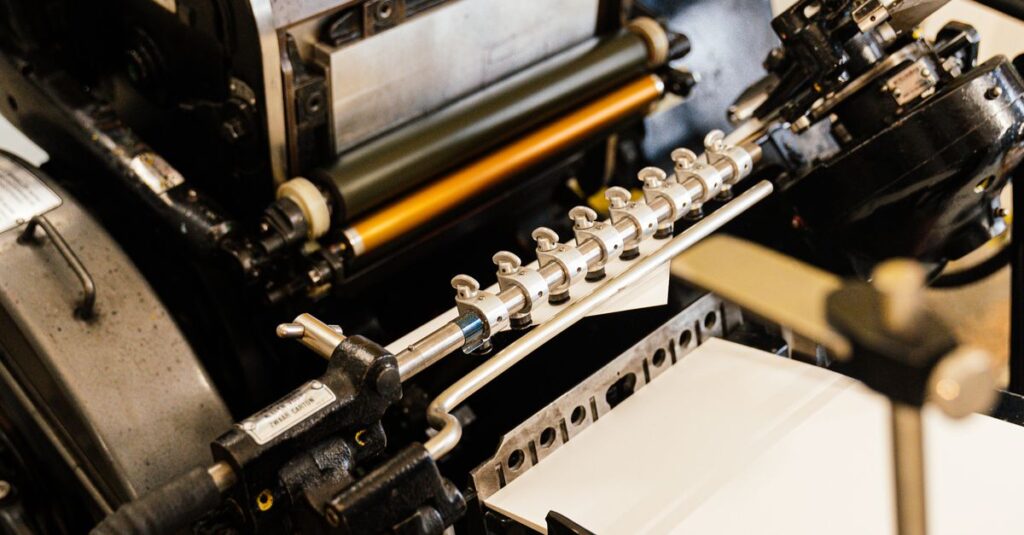
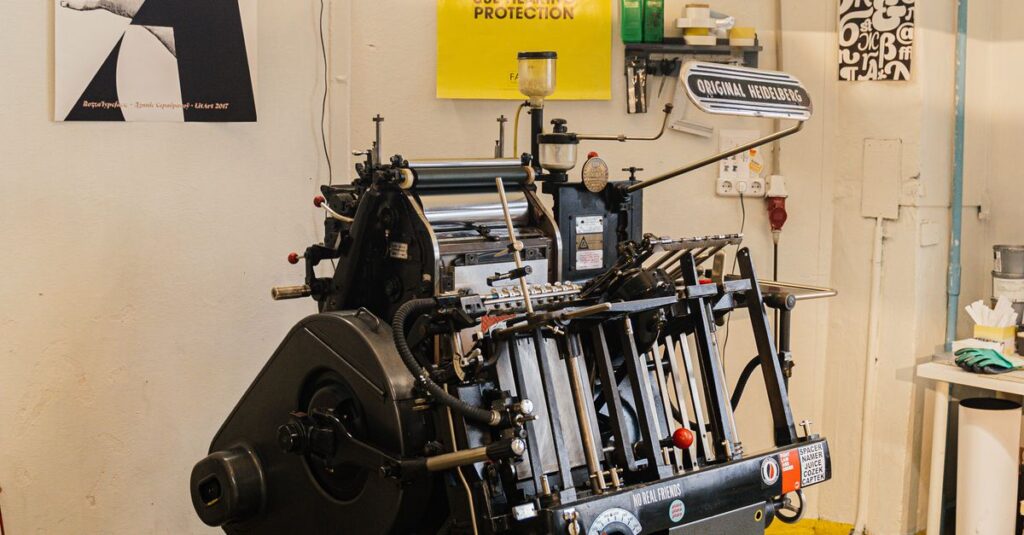
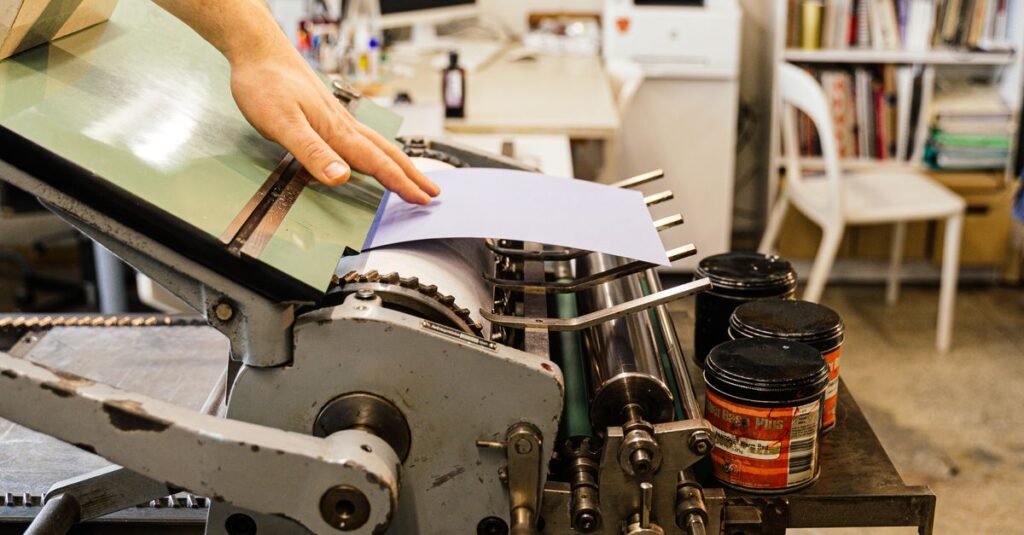
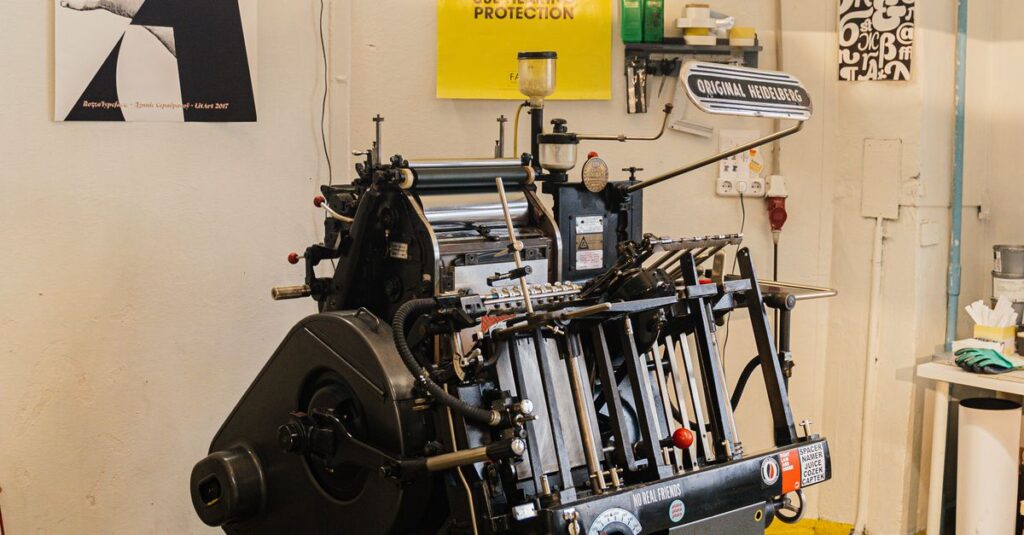
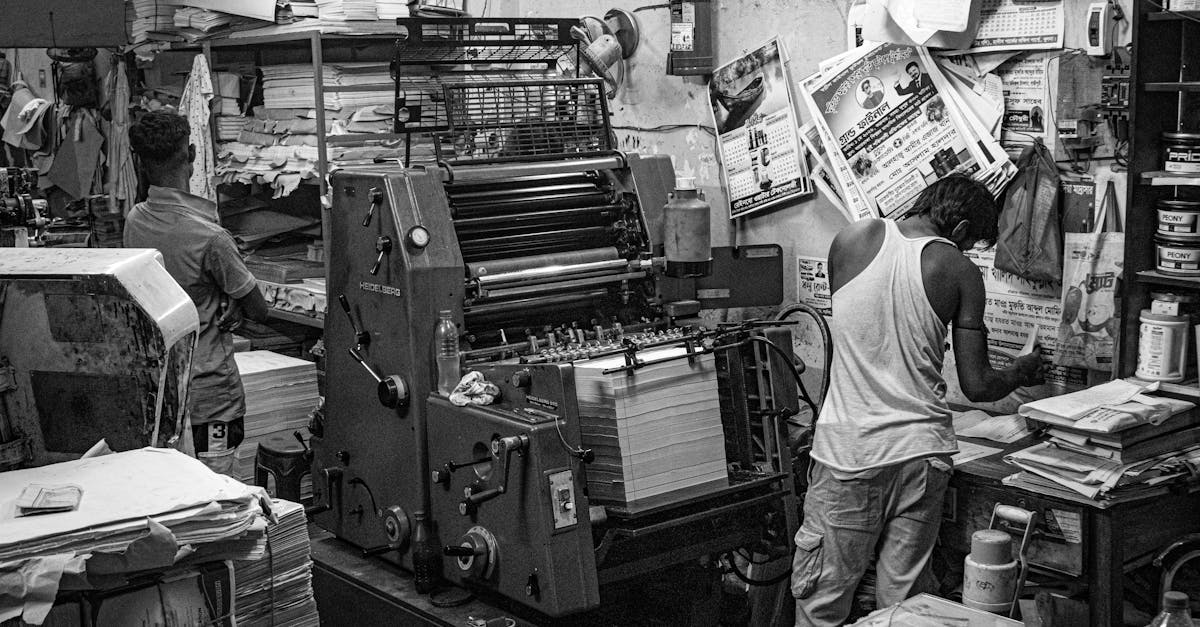
Offset printing is like a diesel engine. Heavy, loud, but unstoppable when it's running. You make metal plates for each color, mount them on cylinders, and — here's the clever part — the ink doesn't go directly onto paper. It "offsets" onto a rubber blanket first, then onto paper. That gives you sharper, more consistent color across thousands of sheets.
Here's where offset shines:
- Quantity. Anything above 1,000 units, the per-unit cost drops like a stone.
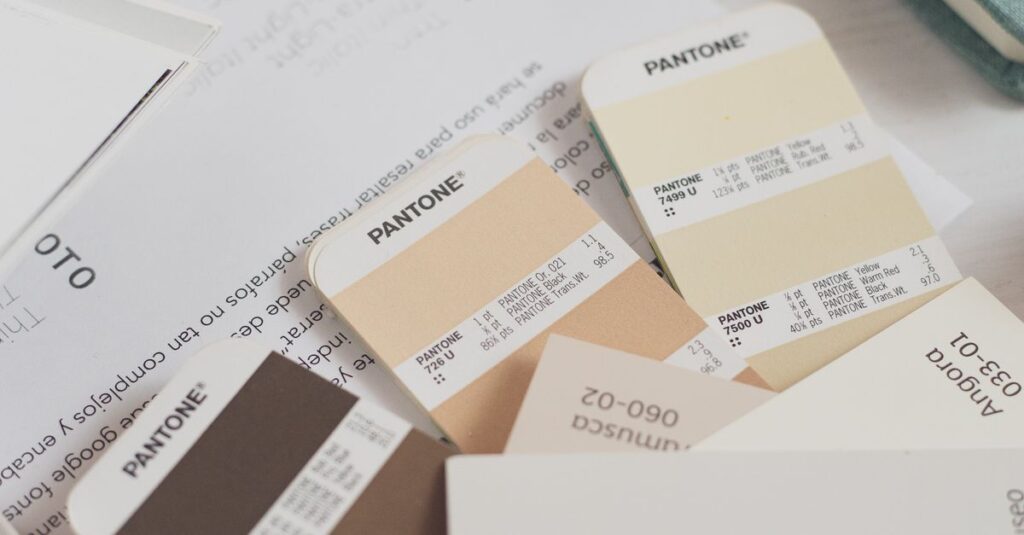
- Color matching. Pantone, spot colors, corporate blues that need to be exact — offset nails it.
- Paper versatility. Thick cardstock, textured covers, even those weird-sized notebooks schools sometimes want.
But offset has a dirty secret: setup cost. Plates, ink mixing, machine prep — that's a fixed cost you absorb whether you print 500 or 5,000. So for short runs, it's brutally expensive.
Expert Insight
I remember our first big digital press back in 2015. The sales guy was raving about cost savings. Our old pressman, Ramesh — been with us since the '90s — just shook his head. "Digital is fast," he said, "but it will never match the deep black of offset. You feel it in your fingers when you touch the page." He was right. The feel is different. But for a lot of customers, speed matters more than feel. And that's okay.
The question isn't which is technically better. It's what matters to your bottom line.
Digital Printing: The Quick-and-Smart Contender
Digital printing is what happens when a copier marries a computer and has a very capable baby. You click print, and it prints. No plates, no chemical setup, no 30-minute warm-up. For short runs — under 500 or 1,000 pieces — digital is ridiculously cost-effective.
But there's a trade-off. The color gamut is narrower. That means your bright red might look slightly orange on some papers. And if you're printing 50,000 notebooks, the cost per unit stays flat — it doesn't go down like offset.
Where digital wins:
- Variable data. Every notebook can have a different name, logo, or barcode — all in one run.
- Speed. Need 200 diaries by tomorrow morning? Digital can do it.
- No minimum. You can order 50 pieces and not feel ripped off.
I'll be honest — I used to think digital was a compromise. But then a client needed 300 notebooks, each with a different cover design for a conference. Offset would have cost four times as much. Digital saved them. That's when I stopped being a snob about it.
Offset vs Digital: Side-by-Side Comparison
Let's put them in a table so you can see the numbers clearly.
| Factor | Offset Printing | Digital Printing |
|---|---|---|
| Best for quantity | 1,000+ copies — cost per unit drops sharply | Under 500 copies — no setup cost to amortize |
| Color accuracy | Excellent — Pantone & spot colors, consistent across run | Good — CMYK only, slight variation between machines |
| Setup cost | High — plates, makeready, ink mixing | Near zero — just file prep and click print |
| Turnaround time | 3–7 days typically (setup heavy) | 24–48 hours common |
| Paper flexibility | Wide range — textured, thick, coated | Limited to what the machine feeds — mostly smooth, medium weight |
| Variable data | Not practical for individual customization | Easy — each page can be unique |
Notice one thing: there isn't a clear winner. It depends on your order size, your deadline, and how much you care about color precision. I've had procurement managers argue with me about this — and they were both right, for their own reasons.
Real People, Real Choices
Let me tell you about Priya. She's 34, works as a procurement officer for a chain of schools in Hyderabad. Last year she ordered 15,000 notebooks — all with the school crest in a custom blue. She went offset. The color matched the old notebooks exactly. Cost: ₹7 per notebook. Happy.
This year she needed 200 graduation diaries, each with the student's name printed on the cover. Digital. ₹35 each, done in two days. Happy again.
Same person. Two entirely different choices. She didn't pick a side — she picked the right tool for the job. That's the whole point.
And here's the thing nobody tells you: sometimes the paper itself decides. We once had a customer insist on digital for 5,000 notebooks with thick, handwoven covers. The digital press kept jamming. We moved them to offset — cost went up a bit, but it actually worked. Machinery has opinions too, I guess.
When Should You Pick Offset? When Digital?
Pick offset if:
- You're ordering 1,000+ copies.
- You need exact brand colors (Pantone).
- You want a premium feel — heavier paper, textured covers, foil stamping later.
Pick digital if:
- You need fewer than 500 copies.
- You're in a rush — like, this week rush.
- Every notebook needs different text or images (personalization).
And if you're somewhere in the middle — say 800 copies — it gets tricky. I'd look at your timeline and how fussy you are about color. Honestly, even we debate it sometimes in our factory.
One more thing: digital printing has improved massively in the last five years. The gap is closing. Five years from now, I might give a different answer. But for today — these rules hold.
Frequently Asked Questions
Frequently Asked Questions
What is the main difference between offset and digital printing?
Offset uses plates and wet ink transferred via a rubber blanket — gives sharper, more consistent color on long runs. Digital prints directly from a digital file like a giant printer. The main difference: offset is cheaper for large quantities; digital is faster and cheaper for short runs.
Is offset printing better for notebooks?
For bulk orders of 1,000+ notebooks, offset is usually better because per-unit cost is lower and color accuracy is higher — especially for school crests or corporate logos. For small custom runs under 500, digital makes more sense.
Can digital printing match the quality of offset?
Close, but not identical. Offset has richer blacks and more precise spot colors. Digital has improved, but you might see slight differences in fine text and color gradients. For most notebooks, digital quality is good enough — but if you need exact brand matching, go offset.
Which printing method is cheaper for small orders?
Digital. Because offset has fixed setup costs (plates, ink mixing), running just 200 notebooks makes each copy expensive. Digital has no setup cost, so the per-unit price stays low even for 50 notebooks.
How do I decide which printing method to use?
Look at three things: quantity (under 500 go digital, over 1,000 go offset), deadline (digital is faster), and color needs (offset for exact Pantone). If you're unsure, ask your printer — a good one will recommend honestly, not push what they want to sell.
Bottom Line
So here's where I land: there is no single "best" printing method. Offset is king for big runs and perfect color. Digital is the hero for speed and small batches. The smart buyer knows when each fits. And sometimes — like with those handmade covers — the paper decides for you.
I don't think there's one answer here. Probably there isn't. But if you've read this far, you already know which direction fits your next order. Maybe we can help you figure out the details. Sri Rama Notebooks has been making this work since 1985 — we're happy to talk.