You place an order for 10,000 notebooks. You need them in three weeks. The sales guy smiled. Told you not to worry. Six weeks later, you're still waiting. The cover color is wrong. The paper quality — you don't even want to talk about it.
I've seen this happen more times than I can count. And the worst part? It didn't have to. Most people pick a printing company the same way they pick a restaurant — based on who called first, or who had the lowest price, or who sounded confident on the phone. And then they get burned.
Learning how to choose the right printing company for your business doesn't have to mean becoming a printing expert. It means knowing what to look for before you sign. And if you've been burned before, you already know why that matters. Let's talk about what actually works.
What Most Buyers Get Wrong When Choosing a Printing Company
Here's the mistake I see most often: people treat printing like it's a commodity. Like every printer is basically the same, so you just pick the cheapest one.
That's… not how it works.
Printing is a manufacturing process. Every machine is different. Every operator has a different skill level. And every company has different strengths. Some are great at short runs. Some specialize in books. Some will give you beautiful color printing but fall apart on delivery timelines.
I was talking to a procurement manager last month — let me call him Rajesh. He works for a chain of schools in Hyderabad. He ordered 25,000 notebooks from a company he found online. Price was good. Samples looked fine. But when the bulk order arrived, the binding started coming apart within a week.
The problem wasn't the price. The problem was he never asked about their binding process. He didn't know they used a cheaper adhesive to save money.
So what should you actually check?
- Ask about their equipment. How old is it? What brands?
- Ask about paper sourcing. Where do they buy from?
- Ask about their rejection rate. If they don't track it, run.
- Most importantly: ask for recent samples from a similar job. Not their showpiece samples from three years ago.
I think the real issue is that people assume printing is simple. It looks simple from the outside. But a lot can go wrong between a PDF and a pallet of finished notebooks.
What to Look for in a Printing Partner — The Real Checklist
Let me give you the checklist I wish every buyer had. This isn't theoretical. This is what I've seen work.
Production Capacity
Can they actually handle your volume? A small shop that does beautiful work might not have the capacity to deliver 30,000 notebooks in two weeks. Ask about their daily output. Ask how many shifts they run. If they hesitate on the numbers, that's a red flag.
At Sri Rama Notebooks, for example, we produce around 30,000–40,000 units per day. That means a typical bulk order moves through in 10–14 days. I'm not saying every company needs that kind of volume — but if you're ordering thousands of units, make sure they can actually deliver.
Customization Options
Here's where things get interesting. Not all printing companies offer the same customization. Some will only do standard sizes. Some will do custom cover design but charge you like it's a luxury service.
Things to ask about:
- Logo printing and placement
- Foil stamping and embossing
- Custom cover design
- Private label or OEM options
- Binding types (stitched, spiral, perfect binding)
I remember a customer from Dubai — he needed corporate diaries with foil stamping on the cover. He went through three suppliers before finding one that actually did foil stamping well. Third one was us, by the way. But I tell this story because it's not a unique case. Most people just assume every printer can do everything.
They can't.
Paper Quality and GSM
This one feels obvious. But you'd be surprised how many buyers don't specify the GSM of the paper. GSM is grams per square meter — it's the weight of the paper. Higher GSM usually means thicker, better quality paper. A standard notebook uses around 54 GSM. A premium diary might use 70 or 80 GSM.
If you don't specify, the printer will choose. And they will choose the cheapest option that works. That's just business. But if you're selling these notebooks to clients or giving them as corporate gifts, GSM matters more than you think.
Comparison: Local Printer vs. Specialized Manufacturer
| Factor | Local Printer | Specialized Manufacturer |
|---|---|---|
| Production Capacity | 500–5,000 units | 10,000–40,000+ units per day |
| Customization Range | Basic (logo, standard sizes) | Wide (foil, emboss, private label, custom cover) |
| Paper Options | Limited grades | Multiple GSM options, imported paper |
| Binding Quality | Varies widely | Consistent, industrial-grade |
| Delivery Timelines | Flexible but unpredictable | Fixed schedules, reliable |
| Export Experience | Rarely | Often (Gulf, Africa, USA, UK, Europe) |
| Minimum Order Quantity | Low (50–100) | Higher (500–1,000+) |
Honestly, there's no universal right answer. If you need 200 notebooks for a small event, a local printer makes sense. But if you're a distributor or a corporate buyer placing regular bulk orders, a specialized manufacturer will save you headaches down the line.
What a Real Printing Visit Taught Me
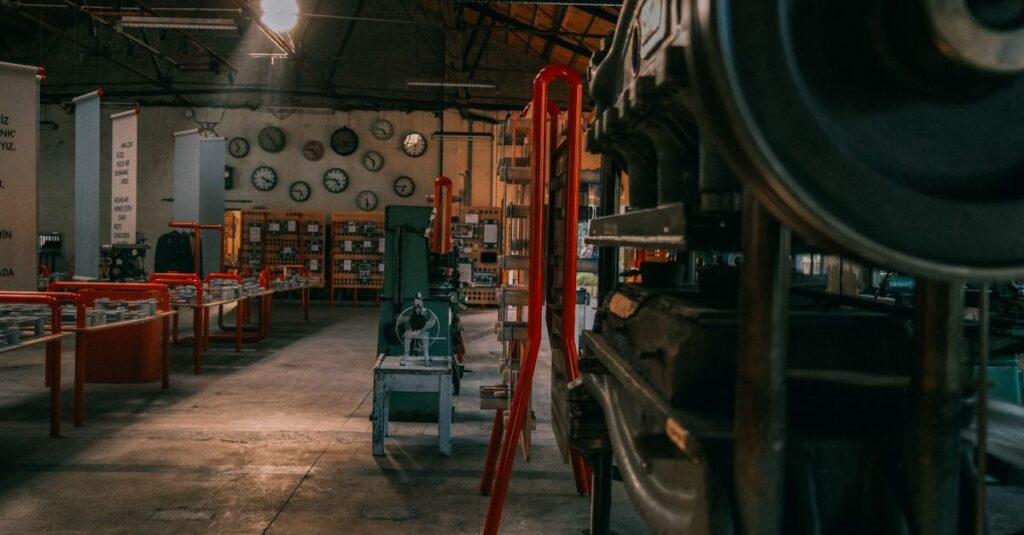
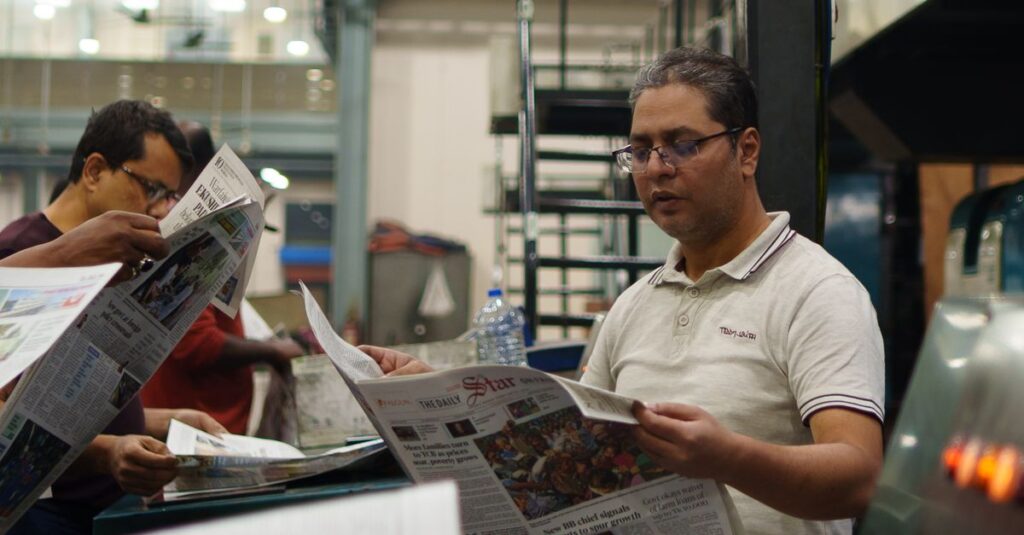
I visited a printing facility in Vijayawada about two years ago. I won't name them. But the owner walked me through the factory and I noticed something strange — all the machines were covered in dust. Not working. Turns out, they outsourced most of their actual printing to another company. They were basically a middleman with a showroom.
That visit stuck with me. Because a lot of companies look like manufacturers but aren't. They take your order, take your money, and then find the cheapest subcontractor to do the actual work. If something goes wrong, you have no recourse. And the quality control? Nonexistent.
So here's my advice — visit the facility if you can. Or at least do a video call where they show you the production floor. Ask to see the binding section specifically. That's where corners get cut the most.
I don't have a clean way to say this, so I'll just say it: if a printing company can't show you their machines, ask why.
The Ground Truth — A Real Story
I met a man named Arvind. He's 42. He runs a stationery distribution business in Kochi. He's been doing it for seventeen years. One day, he got a call from a school that wanted 8,000 notebooks for the new academic year. He placed the order with a manufacturer he'd used before. Delivery was supposed to be May 15th. School starts June 1st.
May 20th comes. Nothing. He calls. They say, "Next week." May 28th — still nothing. This time they don't pick up the phone. He sends his driver to the factory. The factory is locked. The owner is unreachable.
Arvind ended up calling six different suppliers in three days. Found one who could deliver in two weeks. Paid a premium. Lost money on the deal. But he saved his relationship with the school.
I think about that story a lot. Not because it's dramatic. But because it's ordinary. This kind of thing happens every single day in this industry.
Frequently Asked Questions
How do I verify a printing company's quality?
Ask for samples from a recent job similar to yours. Not their best samples — their most recent. Also ask about their quality control process. A reputable company should have a rejection rate and be willing to share it.
What's the minimum order quantity for custom notebooks?
It varies. Local printers may accept 50–100 units. Specialized manufacturers typically require 500–1,000 units minimum for custom work. At Sri Rama Notebooks, we evaluate each project individually. Just call and ask.
Should I choose stitched or spiral binding for bulk notebooks?
Stitched binding is more durable and lies flat when open. Spiral binding is easier for note-taking but can bend. For school notebooks and account books, stitched binding is preferred. For diaries and notepads, spiral works well.
How long does a bulk notebook order typically take?
For orders of 10,000–30,000 units, expect 2–4 weeks including printing, binding, and packaging. Rush orders are possible but may cost more. Always add buffer time for unexpected delays.
Can I get my company logo printed on the notebooks?
Yes. Most printing companies offer logo printing. The quality depends on the method — foil stamping and embossing give a premium look, while screen printing is cost-effective for large orders. Ask for samples before placing the bulk order.
Conclusion
Look, I don't think there's one perfect printing company for everyone. The right partner for a school in Mumbai might be wrong for a distributor in Dubai. But the process of choosing is the same: check capacity, verify quality, visit the facility, and don't trust promises without proof.
If you're ordering in bulk — hundreds or thousands of notebooks — take the time to find the right partner. It's worth the extra phone call. If you want to talk through your requirements, Sri Rama Notebooks has been doing this since 1985. We've seen most of the problems you're trying to avoid.