Why This Guide Exists
If you've ever tried to get notebooks printed in bulk from India, you know the feeling. You find a supplier. They sound great on the phone. Then the samples arrive and something's off. The paper feels thin. The binding is loose. The logo looks blurry.
I've been in this business since 1985. I've seen buyers make the same mistakes over and over. That's why I wrote this Global Procurement Guide for Indian Printing Services. Not to sell you something. To save you from wasting money.
If you're a corporate buyer or a school chain looking for bulk notebooks, you need a partner who understands the ground reality. No fluff. Just straight talk. Here's what I've learned.
Want to skip the theory? Sri Rama Notebooks has been doing this for 40 years. Call us.
Why Procurement from India Works
India is a massive hub for printing and paper products. But not every supplier is built for global orders. The ones who are — they know how to handle paper GSM, binding strength, and color consistency.
Here's the thing: many buyers think all Indian printers are the same. They're not. The difference between a shop with a few machines and a factory like ours is night and day.
Three reasons procurement from India makes sense:
- Cost: Labour and raw material costs are lower than in the US or Europe. You get more for your money.
- Scale: Factories can produce 30,000–40,000 notebooks daily. That's real capacity.
- Customization: From foil stamping to private label, you can get exactly what you want.
But you have to pick the right partner. Otherwise, the cost advantage disappears.
What to Look for in a Printing Partner
Procurement isn't just about price. It's about trust. And trust comes from seeing how a factory works.
I remember meeting a buyer from Kenya. Let's call him James. He was burned by a supplier who promised artwork changes but delivered something completely different. James told me, “I learned the hard way that a WhatsApp message isn't a contract.”
So what should you check?
Paper Quality (GSM Matters)
Most notebooks use 54–60 GSM paper. But not all 60 GSM is equal. The fiber quality, opacity, and smoothness vary. Ask for samples. Write on them. See how the ink behaves.
Binding Type
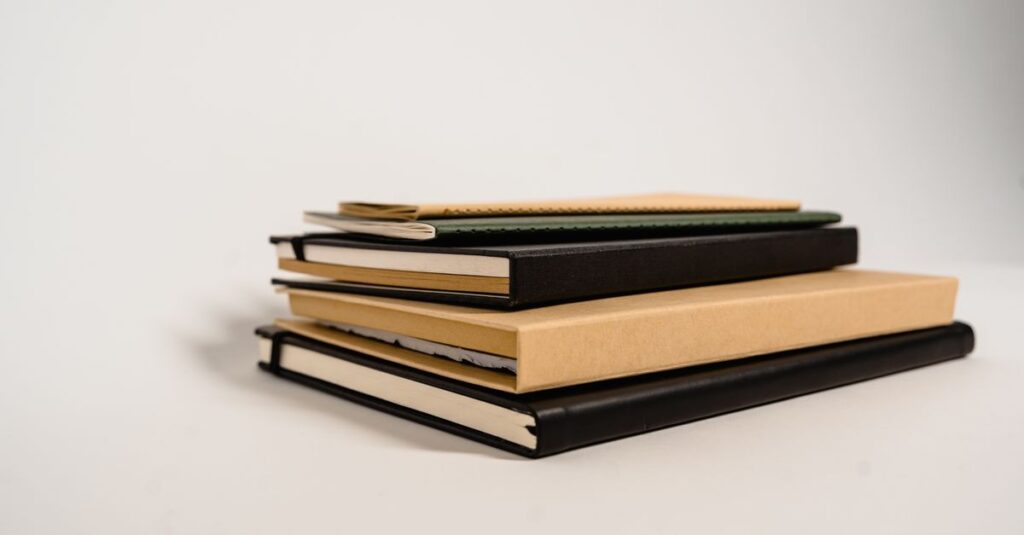
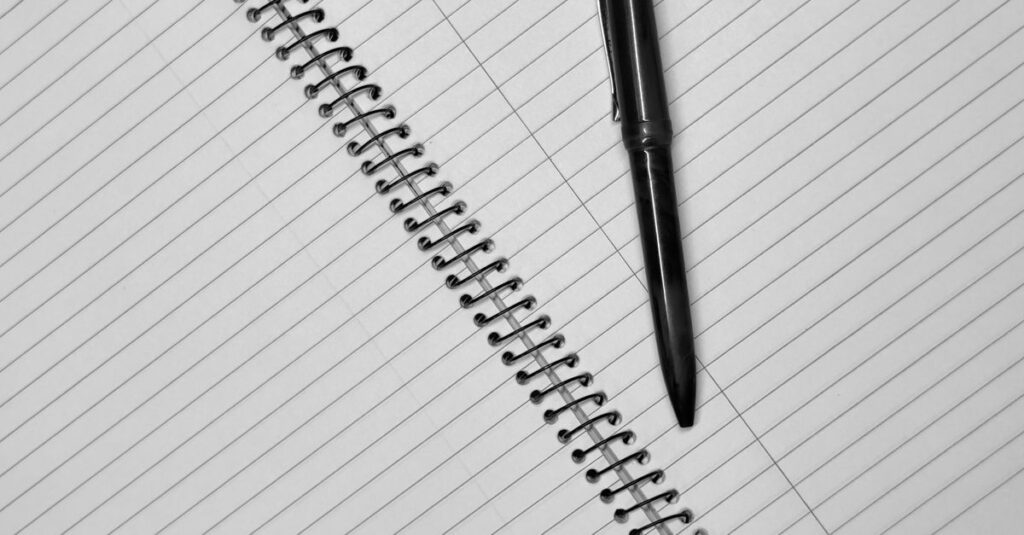
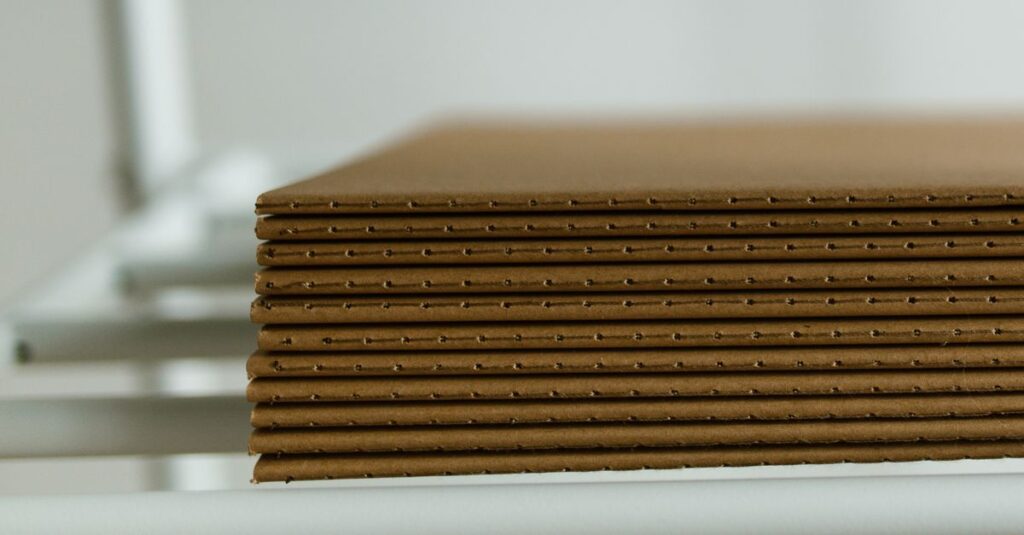
Stitched binding lasts longer. Spiral is good for tear-off sheets. Perfect binding works for high-end diaries. Choose based on your end use.
Production Timeline
A reliable partner gives you real lead times. If they promise 2 weeks for a 50,000-unit order, something's off. We usually need 3–4 weeks for large runs.
These are basics. But you'd be surprised how many buyers skip them.
Comparison: Direct Factory vs Agent vs Local Printer
Let's break down the three most common procurement routes.
| Factor | Direct Factory (India) | Agent/Broker | Local Printer (Your Country) |
|---|---|---|---|
| Price per unit | Lowest (no middleman) | Medium (adds 10–20%) | Highest |
| Quality control | You can audit factory directly | Depends on agent's relationship | Easier to supervise |
| Customization flexibility | High (OEM, private label) | Limited by agent's contacts | Moderate |
| Minimum order quantity | High (1000+ units) | Can consolidate multiple buyers | Low |
| Shipping & logistics | Factory handles or you arrange | Agent may offer container consolidation | Local delivery |
| Communication | Direct (language barrier possible) | Easier (agent speaks your language) | Easiest |
If you need large volumes and want to control quality, going direct to a factory like Sri Rama Notebooks is the best move. For small batches, a local printer might be easier.
The Hidden Costs of Going Cheap
I once had a client from the UK who saved 15% by choosing a lower-priced supplier. The samples looked fine. But when the full shipment arrived, the paper had a chemical smell. The ink smudged. He had to reprint 10,000 diaries. That 15% saving turned into a 40% loss.
Here's what I tell all procurement managers: cheap paper is never worth it. The paper quality affects how people write. If they hate the paper, they hate your brand.
And it's not just paper. Weak binding means notebooks fall apart in weeks. Misaligned rulings mean students struggle to write neatly. These are real costs.
Sometimes the cheapest option is the most expensive in the long run.
Expert Insight: What I've Seen in 40 Years
I was talking to a procurement director from Dubai last month. He's been importing notebooks for years. He told me something that stuck. He said the biggest mistake buyers make is not asking about paper GSM. They assume all 60 GSM is the same. It's not. And they find out too late.
At our factory, we test every reel of paper. We check for thickness, opacity, and how it takes ink. That's why our notebooks don't bleed through. It sounds basic. But you'd be amazed how many suppliers skip this step to cut costs.
The question isn't whether you need quality checks. It's whether your supplier is honest enough to show you theirs.
Common Procurement Pitfalls
I've seen these mistakes more times than I can count:
- Not getting a proof before bulk production. Always ask for a physical proof, not just a digital PDF. Colors look different on screen.
- Assuming all carton sizes are standard. If your container is 20 feet, make sure the cartons fit. We can optimize packaging to save shipping costs.
- Ignoring payment terms. Be clear about advance vs. LC. Don't assume.
Each of these can cost you weeks and thousands of dollars. But if you work with a factory that has export experience, they'll guide you through it.
Frequently Asked Questions
Frequently Asked Questions
What is the minimum order quantity for custom notebooks from India?
Most factories require at least 1000–2000 units for custom printing. At Sri Rama Notebooks, we accept smaller quantities for trial orders, but bulk pricing kicks in at 5000+ units. This is standard for the industry.
How long does shipping take from India to the US or Europe?
Sea freight typically takes 4–6 weeks including production and transit. Air freight is 2–3 weeks but costs 3–4x more. We always recommend factoring in 2 weeks of buffer for customs clearance.
Can I get my company logo printed on the notebooks?
Yes, we offer logo printing, foil stamping, embossing, and full-color cover design. Send us your artwork, and we'll provide a proof before production. We also offer private label and OEM services.
What paper GSM do you recommend for school notebooks?
54–60 GSM is standard for most school notebooks. For diaries and premium products, we recommend 70–80 GSM to prevent ink bleed. We can also source higher GSM on request.
How do you ensure quality control for international orders?
We inspect paper, binding, and printing at each stage. We send photos and videos during production. For large orders, you can hire a third-party QC agency, but many clients trust our 40-year track record.
Final Thoughts
I don't think there's one perfect supplier out there. But if you know what questions to ask, you cut the risk in half.
This Global Procurement Guide for Indian Printing Services is based on real experience — not theory. We've shipped to the Gulf, Africa, USA, UK, Europe, and Australia. Every order taught us something.
If you're tired of guessing and want a reliable partner, Sri Rama Notebooks is just a call away.