Why Global Brands Are Reconsidering Their Print
I was on a call last week with a buyer from Dubai. He said something that stuck with me. He said, 'Our customers are starting to ask what the notebook is made of. Not just how it looks.' And honestly, that's happening more and more.
You'd think that with everything going digital, printing would be dying. It's not. What's changing is the expectation around it. Global brands aren't just ordering notebooks and diaries anymore. They're asking for sustainable commercial printing for global brands that doesn't cost a fortune and actually holds up.
But here's the problem. Most printing setups are either cheap and wasteful, or expensive and green. Finding both? That's the headache. And that's exactly what I want to talk about — how you get sustainable commercial printing for global brands without compromising on quality or budget.
If this sounds like a problem you're dealing with, Sri Rama Notebooks has been navigating this for a while now. Not perfectly. But honestly.
The Part Nobody Talks About — Paper and Ink Choices
Let's start with the obvious stuff first. Paper. And ink. Because these two things make or break the 'sustainable' part.
Paper Grades and What Actually Matters
Not all paper is equal. I know that sounds basic, but you'd be surprised how many brands just pick the cheapest option. The problem? Cheap paper usually comes from non-sustainable sources. It's thinner, doesn't hold ink well, and falls apart after a few months.
You want something in the 54 to 70 GSM range — and sourced from certified suppliers. We use paper that's made from responsibly managed forests. Not because it's trendy. Because it lasts longer and looks better in the long run.
And ink? This is where a lot of companies cut corners.
- Soy-based inks are better than petroleum-based ones. They're easier to recycle and produce less VOC emissions.
- Water-based coatings instead of plastic lamination. Same look, less waste.
- Digital printing for smaller runs to reduce leftover stock and chemical waste.
The thing is, switching to better materials isn't as expensive as people think. The upfront cost is slightly higher, but the durability means fewer returns and less waste. And brands notice that.
I remember once, a client from London asked for a sample. He put it in his bag. Came back three months later asking if we could do the same for all his offices. The notebook still looked new. That's the kind of thing that makes the extra effort worth it.
What Happens When You Print 40,000 Notebooks a Day
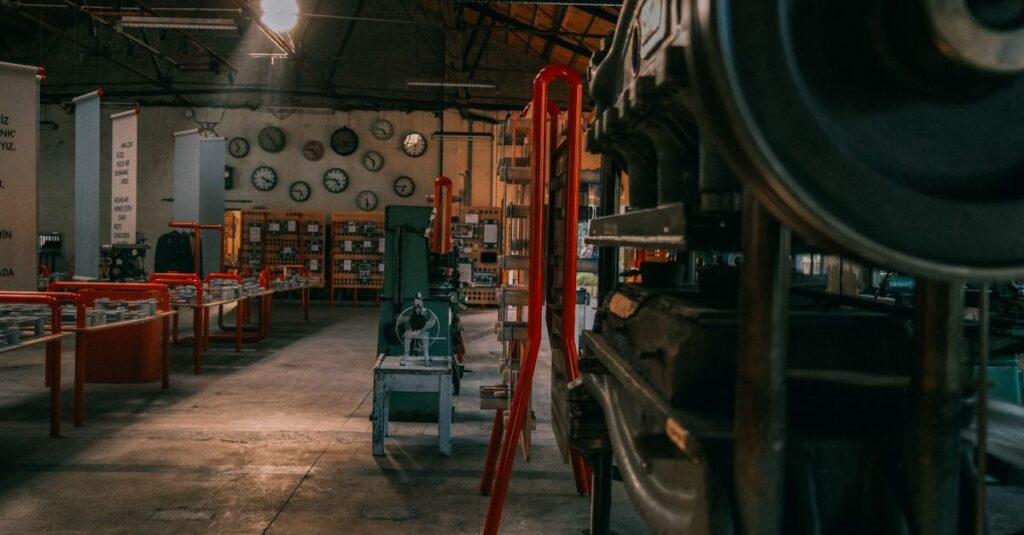
Look, I'll be direct. We run a factory in Rajahmundry, India. We've been doing this since 1985. That's forty years of figuring out what works and what doesn't.
When you produce 30,000 to 40,000 units daily, sustainability becomes a logistics problem. Not a philosophy. It's about how you manage waste, how you recycle paper trimmings, and how you minimize energy use across shifts.
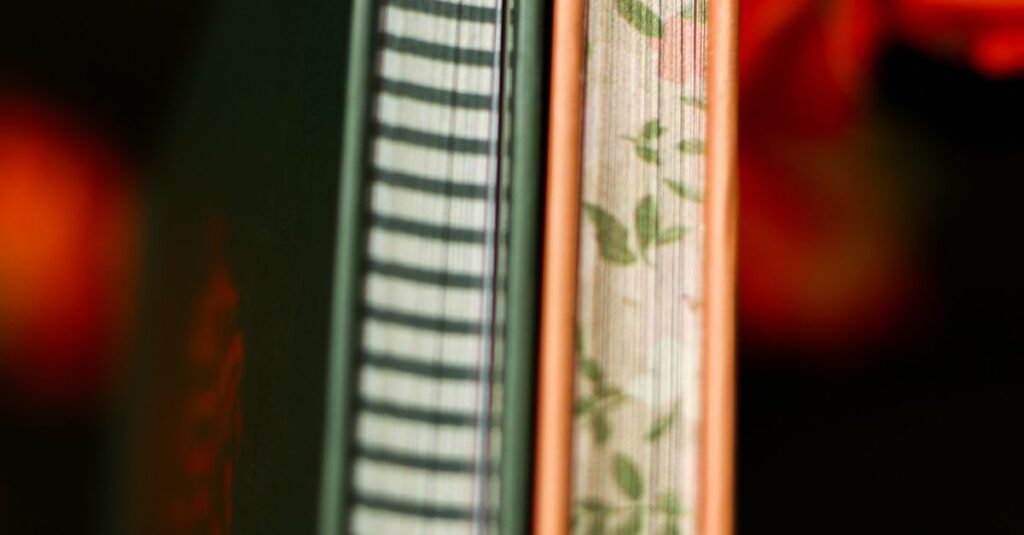
Here's something most people don't consider: binding. Stitched binding is stronger and lasts longer than perfect binding, which means fewer notebooks get thrown away. More sustainable. But it takes longer to produce. So there's a trade-off.
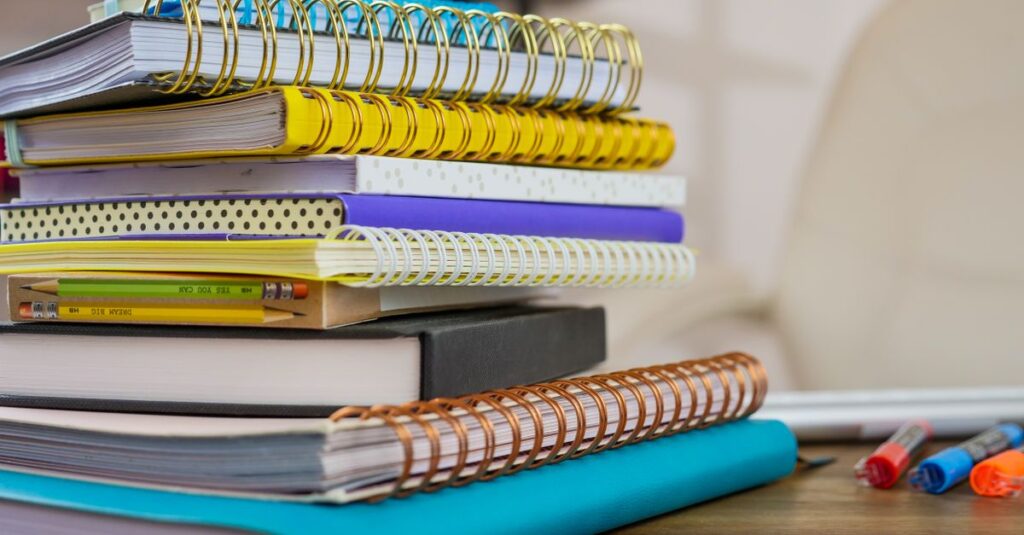
Spiral binding? Great for diaries and corporate planners. But the metal spirals aren't always recyclable unless you use coated aluminum. And plastic spirals are worse. So for bulk orders, we usually recommend stitched or perfect binding depending on the budget.
Comparison: Binding Methods for Commercial Printing
| Binding Type | Durability | Eco-Friendliness | Best For |
|---|---|---|---|
| Stitched Binding | High — lasts years | High — no glue, recyclable | Premium notebooks, diaries |
| Spiral Binding (Metal) | Medium — can bend | Medium — metal can be recycled | Corporate planners, student notebooks |
| Spiral Binding (Plastic) | Medium — cracks over time | Low — hard to recycle | Budget diaries |
| Perfect Binding | Low — pages can fall out | Medium — glue complicates recycling | Account books, thick notebooks |
The decision isn't always clear. And I think that's okay. What matters is knowing the trade-offs so you can make a choice that fits your brand's values.
Expert Insight
A friend of mine who runs a printing press in Hyderabad once told me — and I think about this a lot — he said, 'The most sustainable notebook is the one that doesn't get thrown away.' He didn't mean it as a sales pitch. He meant that if you make something people actually use, you've already reduced waste. Everything else is just a detail. I don't have a cleaner way to put it than that.
One Buyer's Story — Why He Switched Suppliers
Ravi is a procurement manager for a chain of schools in Nairobi. He's 42. Married. Two kids. He told me his biggest headache wasn't price — it was consistency.
He ordered 50,000 notebooks from a supplier in China once. The first batch was fine. The second batch had paper that was visibly different. Thinner. Yellowish. His school principals complained. He had to reorder from someone else and take a loss.
That's when he found us. He said what convinced him wasn't the price. It was that we sent him samples from the same batch we were running for another client. No surprises. He's been ordering from us for three years now.
Which is… a lot to sit with. Because it shows that reliability beats everything else when you're dealing with bulk orders. Even sustainability. Especially sustainability.
Customization Without the Waste
Global brands want their logos, their colors, their look. That's non-negotiable. But customization can be wasteful if done poorly.
Here's what works:
- Private label printing — we print your brand directly on the cover. No extra packaging. No stickers that peel off.
- Foil stamping — a single stamp. No ink waste. Looks premium.
- Embossing — pressed into the cover. No additional materials needed.
- Custom cover design — we design the cover once, then print it across the entire batch. Zero rework.
Our product line includes everything from A5 notebooks to corporate diaries. Each one can be customized. And because we print in bulk, the per-unit cost stays low.
The thing about customization is that it doesn't have to be wasteful if you plan ahead. Most waste happens because someone changes their mind halfway through. We avoid that by locking designs early and running samples first.
Why Global Brands Keep Coming Back
I don't think it's because we're the cheapest. We're not. We're competitive, but there are cheaper options out there.
I think it's because we're honest. When a client asks if something is sustainable, we don't give a marketing answer. We tell them what we use, where it's from, and what the trade-offs are. That builds trust.
Plus, we've been exporting to the Gulf, Africa, the US, the UK, Europe, and Australia for years. We know the shipping, the customs, the timelines. That matters when you're a global brand with deadlines.
And honestly? Most people know this already. The brands that are serious about sustainability don't need buzzwords. They need a partner who actually delivers. We've been doing that since 1985.
Frequently Asked Questions
What is sustainable commercial printing?
It's printing that uses eco-friendly materials, reduces waste, and minimizes environmental impact. For notebooks, that means responsibly sourced paper, soy-based inks, water-based coatings, and binding methods that don't use non-recyclable glues.
Can global brands order sustainable notebooks in bulk?
Yes. Sri Rama Notebooks produces 30,000 to 40,000 units daily and offers sustainable options like stitched binding, recycled paper grades, and eco-friendly inks. We serve clients from the UAE to the UK with consistent quality and competitive bulk pricing.
What's the cost difference between sustainable and regular printing?
It's usually 10–15% higher upfront. But because sustainable materials often last longer, the total cost of ownership can be lower. Fewer returns, less waste, and better brand perception often offset the initial price difference.
How do I know if a printer is actually sustainable?
Ask about their paper source, ink type, and waste management. A real sustainable printer will tell you exactly what they use — not just say they're 'green.' We're happy to share our material sourcing and production process with any buyer.
What are the most eco-friendly notebook binding options?
Stitched binding is the most sustainable because it uses no glue and the materials can be recycled. Spiral metal binding is also good if the metal is coated aluminum. Avoid plastic spirals and perfect binding if sustainability is your priority.
Final Thoughts — Not a Perfect Answer
I don't think there's one perfect way to do sustainable commercial printing for global brands. Probably there isn't. Every brand has different priorities — some care about paper, others about ink, others about binding.
But if you've read this far, you already know what you're looking for. You want a partner who takes sustainability seriously without treating it like a marketing gimmick. Someone who can deliver 40,000 notebooks on time and make them look good.
We can do that. Get in touch with Sri Rama Notebooks.