The Old Way of Ordering Isn't Working Anymore
I was on a call last week with a procurement manager from Mumbai. He sounded tired. Said he'd been ordering corporate diaries for his company the same way for ten years — calls to three suppliers, wait for samples, negotiate prices, cross fingers the delivery shows up on time. And he was fed up.
The future of commercial printing procurement isn't about more phone calls. It's about fewer headaches. And honestly? Most procurement people I talk to don't want bells and whistles. They want reliability. They want to know the notebooks they order will actually look like the sample they approved. That's the bar. And it's shockingly hard to find.
If this sounds like your daily grind, Sri Rama Notebooks might be worth a look.
What Procurement Managers Actually Want
Here's the thing — I've spoken to enough procurement managers to know what keeps them up at night. It's not paper GSM or binding types. It's the fear of a messed-up order. The wrong logo. The shipment that arrives two weeks late. That's real money down the drain.
A Real Story from Ahmedabad
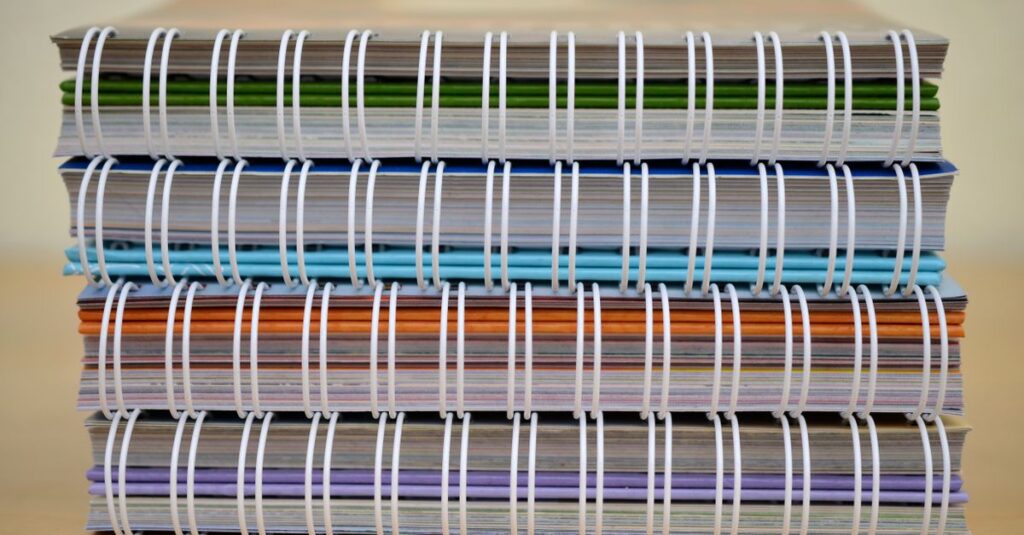
Let me tell you about Ravi, 38, procurement lead for a chain of schools in Ahmedabad. He ordered 12,000 custom notebooks for the new academic year. Got samples, approved everything. Then the delivery came — covers were a shade lighter than approved, and the spiral binding was loose on half the stack. He spent two weeks fighting with the supplier. They didn't even apologize.
Ravi now has three backup suppliers. He doesn't sleep well until the consignment clears.
That's not a failure of process. It's a failure of trust. And the future of commercial printing procurement has to fix that.
Digital vs Offset: A Quick Comparison
One of the biggest decisions in bulk notebook procurement is the printing method. Here's how they stack up for corporate diary orders.
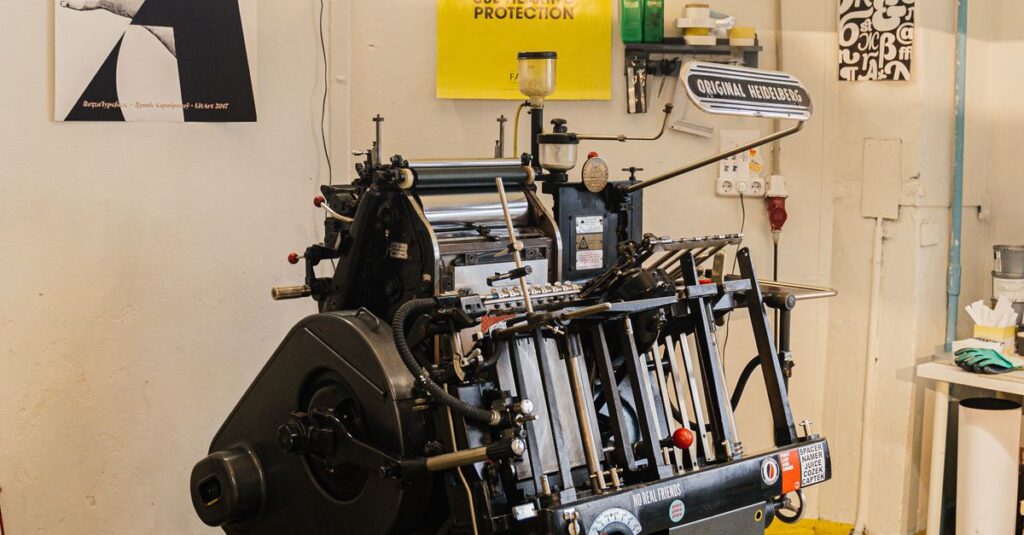
| Factor | Digital Printing | Offset Printing |
|---|---|---|
| Setup Cost | Low — no plates needed | High — plate creation required |
| Run Quantity | Best for small runs (100–500) | Cost-effective for 1000+ units |
| Color Consistency | Good, but slight variation between runs | Excellent — uniform across entire batch |
| Paper Options | Limited to standard stocks | Wide range — including specialty papers |
| Turnaround Time | Fast — often same day for small orders | Slower — requires plate setup and drying time |
| Cost per Unit | Higher for large volumes | Drops significantly at volume |
The choice depends on your quantity. For a bulk corporate diary order of 5,000 units, offset printing wins every time on cost and quality. But if you need 200 customized notebooks for a sales meeting? Go digital.
Expert Insight: The Shift to Customization
I was reading a trade blog last month — can't recall the exact name — and one line stuck with me: 'Procurement used to be about price. Now it's about identity.' That's the shift. Companies want branded stationery that doesn't feel generic. A notebook with a logo slapped on the cover isn't enough anymore. They want custom cover designs, foil stamping, embossing, private labels.
I think the real driver is that notebooks have become a corporate gift — something people keep on their desk. If it looks cheap, the company looks cheap. So procurement managers are asking for things their old suppliers can't deliver. And that's where the future of commercial printing procurement leads: to manufacturers who can handle real customization without messing up the details.
The question isn't whether customization matters. It's whether your supplier can actually do it. Not just say they can.
How to Prepare for the Future (or Just Not Get Left Behind)
Look, I'll be direct. The companies that survive the next five years in commercial printing procurement will be the ones that stop treating their suppliers like order-takers. You need a partner who understands your brand, your timeline, your budget constraints. That means asking harder questions upfront.
- Ask about inspection processes: Do they check every batch or just random samples?
- Ask about paper sourcing: Is it consistent across seasons? Paper quality changes with humidity.
- Ask about backup capacity: If their main machine breaks down, can they still deliver on time?
- Ask about revision handling: If you notice a mistake after the proof is approved, what happens?
Most procurement managers never ask these. And they pay for it later. I've seen it happen — a rushed order, a panic call, a last-minute scramble. The future of commercial printing procurement is about preventing those moments. Not managing them.
If you want to see how a manufacturer handles these questions, check out our product range or discuss your custom order.
The Small Guys Are Winning — Here's Why
I know it sounds backwards, but the biggest shift I'm seeing is mid-size manufacturers like us — family-run, 40 years in business, one factory — starting to beat the giants on service. Why? Because we can move fast. Approval changes? We make them same day. Need a different paper stock? We've got five options in the warehouse.
That agility is something the big print conglomerates can't match. They have layers of sales reps, approvals, and red tape. When you need a corporate diary order turned around in three weeks, you don't want to talk to three different people. You want one person who says 'I'll handle it.'
And that, I think, is the real future of commercial printing procurement. Not automation or AI. Just human reliability. Which is a weird thing to say in 2025. But there it is.
Frequently Asked Questions
What is the future of commercial printing procurement?
The future is shifting toward customization, faster turnaround, and trusted partnerships. Buyers want suppliers who offer consistent quality, flexible MOQs, and easy communication — not just low prices. Digital tools are helping, but the human factor remains key.
How can I reduce costs in bulk notebook procurement?
Order larger quantities to get volume discounts, combine multiple designs into one print run, and choose offset printing for orders above 1,000 units. Also, ask your manufacturer about using standard paper sizes to avoid waste.
What should I look for in a notebook manufacturer for corporate diaries?
Look for experience with customized branding, consistent quality across runs, strong binding (stitched or spiral), and reliable delivery timelines. A manufacturer that offers sample approval and has export experience is a safer bet.
Is digital printing better than offset for custom notebooks?
It depends on quantity. Digital is great for small batches (100–500) and quick turnaround. Offset is cheaper per unit for large quantities (1000+) and gives better color consistency. For corporate diary orders of 5,000+, offset is the standard.
How do I ensure a bulk order of notebooks arrives on time?
Choose a manufacturer with a proven production capacity (like 30,000–40,000 units per day). Ask about their current workload, holiday schedules, and backup plans. Always build in a buffer of 1–2 weeks for unforeseen delays.
Conclusion
Two things stick with me after all these conversations. One: the future of commercial printing procurement is not a technology problem — it's a trust problem. Two: the companies that will get it right are the ones willing to ask uncomfortable questions early and choose a partner, not just a vendor. I don't have a clean answer for every buyer's situation. But if you're tired of the same old headaches, maybe it's time to try a different approach.
Talk to us about your next bulk order — Sri Rama Notebooks.