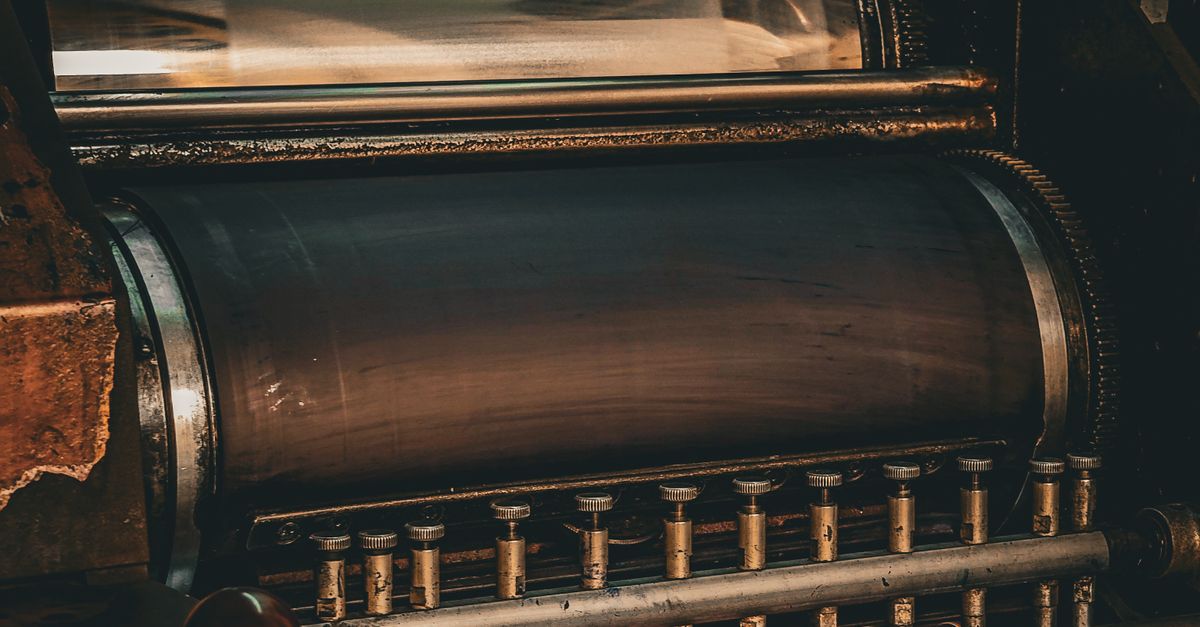
What Is a Printing Offset Press? The Short Answer
If you’ve ever ordered notebooks in bulk and wondered why some look crisp and others look… off, the answer is usually the machine that printed them. I’m talking about the printing offset press. That’s the workhorse behind most of the notebooks you see in schools, offices, and stores.
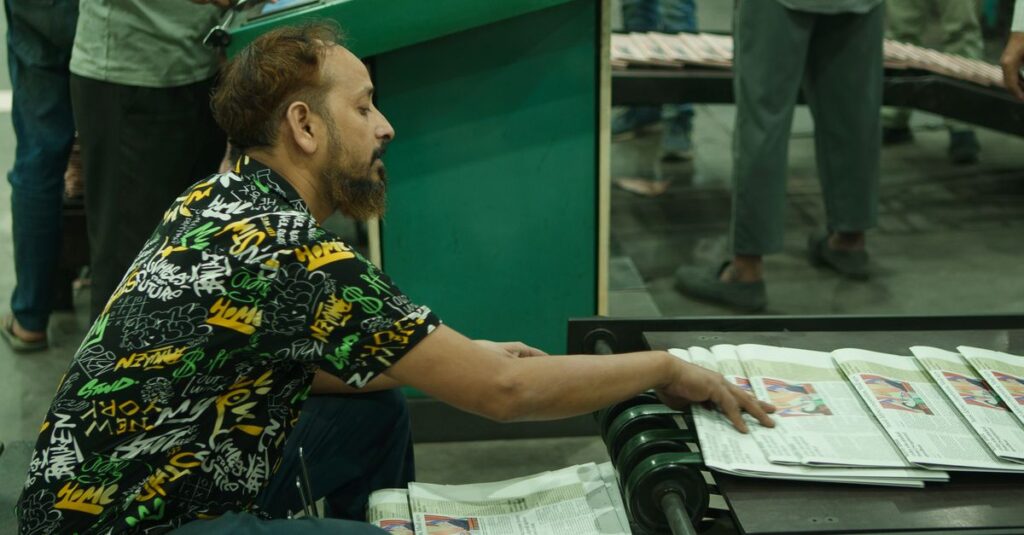
Offset printing works by transferring ink from a plate to a rubber blanket, then onto paper. No direct contact between plate and paper — which means less wear, sharper images, and consistent color across thousands of sheets. It’s not new technology, but it’s still the standard for high-volume notebook production.
At Sri Rama Notebooks, we’ve been using offset presses since 1985. And honestly? For bulk orders, nothing beats it. If you’re buying notebooks for a school or a company, this is worth a look.
How a Printing Offset Press Actually Works
Most people think printing is just “put ink on paper.” It’s not that simple. Here’s what happens inside an offset press:
- The image is first burned onto a metal plate (one plate per color).
- That plate gets dampened with water — ink sticks to the image area, water repels it from non-image areas.
- The inked image transfers to a rubber blanket cylinder.
- Then the blanket presses the image onto the paper as it passes through.
That “indirect” transfer is why it’s called offset. The blanket gives better coverage on rough paper like notebook sheets. Digital printers can’t do that as well.
One thing people don’t realize: a well-maintained offset press can run 10,000 sheets an hour. That’s the speed you need when you’re making 30,000 notebooks a day. Digital printers? Maybe 2,000 sheets. Huge difference.
But speed isn’t everything. The real win is consistency. I’ve seen runs where page 1 looks exactly like page 10,000. That’s hard to get with other methods.
Why Offset Printing Still Rules for Notebooks
Look, digital printing is fine for short runs. If you need 50 custom notebooks for a team event, go digital. But if you’re ordering bulk — say 5,000 notebooks for a school district or corporate diaries for a company with 2,000 employees — offset is the only sensible choice.
Here’s why:
- Cost per unit drops sharply after about 500 copies.
- Color accuracy is better because offset uses Pantone matching system.
- Paper handling: offset can print on thicker paper, textured covers, even recycled stock without issues.
- Longevity: offset prints don’t fade or scratch as easily.
Think about it: you’re ordering notebooks that kids use every day for a year. They get tossed in bags, dropped, scribbled on. The print has to survive. Offset ink bonds with the paper fibers better than toner. That matters.
I remember a conversation with a school principal in Kakinada — I’ll get to that in a moment.
Real-Life Micro-Story: The Principal Who Switched
Rajesh, 52, principal of a government school near Rajahmundry. He used to order notebooks from a local shop that used digital printing. The covers faded after two months. Kids complained. Parents blamed the school. Then he tried notebooks printed on an offset press. He told me: “I didn’t know printing could look this good. My students actually keep their notebooks neat now.” It’s a small thing, but it made a difference.
Expert Insight
I was reading a printing trade magazine last month — can’t recall which one — and an article mentioned that offset press operators often develop a “feel” for the machine after years of work. They can hear when the ink-water balance is off. That kind of skill matters more than any spec sheet. At our factory in Rajahmundry, our senior pressman has been here 22 years. He can spot a misregistration from across the room. That’s the difference between a notebook that looks “good enough” and one that looks right.
Common Mistakes Buyers Make When Ordering Bulk Notebooks
You’d think printing is straightforward, but I’ve seen the same errors over and over:
- Choosing digital for bulk order. Saves time upfront? Maybe. But per-unit cost kills you.
- Not specifying the printing method. Many suppliers don’t advertise what press they use. If they quote a low price, they’re probably using digital or a worn-out offset press. You get what you pay for.
- Ignoring color matching. If your school or company logo has a specific green, you need Pantone matching. Offset can do that. Digital might give you something close, but close isn’t good enough when you’re branding.
- Forgetting about bleed. If you want full-bleed covers, make sure the press can handle it. Most modern offset presses can, but not all print shops have the right equipment.
I had a client once who ordered 10,000 corporate diaries with a dark blue cover. The digital proof looked fine. When the actual run arrived, the blue was patchy. Why? The digital press couldn’t lay down enough toner on the coated cover stock. Offset would have handled it easily. He had to reprint. That’s expensive.
Offset Press vs Digital Printing: Which One Do You Need?
| Factor | Offset Press | Digital Printing |
|---|---|---|
| Best for | 500+ copies, bulk orders | Under 500, short runs |
| Per-unit cost | Low at scale | High per unit at volume |
| Color matching | Pantone accurate | Close but not exact |
| Paper options | Wide range, thick & textured | Limited mostly to coated stocks |
| Speed | High (8,000–10,000 sheets/hr) | Moderate (1,500–3,000) |
| Setup time | Longer (plates, alignment) | Short (digital file) |
| Durability | Excellent, ink bonds to paper | Good but can scratch/fade |
| Ideal for notebooks | Yes, especially bulk | Only small batches |
And here’s the thing — you don’t have to choose between them. Many manufacturers (including us) use both. For your main notebook runs, offset. For prototypes or small custom orders, digital. The key is knowing when each makes sense.
Anyway. Where was I.
How We Use Offset Presses at Sri Rama Notebooks
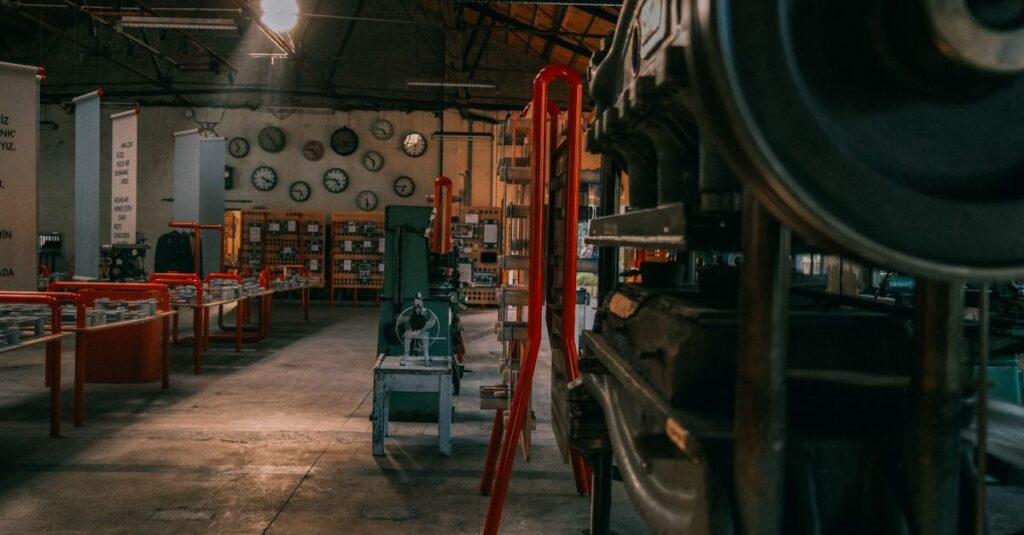
We run two Heidelberg offset presses at our factory in Rajahmundry. They’re not the newest machines in India, but they’re maintained like race cars. Each press can handle up to 10,000 sheets per hour. That’s how we produce 30,000–40,000 notebooks daily.
For notebook printing, we usually work with 54 GSM paper. Offset gives us sharp text and clean lines even on that “everyday” paper. When we print covers (often 200 GSM art card), the press lays down thick, opaque ink. Covers don’t fade after a year in a backpack.
We also do custom logo printing for corporate diaries and school notebooks. Offset allows us to match exact brand colors. I’ve had clients send me a sample of their company’s blue, and we match it within Pantone tolerance. That consistency builds trust.
But honestly? The biggest benefit is reliability. Once the press is set up, we can run the same job for hours without variation. For our export orders to the Gulf, USA, and UK, that’s non-negotiable. Our clients expect every notebook to look the same as the sample they approved.
See how we handle your printing order here.
Frequently Asked Questions
Frequently Asked Questions
What is a printing offset press used for?
A printing offset press is used for high-volume commercial printing like notebooks, books, brochures, and stationery. It transfers ink from a plate to a rubber blanket then onto paper, giving sharp, consistent results. Most notebook manufacturers use offset presses for bulk production.
How is offset printing different from digital printing?
Offset uses plates and wet ink, while digital uses toner or liquid ink applied directly from a file. Offset is more cost-effective for large quantities (500+) and offers better color matching. Digital is faster for short runs but costs more per unit at scale.
Is offset printing good for notebooks?
Absolutely. Offset printing is the standard for notebooks because it handles bulk runs efficiently, produces crisp text on standard paper, and offers durable, fade-resistant ink. Many school notebooks and corporate diaries are printed on offset presses for this reason.
What size notebooks can be printed on an offset press?
Offset presses can handle various sizes, from pocket notebooks to A4 and larger. At Sri Rama Notebooks, we print King, Long, Short, A4, A5, Crown, and custom sizes using our offset presses. The press adjusts to the sheet size and paper thickness.
How do I choose between offset and digital for my notebook order?
If you need more than 500 notebooks, go with offset for better cost and quality. For under 500 units, or if you need rapid prototyping, digital works. For bulk orders to schools, companies, or institutions, offset is almost always the right choice.
Conclusion: What Actually Matters When You’re Buying Notebooks
The printing offset press isn’t exciting tech. But it’s the difference between a notebook that feels cheap and one that people want to use. I’ve seen it play out too many times to ignore.
Two things matter: consistency and durability. Offset delivers both. If you’re placing a bulk order, don’t just ask about the price. Ask about the press. Ask if they use offset. It tells you a lot about how seriously they take the job.
I don’t think there’s one perfect machine for every situation. But I know what works for notebooks. And it’s offset.
If you’re planning a bulk order, reach out to us at Sri Rama Notebooks. We’ve been doing this since 1985. We can help you get it right.