What People Actually Ask When They Search for a Printing Press Machine
Most people searching for a printing press machine don't actually want a technical manual. They want to know one thing: can this thing solve my problem?
And the problem is usually the same. You need to print something — notebooks, diaries, marketing material — and you're trying to figure out if buying a machine is cheaper than outsourcing. I've seen this a hundred times. Business owners, school administrators, even someone starting a small stationery shop.
The honest answer? It depends. But let me explain what I've learned from running a printing and binding operation for nearly four decades.
If you're trying to decide whether to buy or just place an order, we handle bulk printing orders here — but that's not why I'm writing this. I just want to give you a real picture.
How a Printing Press Machine Actually Works (The Simple Version)
You don't need to understand every gear and roller. But you should know the basics, because it matters when you're talking to a supplier or thinking about maintenance costs.
The Core Process
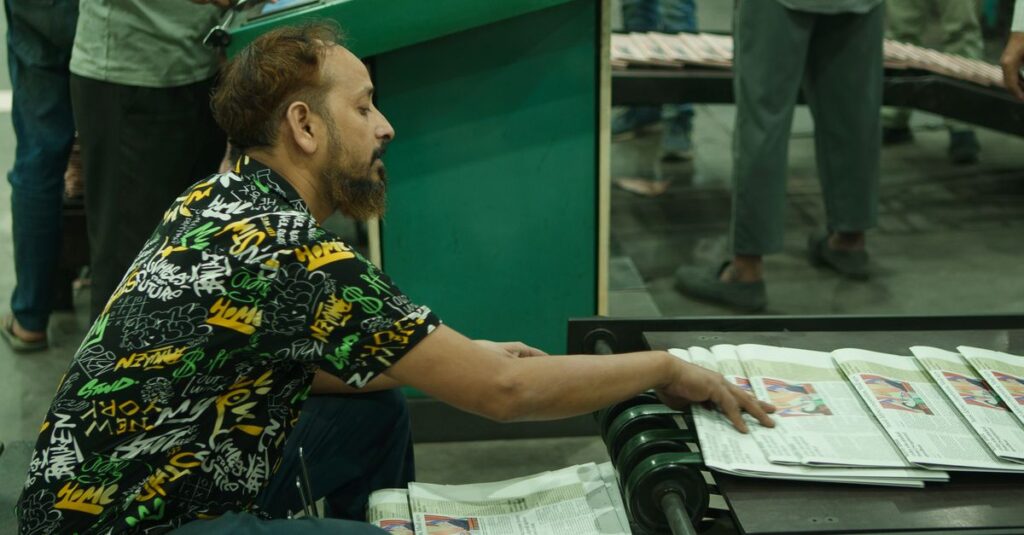
Every printing press machine does the same thing at heart. It transfers ink onto a substrate — paper, mostly, but also cardboard, plastic, whatever you feed it. The difference is how it transfers that ink.
- Offset lithography — the workhorse. Ink goes from a plate to a rubber blanket, then onto paper. Clean, fast, consistent.
- Digital printing — no plates needed. Like a giant office printer on steroids. Good for short runs.
- Flexography — used for packaging, labels, continuous rolls. Not common for notebooks.
- Letterpress — old school. Still used for high-end invitations or embossing. Beautiful but slow.
I was talking to a supplier last month — we were comparing notes on an old Heidelberg we both knew. He said something that stuck: These machines don't care about your deadlines. They care about maintenance. And that's the truth nobody tells you.
The question isn't what a machine can print. It's whether you can keep it running.
The Price Problem Nobody Talks About
Here's where it gets uncomfortable. A basic entry-level printing press machine for small format work? You're looking at around 8 to 15 lakh rupees for something used and reliable. New? Double that.
And that's just the machine.
You need:
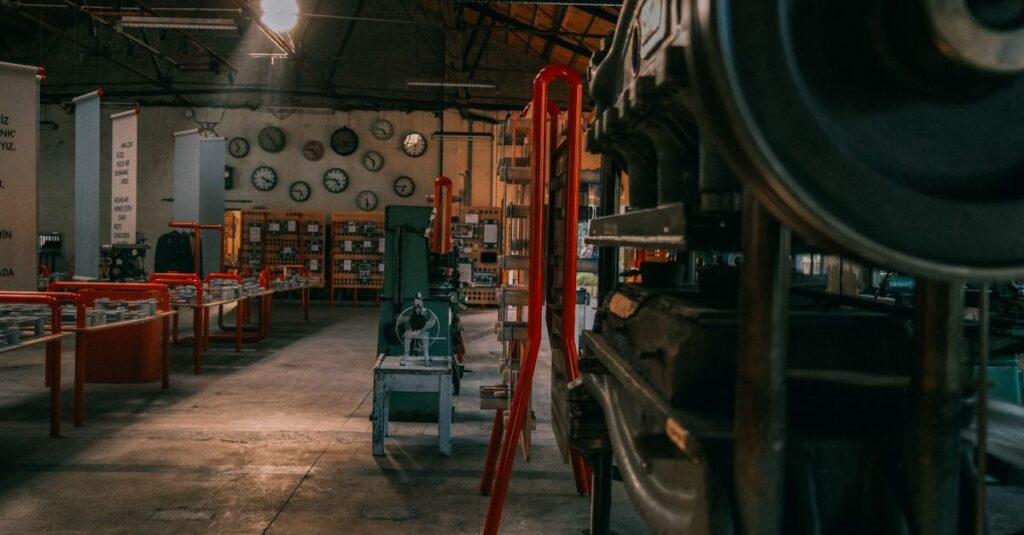
- Space — these things are not small
- Electricity — three-phase power, usually
- Operator — someone who actually knows what they're doing
- Ink, plates, blankets, chemicals, spare parts
- Maintenance — and I mean regular maintenance, not just when something breaks
Look, I'll be direct. Most small business owners I meet who want to buy a printing press machine underestimate the operational cost by about 40%. Not because they're careless. Because nobody tells them.
Expert Insight
I remember this one guy who came to our factory in Rajahmundry maybe ten years ago. He ran a small stationery shop in Kakinada. He was convinced buying a used printing press machine would save him money. I showed him our setup — the maintenance logs, the electricity bills, the operator salaries. He sat there for ten minutes without saying anything. Finally he said, So I should just outsource? I told him it depends. But I never saw him again after that. I think he bought one anyway. I hope it worked out.
That's the thing about this business — a printing press machine can be a goldmine or a money pit. Depends entirely on your volume and your patience.
Offset vs Digital: The Real Difference
If you're comparing options, this is the fork in the road. Offset or digital. Most people I talk to don't know which one they need.
| Factor | Offset Printing Press Machine | Digital Printing Press Machine |
|---|---|---|
| Setup cost | High (plates, makeready time) | Low (no plates needed) |
| Per-unit cost | Low on large runs (5000+ copies) | Higher per page, but no setup waste |
| Color quality | Excellent, consistent | Good, getting better every year |
| Best for | Long runs, same design | Short runs, variable data, quick turnaround |
| Maintenance | More complex, skilled operator needed | Simpler, but costly parts |
| Typical lifespan | 20-30 years with care | 5-10 years before tech becomes obsolete |
I lean offset for bulk printing — notebooks, account books, diaries. Digital is useful for short runs or personalized stuff. But honestly? Most people don't need to own either. They just need a partner who does.
Which brings me to something I've noticed.
What Happens When You Buy Before You're Ready
There was this man in Visakhapatnam — Rajesh, 38, ran a small printing shop. He bought a used printing press machine from a dealer in Chennai. Paid 11 lakhs. It arrived in pieces — literally. The dealer had promised to assemble it and train his staff. None of that happened.
Rajesh called me because someone told him we had the same model. He wanted to know how to set the registration. I walked him through it over the phone. Took three calls and about two hours. He was embarrassed. I told him not to be — I've made worse mistakes.
But here's what stayed with me. He said, I should have just ordered the notebooks from someone like you. Would have been cheaper. He wasn't angry. Just tired. He had a family to feed and a machine he didn't know how to use.
I'm not saying don't buy. I'm saying know what you're getting into.
Is a Printing Press Machine Right for You?
Three questions I always ask before anyone buys:
- How many pages do you need to print per month? If it's under 50,000 sheets, outsourcing is cheaper. Almost always.
- Do you have a reliable operator? Not someone who 'can learn.' Someone who already knows. These machines are not forgiving.
- Can you afford downtime? When a machine breaks, your entire production stops. If you have inventory buffers, fine. If you're running just-in-time, you're in trouble.
I've said it before and I'll say it again — a printing press machine is a tool, not a solution. It solves one problem (control over production) and creates others (maintenance, training, capital lockup).
And honestly? Most businesses I meet should just find a good printer. We offer custom printing services here — but even if you don't use us, find someone reliable. It's worth paying a little extra for peace of mind.
Frequently Asked Questions
Frequently Asked Questions
What is the price of a basic printing press machine?
For a used offset machine in working condition, expect to pay between 8 lakh and 20 lakh rupees. New small-format machines start around 25 lakh. Digital machines vary wildly — from 5 lakh for entry-level to over a crore for high-speed production models.
Can a printing press machine print on notebook covers?
Yes, but it depends on the cover material. Standard paper or light cardboard works fine on most offset presses. For thicker board, lamination, or textured finishes, you need a machine with more clearance or a separate process like screen printing or foil stamping.
How long does a printing press machine last?
A well-maintained offset printing press machine can run for 20 to 30 years. Digital presses have shorter useful lives — around 5 to 10 years — because the technology improves rapidly and spare parts become hard to find.
Is it cheaper to buy a printing press machine or outsource?
For volumes under 50,000 pages per month, outsourcing is almost always cheaper. You avoid capital cost, maintenance, operator salaries, and downtime. Above that volume, owning a machine starts making economic sense — but only if you run it consistently.
What size printing press machine do I need for notebook production?
For standard notebook sizes like Long (27×17 cm) or A4, you need a machine that can handle sheets at least 30×22 inches. A half-size offset press is usually sufficient. For larger formats like account books or drawing pads, you need a full-size machine.
Final Thoughts
A printing press machine is a big decision. Not just financially, but operationally. It changes how you work, how much you worry, how much sleep you lose.
I don't think there's one right answer here. Probably there isn't. But if you've read this far, you already know what you're looking for — you're just figuring out if it's worth the trouble.
If you want to talk it through with someone who actually runs this stuff, reach out to us at Sri Rama Notebooks. No pressure. Just honest conversation.