What Are Ruled Sheets? (And Why Should You Care)
Here’s a truth nobody talks about: most people don’t know what ruled sheets really are. They just grab whatever notebook has lines. But if you’re ordering notebooks for a school, a college, or a corporate office, you need to understand the difference. Because not all ruled sheets are the same. And the wrong ruling can drive students crazy – or make your branded diaries look sloppy.
Let me give you a quick example. A few months ago I spoke with a procurement manager who ordered 10,000 notebooks for a government exam center. He picked single ruled sheets without checking the spacing. Turned out the lines were too close for the answer scripts. What a mess. That’s when I knew I had to write this.
So today, I’m going to break down everything about ruled sheets – the types, the uses, and what to look for when you’re buying in bulk. And if you need a reliable supplier, well, Sri Rama Notebooks has been making them since 1985. But first, let’s get the basics straight.
What Exactly Are Ruled Sheets?
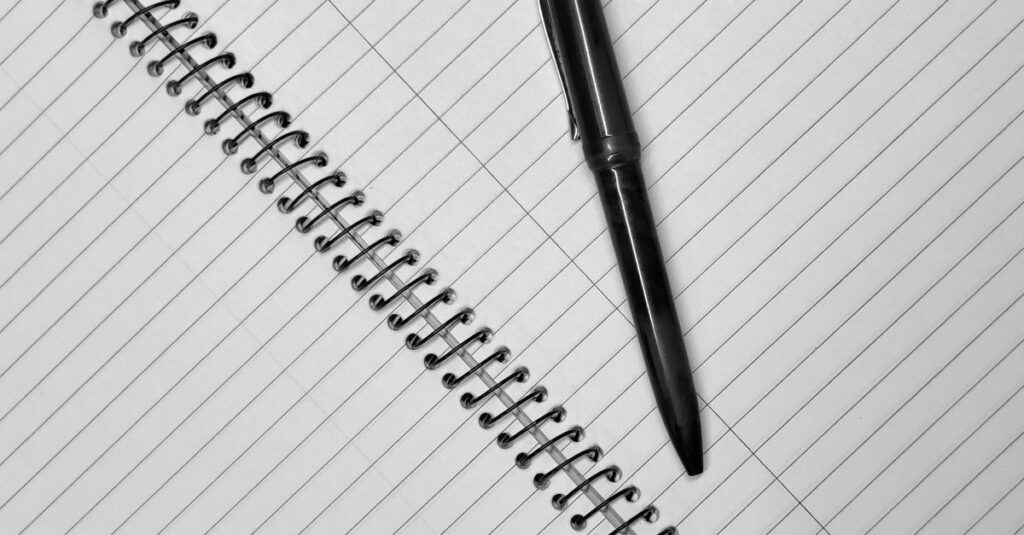
A ruled sheet is simply a piece of paper with horizontal lines printed on it. Those lines help you write straight. That’s it. But the details matter a lot.
Common Types of Ruled Sheets
- Single Ruled (SR) – one line every 8mm or 10mm. Standard for most notebooks.
- Double Ruled (DR) – two thin lines close together, then a gap. Used for handwriting practice in early grades.
- Four Ruled (FR) – four lines per set. For very young children to learn letter formation.
- Broad Ruled (BR) – wider spacing (about 11mm). Good for big handwriting or senior citizens.
- Cross Ruled (CR) – both horizontal and vertical lines. For graphs, math, or note-taking.
Each type serves a different purpose. And if you’re ordering for a school, you need to match the ruling to the age group. Otherwise you’ll get complaints. Trust me, I’ve heard them all.
Anyway. Where was I. The fascinating part is how paper quality affects the ruled lines – but that’s a separate topic. Let me just say: a cheap sheet with bad ruling smudges, fades, or bleeds through. Not what you want in a ₹200 notebook.
Why Ruled Sheets Still Matter in Bulk Orders
You’d think ruled sheets are just ruled sheets. But procurement managers lose sleep over this. Because when you order 50,000 notebooks, a small mistake multiplies fast.
Take a real story I heard last week. Ramesh, 45, principal of a school in Visakhapatnam – he ordered notebooks for his entire high school. He chose single ruled because that’s what they’d always used. But the new syllabus requires more diagrams. Students ended up drawing graphs on ruled sheets and crossing out lines. Terrible. He had to order graph books separately next year. Cost him double.
Here’s the thing – ruled sheets aren’t just about lines. They’re about utility. For corporate diaries, you might want faint ruled lines so the notes look clean. For exam papers, bold lines help students stay within margins. For kindergarten, four-ruled is non-negotiable.
I think – and I could be wrong – that most bulk buyers don’t spend enough time on this detail. They look at the cover, the binding, the price. But the ruling decides whether the notebook is actually useful.
Ruled Sheets vs. Other Paper Types: A Quick Comparison
Still not sure which ruling you need? Let me put it side by side.
| Ruling Type | Best For | Line Spacing | Common GSM |
|---|---|---|---|
| Single Ruled (SR) | General writing, offices, college notes | 8mm – 10mm | 54–60 GSM |
| Double Ruled (DR) | Handwriting practice (ages 6–8) | Variable (two lines + gap) | 60–70 GSM |
| Four Ruled (FR) | Early handwriting (ages 4–6) | 4 lines per set | 60–70 GSM |
| Broad Ruled (BR) | Seniors, large handwriting | 11mm | 54 GSM |
| Cross Ruled (CR) | Math, graphs, rough work | Grid pattern | 60–80 GSM |
| Unruled | Drawing, sketching, legal pads | No lines | 70–100 GSM |
Expert Insight
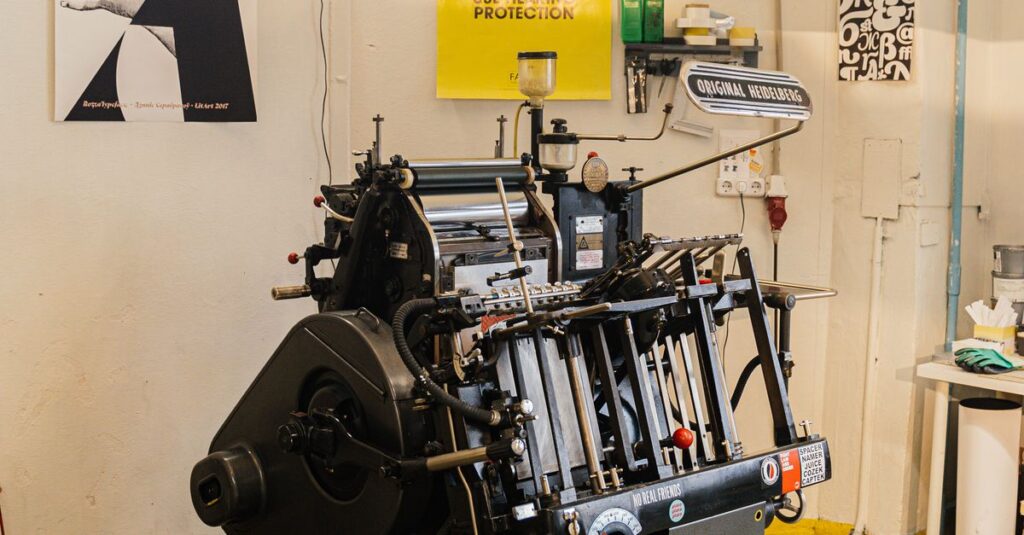
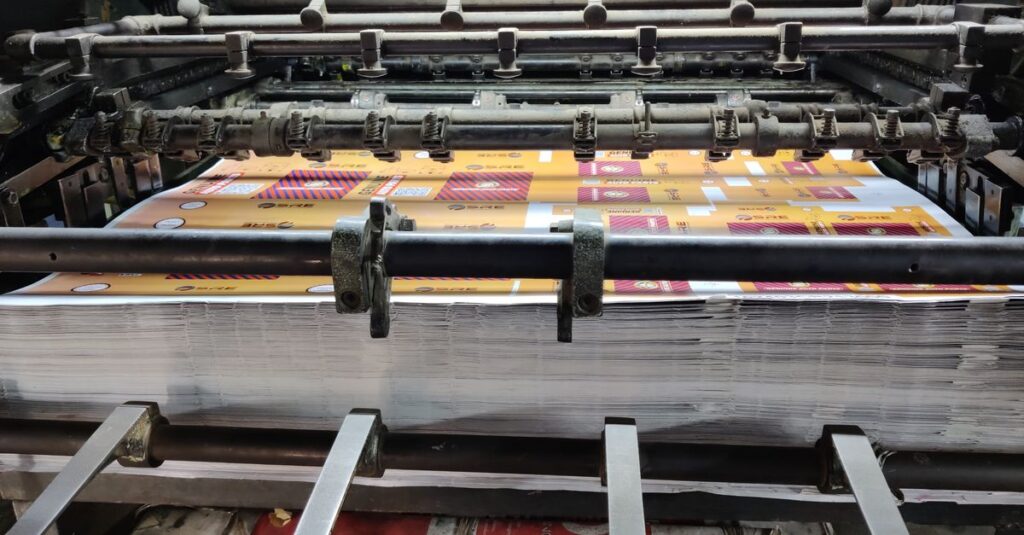
I remember walking into our factory in Rajahmundry twenty years ago. My father showed me the ruling machine – big rollers that print lines on huge sheets. He said, “Look at the distance between lines. If it’s off by even half a millimeter, the whole batch is useless.” That stuck with me. Nine times out of ten, buyers don’t check this. But the machine operator does. And that’s where quality begins.
What to Look for When Ordering Ruled Sheets in Bulk
If you’re a procurement manager or a school owner, here’s your checklist:
- Ruling pattern – confirm which type (SR, DR, etc.) matches your use case.
- Line thickness – too thin and they’re invisible; too thick and they overpower the writing.
- Color of lines – most use blue, but some prefer gray for a softer look.
- Paper GSM – 54 GSM is standard, but for exams you might want 60+ to avoid bleed-through.
- Bleed resistance – test with a fountain pen. Some cheap sheets ruin the whole writing experience.
These details matter more than you think. I’ve seen schools order bright blue lines on cream paper – looked terrible. And I’ve seen corporate diaries with lines that were so faint you couldn’t see them. Both extremes are wrong.
Another thing: if you’re ordering custom notebooks with your logo, the rule lines should complement the design. We had a client who wanted gold foil stamping on the cover, but the inside rulings were black and heavy – clashed completely.
The question isn’t whether ruled sheets are important. It’s whether you’re willing to pay attention to the details that most people ignore.
Common Mistakes People Make with Ruled Sheets
Let me be honest – I’ve made some of these mistakes myself.
- Assuming “ruled” means one size fits all. It doesn’t. A college notebook needs different spacing than a diary.
- Ignoring margin lines. Some ruled sheets have a vertical red line for margin. If you’re printing answer sheets, that margin is critical. You’ll regret skipping it.
- Choosing the wrong GSM for the ruling. Thick paper can handle bold lines, but thin paper with dark lines looks cheap and bleeds.
- Forgetting about ink compatibility. Gel pens, ballpoints, fountain pens – they all behave differently on ruled paper. Test before you order 100,000 units.
Earlier I said ruled sheets are simple. That’s not quite fair – it’s more that the simplicity hides the complexity. When you get it right, nobody notices. When you get it wrong, everyone complains.
Frequently Asked Questions
Frequently Asked Questions
What is the difference between single ruled and double ruled sheets?
Single ruled sheets have one continuous horizontal line every 8–10mm. Double ruled sheets have two thin lines close together followed by a gap – used for teaching letter formation in early grades. Both are ruled sheets, but they serve different age groups.
Can I get custom ruling patterns on bulk notebook orders?
Yes – most manufacturers, including Sri Rama Notebooks, offer custom ruling. You can choose line spacing, thickness, color, and even add margin lines or header boxes. Minimum order quantities may apply.
What GSM paper is best for ruled sheets in school notebooks?
54 GSM is the standard for most school notebooks – it’s lightweight yet strong enough for everyday writing. For younger children using pencils or fountain pens, 60–70 GSM prevents bleed-through and allows erasing.
Are ruled sheets only for notebooks, or can they be sold separately?
Ruled sheets are often sold as loose sheets for exam pads, legal pads, and refills. Many corporate buyers order ruled sheets in bulk to insert into binders or custom folders. We also supply ruled sheet pads for offices.
How do I ensure the ruled lines are straight and consistent in bulk orders?
Work with an experienced manufacturer that uses automated ruling machines. Ask for a pre-production sample. Check the line alignment, spacing, and ink quality. At Sri Rama Notebooks, every batch is inspected before dispatch.
Conclusion
Ruled sheets seem like the most ordinary thing in the world. Until you need 20,000 of them and the lines are crooked. I don’t think there’s one perfect ruling for everyone. Probably there isn’t. But if you’ve read this far, you already know what matters – the specifics. The GSM. The spacing. The margin line.
Choose wisely. And when you’re ready to order, Sri Rama Notebooks can help you get it right. We’ve been making ruled sheets since 1985 – we know the difference between a good line and a great one.