What Exactly Is Ruled Paper?
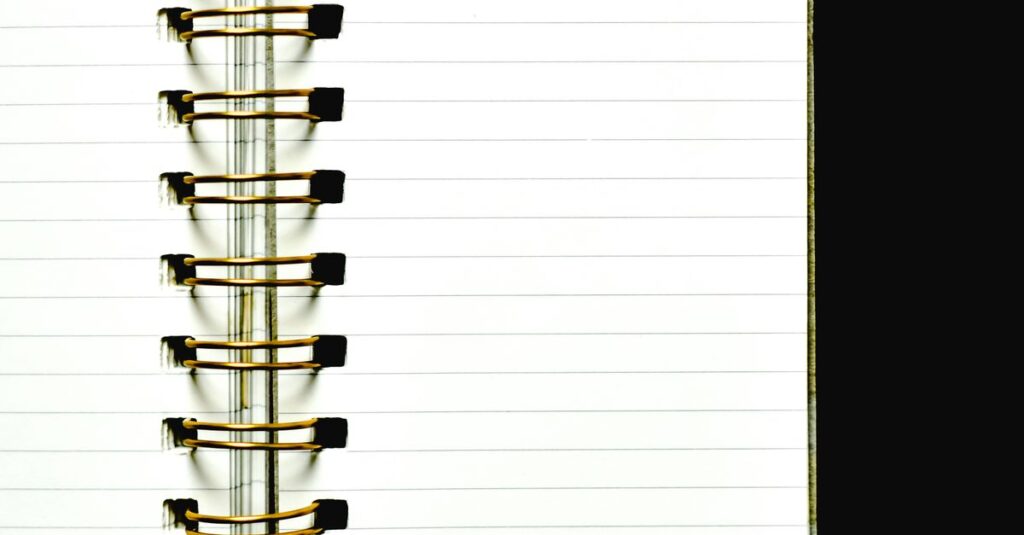
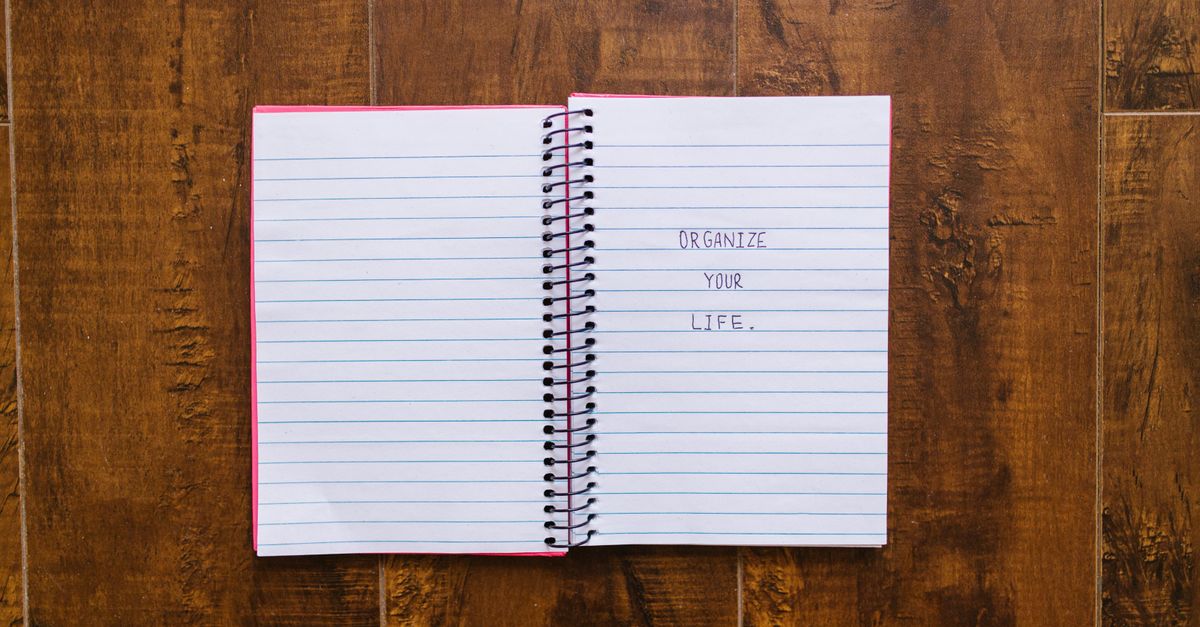
Let's start with something obvious. Ruled paper is just paper printed with horizontal lines. That's it. You've used it your whole life. School notebooks, office pads, diaries. Lines on a page.
But here's what most people don't think about: those lines have rules. Distance between lines. Line thickness. Margin width. And the difference between getting it right and getting it wrong? It changes how people write. Not just how it looks.
I've spent the last 15 years around notebook manufacturing. Seen thousands of reams of paper go through the press. And I still find myself surprised by how much ruled paper matters to different people. Students need wider spacing. Accountants need narrow lines. Some people can't stand having a margin. Others need it exactly 1.25 inches.
If you're buying notebooks in bulk for a school, a corporate office, or distribution — you need to know the difference. Not just what looks nice on a shelf. But what actually works. Sri Rama Notebooks has some thoughts on this.
Common Ruling Types You'll Find
Walk into any stationery shop and you'll see notebooks with different ruling. But most people don't know what the abbreviations mean. Here's a breakdown.
Single Ruled (SR)
Standard line spacing. One horizontal line after another. The most common type of ruled paper in the world. Used in school notebooks, office pads, diaries. Nothing fancy. Gets the job done. Most bulk buyers order this by default.
Double Ruled (DR)
Two lines close together, then a gap. Then two more. Helps kids write lowercase letters properly. The tall letters go up to the top line, short letters sit between the two. It's surprisingly effective.
Four Ruled (FR)
Four lines. Used in early primary school. Teaches letter formation for both uppercase and lowercase. Annoying to print. But necessary.
Broad Ruled (BR)
Wider spacing. Usually for younger children or people who write large. Think of it as the relaxed version of single ruled.
Cross Ruled (CR)
Horizontal and vertical lines. Grid pattern. Engineers, architects, and people who like drawing tables love this. Also called graph paper in some places.
Quick reference:
- SR (Single Ruled) — Standard, everyday use
- DR (Double Ruled) — Handwriting practice for kids
- FR (Four Ruled) — Early primary school, letter formation
- BR (Broad Ruled) — Wide spacing, young children
- CR (Cross Ruled) — Grid pattern for drawing and charts
- UR (Unruled) — Blank paper, no lines at all
- OSR (One Side Ruled) — Lines on one side only, blank on reverse
Which one should you order? Depends entirely on who's using it. I'll get to that later.
Size Matters More Than You Think
A notebook isn't just about the ruling. The paper size changes everything. Same ruling type, different size — completely different writing experience.
Here's a comparison table for the most common sizes we manufacture at Sri Rama Notebooks.
| Size | Dimensions (cm) | Best For | Typical Pages |
|---|---|---|---|
| King Size | 23.6 x 17.3 | School notebooks, general writing | 52 – 240 |
| Long | 27.2 x 17.1 | College notes, office use | 52 – 320 |
| Short | 19.5 x 15.5 | Kids, pocket notebooks | 52 – 120 |
| Account Book | 33.9 x 21.0 | Accounting, ledgers | 200 – 700 |
| A4 | 29.7 x 21.0 | Corporate, professional | 52 – 320 |
| A5 | 21.0 x 14.8 | Diaries, personal notes | 52 – 240 |
Why does size matter? Because a Long notebook with broad ruled paper looks ridiculous. The lines are too far apart for the page size. You end up with five lines per page and a lot of wasted space.
Paper Quality and Ruling: The Unspoken Relationship
Here's something nobody tells you. The quality of ruled paper is not just about the paper. It's about how the ruling interacts with the paper.
I remember a batch we did years ago. Good quality 54 GSM paper. But the ruling ink bled through on one side. Not because the paper was bad. Because the machine pressure was slightly off. The lines looked perfect on the surface. But on the other side? You could see every line faintly. The client noticed. They weren't happy.
That's the kind of thing you don't think about when you're ordering ruled paper. But it matters. A lot.
Expert Insight
I was talking to our production supervisor last month. He's been running the ruling machines since the 90s. He told me something I hadn't thought about. The ink used for the lines — it's different now than it was twenty years ago. The old ink would soak into the paper more. Gave the lines a softer look. Newer inks sit on top. Sharper lines. But they reflect light differently. Makes the page feel brighter. He said some older customers can tell the difference by touch. I don't know if I believe that entirely. But he believes it. And he's been doing this since I was in school.
Real People, Real Use Cases
Let me tell you about Sunita. She's 38. Works as a procurement officer for a chain of schools in Hyderabad. Every year she orders about 15,000 notebooks for the new academic year.
She called me last April. Frustrated. The batch she got the previous year had ruled paper with inconsistent line spacing. Some notebooks were fine. Others had lines that drifted closer together halfway down the page. The teachers complained. Parents complained. She spent two months dealing with complaints.
She switched to us for the next order. Not because our prices were lower — they weren't. Because she couldn't afford another year of complaints.
That's the reality of buying notebooks in volume. The difference between a good experience and a disaster is consistency. Not flashy features. Not glossy covers. Just consistent ruled paper that doesn't change halfway through the stack.
What to Look for When Buying Ruled Paper in Bulk
If you're a procurement manager or a distributor, here's what I'd check before placing a large order.
- Line consistency across the run. Pick notebooks from different parts of the batch. Compare line spacing. Should be identical.
- Margin alignment. The red margin line should be straight. Not wavy. Not drifting. Straight.
- Paper GSM. Standard is around 54 GSM. Lower GSM and the ruling might bleed through. Higher GSM costs more but handles ink better.
- Binding position relative to lines. Sounds minor. But if the binding cuts through the ruled area, writers can't write near the spine. Huge annoyance.
- Ink smell. Some ruling inks have a chemical smell that takes weeks to fade. Cheap inks. Avoid them.
Most manufacturers won't tell you these things. They want you to focus on price and delivery time. But I'll be honest — the price difference between good ruling and bad ruling is negligible. The headache difference is enormous.
The Whole Ruled vs Unruled Debate
Earlier I mentioned unruled paper. Someone always asks why we still make ruled paper when digital is everywhere. Fair question.
The answer is simpler than you think. People write better with guides. Straight lines. Consistent spacing. Something about the human hand and eye — we need boundaries to organize our thoughts. Free-form blank pages are liberating for some people. For most? They're anxiety-inducing.
I know a teacher in Vizag who insists on single ruled notebooks for her 8th grade class. Even for drawing diagrams. She says kids get lost on blank pages. The lines keep them grounded. That's from someone who works with teenagers every day. I'll take her word over any educational study.
So no, ruled paper is not going anywhere. At least not in my lifetime. And definitely not in the lifetime of the notebook manufacturing business.
Frequently Asked Questions
What is the difference between single ruled and double ruled paper?
Single ruled has one horizontal line after another. Double ruled has two lines close together with a gap. Double ruled helps kids practice lowercase letter formation. Single ruled is for general writing.
What GSM paper is best for ruled notebooks?
54 GSM is the standard for school notebooks. It handles pencil and pen well without the ruling bleeding through. For corporate diaries or premium products, 60-70 GSM gives a better writing experience.
Can I order notebooks with custom ruling spacing?
Yes. Many manufacturers offer custom ruling spacing for bulk orders. You specify the distance between lines and margin width. This is common for schools, corporate diaries, and specialized notebooks.
Why do some ruled notebooks have red margins?
The red margin line is traditional. It marks the writing boundary on the left side. Not strictly necessary, but students are taught not to write beyond it. Some buyers prefer plain margins for a cleaner look.
How many ruled lines fit on an A4 page?
Standard single ruled paper on A4 size has about 32 to 36 lines per page. It depends on line spacing. Narrow ruled fits more lines. Broad ruled fits fewer. Always test a sample before bulk ordering.
So here's where I land on all of this. Ruled paper is not complicated. Lines on a page. But the difference between good lines and bad lines is real. Between consistent spacing and drifting lines. Between ink that stays and ink that bleeds.
If you're ordering in bulk and this stuff keeps you up at night — you're not alone. Most people don't think about it until something goes wrong. But the ones who do think about it? They sleep better. And their customers complain less.
I don't have a neat answer. Probably never will. But if you want to talk about ruled paper — really talk about it — Sri Rama Notebooks picks up the phone. We've been doing this since 1985. We're not going anywhere.