Let’s be honest: nobody gets excited about ordering notebooks. No procurement manager wakes up thinking, “I can’t wait to spec out 10,000 units of 52-page, single-ruled, short-sized books today.” It’s paperwork. It’s a line item. It’s the stuff you order so everyone else can do the actual work. And that’s exactly why most people get it wrong.
You just need the books. But then the quote arrives and it’s a soup of acronyms. GSM. SR vs DR. Perfect binding? Spiral? You’re not a stationery expert — you just need functional notebooks delivered on time and on budget. The gap between what you need and the language suppliers use to describe it is where mistakes — the expensive kind — happen. If you’ve ever had a school principal complain that the ink smudges, or a department head say the pages tear too easily, you know what I mean. It all comes down to the paper print.
Right. Let’s just get into it. If you’re responsible for ordering in bulk, this is the unglamorous, practical stuff you need to know.
Paper Print 101: More Than Just a Sheet
Okay, first thing. When we say “paper print,” we’re not just talking about putting ink on a surface. In our world — notebook manufacturing — it’s the complete recipe. It’s the physical paper (substrate), the weight and feel of it (GSM), the lines or grids printed on it (ruling), and how that ink behaves on that specific paper. It’s a system. And if one part is off, the whole thing feels cheap.
Think about a standard school notebook. The paper’s around 54 GSM. That’s the sweet spot — thick enough that a ballpoint pen won’t bleed through to the other side, but thin enough to keep the book from being a brick and the cost from soaring. Go to 70 GSM and you’ve got a premium diary. Drop to 45 GSM and you’ve got a flimsy scribble pad that’ll rip if a kid erases too hard.
The ruling — SR, DR, Four Ruled — that’s a print job. It’s not just lines; it’s consistent, straight, light-grey lines that don’t fight with the user’s handwriting. The ink needs to be just visible enough. It’s a background actor. If it’s too dark, the page looks cluttered. Too light, and it’s useless. Getting that balance right is the difference between a notebook that works and one that gets complained about.
The Real-Life Moment
I was talking to a procurement guy from a college in Hyderabad last month — over a terrible airport coffee, actually — and he told me about their “notebook rebellion.” They’d switched suppliers to save 8% per unit. The new books looked identical. But the students hated them. The paper felt waxy, pencils skipped, and the blue ruling lines were this weird electric shade that gave you a headache. The savings? Wiped out by the logistics of dealing with the complaints and the fact that half the books sat unused. He said, “We bought paper. We didn’t buy a writing experience.” He’s not wrong.
That’s the core of it. You’re not buying commodities. You’re buying tools.
GSM, Ruling, Binding: The Trifecta of Your Order
Let’s break down the three big decisions. This is where you need to focus. Not on the color of the cover first — that comes later. This is the anatomy.
- GSM (Grams per Square Meter): The paper weight. Don’t overthink it. 54-60 GSM is your workhorse for everyday writing. 70+ GSM is for premium corporate diaries or art books. Below 50 GSM is for throwaway memo pads. The trick? Ask for a sample and write on it. Use the pen your people actually use. Does it bleed? Does it feather? That’s your answer.
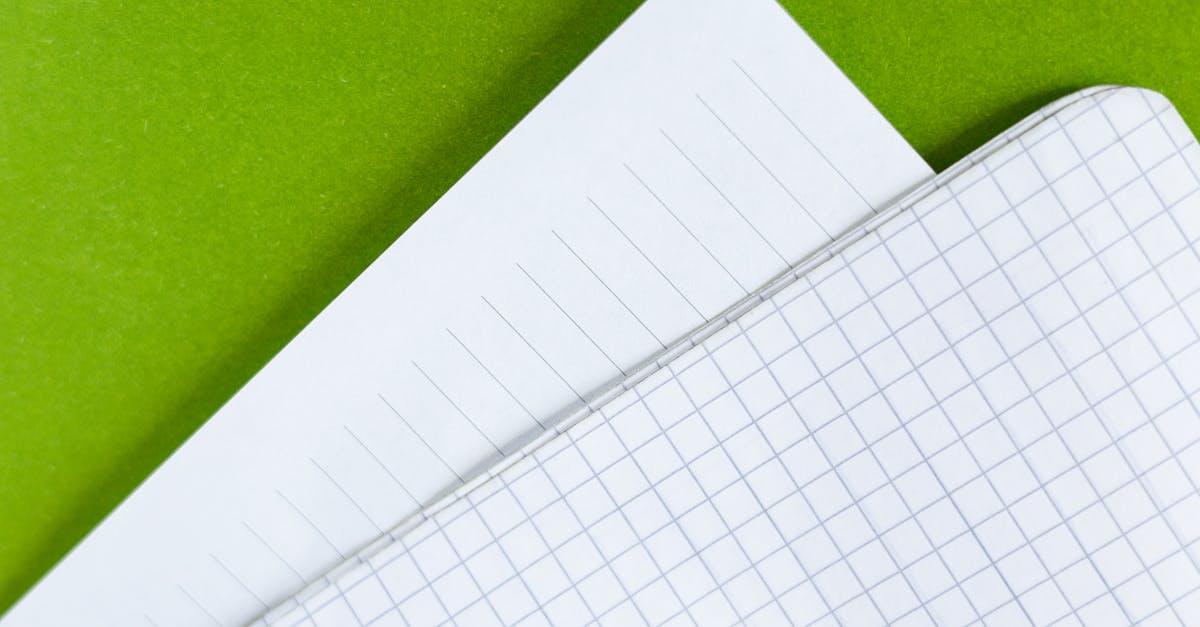
- Ruling (The Print Pattern): This is the functional print. SR (Single Ruled) for essays, notes. DR (Double Ruled) for younger kids learning letter spacing. Four Ruled for those specific handwriting practices. Graph or Cross-Ruled for math, diagrams, engineers. Unruled for sketches or freeform. Match the ruling to the task, not to what’s cheapest in the catalog.
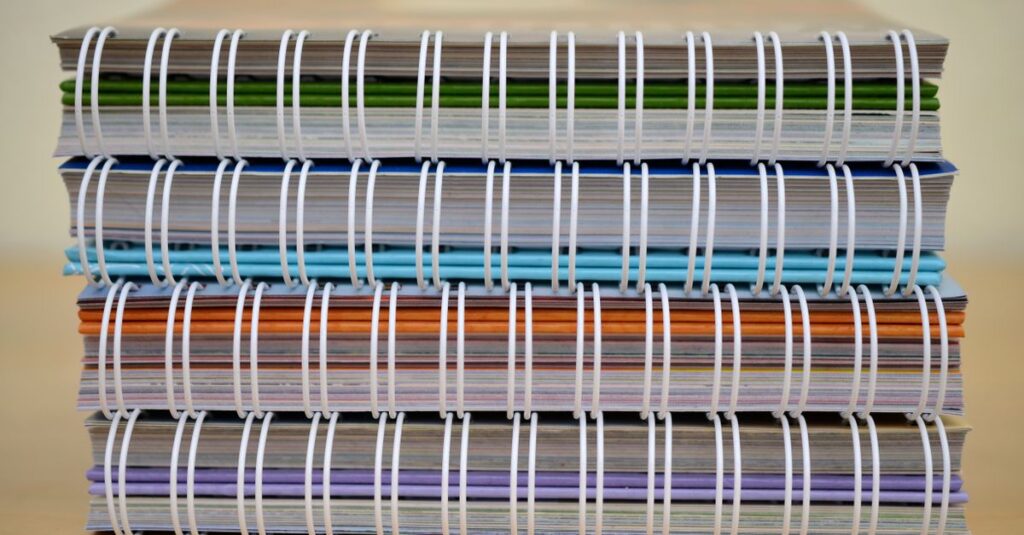
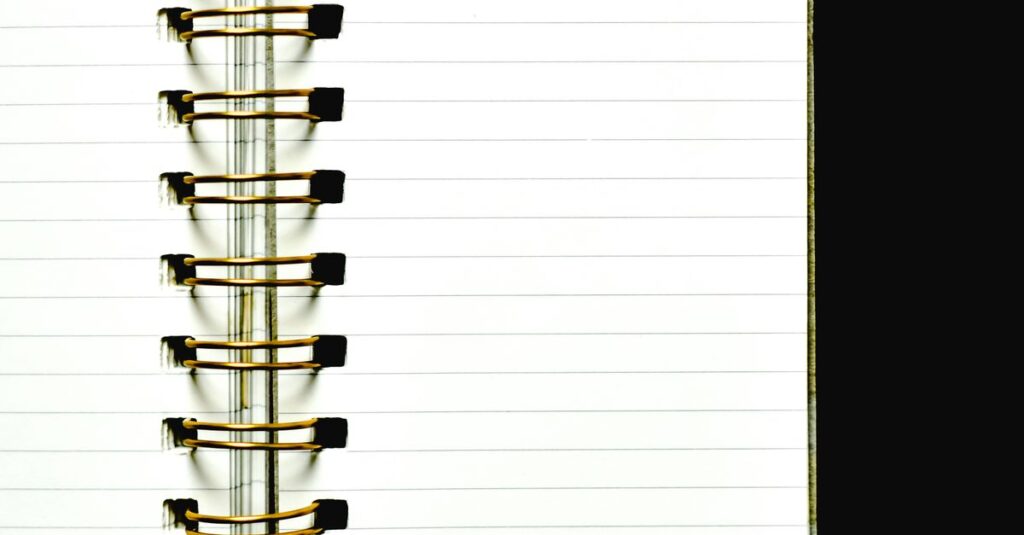
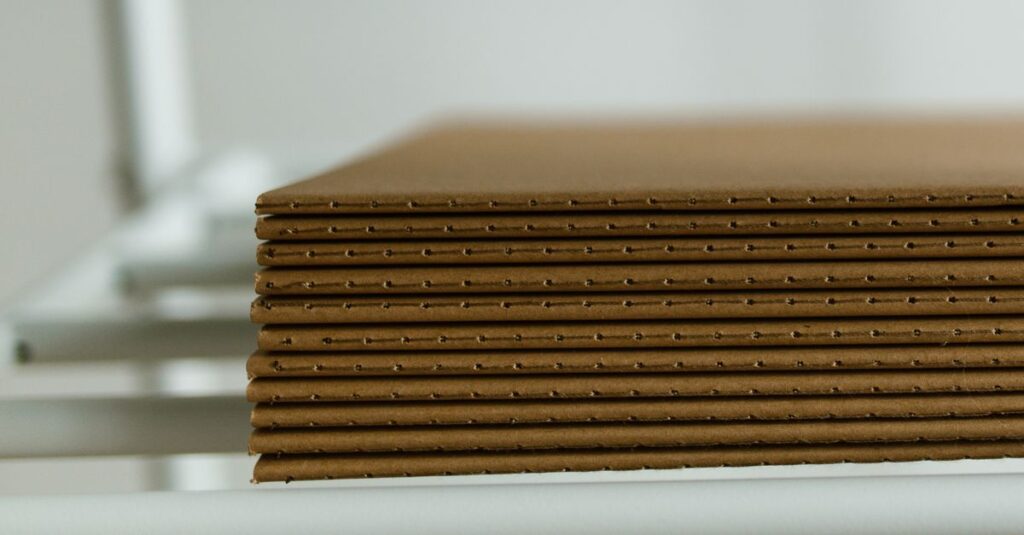
- Binding (How It Holds Together): This dictates lifespan and use. Stitched binding is classic, lies flat-ish, durable. Spiral binding (wire-o) — lies completely flat, pages can turn 360 degrees, but the spiral can snag and bend. Perfect binding (glued spine, like a paperback) — looks clean and professional for corporate gifts, but doesn’t lie flat for writing. Choose based on how the book will be abused.
I think most buyers prioritize in this order: Price -> Cover Design -> Everything Else. Flip that. Start with GSM and ruling based on use. Then pick the binding. Then talk price and cover. It changes the entire conversation with your supplier because it shows you know what you’re talking about.
Custom Paper Print: When Your Brand Goes on the Page
Here’s where it gets interesting — and where a lot of companies mess up their corporate merchandise. Custom printing isn’t just slapping a logo on the cover. The real brand integration happens inside.
We had a tech startup once that wanted notebooks for a big conference. They had a cool, minimalist brand. We suggested printing their subtle geometric pattern as a watermark on every page, in a faint grey. The cover was just their logo. But when you opened it? The whole thing felt immersive, premium, and completely them. It wasn’t a notebook; it was a branded artifact. The cost-per-page-print went up a bit, but the perceived value went through the roof.
Other ideas I’ve seen work: Printing custom headers or footers on each page (“© 2024 [Company Name] – Confidential”). Creating a unique page layout that matches their internal forms. Even something as simple as using a Pantone color for the ruling lines that matches their brand palette. It’s subtle, but it screams attention to detail.
The goal is to make the notebook indispensable. If the custom print inside makes it a better tool for their team (pre-printed project headers, labeled columns for accounts), it gets used. If it’s just a logo on a generic book, it gets handed out and left in a drawer. The print job dictates which one it’ll be.
Expert Insight
I was reading an interview with a packaging designer a while back, and one line stuck with me. She said, “The unboxing experience starts long before the box. It starts in the spec sheet.” I keep applying that to our world. The writing experience in your notebook doesn’t start when the user opens it. It started when you, the buyer, chose the 54 GSM paper over the 48, the matte-finish print over the glossy. You are designing that experience with every technical decision you lock down. You just might not know it. That’s the part I wish more procurement teams understood. They’re not clerks; they’re UX designers for physical tools.
Stitched vs. Spiral vs. Perfect: A No-BS Comparison
Let’s make this dead simple. Here’s what you’re actually choosing between.
| Feature | Stitched Binding | Spiral Binding | Perfect Binding |
|---|---|---|---|
| Best For | Standard school notebooks, general office use, cost-effective bulk | Art books, manuals, cookbooks, anything needing to lie perfectly flat | Corporate diaries, annual reports, premium giveaway items |
| Lies Flat? | Reasonably well, but not at the spine | Yes, completely. Pages rotate 360° | No. You have to crack the spine, and it’s never great for writing. |
| Durability | High. Threads hold signatures together tightly. Can take a beating. | Medium. The metal/plastic coil is the weak point and can bend/de-snap. | Medium-Low. Glue can dry out/crack. Pages can detach with heavy use. |
| Page Count Flexibility | High. Easy to do from 52 to 200+ pages in sections. | Very High. Almost any page count is possible. | Limited. Needs a certain spine thickness for glue to work. Not ideal for thin books. |
| Cost Implication | Usually the most economical for bulk, standard orders. | Slightly higher due to manual coil insertion. Not huge, but it adds up. | Can be higher for short runs; cost-effective for large runs of identical books. |
The choice isn’t about what looks cool. It’s about how the book will live. In a student’s backpack getting crushed? Stitched. On a chef’s messy kitchen counter? Spiral, so it stays open. On an executive’s desk for meeting notes? Perfect bound, for that clean look. Match the binding to the battleground.
Figuring out which combination is right is 90% of the battle won.
The Hidden Costs of Cheap Paper Print
Let’s talk about the elephant in the room: price pressure. Of course it matters. But with paper print, cheap almost always has a hidden tax.
Lower GSM paper (to save cost) means more show-through. You can see the writing from the other side of the page. It’s distracting and feels unprofessional. It also jams more easily in printers if you’re doing pre-printed inserts.
Cutting corners on ink quality for the ruling? The lines might be inconsistent or have a weird sheen. Or worse, the ink can have a slight odor. I’ve seen it. It’s not common, but when you’re buying 50,000 units, a bad ink batch is a catastrophe.
And my least favorite: misleading page counts. A “200-page” notebook should have 200 leaves (400 writing sides). Some suppliers count sides, so their “200-page” book is actually 100 leaves. It’s a classic, scummy trick. Always confirm: are you quoting in leaves or pages? We always mean leaves. Because that’s what the user counts when they open it.
The real cost isn’t the unit price. It’s the reputation cost. If you supply a school with sub-par books that fall apart in a month, you’ve lost that contract for years. Possibly for good. The math on that is painfully simple.
FAQs on Paper Print for Bulk Buyers
What does GSM mean, and how do I choose the right one?
GSM stands for Grams per Square Meter. It’s just a measure of paper thickness. For everyday writing in schools or offices, 54-60 GSM is the sweet spot—durable without being bulky. For budget memo pads, 45-50. For premium diaries or books that’ll take markers, go 70+ GSM. Don’t guess—ask for paper samples and test them with the actual pens you use.
What’s the difference between single-ruled (SR) and double-ruled (DR) paper print?
It’s about the spacing. Single Ruled (SR) has one line guiding your writing—standard for most notes. Double Ruled (DR) has two close-together lines, creating a channel. It’s primarily for young students learning letter height and proportion. DR books are almost exclusively for early primary grades. If in doubt for a general audience, SR is the safe, universal bet.
Can I print custom logos or designs on the inside pages of the notebook?
Absolutely, and it’s a great way to elevate corporate gifts. We can print watermarks, headers, footers, or custom layouts on every page. The only thing to watch is cost—it adds a printing step. But for branding impact, moving your logo from just the cover to every page makes the item feel uniquely yours, not just a stamped commodity.
How do I ensure the printed ruling or text won’t smudge or fade?
This comes down to ink quality and drying technique. In offset printing (which we use for bulk ruling), the ink is essentially baked onto the paper, making it extremely smudge-resistant. Always ask your supplier what printing method they use for the interior pages. Avoid suppliers who use low-quality, fast-drying inks that can feel tacky or fade to a dull brown over time.
What’s the minimum order quantity for custom paper print specifications?
It varies wildly. For a fully custom interior (like a unique page layout), you’re looking at around 500-1000 units minimum, as it requires plate setup. For just changing standard specs (like swapping SR for DR on an existing notebook style), MOQs can be much lower—sometimes just a box or two. The key is to have a clear conversation with your manufacturer about exactly what you want to change.
Wrapping This Up
Look, ordering paper print products in bulk isn’t brain surgery. But it is a series of specific, technical choices that have real-world consequences. The goal isn’t to make you a paper scientist. It’s to give you the language and the confidence to get what you actually need, not just what’s offered.
Forget the glossy cover for a second. Think about the hand that will write in it. The bag it will be thrown into. The desk it will sit on. Your choices on GSM, ruling, and binding should be a direct response to that life. When you start there, the quote stops being a list of confusing specs and starts being a blueprint for a tool that will actually work.
I don’t think there’s one perfect answer for everyone. Probably there isn’t. But if you’ve read this far, you’re not just looking for a box of notebooks—you’re looking for the right ones. The hard part is over; the conversation is the easy bit.