

Right. Let’s talk about “practical” notebooks.
You’ve probably got the word in your head — “practical.” It sounds straightforward. Like a notebook that just… works. Not fancy, just functional.
But here’s where it gets interesting, and where most corporate buyers and school procurement managers get tangled. They think “practical” means the cheapest thing on the list. It absolutely does not. A cheap notebook that falls apart after two weeks? That’s not practical. That’s a waste of money and a headache.
For the people ordering thousands of them — schools, businesses, government offices — practical has a very specific, almost boringly technical definition. It’s about the binding that doesn’t split when someone opens it flat. It’s about the paper that doesn’t bleed through when someone uses a ballpoint pen. It’s about the cover that survives a year in a student’s backpack or on a warehouse manager’s clipboard. That’s it.
If you’re trying to source notebooks that won’t get you complaints, understanding this difference is the first thing you need to get right.
The practical notebook isn’t a product. It’s a list of problems.
I was talking to a procurement manager for a chain of coaching institutes last week — over coffee, actually — and he said something I keep thinking about. He told me, “Our job isn’t to buy stationery. Our job is to avoid phone calls.”
He meant complaints. A “practical” notebook, in his world, is the one that causes zero noise. No calls about pages falling out. No emails about ink smudging. No teachers frustrated because the ruling is wrong for the subject. His entire definition of value is based on the absence of problems.
So let’s break down what that actually requires. A truly practical notebook for bulk orders needs to solve for:
- Durability First: It has to last its intended lifespan. A school notebook needs to last an academic year. A warehouse logbook needs to survive grease, dust, and being handled all day.
- Function-Specific Design: The ruling, the paper weight, the size — they all have to match the actual use. Graphing for engineers. Broad ruling for kids learning to write. Thick, unruled pages for artists.
- Cost-Effectiveness, Not Cheapness: This is the big one. The lowest price per unit is a trap. The real metric is cost per reliable page over time. A slightly more expensive, stitched-binding notebook that lasts is always cheaper than buying two flimsy ones.
The question isn’t whether you need a durable notebook. It’s whether you’re buying based on price tags or total cost of ownership.
A Real-Life Glimpse
Anita, 47, is the admin head for a network of 12 schools in Vijayawada. She orders roughly 80,000 notebooks every May. Her biggest fear isn’t the budget — it’s the delivery in July. She needs every single one of those notebooks to be identical, to have the school crest printed crisply, and to open flat on a desk so a 7-year-old isn’t fighting the binding while writing. Last year, a supplier messed up the glue in the binding. By September, she was fielding calls from annoyed parents. She hasn’t slept properly during procurement season since.
I don’t think that stress is uncommon.
Paper, Binding, Ruling: The Holy Trinity of Practicality
Okay. Let’s get into the weeds. This is the part nobody making a bulk order can afford to ignore. These three elements are where “practical” is built or broken.
Paper Weight (GSM): This is where you feel the quality immediately. Standard notebook paper is around 54-70 GSM. Lower than 50 GSM, and you get that frustrating see-through effect — ghosting. For a practical notebook, especially for students or anyone using both sides of the page, you need paper that’s opaque enough to prevent that. It’s a simple test. Draw a dark line on one side and hold it up to the light.
Binding Technology: This is the spine of the operation. Literally.
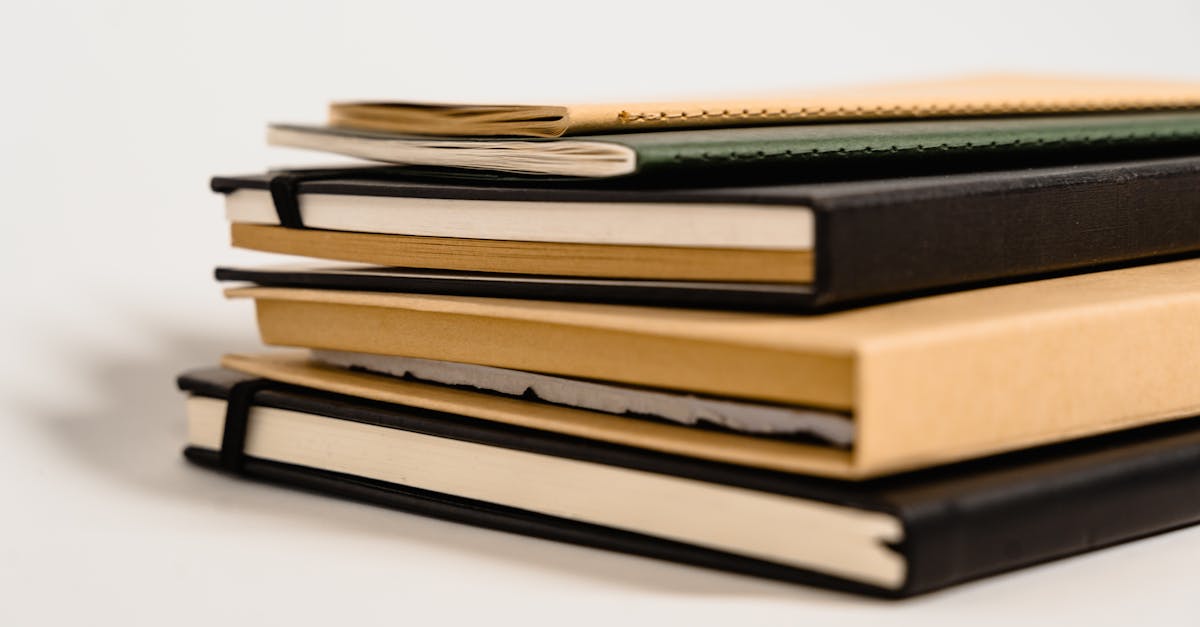
- Stitched Binding: Threads hold the pages together. This is the gold standard for durability. The notebook will open flat and the pages won’t fall out. It’s what we use for most of our school and corporate orders because it’s built to last.
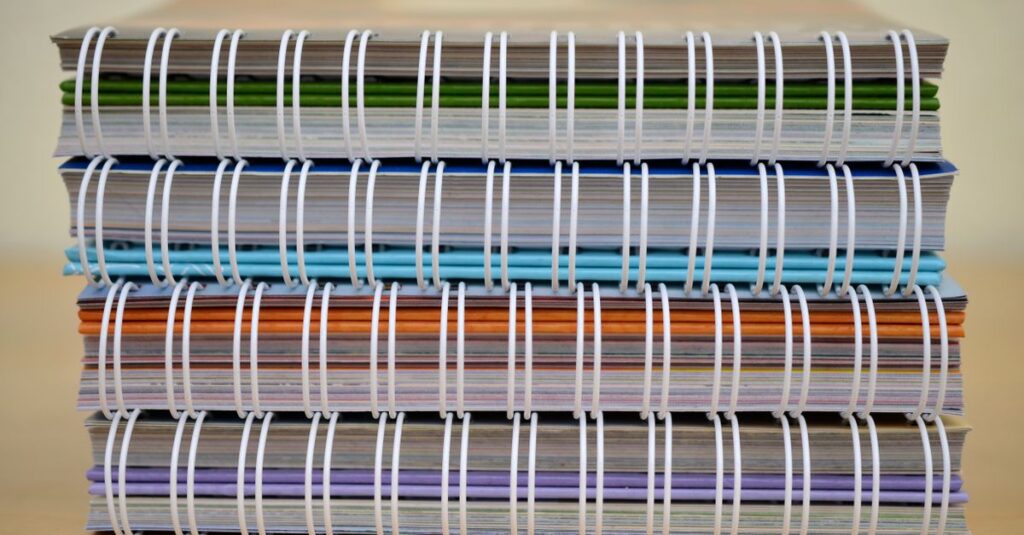
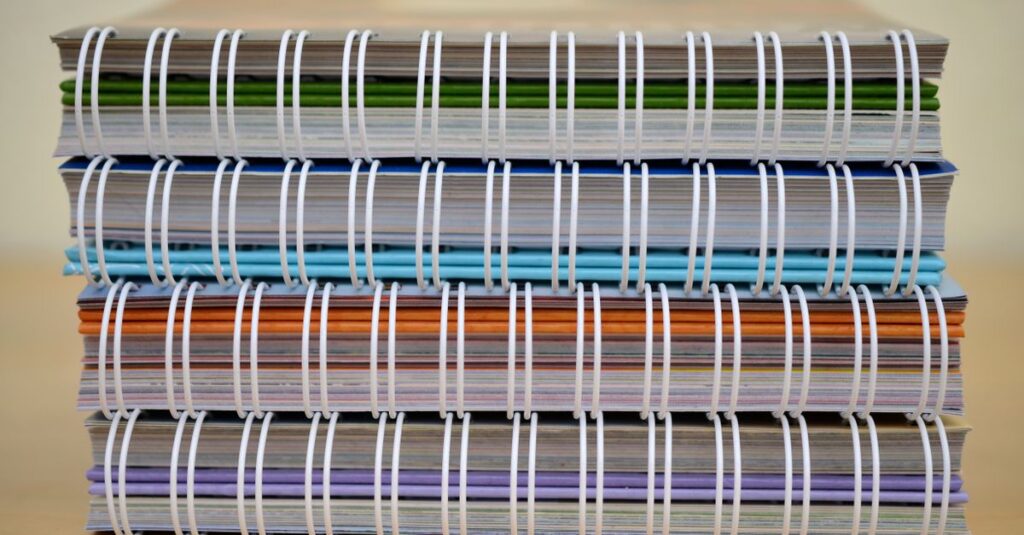
- Spiral Binding: Great for laying completely flat, but the spiral can get bent out of shape in a bag. Very practical for specific uses like art pads or technical notebooks that need to fold back on themselves.
- Perfect Binding (Glued): Common in cheaper notebooks. The risk? If the glue is poor quality or the alignment is off, chunks of pages can detach. It’s a gamble.
Ruling Type: This isn’t an aesthetic choice. It’s a tool choice. Single-ruled for general notes. Four-ruled (like handwriting guides) for early learners. Cross-ruled (graph) for math, accounting, or engineering. Putting the wrong ruling in someone’s hands makes their job harder. That’s the opposite of practical.
Earlier I said binding was the most important. That’s not quite fair — it’s more that poor binding fails the most catastrophically. But bad paper or wrong ruling makes the notebook useless every single day.
Customization: The Practical Superpower
Most people think custom printing is just about slapping a logo on the cover for brand visibility. And sure, that’s part of it. But for a business or institution, customization is the ultimate practicality hack.
Think about internal process control. A manufacturing unit needs checklists printed right into the notebook for quality audits. A sales team needs customer profile templates pre-printed on the pages. A school needs its name, student’s class, and the subject right there on the cover to keep things organized.
When you get notebooks custom-made, you’re not buying a generic product anymore. You’re buying a tool engineered for a specific task within your organization. That eliminates waste (no more people using the wrong book), reduces training time (the format is built-in), and streamlines operations.
It turns a passive commodity into an active part of your workflow. Which is… a lot more powerful than just giving someone something to write on.
Bulk Notebooks: Standard vs. Practical (A Side-by-Side Look)
Let’s make this visual. When you’re evaluating suppliers, you’re often comparing quotes that look similar but are for completely different things. This table shows why.
| Feature | The Standard “Cheap” Bulk Notebook | The Truly Practical Bulk Notebook |
|---|---|---|
| Primary Goal | Lowest unit cost | Lowest total cost of ownership (fewer replacements, zero complaints) |
| Binding | Often glue-only (perfect binding), can be fragile | Stitched or reinforced binding, lies flat, pages secure |
| Paper Quality | Lower GSM (below 50), prone to ghosting/bleed-through | 54-70 GSM, opacity tested, smooth writing surface |
| Cover | Thin, flimsy card, prone to dog-earing and damage | Laminated or thicker card stock, resistant to daily wear |
| Customization | Basic stamping, poor color registration | Precise offset printing, custom rulings/layouts, brand integrity |
| Long-Term Outcome | High replacement rate, user frustration, hidden costs | Lasts intended lifecycle, supports the user’s task, professional feel |
The right column isn’t about luxury. It’s about not having to think about the notebook again after you’ve bought it.
Expert Insight
I was reading an old industry report a while back — one of those dry, technical ones — and a line about procurement stuck with me. It said something like: “The amateur buyer sees a notebook. The professional buyer sees a chain of dependency.” I don’t have a cleaner way to put it than that. A teacher depends on that notebook to conduct a lesson. An accountant depends on it to keep accurate records. A student depends on it to hold a year’s worth of learning. Your choice as a buyer either supports that chain or breaks it. Probably the biggest reason companies come back to a manufacturer like us isn’t price. It’s because we understand that chain. The binding needs to hold, the paper needs to perform, every single time. It’s boring until it’s not, and then it’s a crisis.
The Real Cost of Getting It Wrong
Look, I’ll be direct. Choosing the wrong notebook supplier to save a few rupees per unit is a classic false economy. The hidden costs are brutal.
First, there’s the administrative hell of dealing with complaints and arranging replacements. That’s hours of labor, wasted. Then there’s the brand damage — for a corporate client, giving a flimsy diary to a valuable partner sends a terrible message. For a school, sending home a disintegrating notebook tells parents you don’t care about quality.
But the worst cost is the human one: the frustration of the end-user. The employee who can’t find their notes because pages fell out. The student whose hard work is ruined by ink bleed. You’re not just supplying stationery; you’re supplying a tool for people to do their jobs or their learning. A bad tool makes everything harder.
Nine times out of ten, when a business comes to us after a bad experience elsewhere, their main demand isn’t “cheaper.” It’s “make sure this never happens again.” And honestly? That makes complete sense.
Frequently Asked Questions
What is the most practical notebook binding for heavy daily use?
For notebooks that will be opened and closed constantly, carried around, and need to lie flat (like school books or field logbooks), stitched binding is the most practical choice. The threads lock the pages in place far more securely than glue alone, giving you durability that lasts the entire lifecycle of the book.
How does paper GSM affect a notebook’s practicality?
GSM (grams per square meter) is basically paper thickness. Low GSM (under 50) is thin and often see-through, making writing on both sides messy. For a practical notebook meant for everyday writing, aim for 54-70 GSM. It’s opaque, prevents ink bleed, and feels substantial, making the writing experience smoother and more professional.
Can I get custom rulings inside a practical notebook?
Absolutely. In fact, that’s a key part of making a notebook truly practical for specialized tasks. Whether you need cross-ruled (graph) paper for engineers, four-ruled guides for young students, or even custom formatted pages for business processes, a good manufacturer can print those directly into the notebook. This turns a generic pad into a purpose-built tool.
What should I look for in a bulk notebook supplier?
Don’t just look at the price sheet. Ask about their binding method, paper sourcing, and quality control process. Can they show you samples? Do they understand the difference between a notebook for a corporate boardroom and one for a primary school classroom? A reliable supplier will ask you about use case first, not just quantity.
Is spiral binding practical for corporate diaries?
It depends on the context. Spiral binding is fantastic for laying completely flat, great for notetaking in meetings. However, the metal coil can be less professional-looking for executive gifts and is more prone to damage in a briefcase. For formal corporate diaries, a stitched or perfectly bound leather-style cover is often the more practical choice for image and durability.
Wrapping this up
So, a practical notebook. It’s not a mystery. It’s the one you don’t have to think about. It’s defined by its silent, reliable performance under the conditions you need it for.
For anyone responsible for buying them in volume, the shift is simple but critical: stop buying a price. Start buying a solution to a very specific set of human needs — durability for the user, organization for the task, and cost-effectiveness for your budget over the long haul.
I don’t think there’s one perfect notebook for every situation. Probably there isn’t. But if you’ve read this far, you already know the problems you’re trying to avoid. You’re just figuring out which supplier understands that distinction as deeply as you do. The conversation usually starts with a sample, not a quote.