You Ordered Diaries Before. They Ended Up in a Drawer.
Look, I’ll be direct. You’ve probably bought corporate diaries for your team. Maybe as New Year gifts. Probably with the company logo stamped on the front. And you know exactly what happened. They got handed out, a few people smiled politely, and three months later you saw them stacked in a supply closet, untouched. I’ve been making notebooks and diaries for 40 years. I’ve seen this cycle a thousand times.
That drawer. That’s the problem.
When people search for a personalized diary, they aren’t just looking for a branded notebook. They’re looking for the opposite of that drawer. They want something a person will actually use, keep, and maybe even look forward to opening. The gap between a standard logo diary and a truly personalized one is the difference between a waste of budget and a genuine tool. If you’re tired of the drawer, this might be the angle you need.
So What Is a Personalized Diary, Really? (Hint: It’s Not Just a Logo)
Most people think personalization means slapping a logo on a generic cover. That’s customization. It’s a start, but it’s the bare minimum. A truly personalized diary is built from the inside out for a specific person, team, or purpose. It’s not about what you want to put on it. It’s about what the user needs to get out of it.
Think about it this way. A sales team needs a weekly planner with big blocks for client notes and a travel expenses log. An engineering team needs graph paper, project timelines, and space for sketches. A school principal needs an academic year calendar, parent meeting logs, and to-do lists that match the term schedule. Giving an engineer a sales diary is like giving them a shoe two sizes too small — they’ll never use it comfortably.
The real shift happens when you stop asking \”What’s our logo look like on this?\” and start asking \”What does our team actually do every Monday morning?\” That’s the question that gets you out of the drawer.
A Real-Life Micro-Story
I was talking to a procurement manager last year — Priya, 42, from a tech firm in Hyderabad. She ordered 200 diaries for the whole company. Standard logo, nice paper. A month later, she walked through the design department. She saw maybe three people using them. The rest? On shelves. She asked one designer why. He showed her his own, battered sketchbook. \”This one has the right paper for my pens,\” he said. \”And it lies flat. Yours doesn’t.\” That’s it. One small, functional detail. That conversation changed how she ordered the next batch.
Types of Personalized Diaries (And Who Actually Uses Them)
Okay, so if it’s not just a logo, what is it? Here’s a breakdown of what personalization can actually mean in the real world. These are the things that make a diary stick.
- Cover & Branding: Yes, the logo. But also the person’s name, department, employee ID. It creates ownership. It says \”This is yours.\”
- Internal Page Layout: This is the big one. Ruled, unruled, dotted, graph? Daily, weekly, or monthly planners? Does it include specific sections like budgets, project trackers, or meeting notes?
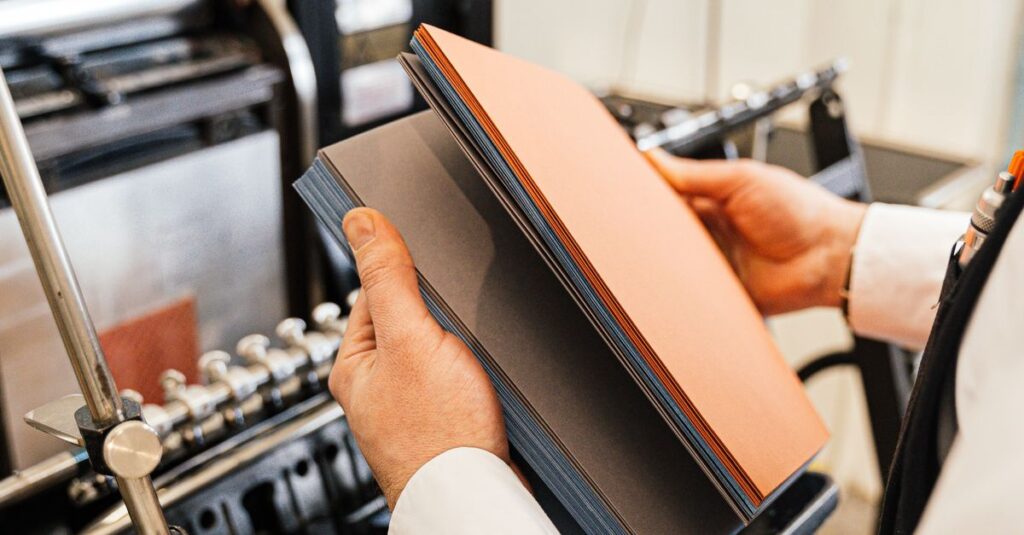
- Paper Quality & Weight: A 54 GSM paper is fine for ballpoint pens. But if your team uses fountain pens or markers, they need thicker, 70-80 GSM paper that won’t bleed. This seems minor until you see the frustration on someone’s face.
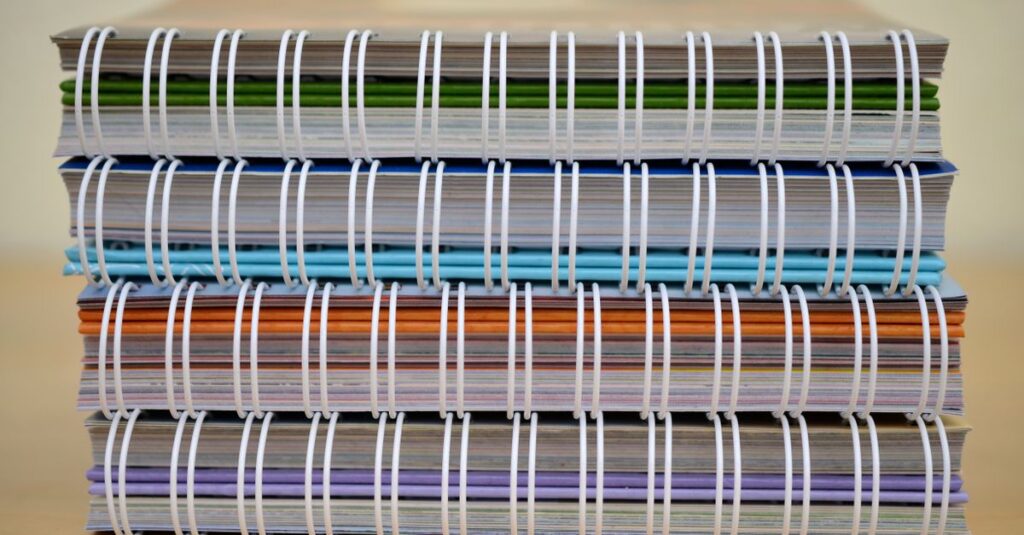
- Binding & Function: Will it be on a desk (perfect binding) or carried around (spiral bound so it lies flat)? Stitched binding is durable but won’t open 360 degrees.
- Size & Format: King size for detailed planners, A5 for portability, pocket-sized for quick notes. It dictates where the diary lives.
Most people I’ve spoken to in procurement start with the cover. That’s backwards. Start with the paper and the binding. Because if writing in it is annoying, nothing else matters. The cover just becomes a pretty face on a useless tool.
The Business Case: Why Bother With This Level of Detail?
It seems like a lot of work, right? Ordering generic is faster and cheaper. Here’s the thing — it’s only cheaper on the initial invoice. The real cost is in the wasted budget and the missed opportunity.
A well-personalized diary stops being a stationery item and becomes a productivity tool. It’s part of the workflow. When you give someone a tool that fits their actual hand, they use it. They rely on it. That company logo isn’t sitting in a drawer; it’s on their desk in every meeting, going home with them, being seen by clients. The branding exposure is infinitely higher.
I think — and I could be wrong — that most corporate gift budgets are spent on creating a momentary feeling. A personalized diary, done right, creates a lasting utility. It’s a gift that says \”We thought about how you work,\” not just \”Here’s a thing with our name on it.\” The difference in perception is enormous. If you want your team to feel valued, give them tools, not trinkets. The trick is finding a manufacturer who gets this difference.
Comparison: Generic Corporate Diary vs. Truly Personalized Diary
| Aspect | Generic Corporate Diary | Truly Personalized Diary |
|---|---|---|
| Primary Goal | Brand visibility, checking a \”gift\” box. | Employee utility & integrated workflow tool. |
| Design Focus | Company logo prominence on a standard cover. | Internal page layout, paper quality, and binding for specific use. |
| User Engagement | Low. Often discarded or unused. | High. Becomes a daily part of the user’s routine. |
| Cost Perception | Seen as a marketing expense. | Seen as a productivity or operational investment. |
| Longevity | Lasts a year (if used). Often replaced. | Used for its full lifecycle, often requested again. |
| Ordering Process | Quick. Choose cover color, add logo file. | Collaborative. Involves understanding departmental needs and workflows. |
How to Actually Order One (Without the Headache)
So you’re convinced. How do you do it without the process becoming a full-time job? You don’t need to be a stationery expert. You just need to ask the right questions and partner with someone who knows how to translate answers into a physical product.
First, talk to the people who will use it. Sample question: \”What’s the one thing you always need to write down that never fits in a standard diary?\” You’ll get real answers — project codes, client KPIs, sketch areas.
Second, find a manufacturer that offers true custom printing, not just logo stamping. This means they should ask you about paper GSM, ruling types, binding methods, and section templates. If their first question is \”Send us your logo,\” hang up. They’re thinking about the drawer.
Third, start small. Order a pilot batch for one department. Get feedback. Tweak the layout. Then scale. The goal isn’t perfection on the first try. The goal is a process that gets you closer to a tool people want to use.
Expert Insight
I was reading an old industry journal a while back — one of those boring trade magazines — and a line from a factory manager stuck with me. He said the most common mistake in bulk orders is assuming uniformity equals efficiency. That making 10,000 identical things is always cheaper than making 10 tailored things. But he argued that’s only true if the 10,000 identical things get used. If they don’t, the cost per useful unit is infinite. I don’t have a cleaner way to put it than that. The economics of manufacturing change completely when you factor in the user’s hand.
Common Pitfalls (And How to Dodge Them)
Let’s be honest. This can go wrong. I’ve seen it. Here are the classic mistakes, so you can avoid them.
- Prioritizing Look Over Feel: A gorgeous, embossed leather cover is worthless if the paper inside ghosts with every pen stroke. Feel comes first.
- Over-Designing: Too many sections, colors, and boxes can make a diary intimidating and cluttered. Clean and functional beats busy every time.
- Ignoring the Calendar: This sounds stupid, but it happens. If your fiscal year starts in April, don’t order diaries with a January-December calendar. It immediately feels irrelevant.
- Forgetting the Human Detail: Can it lie flat on a small desk? Is it too heavy to carry? Will the cover get scuffed in a bag? These are the daily frustrations that kill usage.
The biggest pitfall, though? Treating it as a purchase instead of a project. The good stuff happens in the conversations before the order is placed. Not after.
Frequently Asked Questions
What’s the minimum order quantity for a personalized diary?
It varies a lot by manufacturer. For true custom work (not just logo stamping), most serious factories need a minimum of 500-1000 units to make the setup for custom plates and paper cuts worthwhile. For smaller batches, ask about digital printing options — the per-unit cost is higher, but the setup is cheaper.
How long does it take to produce custom personalized diaries?
Longer than you think. Once the design is finalized, allow 4-6 weeks for production and shipping. The design and approval stage itself can take 2-3 weeks if you’re creating new internal layouts. Rush jobs are possible, but they limit your paper and binding options and cost significantly more.
Can you personalize diaries for different departments within one order?
Absolutely. This is where it gets smart. You can run one main production order but have variations — different colored covers for departments, or even slightly different internal pages for sales vs. engineering. It adds a layer of complexity and cost, but it’s the ultimate way to show you’ve thought about individual needs.
What paper quality is best for a corporate personalized diary?
There’s no single \”best.\” It depends on use. For general note-taking with ballpoint pens, 70-80 GSM paper is a sweet spot — durable and professional without being bulky. If people use fountain pens or need to paste items in, go for 100 GSM or higher. Always ask for paper samples. Feel them.
Is spiral binding or perfect binding better for a personalized diary?
Spiral binding (wire-o or plastic coil) lets the diary lie perfectly flat, which is great for writing and sketching. It’s more functional. Perfect binding (like a paperback book) looks more formal and professional on a desk but won’t open flat. Choose based on whether the diary will be used actively or displayed neatly.
Wrapping This Up
Look. At the end of the day, a personalized diary is a simple object. But the intent behind it isn’t. It’s a signal. It tells your team, your clients, or your students that you paid attention. That you moved beyond the standard issue. That drawer full of unused diaries? That’s a signal too. It just says you bought the same thing everyone else buys.
The process isn’t about being fancy. It’s about being thoughtful. It needs a few more conversations, a bit more time up front. But the result isn’t another piece of branded clutter. It’s a tool that gets used, a gift that’s appreciated, and honestly? A budget that doesn’t feel wasted.
I don’t think there’s one perfect template for this. Probably there isn’t. But if you’ve read this far, you’re already thinking about the people who will use it, not just the item you’ll order. That’s the only shift that matters. Sometimes, the best next step is just to talk it through with someone who’s seen it work.