You're Probably Ordering Them Wrong
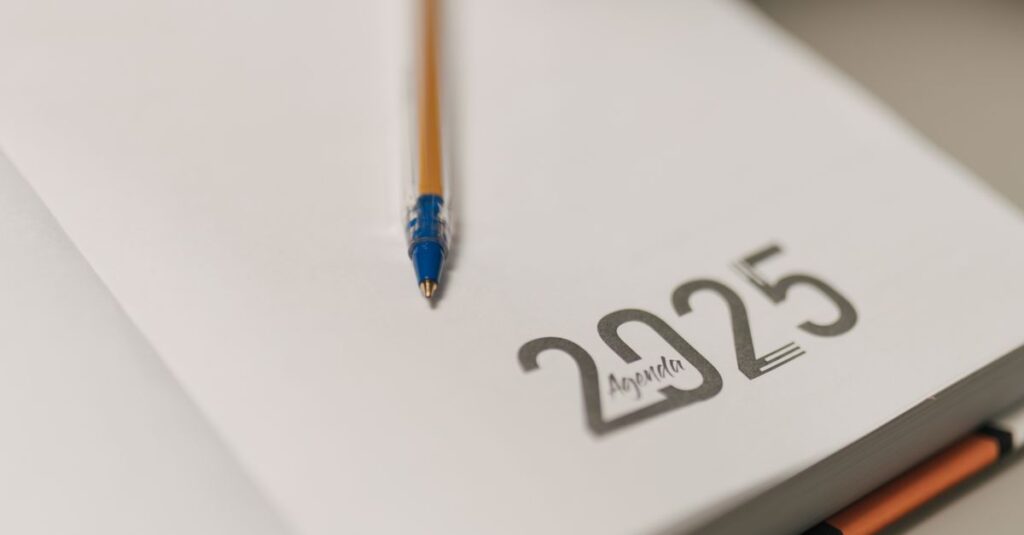
Right. Let's be direct. If you're a procurement manager for a school district or a corporate office, you've got a checklist. Quantity, size, ruling, cover. You tick the boxes. But one box you might be skipping? Page numbering.
I get it. It seems like a small thing. An extra step. Maybe an extra cost. But here's the thing — it's the single feature that turns a stack of bound paper into a tool people can actually use without losing their minds. The difference between a student flipping frantically for their last math notes and a manager finding the Q3 meeting minutes in five seconds flat. It's not just ink on paper; it's a system.
And honestly? We've been making notebooks since 1985. The number one complaint we get on un-numbered bulk orders isn't about paper quality. It's about people struggling to reference, organize, and track work. They don't say it's “inconvenient.” They say it wastes time. Every single day.
So, if you're looking at ordering notebooks in bulk, this is the one spec you shouldn't overlook. Let me tell you why, and more importantly, how a factory like ours actually gets it done reliably for tens of thousands of books.
What Does “Numbered Pages” Even Mean? (It's Not Just Counting)
Think about it this way. You open a textbook. Every page has a little number in the corner. That's the obvious part. But in manufacturing, numbered pages means precision printing after the binding is done, in the exact same spot on every single sheet, in a sequence that makes sense.
It means the printer has to be calibrated to hit the corner of a page that's already stitched or spiral-bound, without smudging or missing. It means the sequence starts on the first actual writing page (skipping flyleaves) and runs consecutively to the end. No jumps. No repeats. A 200-page notebook has pages 1 through 200. Not 1 through 100 twice because someone loaded the press wrong.
Three things happen when this is done right:
- Reference becomes instant. “See notes on page 47” means something.
- Table of Contents work. You can actually create one in the front.
- Loss is obvious. If page 38 is torn out, there's a gap. It's a built-in audit trail.
Most people don't realize this, but the numbering happens at the very end of the line. The notebook is fully formed. Then it goes under the numbering head. Which is… a lot harder than it sounds.
The Real-World Chaos It Solves (A Micro-Story)
Let me give you a picture. Priya, 28, is an admin coordinator at a mid-sized firm in Hyderabad. They got a bulk order of 500 custom-branded notebooks for the new fiscal year. No numbered pages. Looks great, logo on the front.
Fast forward two months. The quarterly review meeting. Her manager asks for the action items from the kick-off meeting. Priya knows she took notes in her new blue notebook. She starts flipping. Was it after the vendor meeting notes? Before the HR update? She can't find it. She's under the table light, scanning paragraphs. Ten minutes pass. Fifteen. The moment is gone. The trust in that notebook — and by extension, the “premium” stationery order — is gone.
It's not about Priya being disorganized. It's about the tool failing her. Numbered pages would have let her jot “Q1 Kick-off, p. 12” in her calendar. Done. This happens in schools every day with homework references. In labs with experiment logs.
The silence after you can't find the thing you know you wrote down has weight.
How We Actually Manufacture Numbered Pages (The Factory Floor View)
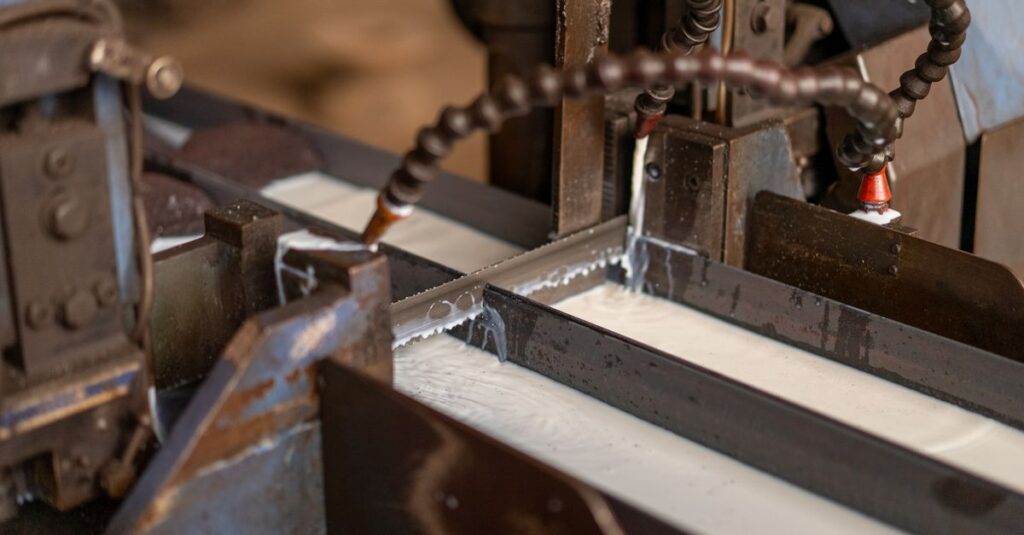
Okay, so how does a notebook factory in Rajahmundry actually do this at scale? I'll walk you through our line. Because it's the part that makes bulk orders possible.
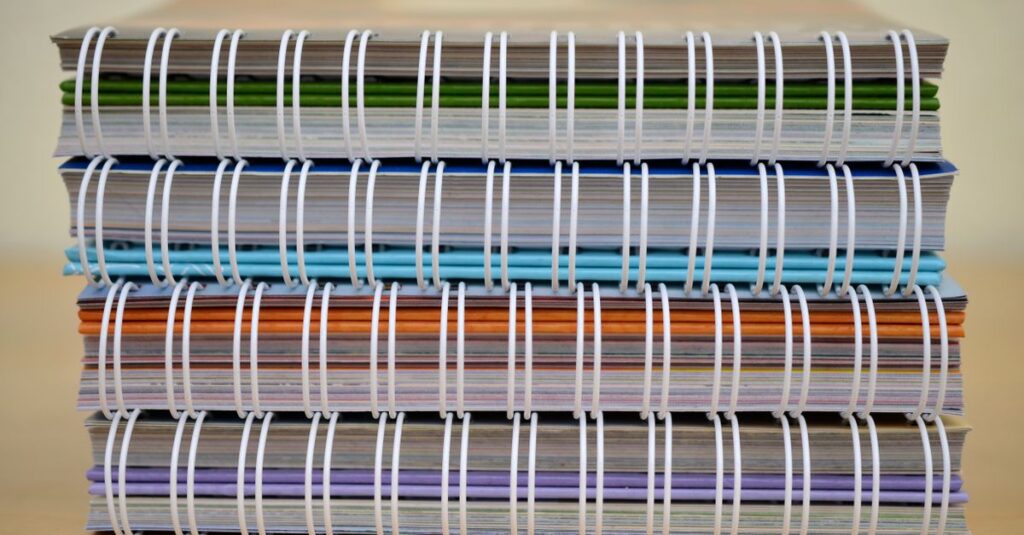
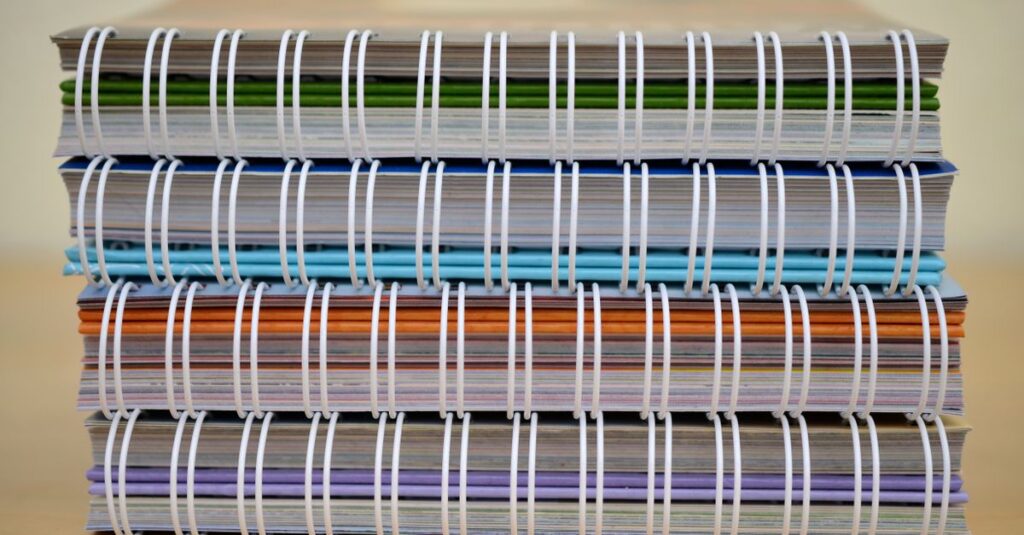
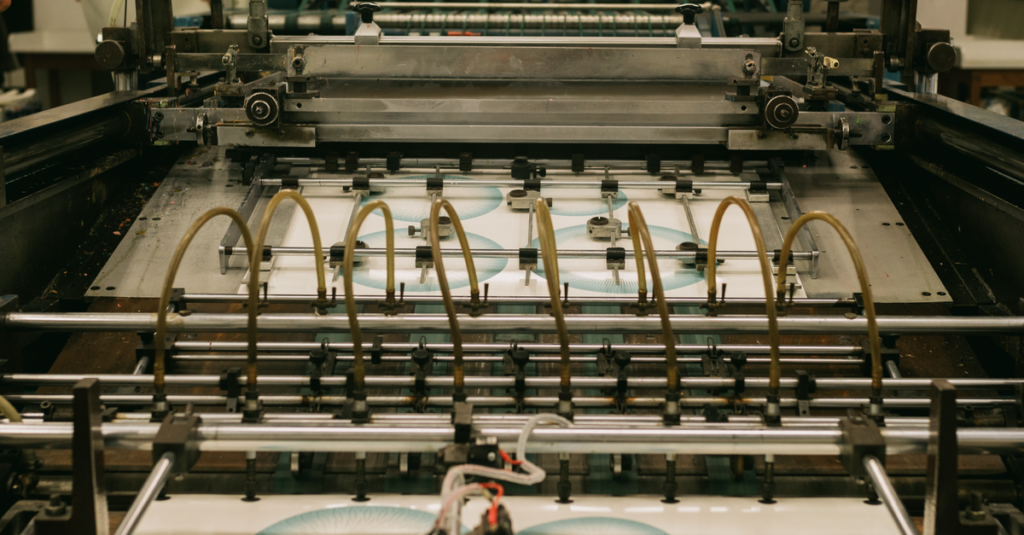
First, the notebook is completely made. Paper is cut, ruled, bound (stitched, spiral, perfect). It's a finished product. Then, it goes on a conveyor to a special numbering unit. This isn't your standard text printer. It's a head that stamps or prints digits sequentially, advancing one number with each page turn. The machinery has to account for the thickness of the binding, the margin, and the page curl.
We run two shifts. On a good day, we can number 30,000 to 40,000 notebooks. The trick is consistency. The ink has to dry fast (no smudging on the next page). The alignment has to be perfect (no numbers creeping into the writing area). And the sequence must never break. If the paper feed jams, the whole batch after that is wrong. We have to catch it immediately.
Expert Insight
I was talking to one of our line supervisors, Ramesh, last week — over chai, actually — and he said something that stuck with me. He pointed at the numbering unit and said, “This machine doesn't add a feature. It adds peace of mind. Every number that comes out right is one less phone call from a confused teacher.” I don't have a cleaner way to put it than that. The more capable the user is, the more they expect their tools to just… work.
That's the real job. Not just manufacturing pages, but manufacturing reliability.
Numbered vs. Unnumbered: A Procurement Manager's Comparison
When you're placing that bulk order for 5,000 student notebooks or 1,000 office diaries, what are you really comparing? Let's lay it out.
| Consideration | Numbered Pages Notebook | Unnumbered Notebook |
|---|---|---|
| Primary Use | Reference, formal notes, serial logging, academic work | General jotting, drafts, personal scribbles |
| User Efficiency | High. Enables quick indexing and cross-referencing. | Low. Time wasted searching for information. |
| Ideal For | Students, professors, managers, researchers, labs, legal pads | Rough work, brainstorming, temporary notes |
| Perceived Value | Higher. Seen as a professional, purposeful tool. | Standard. Seen as a basic commodity. |
| Bulk Order Impact | Adds minor cost, major long-term utility and satisfaction. | Lower upfront cost, higher risk of user frustration. |
| Customization Link | Works seamlessly with custom covers & logos for a premium package. | Branding alone can feel superficial if functionality is lacking. |
The question isn't whether you need numbering. It's whether the people using your notebooks need to find information later.
Integrating Numbering with Custom Printing & Your Brand
Look, if you're going through the effort of putting your school logo or corporate brand on a custom notebook, you're making a statement. You're saying, “This is our standard. This is for our important work.” An unnumbered book undercuts that statement. It looks premium but functions like a basic pad.
When we run a custom job, the workflow is integrated. Cover printing, binding, then numbering. The numbering is the final seal. It tells the user the company or institution thought about how the book would be used, not just that it would be handed out.
I've heard this enough times now from distributors: schools that re-order are the ones who opted for numbered pages the first time. The teachers asked for it. Because it makes their job of setting homework, referencing classwork, and maintaining student portfolios actually manageable.
Anyway. The point is, customization and numbering aren't separate decisions. They're part of the same one: what is this notebook's job?
Frequently Asked Questions
Does page numbering add much to the cost?
Honestly? Not as much as you'd think. It's a marginal per-unit increase, especially on large bulk orders. Think of it as a small premium for a massive jump in functionality and user satisfaction. For us, it's about volume — running thousands through a dedicated unit keeps the cost down.
Can you number any type of notebook?
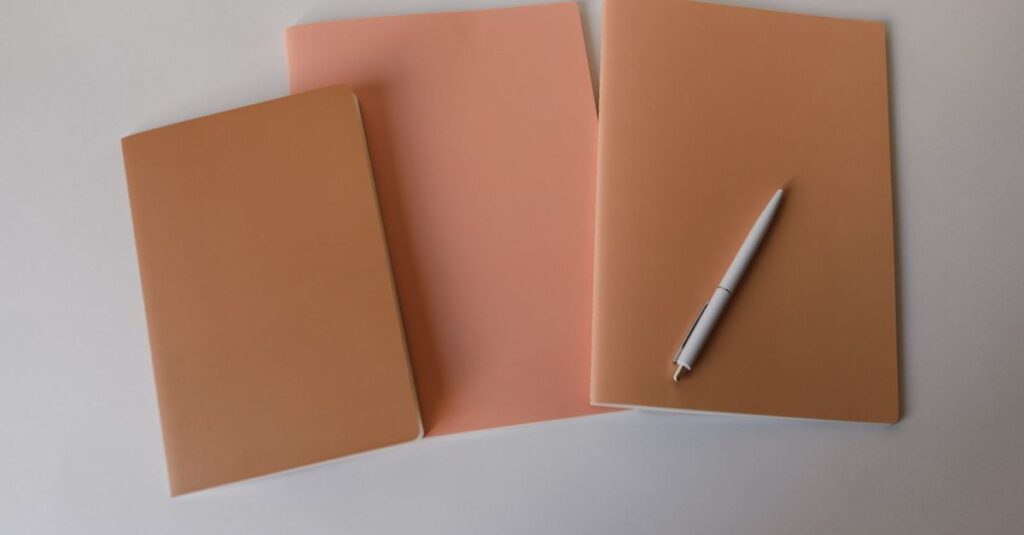
Pretty much, yes. Stitched, spiral-bound, perfect-bound — the machinery adapts. The only tricky ones are very thick, hardcover account books where the page doesn't lie flat. But for standard student notebooks, long books, diaries, and corporate pads, it's standard practice.
Where are the numbers usually placed?
Almost always in the outer bottom corner of the page. Sometimes in the top outer corner. The key is consistency and staying clear of the ruling/margin. We follow the customer's spec if they have one, otherwise, we use the most common, readable position.
Is the ink used for numbering smudge-proof?
It has to be. We use fast-drying, oil-based inks that don't transfer to the facing page. That's a non-negotiable quality check on the line. A smudged number is worse than no number at all.
Can we start numbering from a specific page?
Yes, but it needs to be specified clearly. Usually, numbering starts on the first writable page (skipping any initial blank flyleaves). If you need a different start point, like page 1 after a 10-page pre printed section, we can set the machine accordingly. Just needs clear instructions.
Final Thought
So, when you're next reviewing that stationery procurement list, look at the “numbered pages” column. Don't see it as a cost line. See it as a productivity line. A frustration-avoidance line.
The truth is, in notebooks, the features you don't see — the quality of the binding, the opacity of the paper, and the clarity of the page numbers — are the ones that get used every single day. They're the difference between a tool that serves and a tool that sits in a drawer.
I don't think there's one answer for every order. Probably there isn't. But if you've read this far, you already know the value — you're just figuring out if it's worth specifying. And in my experience working with hundreds of schools and businesses, it nearly always is.
If you want to talk specifics for your next bulk order of numbered pages notebooks, get in touch. We can run you through the options.