The Simple, Heavy Thing Schools & Businesses Hold Every Day
Right. Let’s talk about notebooks. Not the fancy leather-bound ones you buy as gifts. The real ones. The ones a procurement manager has to order for 5000 students. The ones a corporate office needs for every new employee. The ones that get thrown into bags, stacked in warehouses, and scribbled on daily.
The notebook — it’s the most basic tool in any institution. And the most overlooked.
When you’re buying thousands, you think about price first. And you should. But three things happen when you get a batch of notebooks that just… aren’t good. The pages tear. The binding falls apart halfway through the term. The paper is so thin that ink bleeds through. And then you’re dealing with complaints, replacements, and a reputation for supplying rubbish.
The whole point of buying in bulk is reliability. Consistency. You want every single notebook in that order to perform exactly the same. That’s where the idea of a ‘Paperkraft notebook’ comes in. It’s not just a brand name. It’s a standard. A specific build of paper quality, binding strength, and print durability that has become the go-to for schools, businesses, and distributors who need things to just work. If you’re sourcing notebooks on a large scale, understanding what makes a Paperkraft notebook different is probably the first step.
This is why.
Paperkraft Notebook: It’s Not Just a Name, It’s a Recipe
Okay. What is it actually?
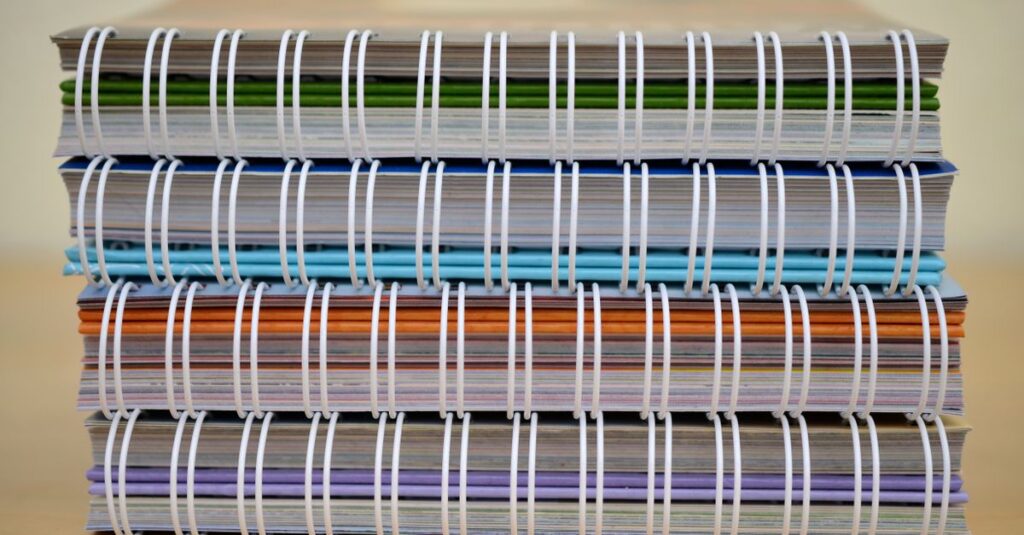
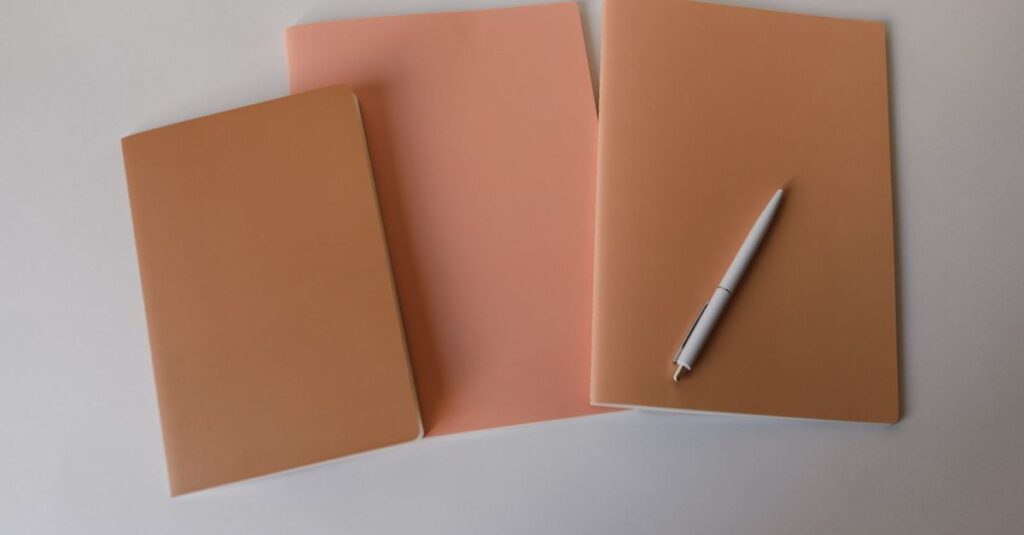
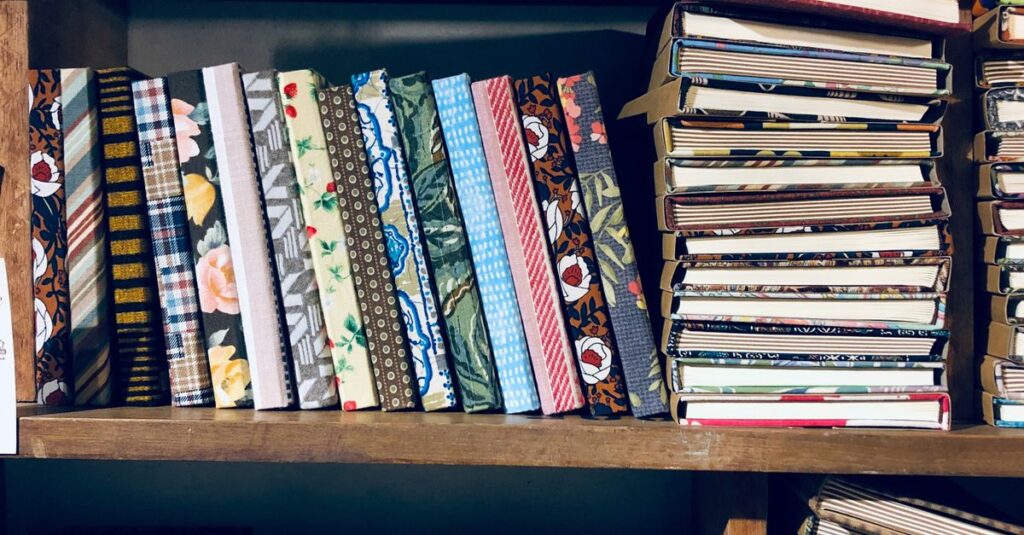
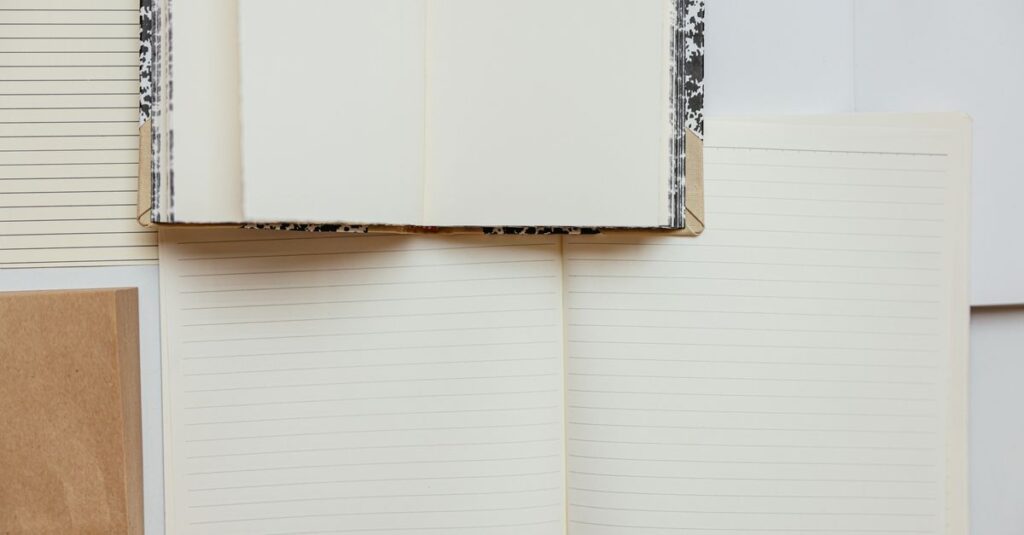
When someone says ‘Paperkraft notebook’, they’re usually referring to a specific type of notebook construction. Higher GSM paper — often 70 GSM or more, compared to the standard 54 GSM you find in most economy notebooks. Stitched binding, not just glued. A thicker, more durable cover. And a ruling pattern that’s crisp and consistent across every page.
It’s the notebook you give to someone and expect them to use for an entire academic year, or an entire fiscal year, without it falling apart.
The name itself — Paperkraft — sort of tells you what it’s about. Kraft. Strength. It’s built to handle more than just casual note-taking. It’s for students filling entire books with notes. It’s for accountants writing up ledgers. It’s for field officers who carry their notebooks through all sorts of conditions.
And honestly? Most procurement managers I’ve spoken to say they started looking for Paperkraft notebooks after one bad experience with a cheaper batch. The complaints came in. The books were returned. And they realized that the minor price difference per unit wasn’t worth the operational headache.
Expert Insight
I was talking to a school principal from Hyderabad last month — we were finalizing an order for the next term — and he said something that stuck with me. He said, “We buy notebooks for 10,000 students. I don’t care about the cover design being fancy. I care that when a student opens it in November, the pages from July are still intact.” That’s it. That’s the whole point. Durability over aesthetics. Function over flash. And in bulk purchasing, that shift in priority changes everything.
The Real Cost of a Cheap Notebook (It’s Not Just the Price)
Let’s get practical. If you’re ordering 5,000 notebooks at, say, ₹15 per unit versus ₹22 per unit, the math seems obvious. Save ₹35,000. Right?
Not quite.
Here’s what happens with the cheaper batch, nine times out of ten. First, the binding fails on about 5-10% of the books within the first few months. You now have to replace those. Then, the paper quality is so low that double-sided writing becomes impossible — ink bleeds, pages tear. Teachers complain. Employees complain. And then you’re dealing with the administrative cost of managing those complaints, processing replacements, and the reputation damage of supplying sub-standard material.
The ₹35,000 you ‘saved’ evaporates. Actually, it probably costs you more.
A Paperkraft notebook, at that higher price point, eliminates those hidden costs. Because every component is designed to last. The stitching holds. The paper weight prevents bleed-through. The cover withstands daily transport. It’s a headache, honestly, that you just don’t have to deal with.
I think — and I could be wrong — that most bulk buyers know this intuitively. They’ve felt the pain. They just need to see the numbers, or hear it from someone who’s seen it happen across hundreds of orders.
The real question becomes: are you buying a product, or are you buying peace of mind?
A Quick, Real Story
Meena, 42, procurement manager for a chain of private schools in Chennai. She ordered 8,000 ‘economy’ notebooks from a new supplier last year. Price was great. Delivery was on time. By mid-term, she was receiving boxes of returned notebooks from three different schools. The spines had split. Pages were falling out. She spent the next two months coordinating partial replacements, apologizing to principals, and finally switching the entire second-term order to a Paperkraft specification. She told me over email — it wasn’t the money. It was the time. The frustration. The feeling that she’d let the schools down. She hasn’t looked at an ‘economy’ notebook since.
Paperkraft vs. Standard Notebooks: What Actually Changes?
So what’s in the build? Let’s break it down.
| Feature | Standard Notebook (Economy) | Paperkraft Notebook |
|---|---|---|
| Paper GSM (Weight) | Usually 50-54 GSM. Thin, prone to tearing and ink bleed. | 70 GSM or higher. Thicker, more opaque, handles pen and pencil better. |
| Binding | Often side-gluing or cheap stitching. Can fail with heavy use. | Full stitched binding along the spine. Significantly more durable. |
| Cover Material | Lightweight card paper. Can curl, tear, or get damaged easily. | Heavier card or laminated cover. Resists moisture and daily wear. |
| Print Quality | Basic offset print. Ruling lines can be faint or inconsistent. | Sharp, consistent ruling. Crisp margins. Better readability. |
| Page Count Options | Limited. Usually 92 or 200 pages. | Flexible. From 92 to 700 pages, bound securely. |
| Long-Term Durability | Designed for short-term or light use. | Built to last an entire academic or fiscal year. |
This isn’t a small upgrade. It’s a different product category. And for institutional buyers, that category is the only one that makes sense when you’re responsible for supplying tools that need to work, day in and day out, for hundreds or thousands of people.
How We Actually Make Them (And Why That Matters)
Look, I’ll be direct. A Paperkraft notebook isn’t something you can run on the cheapest machine with the fastest cycle time. It takes longer. It uses more material. The stitching process alone adds a significant step.
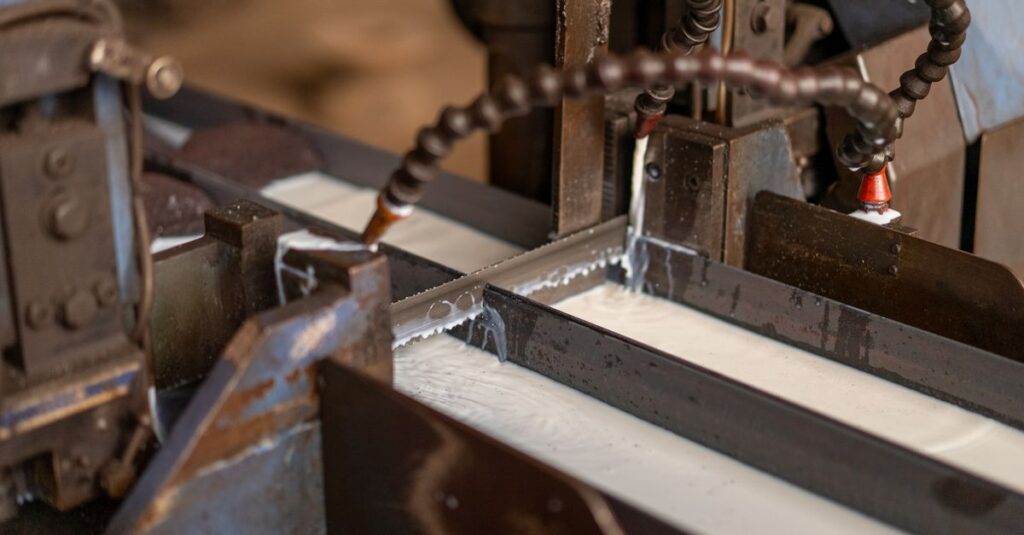
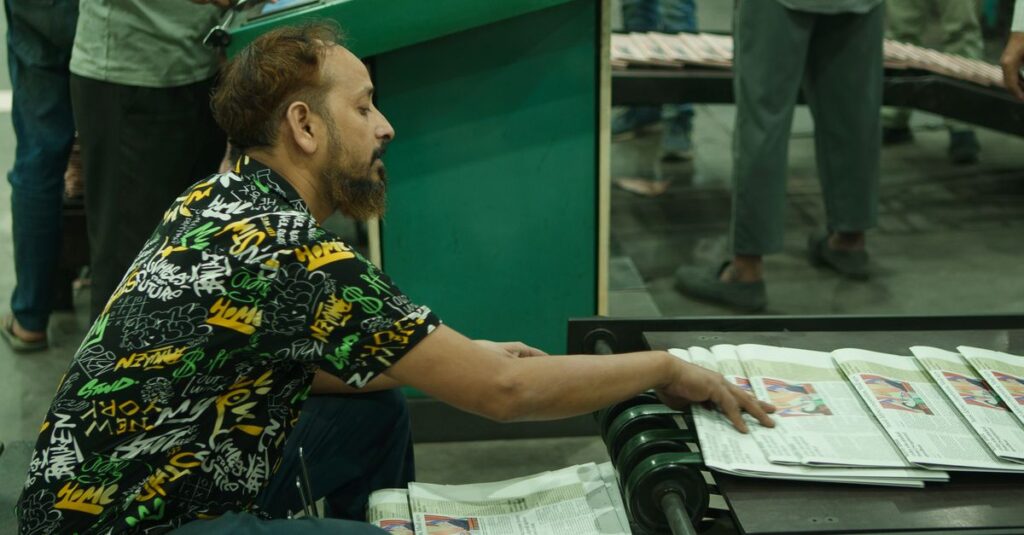
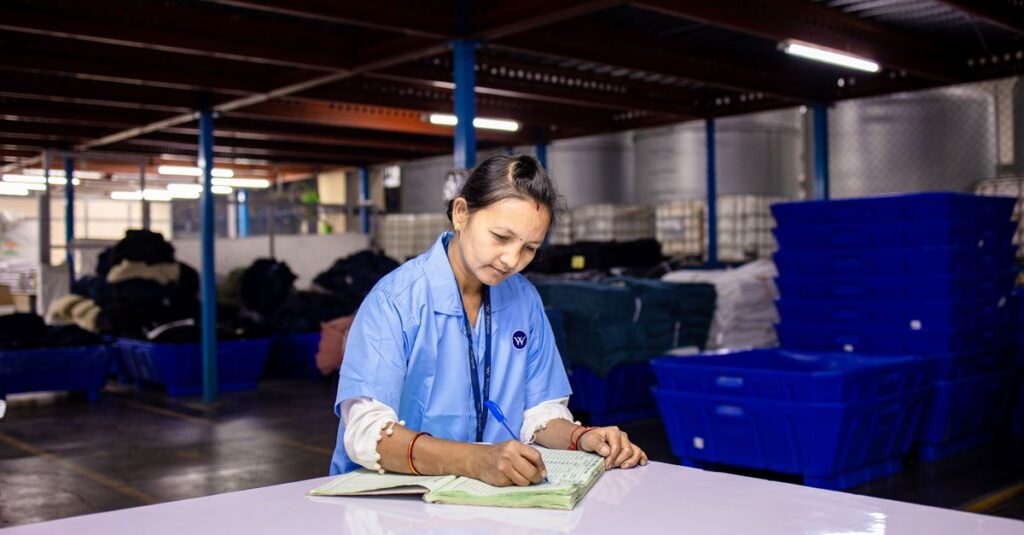
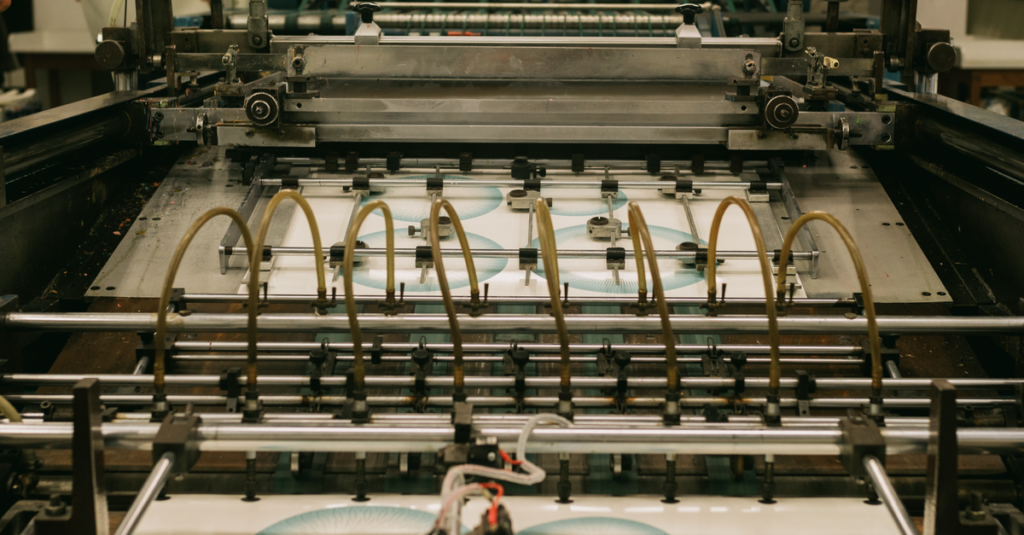
At our factory in Rajahmundry, we run a separate line for Paperkraft orders. The paper comes in heavier rolls. The stitching machines are set for a tighter, closer pattern. The covers get an extra layer of lamination. And the final quality check isn’t just a glance — it’s a physical test. We’ll open a random book from a batch, flip through every page, try to tear a page gently, check the spine strength.
It sounds tedious. It is. But it’s the only way to ensure that when a school in Dubai or a corporate office in Bangalore gets their shipment, they’re getting exactly what they ordered: a notebook that won’t fail.
Three things happen when you compromise on any of these steps: the paper feels flimsy, the binding gives way after a few months, and the whole product feels cheap. And in bulk orders, feeling cheap is a problem you can’t afford.
Customization: When Your Brand Needs to Last
Here’s the thing — most corporate orders aren’t just for plain notebooks. They want their logo on the cover. Their brand colors. Maybe a specific ruling pattern inside for their accounting format.
And if you’re going to customize a notebook, you want that customization to last. A cheap notebook with a beautiful logo on the cover is a waste if the notebook itself disintegrates. The logo becomes a reminder of a bad product.
Paperkraft construction is, at least in my experience, the baseline for any custom notebook order. Because you’re not just buying a notebook. You’re buying a representative of your brand. It sits on an employee’s desk. It’s carried by a student. It needs to reflect the quality you stand for.
Our custom printing service is built around that idea. We don’t just print your logo on any notebook. We match the customization to the build quality. So if you need a durable, branded notebook for your team, we start with the Paperkraft specification and then add your design.
Which is… a lot to sit with. But it makes sense when you think about what a notebook actually represents.
Who Actually Buys Paperkraft Notebooks? (It’s Not Who You Think)
Think about it this way.
Schools and colleges are the obvious ones. They need books that survive a full year of student use. But it’s more than that.
- Government institutions: They order in massive volumes for offices, training centers, and public distribution. The notebooks need to be standardized and durable.
- Corporate offices: Especially those with field staff, audit teams, or training programs. The notebook is a tool, not a souvenir.
- Stationery distributors and wholesalers: They stock Paperkraft notebooks because they know retailers demand a product that won’t come back with complaints.
- International buyers: From the Gulf, Africa, Europe. They often have stricter quality standards and look for this specific build because it meets those standards.
It’s not about luxury. It’s about utility on a large scale. And that shift in thinking — from buying a product to buying a reliable tool — changes everything in the procurement process.
FAQ: What Most People Ask
What exactly is the GSM of paper in a Paperkraft notebook?
Typically, Paperkraft notebooks use 70 GSM paper or higher. This is noticeably thicker than the standard 54 GSM paper used in economy notebooks. The higher GSM means less ink bleed, better durability for erasing, and a more substantial feel when writing.
Can Paperkraft notebooks be customized with our company logo?
Absolutely. In fact, customization is one of the most common requests for this type of notebook. Because the base product is so durable, adding your logo or brand design makes sense — the notebook will last, and your branding will last on it. We handle full cover design, internal page layout, and even custom packaging.
Are they only available in certain sizes?
No. The Paperkraft build can be applied to all standard sizes — King Size, Long, Short, Account size. The durability comes from the materials and binding, not the dimensions. So you can choose the size that fits your needs and still get the stronger construction.
How does the binding differ from a regular notebook?
Regular notebooks often use a simple glue binding or a very basic stitch. Paperkraft notebooks use a full stitched binding along the entire spine. This stitching holds the pages together much more securely, especially in thicker books (200+ pages), and prevents pages from falling out over time.
Is the price difference significant for bulk orders?
It is — but the cost per unit difference is often offset by the elimination of replacement costs, complaint handling, and reputation damage. For bulk buyers, the total cost of ownership (including administrative headaches) usually makes the Paperkraft option more economical in the long run.
Final, Unresolved Thought
I don’t think there’s one answer here. Probably there isn’t.
For some buyers, the absolute lowest price per unit is the only metric. And that’s a valid approach, if you’re okay with managing the fallout. For most institutional buyers I’ve worked with — schools, corporates, distributors — the shift to a Paperkraft specification happens after one bad experience. After they’ve felt the cost of failure.
The question isn’t whether you need a durable notebook. It’s whether you’re ready to admit that the cheaper option might cost you more than you think.
If you’re sourcing notebooks for your institution and this sounds familiar, it might be worth looking at what a Paperkraft build actually involves. Just to know. Just to see the difference.