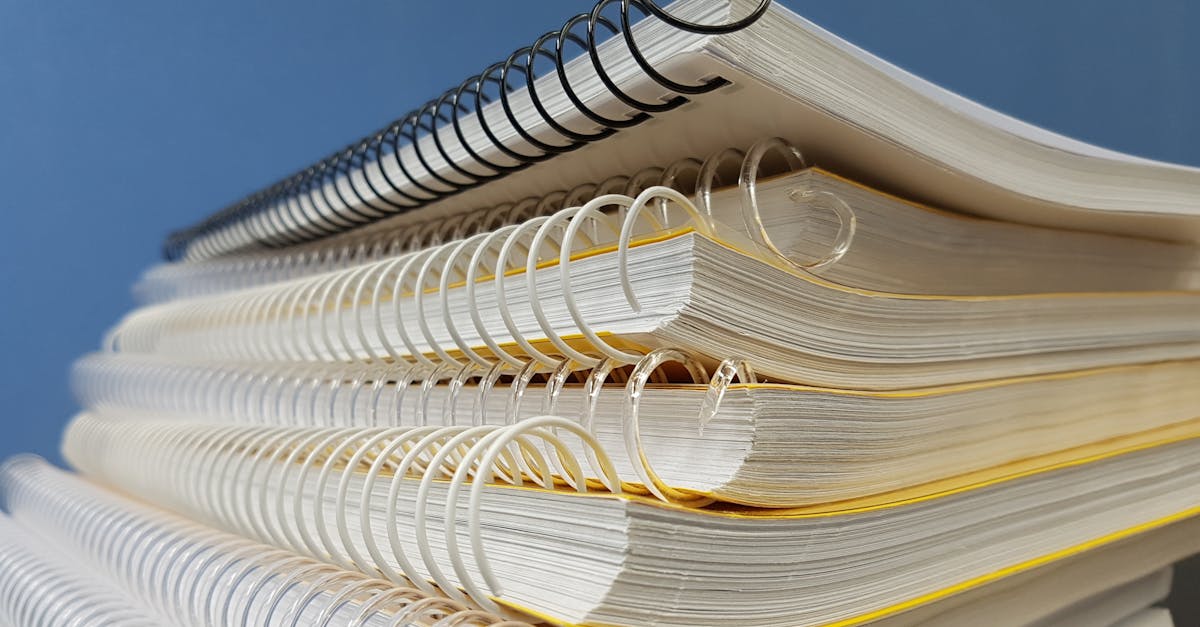
Look, Let’s Be Honest About Notebook Covers
You’re ordering notebooks. Maybe 5,000 for a school district. Or 10,000 branded ones for your company. You’ve got the page count, the ruling, the paper GSM all figured out. Then you get to the cover. “Paper cover.” It sounds simple. It’s not. It’s the first thing anyone sees. It’s the handshake. And nine times out of ten, it’s where bulk orders go wrong because everyone assumes it’s just… paper.
I was talking to a procurement manager last week — from a college in Hyderabad — and he said something that stuck. “We got a shipment. The notebooks were fine inside. But the covers felt like tissue paper. The students treated them like trash.” That’s the thing. A paper cover isn’t just protection. It’s a statement about what’s inside. It sets the tone. If you’re buying in bulk for an institution or branding for your corporate team, you need to know what you’re actually getting. Because the difference between a flimsy sheet and a proper cover isn’t just a few rupees. It’s the difference between a product that lasts and one that falls apart in a month. If you’re sourcing notebooks, understanding the cover is non-negotiable.
What a Paper Cover Actually Is (And What It’s Not)
Okay, let’s break this down. A paper cover, in notebook manufacturing, is the outer wrapper. It’s not the binding. It’s the layer that gets printed on, that you see on the shelf. But here’s where it gets messy — the term “paper cover” can mean anything from a 120 GSM art card to a 250 GSM duplex board. It’s a category, not a specification.
Think about it this way. You wouldn’t just order “a vehicle” for your fleet. You’d specify a truck, a van, an SUV. Same with covers. When a manufacturer says “paper cover,” you have to ask: What kind of paper? What weight? What finish? Most people don’t. They see the price per unit and go with the cheapest option. And then they’re surprised when the notebooks arrive looking… cheap.
The cover does three things, really. One, it protects the pages. Two, it carries the design — your logo, the subject name, the brand. Three, it communicates quality before a single page is turned. A flimsy cover tells the user, “This is disposable.” A substantial one says, “What’s inside matters.” For schools, that affects how students treat their books. For corporates, it reflects on your brand. You can’t afford to get this part wrong.
The Real-World Stuff: Types of Paper Covers We Actually Make
In the factory, we don’t just have “paper.” We have shelves of it. And each type serves a different purpose. Let me walk you through the ones that matter for bulk orders.
First, you’ve got Art Paper. This is the standard for most school notebooks. It’s got a coated, smooth finish that takes print really well. Colors look bright. It’s cost-effective. But — and this is a big but — the GSM (grams per square meter) is everything. A 120 GSM art paper cover feels decent. A 90 GSM one feels like you could tear it by accident. Always ask for the GSM.
Then there’s Duplex Board. This is the workhorse. It’s thicker. It’s usually grey on the inside and white coated on the outside for printing. This is what you want for notebooks that need to survive a bit of rough handling — like account books, lab notebooks, or heavy-use corporate diaries. It doesn’t bend as easily. It just feels more substantial in the hand.
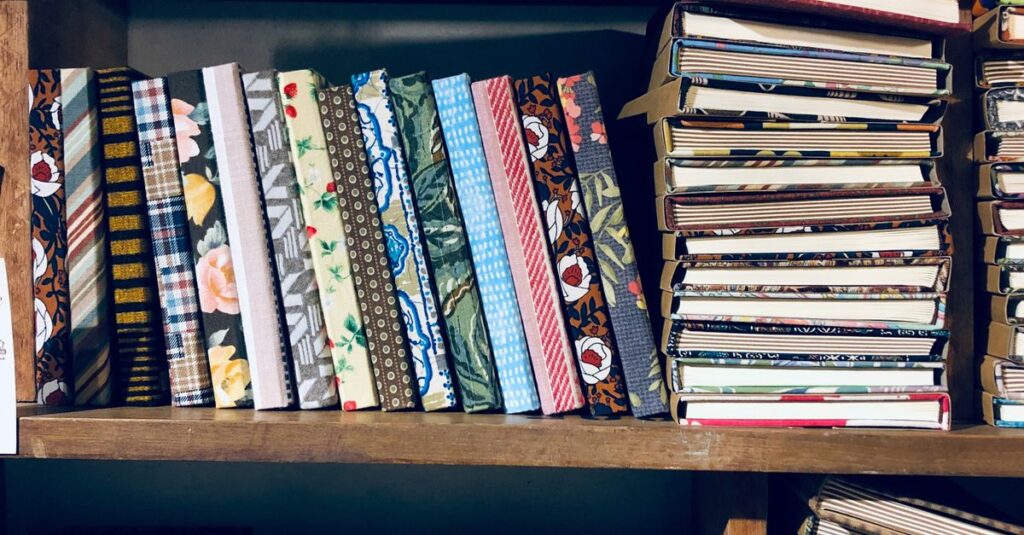
And then there are the specialty ones. Laminated Covers (where we add a thin plastic film for water resistance and shine). Texture Finishes (linen, leatherette) that feel premium. For most institutional buyers, the choice boils down to Art Paper or Duplex Board. The decision isn’t about fancy finishes. It’s about durability versus cost, for the specific use case.
I remember a shipment for a government vocational training scheme. They needed notebooks that could survive in workshop environments. We used a 250 GSM duplex board with a matte laminate. Not glamorous. But tough. The feedback was simple: “They lasted the whole course.” That’s the goal.
Expert Insight
I was reading an old industry journal once — one of those trade things that nobody reads anymore — and there was a line from a binder that stuck with me. He said the cover is the only part of the notebook that’s always working. The pages are only working when they’re being written on. But the cover? It’s always there, taking the hits, holding the shape, fighting gravity on a shelf. It’s the silent partner. And we usually pay it the least attention when ordering. I think about that every time we run a quality check. Is this cover working? Or is it just… there?
Why Your Paper Cover Choice Matters More Than You Think
Let’s talk about the hidden costs. You save 2 rupees per notebook by opting for the lighter, cheaper cover. You order 20,000 notebooks. That’s 40,000 rupees saved. Great. Now fast forward three months. The complaints start. Covers are torn. Spines are broken. Notebooks are falling apart. Replacement requests come in. Your administrative overhead just doubled. The perceived value of your entire order plummets.
For corporate branding, it’s even more direct. You give your team a beautifully designed diary. They pick it up. The cover feels like a cereal box. What does that say about your company’s attention to detail? About how you value your employees’ work? It’s not about luxury. It’s about respect. A good cover shows you thought about the person who will use it.
And for schools — this is the part I feel most strongly about. A child’s notebook is their workspace. If it feels fragile, they’ll treat their work as fragile. If it feels sturdy, it subconsciously tells them their notes are worth keeping. It’s a tiny piece of psychology, but in education, the tiny pieces add up. We’ve supplied notebooks to schools for decades, and the teachers who care about quality always, always specify the cover. They know.
Paper Cover vs. Other Cover Types: A Real Comparison
Sometimes, a paper cover isn’t the right answer. For certain applications, you need to look at plastic, hardcover, or something else. Here’s a blunt comparison.
| Feature | Paper Cover (250 GSM Duplex) | Plastic/Poly Cover | Hardcover (Board) |
|---|---|---|---|
| Cost | Mid-range. Most cost-effective for decent durability. | Usually lower cost than good paper. | Significantly higher. For premium use only. |
| Durability | Good for daily use. Can tear if abused. | High water resistance. Won’t tear, but can crease permanently. | Excellent. Protects pages fully. Long-term storage. |
| Print Quality | Excellent. Vibrant colors, sharp detail. | Can be slippery; print may scratch off. | Good, but often has a dust jacket. |
| Feel & Perception | Professional, standard. Feels like a “real” book. | Feels cheap, utilitarian. Common for low-cost exercise books. | Premium, important. For presentations, records. |
| Best For | School notebooks, corporate diaries, standard account books. The bulk workhorse. | Budget exercise books, temporary use pads, environments needing waterproofing. | Executive gifts, legal record books, high-end journals. |
| Environmental Note | Biodegradable. Recyclable. Simpler disposal. | Plastic. Not biodegradable. Waste issue. | Board is paper-based, but bulkier. Less efficient to ship. |
The table makes it pretty clear. For 95% of bulk institutional and corporate needs — schools, offices, general distribution — a well-specified paper cover is the sweet spot. It balances cost, quality, and perception. Plastic feels temporary. Hardcover is overkill. Paper is just right. But again — you have to specify the right paper.
How to Specify a Paper Cover When You Order (Don’t Skip This)
This is the actionable part. When you’re talking to a manufacturer, don’t just say “paper cover.” That’s like going to a restaurant and saying “food.” You need to be specific. Here’s what to ask for, in plain English.
- Material Type: “Is this Art Paper or Duplex Board?” Get the name.
- GSM (Weight): This is the number one thing. “What is the GSM of the cover stock?” For standard school use, don’t go below 120 GSM on Art Paper. For tougher use, ask for 180-250 GSM Duplex.
- Finish: “Is it matte or glossy? Laminated or unlaminated?” Glossy shows fingerprints. Matte is more professional. Lamination adds water resistance and tear strength.
- Printing Method: “Is the cover offset printed or digitally printed?” Offset is for large runs, better color. Digital is for short runs, customisation. For bulk, it should be offset.
- Ask for a sample. Always. Feel it. Try to bend it gently. See how the spine holds. Check the print clarity. A serious manufacturer like us will send you a dummy without you even asking.
I’ve seen too many orders where this conversation never happened. The buyer and the sales rep just agree on “paper cover” and move on. Then there’s disappointment. A 30-second clarification saves weeks of headache. Be that buyer.
The Manufacturing View: What Happens on the Factory Floor
Right. So you’ve specified a 200 GSM Duplex Board, matte laminated cover. What happens next? Let me pull back the curtain a bit. It’s not just a sheet of paper getting wrapped around a book block.
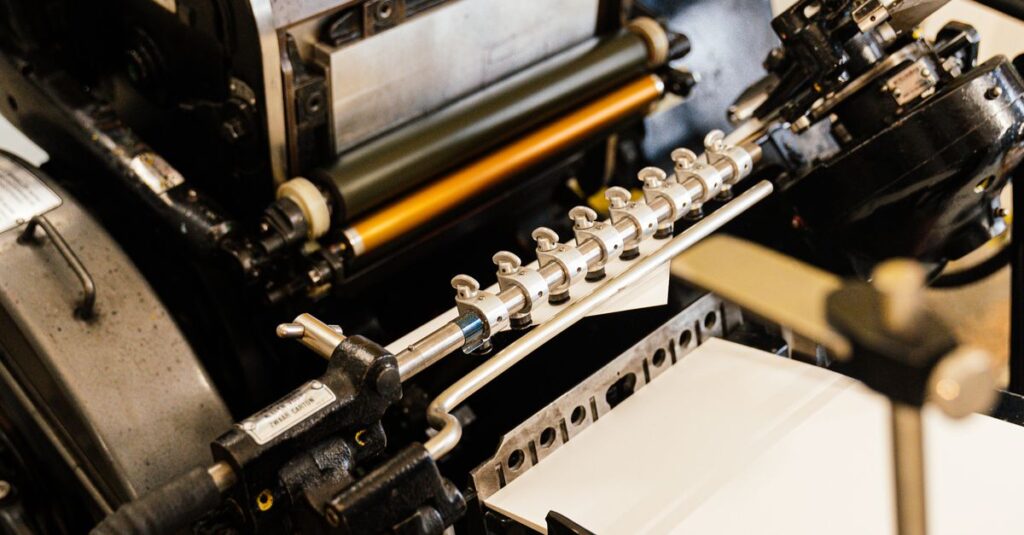
The cover stock comes in massive rolls or sheets. First, it’s cut to the exact size — with bleed area for the design. Then it goes to the printing press. For bulk orders, we use offset printing. The colors are separated, plates are made, and the design is laid down. This is where your logo gets sharp and your colors pop. After printing, it goes for lamination (if specified) — a thin film is heat-sealed onto the surface. Then, it’s precisely creased and folded around the pre-stitched inner pages. Finally, it’s glued and pressed.
The whole process needs precision. A misaligned cover makes a notebook look sloppy. A poorly creased spine will crack. We run about 30,000 to 40,000 notebooks a day here, and the cover line is where we have the most quality checks. Because it’s the most visible part. It’s the first thing our quality manager looks at. If the cover isn’t perfect, the whole notebook feels off.
Frequently Asked Questions
What is the best GSM for a school notebook paper cover?
For standard school notebooks that need to last an academic year, aim for 120-150 GSM Art Paper. It provides a good balance of durability and cost. For primary school books that might get more rough handling, consider 180 GSM or a switch to duplex board. Lighter than 100 GSM will likely tear.
Can you print full-color logos on any paper cover?
Yes, but the result depends on the paper. Coated art paper gives the brightest, sharpest print for full-color logos. Uncoated or duplex board can make colors look slightly duller. Always ask for a print proof on the actual cover material you choose to see how your brand colors will turn out.
What’s the difference between a paper cover and a hardcover?
A paper cover is a thick sheet wrapped and glued around the pages. A hardcover uses rigid cardboard wrapped in material (like cloth or paper). Paper covers are flexible and cost-effective for bulk. Hardcovers are rigid, more protective, and significantly more expensive, used for premium diaries or record books.
Is lamination necessary for a paper cover?
Not always, but it helps a lot. Lamination adds a thin plastic layer that makes the cover water-resistant, more tear-resistant, and gives it a wipeable surface (glossy or matte). For notebooks that will be used in environments where spills might happen or need extra durability, lamination is a smart upgrade.
How long does it take to manufacture custom paper cover notebooks in bulk?
Once the design is approved, a bulk order of 10,000+ custom cover notebooks typically takes 2-3 weeks. This includes plate making for printing, paper sourcing, production, binding, and quality checks. Rush orders are possible but can affect cost. Planning ahead is key for institutional procurement.
Wrapping This Up
So here’s the takeaway. A paper cover isn’t an afterthought. It’s a critical component that defines durability, perception, and value. For anyone procuring notebooks in bulk — schools, corporates, distributors — the few minutes you spend specifying the right material, weight, and finish will pay off tenfold in satisfaction and reduced complaints.
Don’t just accept “paper cover” as a line item. Dig into it. Ask the questions. Feel the sample. Your choice tells the end-user how much you value the content inside. In a world full of disposable stuff, a well-made notebook with a proper cover feels like a small act of defiance. It says the words written in it matter. And honestly, shouldn’t they? If you’re ready to talk specifics for your next order, we know a thing or two about getting covers right.