Wait — It’s Not Just a Pretty Notebook.
You get the request from management: “We need corporate diaries for the new year.” Or maybe you’re sourcing supplies for a school district and they want “student planners.” Your brain immediately goes to notebooks. Ruled pages. A cover. Done.
Here’s the thing — that’s not what they’re asking for. A diary planner is different. It’s a specific tool. It’s structured. It has a purpose. And nine times out of ten, if you’re ordering them in bulk, you’re not getting what you need unless you know the difference.
Most procurement folks — the ones buying for offices or schools — they use the terms interchangeably. “Diary,” “planner,” “notebook.” It’s all paper and binding, right?
Not quite. The gap between what you think you’re ordering and what actually shows up can be expensive. I’ve seen it. Boxes of beautiful, useless books because someone didn’t specify the layout. If this sounds familiar, getting this right from the start saves a headache.
What Exactly Are You Buying?
Let’s strip it back. A standard notebook is for freeform notes. A diary planner is a system. Its whole job is to organize time, tasks, and information in a pre-defined way.
The core of it is the layout. The printed structure on the page that tells the user what to do. A date box here. A to-do list there. A notes section at the bottom. Without that pre-printed framework, it’s just a notebook with dates on the cover. Which is… not the same thing.
Think about it this way. You give an employee a notebook. They might use it for meeting notes, grocery lists, doodles. You give them a diary planner. You’re giving them a tool meant for planning their workday, tracking appointments, managing projects. The expectation is built into the product.
And for bulk buyers — schools, corporations, institutions — that distinction is the only thing that matters here. You’re not just buying stationery. You’re buying a productivity tool. Or a gift that implies organization. Or a student’s guide for the academic year. The intent changes everything.
The Real-Life Micro-Story
Priya, 42, handles procurement for a mid-sized tech firm in Hyderabad. Last November, she ordered 500 “corporate diaries” as New Year gifts for clients. The sample looked great — leather-look cover, company logo embossed. She signed off.
The shipment arrived. They were beautiful. And completely blank inside. Just plain, ruled pages. The client gifts went out. A week later, the Sales Head got a call from a key account. “Thanks for the notebook,” they said. Polite. Priya’s heart sank. She’d ordered diaries. She’d received notebooks. The cost wasn’t just in the misprinted pages. It was in the missed impression.
The Different Beasts in the Planner Zoo
Okay, so you need a diary planner. Which one? This is where most bulk orders go sideways. You have to speak the language.
Academic Planners: Built for the school year. July to June layouts are common. They have sections for timetables, homework deadlines, exam schedules, maybe even parent-teacher communication logs. The paper needs to handle a lot of erasing and frantic scribbling. Durability is key.
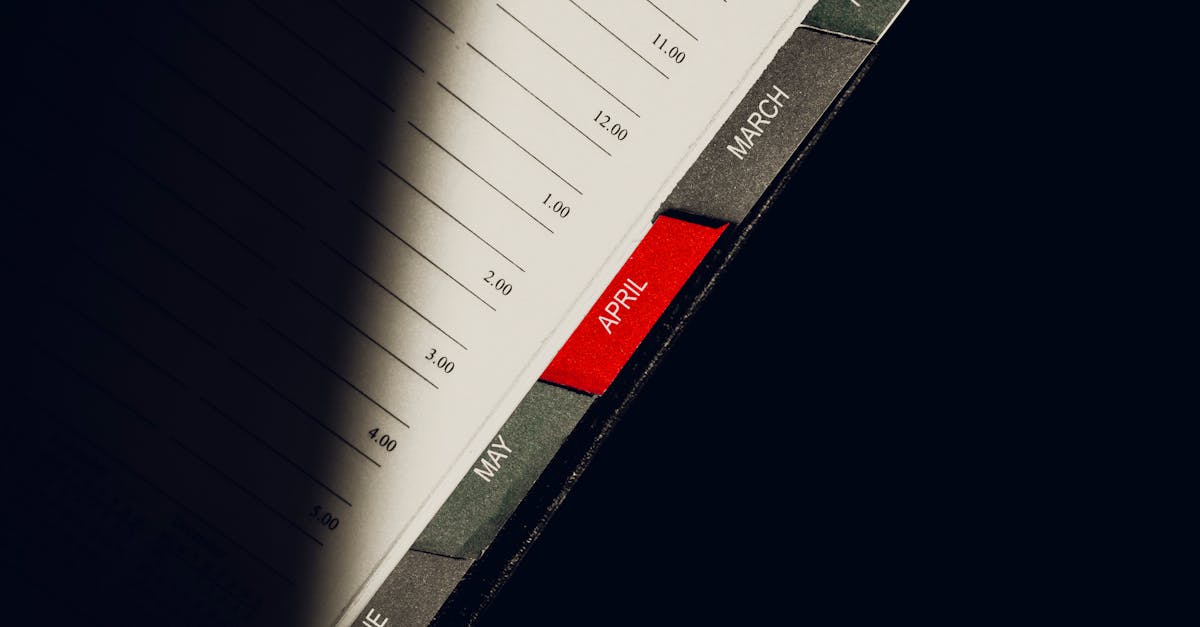
Corporate / Executive Planners: This is your classic desk diary. Often A4 or similar size. Week-to-view or day-to-view layouts. They include sections for business goals, quarterly planning, expense tracking. The cover and paper quality signal the company’s brand. A flimsy cover on an executive gift? It says more than you want it to.
Personal / Pocket Planners: Smaller. Often spiral bound so they lay flat in your palm. Month-at-a-glance pages followed by more detailed weekly sections. These are the ones companies buy in bulk for entire staff — functional, cost-effective, everyday use.
Project Planners: These are niche. Gantt chart templates, milestone trackers, resource allocation pages. If you’re a construction firm or an event management company ordering custom stationery, this might be what you actually need.
The question isn’t whether you need a planner. It’s whether you’ve described it correctly to your manufacturer. I was talking to a distributor last week — over coffee, actually — and he said 30% of his “planner” returns are just layout mismatches. The client wanted daily pages. They got weekly. Game over.
Binding & Paper: The Unsung Heroes
You can get the layout perfect and still ruin it here. The binding and paper quality determine if the thing survives a year in a backpack or a briefcase.
Binding Types:
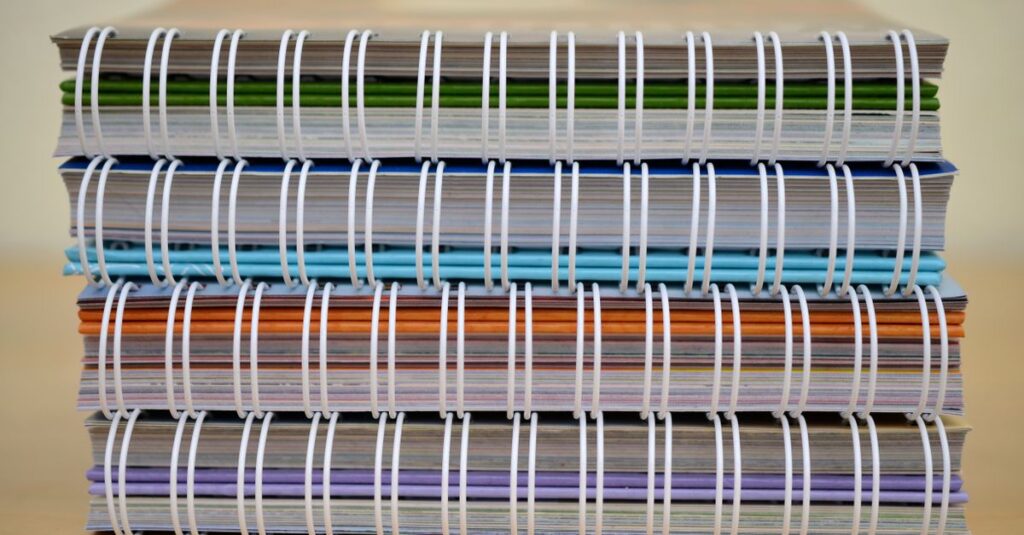
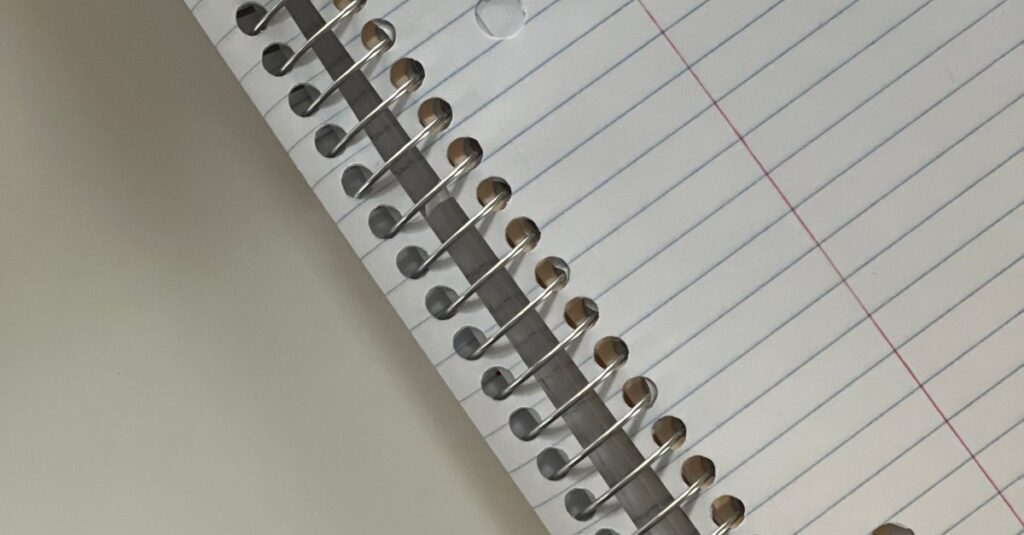
- Spiral Binding (Wire-O): The classic for planners. Lays completely flat. Essential for writing comfortably. The downside? The spiral can get crushed in bags. For student planners, a plastic-coated wire is tougher.
- Perfect Binding: That glued, paperback look. It feels premium. Looks great on an executive’s desk. But it won’t lay flat unless it’s specifically designed to. You need to specify “lay-flat binding,” which is a different glue process. Most people don’t know to ask.
- Stitched Binding (Saddle Stitched): Stapled through the centre. For thinner planners, this works. For anything over 100 pages, it starts to bulge. Cheap, but feels cheap.
Paper. Right. This is where specs get real. Standard notebook paper is around 54-60 GSM. It’s fine for notes.
For a planner? You’re writing in it daily. Maybe with fountain pens or highlighters. Bleed-through is the enemy. You need thicker paper. 70-80 GSM at least. It feels more substantial. It handles ink. It doesn’t tear when someone flips back six months to check an old note.
And the ruling — it’s not just about lines. Planner layouts are a complex print job. Date boxes, headers, subtle grey lines for writing. The print registration (how aligned the front and back prints are) needs to be perfect. If the lines on page 45 don’t match up with the lines on page 46, the user feels it. It feels sloppy.
Expert Insight
I was reading something by a product designer last month and one line stuck with me. She said the best planners aren’t designed for planning. They’re designed for re-planning. For the messy reality of a Tuesday that goes off the rails, for the task that gets moved three times, for the notes that spill out of the designated box.
That means leaving room for the mess. Wide margins. Blank pages in the back. A layout that isn’t so rigid it becomes useless by February. The more capable a tool is, the more flexible it needs to be. I don’t have a cleaner way to put it than that.
Notebook vs. Diary Planner: A Side-by-Side Look
| Feature | Standard Notebook | Diary Planner |
|---|---|---|
| Primary Purpose | Freeform note-taking, journaling, sketching. | Structured time & task management. |
| Internal Layout | Mostly ruled/unruled blank pages. | Pre-printed dates, calendars, sections (to-do, notes, goals). |
| Paper Quality (Typical) | 54-70 GSM (standard writing paper). | 70-100 GSM (to prevent bleed-through from frequent use). |
| Binding Priority | Durability, lie-flat ability is a bonus. | Must lay flat (spiral or specific lay-flat glue). |
| Customization Focus | Cover design, logo, page count. | Cover + complete internal layout design. |
| Bulk Order Lead Time | Shorter (standardized production). | Longer (requires custom printing plates for layouts). |
| Best For Bulk Buyers | General student supplies, office notepads. | Corporate gifts, student agendas, project team toolkits. |
How to Get What You Actually Need (A Bulk Buyer’s Checklist)
Look, I’ll be direct. When you’re talking to a manufacturer — like us, or anyone — you need to be specific. Vague requests get vague products. Here’s what to define:
- The Layout & Format: Yearly calendar? Monthly overview? Weekly spread? Daily pages? Hourly scheduling? Don’t say “a planner.” Say “a 2025 planner with a week-to-view spread, a notes column, and a monthly overview page at the start of each month.”
- Start Date: Is it a calendar year (Jan-Dec) or fiscal year (Apr-Mar) or academic year (Jul-Jun)? This seems obvious. It’s the most common mistake.
- Paper Specs: Ask for the GSM. Ask if it’s tested for ink bleed. Request a sample you can write on with the pens your team actually uses.
- Binding & Cover: Specify “lay-flat binding.” For the cover, decide: softcover (laminated), hardcover, leatherette? How durable does it need to be?
- Extras: Bookmark ribbon? Elastic closure? Pocket in the back? Pen loop? These add cost but also huge utility.
And honestly? Most people don’t realize the biggest leverage point: you can customize the inside completely. You’re not stuck with generic layouts. At Sri Rama Notebooks, for instance, we often print planners with a company’s internal project codes pre-printed in the header, or a school’s honour code on the first page. It shifts from a generic product to a bespoke tool.
The Real Cost Isn’t Just the Price Per Unit
Three things happen when you get this wrong. The financial loss on the misprinted batch. The time loss in re-sourcing and re-ordering. And the intangible brand cost — giving a client or employee something that feels like an afterthought.
When you get it right? The planner becomes part of their daily workflow. Your logo is there, every day. In a school, it helps keep a thousand students organized. In an office, it streamlines communication. The ROI isn’t in the stationery budget line. It’s in the slight increase in efficiency, the minor brand reinforcement, the absence of chaos.
It’s a small thing. But small things, used every day, are the only things that actually matter. I think about this a lot in our own manufacturing process. We’re not just putting paper together. We’re building the container for someone’s year.
Frequently Asked Questions
What’s the main difference between a diary and a planner?
Think of a diary as a record of what has happened (like a journal). A planner is a tool for organizing what will happen. A diary planner combines both, providing dated pages to plan ahead and space to jot notes, making it the standard for corporate and academic bulk orders.
How far in advance should I order custom diary planners in bulk?
Give yourself at least 8-12 weeks, especially for a new custom design. Creating the internal layout templates, proofing, and manufacturing takes time. For repeat orders of the same design, 4-6 weeks might be enough. Rush jobs are possible, but they cost more and risk quality.
What paper weight (GSM) is best for a corporate diary planner?
For daily use with various pens, aim for 80-100 GSM paper. This minimizes ink bleed-through from markers or fountain pens and feels more premium. Standard 70 GSM is okay for basic ballpoint pen use, but 80+ is the sweet spot for durability and perception.
Can I get a mix of different layouts in one bulk order?
Yes, but it affects pricing. Making one layout for 1000 units is efficient. Making five different layouts for 200 units each requires more machine set-up time. Discuss this with your manufacturer early. Sometimes, a unified layout with extra blank pages is a more cost-effective compromise.
Are spiral-bound or perfect-bound planners better for bulk gifting?
It depends on the message. Spiral-bound is more functional—it lays flat easily. Perfect-bound (like a hardcover book) looks more formal and premium on an executive’s desk. For general staff, spiral is practical. For client gifts, a well-made perfect-bound diary planner often makes a stronger impression.
Wrapping This Up
So, a diary planner. It’s not a notebook. It’s a tool with intention. For anyone buying in bulk — whether for a school of 2000 or a company of 200 — that intention is everything. Get the layout wrong, and you’ve bought a very expensive paperweight. Get it right, and you’re providing a system.
I don’t think there’s one perfect layout here. Probably there isn’t. The “best” planner is the one that gets used. And that comes down to asking the right questions before you place the order: Who is using it? How? What do they actually need the pages to do?
If you’ve read this far, you’re already past the generic search. You’re figuring out the specifics. And that’s the hardest part. Once you have those, the conversation with a manufacturer becomes simple. You just tell them what you need.