

The First Thing You See, The Last Thing You Think About
You pick up a notebook. The first thing your fingers touch? The cover. It’s the handshake before the conversation. But if you’re ordering a thousand notebooks for your school district, or ten thousand for a corporate event, that handshake suddenly matters a whole lot more. Because a bad cover makes the entire notebook feel cheap. And when you’re handing them out to hundreds of students or employees, cheap is the last thing you want them to feel. I’ve been in this business a long time — since 1985, in fact — and I can tell you the conversation usually starts with price and paper. But it almost always comes back to the cover. Because the cover is the promise. It’s what says “this is durable,” “this is professional,” or “this was made with care.” It’s the part nobody consciously thinks about until it’s wrong. If you’re looking for a reliable notebook supplier, that first impression is everything, and you can see how we handle that promise here.
It’s Not Just Cardboard: What Your Notebook Cover Actually Is
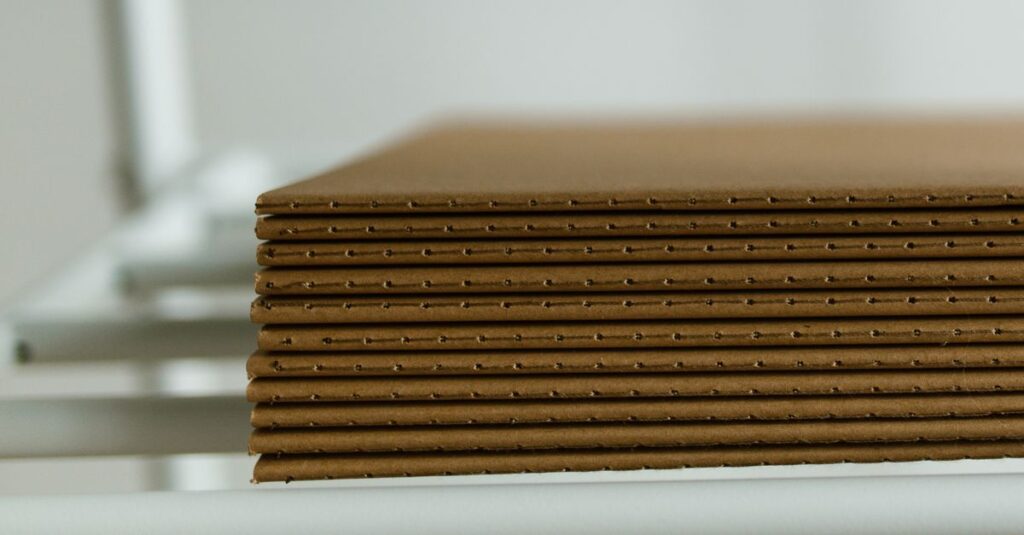
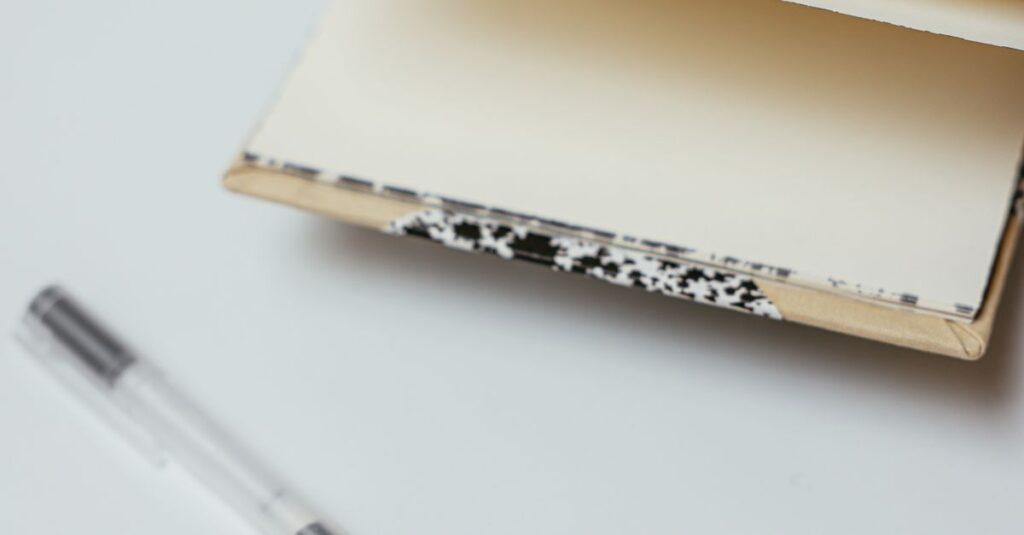
Okay, let’s get practical. A notebook cover isn’t one thing. It’s a sandwich. And the quality of the bread, the filling, and how you glue it together — that’s what separates a notebook that lasts a year from one that falls apart in a month. On the outside, you’ve got the art paper. This is the fancy, printed layer. It can be glossy, matte, textured. Then you’ve got the board. This is the backbone. It’s usually greyboard or ivory board — think of it like the spine of a book, but for the whole cover. Cheap board bends. Good board holds its shape. In between them? The lining. This is what stops the cover from warping. Most people never see this layer, but it’s the secret to a flat, professional-looking notebook that doesn’t curl up on a shelf. The whole thing gets laminated. That clear plastic film? That’s the armor. It’s what protects the print from coffee spills, from getting shoved in a backpack, from the general chaos of life. Without it, the ink rubs off. The color fades. It looks used before it’s even opened.
A Real-Life Thing I Saw Last Week
We had a procurement manager from a college in Hyderabad visit the factory. Anitha, mid-40s, sharp. She was evaluating notebooks for the new academic year. She picked up one of our standard school notebooks, bent the cover back on itself, and let it go. It snapped back flat. No crease. She did the same with a sample from another supplier. A white line appeared right down the spine. “That,” she said, not looking up from the damaged sample, “is what happens after two months in a student’s bag.” She didn’t need a spec sheet. She just needed to see the cover fail a simple, real-world test. That crease tells you everything about the board quality and the glue.
Why Bulk Buyers Get This Wrong (And How to Get It Right)
Look, when you’re ordering 20,000 notebooks, the pressure is on price per unit. I get it. So the first thing that gets value-engineered is often the cover. Thinner board. Lower GSM art paper. Skip the lamination. It shaves off a few rupees. And on paper, the specs still look fine. “Cover: Printed Board.” But here’s what that doesn’t tell you: how it feels in the hand. How it survives monsoon humidity in a warehouse. How the logo looks when 500 employees have it on their desks. The mistake is thinking of the cover as a cost. It’s not a cost. It’s a communication tool. For a corporation, it’s your brand sitting on someone’s desk every day. For a school, it’s signalling to parents that you don’t cut corners on supplies. For a distributor, it’s the difference between a product that sells off the shelf and one that gets returned because the corners are dented. You have to look past the price column and ask: What am I trying to say with this object?
Think about it this way. You can have the best 70 GSM paper inside, but if the cover feels flimsy, the whole product feels flimsy. The user’s brain makes that judgement in about three seconds. And you can’t undo it. The question isn’t whether you need a good cover. It’s whether you can afford the silent damage of a bad one.
The Custom Cover Dilemma: Branding vs. Durability
This is where it gets interesting. Everybody wants a custom cover — and they should! It’s your chance to own the entire product. But custom brings its own headaches. A beautiful, full-color photographic design needs a glossy lamination to make the colors pop. But glossy shows every fingerprint. A sleek, minimalist corporate logo might look better with a soft-touch matte laminate. It feels premium. But matte can be less resistant to scuffs. Then there’s embossing. Debossing. Foil stamping. These add cost and wow-factor, but they also limit you on the paper stock you can use. You can’t emboss effectively on a thin, cheap board. The design collapses. I’ve seen companies spend a fortune on a stunning cover design, then insist on the cheapest possible binding to stay on budget. The result? A gorgeous cover that detaches from the pages after a few weeks. It’s like putting a Ferrari body on a scooter engine. The mismatch is obvious and disappointing. Your cover design and your binding need to be a conversation, not two separate decisions. This is exactly the kind of puzzle our printing team solves every day.
Expert Insight
I was reading an old industry journal last month — one of those physical ones that still show up — and a binder was quoted saying something that stuck with me. He said, “The cover is the contract. The binding is the terms and conditions.” I keep turning that over. It’s perfect. The cover attracts, makes the promise. The binding — the stitching, the glue, the spiral — is the fine print that dictates whether that promise is kept. You can have a cover made of leather, but if it’s bound with weak glue, the contract is void. Nobody thinks about the terms and conditions until there’s a breach.
Notebook Cover Comparison: What Are You Really Paying For?
Let’s make this tangible. You’re comparing two quotes for 5,000 custom notebooks. Both say “280 pages, 70 GSM paper, printed cover.” Quote A is 15% cheaper. Why? The table below shows you where that difference hides. It’s almost always in the cover and binding specs they don’t actively advertise.
| Feature | Standard / Economy Cover | Premium / Durable Cover |
|---|---|---|
| Core Board | Lower-density greyboard (bends, creases easily) | High-density ivory board (rigid, snaps back) |
| Lamination | Thin film or water-based coating (scratches, stains) | Thick, durable poly-film (scratch & water-resistant) |
| Binding Reinforcement | Cover glued directly to spine (weak point) | Reinforced spine tape or extra endpaper (prevents detachment) |
| Edge Treatment | Raw, cut edges (can delaminate) | Rounded corners or sealed edges (neater, more durable) |
| Long-Term Result | Looks worn quickly, corners dog-ear, spine cracks | Maintains professional appearance for life of the pages |
See? The cheaper option isn’t “just as good.” It’s a different product with a shorter lifespan. For a one-time event giveaway, maybe that’s fine. For student notebooks that need to last a school year? Or corporate gifts you want people to keep? It’s a false economy. The premium cover isn’t a luxury. It’s the thing that ensures the inside pages actually get used.
The Unspoken Role of the Cover in Manufacturing & Export
Here’s something most international buyers don’t consider until it’s too late: shipping. We export notebooks to the Gulf, Africa, Europe. A container goes through wild humidity changes, gets stacked high, gets handled with forklifts. A weak cover is a liability in that journey. The corners get crushed. The pressure makes the board warp. You can have perfect pages inside, but if the cover arrives damaged, the entire shipment is compromised. A good manufacturer builds for this. We use heavier board. We pack in smaller, sturdier cartons. We avoid putting too much pressure on the edges. It adds a bit to the production cost, but it saves a fortune in rejected shipments and unhappy clients. The cover, in this context, is the first line of defense. It’s packaging and product merged into one. If you’re an international buyer looking for notebook manufacturers, ask them about their export packing process. If they only talk about page count and paper, they’re missing half the story. The cover is what survives the journey so the notebook can do its job.
Anyway. The point is this. The cover is the workhorse. It’s the part that takes the beating so the writing inside stays clean and usable. Treating it as an afterthought is like building a house and forgetting the roof. It might look fine for a while, but the first real storm reveals the mistake.
Frequently Asked Questions
What is the best material for a durable notebook cover?
For bulk, everyday use, a high-density ivory board with a thick poly-film lamination is the sweet spot. It gives you rigidity, moisture resistance, and a professional finish without the cost of leather or synthetic fabrics. For us, it’s the default for school and corporate orders because it simply lasts longer.
Can you print any design on a notebook cover?
Pretty much, yes. Offset printing handles complex, full-color designs beautifully. But the design affects the choice of paper and laminate. A very dark, solid color might show scratches more on a gloss finish. We usually advise on this during the custom design process to make sure the final product looks as good in hand as it does on your screen.
How does the cover affect the binding of the notebook?
They’re completely tied together. A thick, rigid cover needs a binding method that can handle the stress — like strong perfect binding or stitched binding. A thin, flexible cover works with spiral or staple binding. If you mismatch them, the pages will pull away from the cover. It’s the most common manufacturing flaw we see in cheap notebooks.
Is lamination necessary for a notebook cover?
For any notebook that will be used, carried, or needs to look professional for more than a week: absolutely. Lamination protects the ink from rubbing off, repels spills, and adds a huge amount of tear resistance. Unlaminated covers feel unfinished and get dirty immediately. It’s not an extra; it’s essential.
What should I ask a supplier when ordering custom notebook covers?
Ask three things: 1) “What GSM is the art paper and what density is the board?” (Get numbers). 2) “What type and thickness of lamination do you use?” 3) “How is the cover reinforced at the spine?” Their answers will tell you if they understand durability or are just selling you a printed surface.
Wrapping This Up
So, the notebook cover. It’s the silent partner in the whole operation. It sets the tone, takes the hits, and defines the shelf life. Choosing it wisely isn’t about spending more; it’s about understanding what you’re buying in the first place. Is it a disposable wrapper or a protective shell? The difference is in the board, the glue, the laminate — the stuff you don’t see until you need it. I don’t think there’s one perfect cover for every job. A drawing book needs something different than an executive diary. But the principle is the same: the cover is the promise the notebook makes. And you want that promise to be kept. If you’re evaluating a bulk order and the cover specs seem vague, it’s probably because they are. It’s worth digging deeper. Your users might never thank you for a great cover, but they’ll definitely notice a bad one. And that’s the whole point, really.
If you’re piecing together an order and want to talk specifics — board, binding, lamination, the whole sandwich — we’ve been doing this since 1985. Sometimes it helps to just talk to someone who’s seen a few million covers come off the line. You can reach out to us here anytime.