Look, let's talk about paper pads.
You're probably looking at an order form, or a specification sheet from another supplier. The term 'paper pads' gets thrown around. It sounds simple enough. But then you see twenty different variations — scribbling pads, writing pads, legal pads, notepads. And you have to order five thousand of them for your school district or corporate office. Suddenly, it's not simple at all. The weight shifts from your shoulders to your forehead. You need to know exactly what you're buying, why one type costs more, and which one your people will actually use without complaint. That's the headache, honestly. It's the gap between a generic term and the specific, physical thing that lands on someone's desk. If you're sourcing in bulk, you can't afford that gap. I've seen this confusion play out more times than I can count.
What are paper pads, really?
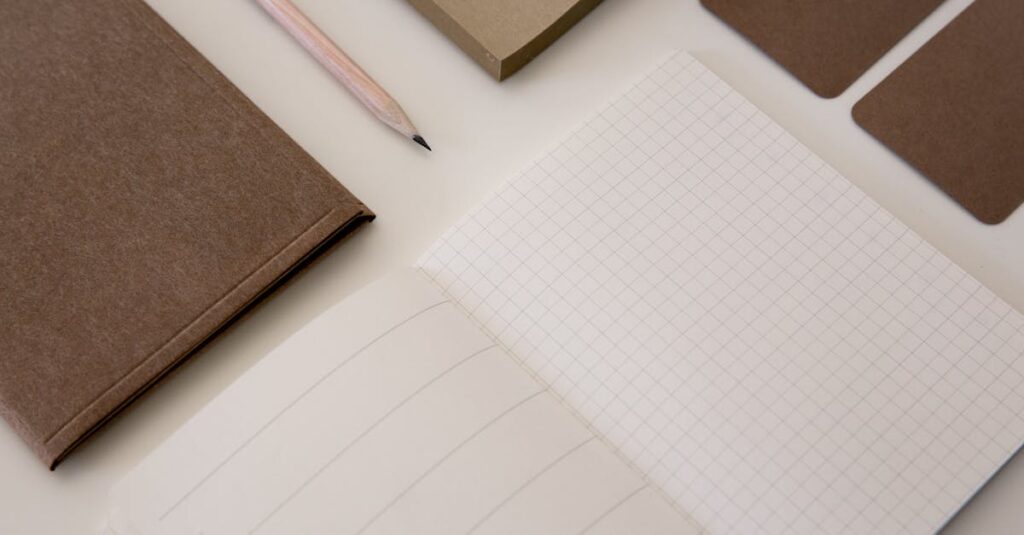
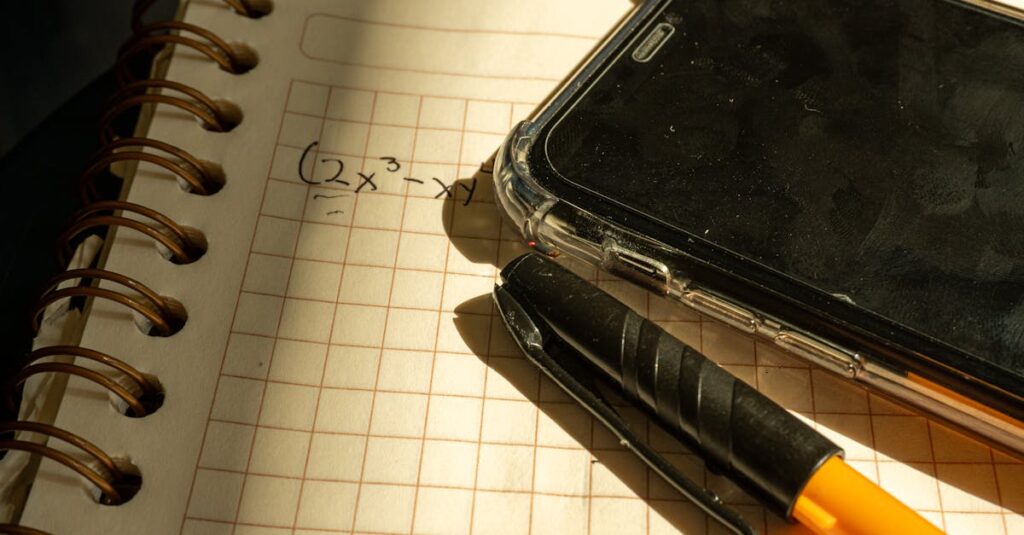
Okay. Let's strip it back. When we say 'paper pads' in the notebook manufacturing world, we're usually talking about a stack of sheets bound together at one edge. That's the basic anatomy. Not a book with a spine. Not loose sheets. A pad. The binding is the whole point — it keeps the sheets together for use, but allows them to be torn off cleanly when you're done. The classic image is the glue at the top. But that's just one type. The thing about — okay, let me rephrase that. The real question isn't what they are. It's what you need them to do. Is it for quick notes in a meeting that get handed out? Is it for students to practice math problems? Is it for warehouse staff to jot down inventory counts? The function decides everything else: the paper weight, the ruling, the binding, even the tear-off quality. Get the function wrong, and you've bought five thousand little frustrations.
Expert Insight
I was talking to a procurement manager for a chain of private schools last month — over a terrible cup of machine coffee in their office — and he said something that stuck with me. He told me his biggest cost wasn't the unit price of the pads. It was the wasted ones. The ones teachers rejected because the paper was too thin and ink bled through, or the ones where the sheets didn't tear cleanly and left a ragged edge that kids would fiddle with and tear further. He said, "I'm not buying paper. I'm buying a lack of complaints." I don't have a cleaner way to put it than that. The manufacturing specs that seem minor on a sheet — the glue formulation, the paper grain direction — they're the only thing that matters in bulk.
The main types you'll actually need to choose from
Right. So you're faced with options. Here's how they break down in practical terms.
- Scribbling Pads (or Writing Pads): This is your workhorse. Usually unruled or single-ruled, 50-70 sheets, glued at the top. It's the catch-all for quick notes, sketches, to-do lists. The paper quality here is the battleground. Too flimsy (below 50 GSM) and it feels cheap, pencils rip through. Too heavy (above 80 GSM) and you're paying for thickness you don't need. The sweet spot for most general office or school use is that 54-60 GSM range. It has just enough heft.
- Legal Pads: You know the ones — the long, yellow sheets, usually with a red or black margin line down the left side. They're a specific size (often close to our Long Notebook size: 27.2 cm x 17.1 cm). The margin isn't just for looks; it gives space for annotations, keywords, side notes. This is for longer-form writing. Legal, sure, but also for project plans, meeting minutes, drafts.
- Custom Printed Notepads: This is where it moves from commodity to branding. Same basic pad structure, but the top sheet (and often every sheet) has your company logo, header, address, maybe even pre-printed fields ("Date:", "From:", "Subject:"). They're powerful. They sit on reception desks, in conference rooms. They're a tiny, daily brand reminder. But the setup cost for printing means they only make sense in bulk. Minimum orders exist for a reason.
- Perforated Pads: This is the key feature everyone should ask about but often doesn't. Is the pad perforated? It means there's a micro-perforated line near the binding glue that allows for a clean, straight tear. No-perf pads are cheaper to make. They also create a mess of ragged edges and partially torn sheets. For any professional or educational use, perforation isn't a luxury. It's a basic requirement. Don't compromise here.
Think about it this way: choosing the wrong type is like ordering a fleet of trucks when you needed sedans. They'll move stuff, but inefficiency burns money every single day.
Meet Priya. (This is what I mean.)
Priya, 38, manages procurement for a mid-sized IT firm in Hyderabad. Her job is to equip five floors of developers, HR, and admin staff. Last quarter, to cut costs, she switched to a cheaper supplier for desk notepads. The pads looked fine. But the glue was weak. Sheets would come loose in stacks. The paper was 45 GSM — so thin that a firm pen stroke would ghost through to the next sheet. She started getting emails. "Priya, these new notepads are useless." "Can we get the old ones back?" The dissatisfaction was quiet, constant. The 'savings' were wiped out by the time she spent fielding these complaints and the tangible dip in perceived office quality. She re-ordered the proper pads the next month. The cost of buying wrong, even once, is almost always higher than buying right.
Paper pads vs. bound notebooks: a real comparison
This is where people get tripped up. They think pads and notebooks are interchangeable. They're not. They serve different purposes. A notebook is for permanence. A pad is for transience. Let's break it down so you know exactly when to order which.
| Feature | Paper Pads | Bound Notebooks (e.g., Stitched) |
|---|---|---|
| Primary Use | Temporary notes, drafts, tasks, messages. Paper is meant to be removed. | Permanent records, journals, subject notes, meeting minutes. Meant to be kept intact. |
| Lifespan | Short-term. Sheets are used and discarded or filed separately. | Long-term. The book is a contained record. |
| Paper Quality Focus | Tear-off strength, clean perforation, minimal show-through. | Writing feel, opacity for double-sided use, durability for frequent page-turning. |
| Customization | Easy to print on header/footer of each sheet. Great for branded templates. | Customization is on the cover and potentially header/footer of every page. More complex setup. |
| Cost Implication (Bulk) | Generally lower per unit. But consider cost-per-usable-sheet and waste from poor quality. | Higher per unit, but value is in longevity and organization. A cost-per-page-over-time calculation. |
| Ideal For | Reception desks, call centers, quick meeting notes, practice work, scratch calculations. | Students for a semester, client project notes, personal journals, official record-keeping. |
The question isn't which is better. It's which is right for the specific task you're equipping. Most organizations need both. Ordering only bound notebooks for a call center is overkill and expensive. Ordering only pads for a college classroom is chaotic and inefficient.
What to look for when you're buying in bulk
Here's the thing. You're not a stationery hobbyist. You're a buyer. You need a checklist that goes beyond "price per pad." Use this.
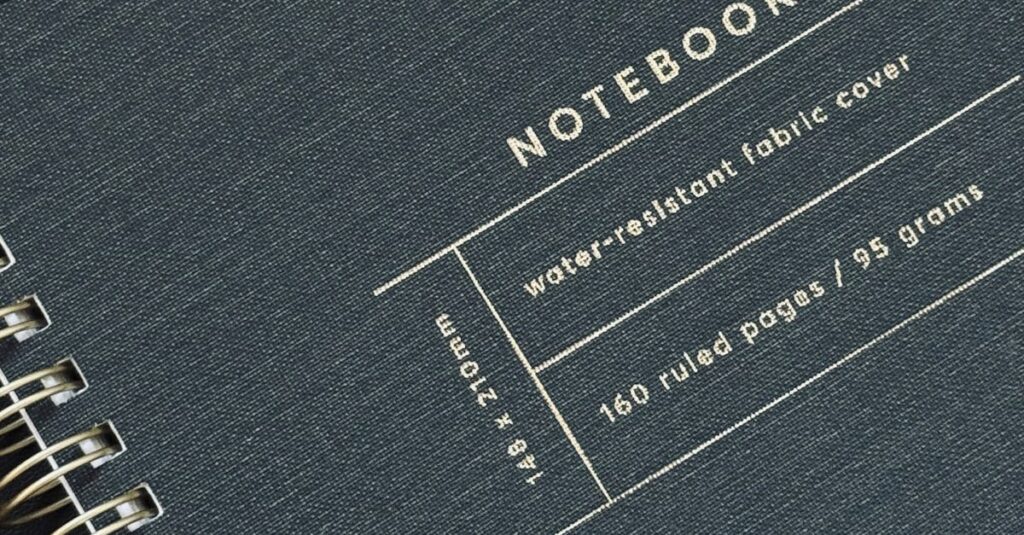
- GSM (Grams per Square Meter): This is paper weight. Ask for it. For general scribbling pads, 54-70 GSM is the zone. Below 50, it's tissue. Above 80, you're likely overpaying unless you need premium sketching or official documents.
- Perforation: Non-negotiable. Ask for a sample. Tear a sheet off. Does it come cleanly? Or does it require a tug and leave a fuzzy, torn edge?
- Binding Adhesive: This seems minor. It's major. The glue should hold all sheets securely but allow the last few sheets to tear off as easily as the first. Poor glue seeps, makes pages stick together, or fails in humid conditions. Rajahmundry, where our factory is, has plenty of humidity. We test for this.
- Paper Brightness & Opacity: Brightness affects eye strain. Opacity is about show-through. Hold a written-on sheet up to the light. Can you clearly read the writing from the back? If yes, the opacity is low. That's bad for double-sided use.
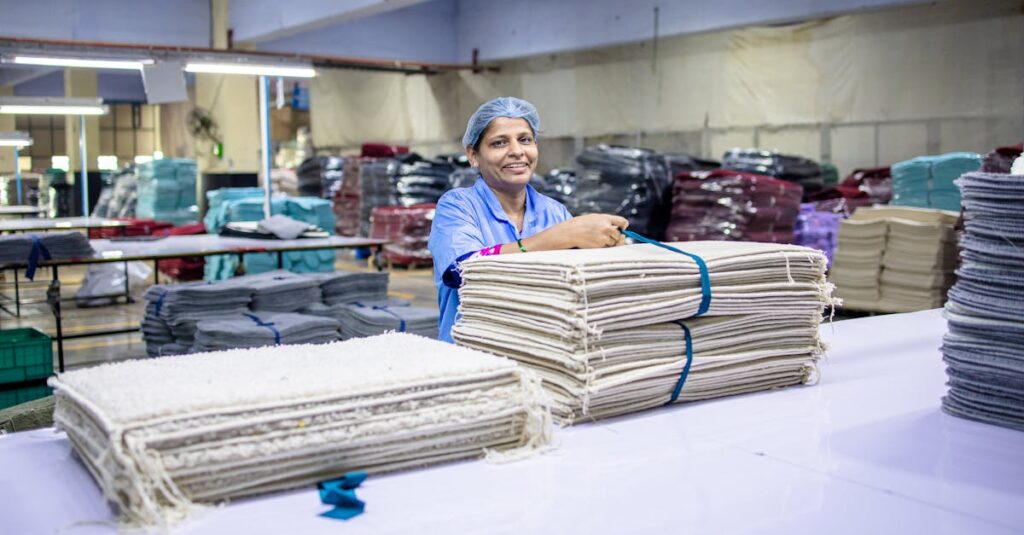
- Packaging: For bulk, how are 100 pads packed? In a simple shrink wrap? In a carton? Packaging affects storage, transport damage, and ease of distribution to different departments or classrooms. Damaged corners on arrival are wasted money.
And honestly? The biggest mistake is not getting physical samples before placing a large order. A spec sheet is a promise. A sample is the truth. Any decent manufacturer will send you one. If they hesitate, that tells you most of what you need to know.
The customization trap (and opportunity)
Custom printed pads. They look great. They feel professional. But. There's a trap here, and I see buyers fall into it every season. They get seduced by the idea of a fully branded, bespoke notepad. They design something complex with multiple colors, unique die-cut shapes, special inks. The setup charges skyrocket. The unit cost for a small run (like 500 pads) becomes absurd. The opportunity is real, but you have to be smart about it. Keep the design simple for your first run. One or two colors. Standard size. Use the space practically — logo, maybe a web address. That keeps costs manageable. The real value isn't in the fancy design; it's in having your name in front of clients and staff every day. A simple, well-made pad does that just as effectively as a complex one. Probably more, because you can afford to order more of them and put them everywhere.
So, what now?
Paper pads aren't a commodity if you're buying thousands of them. They're a tool. And the specs — the GSM, the perf, the glue — are the blueprint for how that tool will perform. You can't outsource the thinking on this. The cheap option often has hidden costs in waste and frustration. The right option disappears into the workflow, which is the highest compliment a bulk stationery item can get. I don't think there's one perfect pad for everyone. Probably there isn't. But if you've read this far, you already know the questions to ask. You're just figuring out who can give you a straight answer.
Frequently Asked Questions
What is the standard size of a paper pad?
There isn't one universal standard, which is part of the confusion! Common sizes align with notebook sizes: Crown Size (approx. 20×15 cm), Long Size (27×17 cm), and Legal Pad size. The key is to specify the exact dimensions you need (in cm or inches) to your manufacturer, especially for bulk custom paper pads.
Are paper pads cheaper than notebooks for bulk school orders?
It depends on the use. For practice work, rough drafts, or daily exercises where sheets are torn out and turned in, pads are often more cost-effective and practical. For subject notebooks that students need to keep for a full term, bound notebooks are usually the better, more organized choice. You often need a mix.
What does GSM mean for paper pads?
GSM stands for Grams per Square Meter. It's the measure of paper weight and thickness. A higher GSM (like 80) means thicker, stiffer paper. A lower GSM (like 50) is thinner. For most writing pads, 54-70 GSM offers a good balance of durability, writing feel, and cost. Don't go below 50 for anything meant for daily use.
Can I get paper pads with my company logo on every sheet?
Absolutely. This is a very common request for corporate paper pads. The logo and any other text (header/footer) are printed on the master sheet before it's cut and bound into pads. It requires a minimum order quantity to be economical, as it involves a custom printing plate setup.
What is the difference between glued and spiral bound pads?
Glued pads (top or side glue) are the classic notepad. Sheets tear off. Spiral bound 'pads' are technically wire-bound booklets—the pages are bound by a metal or plastic coil and do not tear out. They lay flat but are permanent. If you need pages removed, choose glued and perforated.