The Blank Page Argument
You know that feeling? You get a procurement quote for school supplies. Everything lines up — the paper quality, the binding, the price — and then you see it: “UR” next to the quantity. Unruled. And for a second, you pause. Is that right? Shouldn’t notebooks have lines? Most do. But maybe — and I see this more and more — maybe not.
I’ve been doing this a long time. Since 1985, to be precise. And for the longest time, a blank notebook was a niche thing. Artists, maybe. Doodlers. But then schools started asking. Corporate clients, too. At first, it was a trickle. Now, it’s a solid 15-20% of our bulk custom orders. And honestly? It makes complete sense once you see the how, and the why.
If you’re sourcing notebooks for an institution, a corporate gift, or a wholesale catalog, you’re probably thinking about cost, durability, and utility. You’re not wrong. But utility looks different to a math teacher versus a design team. That’s what we’re unpacking. Anyway. Let’s talk about blank spaces.
So, What Exactly Is an Unruled Notebook?
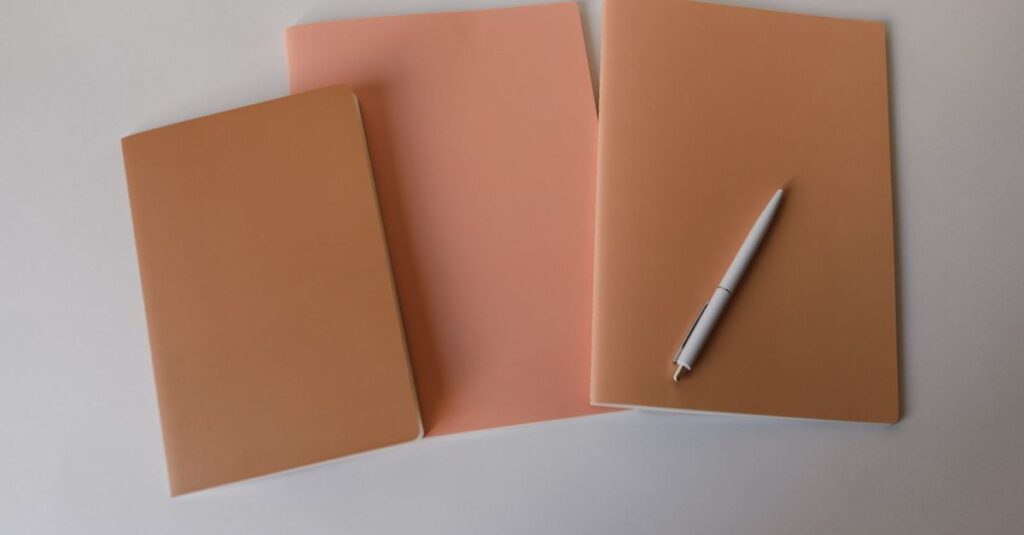
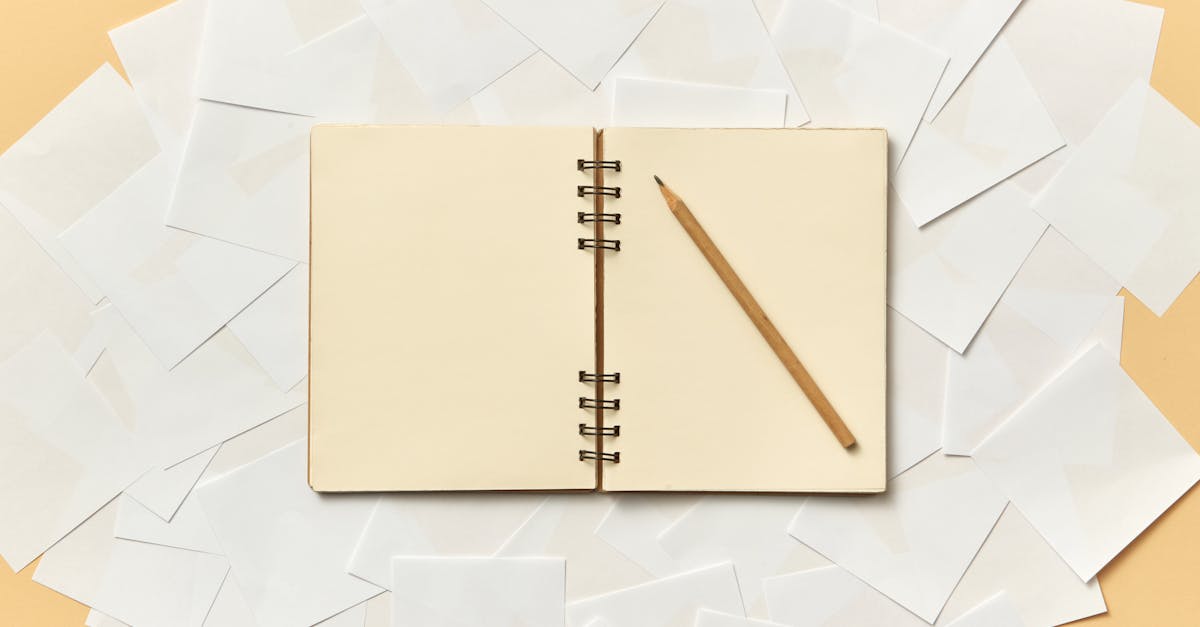
Right. Let’s get the basics out of the way. An unruled notebook is exactly what it sounds like: a bound book of paper with no pre-printed lines, grids, or margins on the pages. Just clean, blank sheets.
In our factory, “UR” is the code. It goes on the order sheet next to “SR” (Single Ruled), “DR” (Double Ruled), and “CR” (Cross Ruled). The manufacturing process is identical — the same 54 GSM writing paper, the same stitching or spiral binding, the same cover lamination — except we skip one step: the ruling print. That’s it. No fancy voodoo.
But here’s where people get tripped up. They think “blank” means “unstructured.” It doesn’t. It means “user-defined structure.” The constraint isn’t on the page; it’s in the user’s head. And for certain tasks, removing that pre-drawn constraint is the whole point.
The Real-Life Shift
I was talking to a procurement manager for a chain of international schools last month — over WhatsApp, actually, because that’s how most of these conversations happen now — and she said something that stuck with me. She said, “We ordered 5000 unruled books for the design and art streams. The feedback wasn’t about freedom. It was about precision. The kids were using rulers and T-squares on them. They said the lines were never where they needed them to be.”
It wasn’t about being artistic. It was about being accurate.
Who Actually Buys Unruled Notebooks in Bulk? (And Why)
This is probably the part you’re here for. Because you’re not buying one notebook. You’re buying pallets. So who’s ordering truckloads of blank pages?
- Schools & Colleges (Art/Design/Architecture Departments): This is the big one. Standard ruled notebooks are useless for sketching perspectives, plotting graphs freehand, or drafting technical drawings. An unruled book, especially in larger sizes like our A4 or Account Book size (33.9 x 21 cm), is a fundamental tool.
- Corporate Training & Development Teams: Think workshop flipcharts, but personal. Mind-mapping, brainstorming sessions, UX wireframing — anything that requires non-linear thinking. Lines imply order. Blank pages imply possibility. It’s a psychological trigger, and smart facilitators know it.
- Researchers & Scientists (Lab Notebooks): Often, they need to mix text, complex diagrams, chemical structures, and data tables on the same page. A ruled line straight through a diagram ruins it. Many prefer unruled or subtly gridded pages for this reason.
- Wholesalers & Distributors: You’re catering to a mixed market. Having unruled options in your catalog, especially in premium covers for the “creative professional” retail segment, fills a gap. It’s a higher-margin niche if you position it right.
- Corporate Gifting / Branded Merchandise: A high-quality, leather-bound unruled notebook feels more premium, more “executive,” than a standard ruled one. It suggests big ideas, not just meeting notes.
Look, I’ll be direct. If you’re supplying primary school notebooks, 95% will be ruled. But once you hit secondary education, universities, and the professional world, that blank page becomes a specific, calculated tool. It’s not an accident.
Unruled vs. Ruled: A Procurement Manager’s Comparison
You’re comparing specs. Let’s make it easier. Here’s the side-by-side you’d make yourself.
| Factor | Unruled Notebook (UR) | Single-Ruled Notebook (SR) |
|---|---|---|
| Primary Use Case | Drawing, sketching, technical diagrams, mind-mapping, mixed-format notes. | Linear note-taking, written assignments, general-purpose writing. |
| Perceived Value | Often higher; associated with creativity & premium use. | Standard, utilitarian. |
| Bulk Order Consideration | Specialized need. Lower volume, but often higher margin per unit. | High-volume staple. Commodity pricing, fierce competition. |
| Customization Flexibility | Blank cover = perfect for bold, full-bleed logo prints or artwork. | Cover design must work around the “notebook” aesthetic. |
| Paper Quality Scrutiny | Higher. Any flaw in the paper sheet is immediately visible. | Lines can sometimes mask minor imperfections in the sheet. |
| Manufacturing Cost (for you) | Marginally lower (no ruling print pass). | Marginally higher (extra printing step). |
| Ideal Binding Types | Lay-flat binding (Spiral, Perfect Binding) is preferred for double-page spreads. | Any binding (Stitched, Spiral, Perfect) works fine. |
The question isn’t which is better. It’s which is better for the specific person using it. And that’s your real job as a buyer: matching the tool to the task.
The Manufacturing Angle: What Changes on the Factory Floor?
Okay, so you’re considering an order. What should you know from the production side? From our factory in Rajahmundry, here’s the insider view.
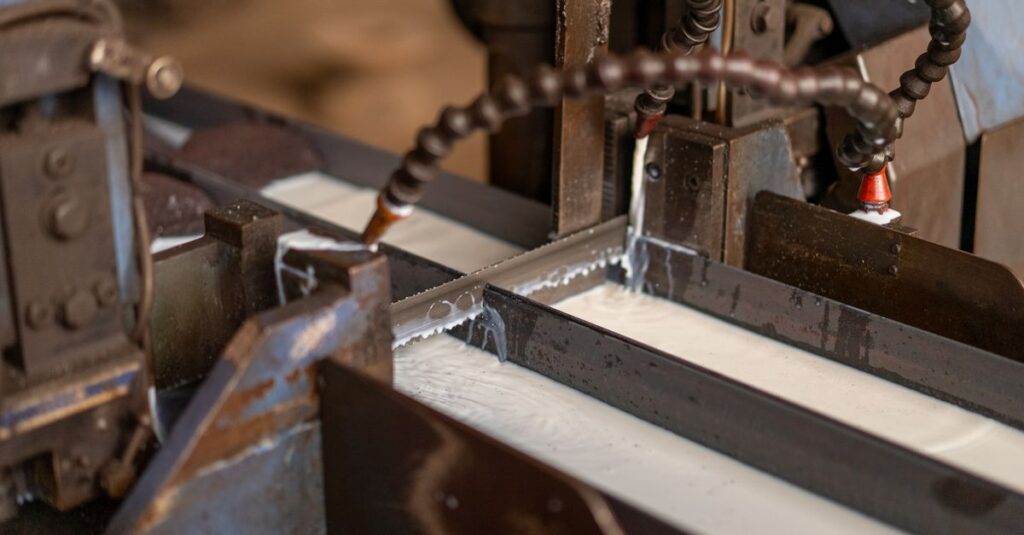
Three things happen when we switch an order from ruled to unruled. First, the printing press skips a cycle. That sounds small, but it means less ink, less machine wear, and a slightly faster run. Second, quality control gets a bit more intense. On a ruled page, the eye is drawn to the line. On a blank page, the eye goes straight to any tiny spot, fleck, or inconsistency in the paper. We have to be sharper. Third — and this is key for custom orders — the cover design options open up completely.
I think about this a lot. A blank page is a purer product. It’s just paper and binding. There’s nothing to hide behind. That means the paper has to be good. Our standard 54 GSM writing paper is chosen because it’s smooth, takes pencil and ink well without bleeding, and has a consistent brightness. With unruled, that’s the whole show.
Expert Insight
I was reading an interview with a product designer last month, and one line stuck with me. He said the most user-hostile thing you can do is give someone the wrong constraints. A ruled line to a draughtsman is a wrong constraint. A blank page to a first-grader is a terrifying lack of constraint. The job of the manufacturer — and by extension, the procurer — is to understand the difference. It sounds obvious, but you’d be surprised how many orders get placed on autopilot. “Notebooks are notebooks.” They’re really not.
Common Questions (And Some Honest Answers)
Frequently Asked Questions
Are unruled notebooks cheaper to manufacture?
Technically, yes, by a tiny margin because we skip the ruling print pass. But that rarely translates to a lower price for you. Why? The perceived value is higher, and the quality threshold is stricter. The savings on ink are negligible compared to the care needed in paper selection and binding. We usually price them comparably to ruled ones.
What paper quality is best for unruled notebooks?
You want a smoother, brighter paper. Any texture or discoloration is more visible. We recommend our 70-80 GSM paper for premium unruled orders, especially for artists or corporate gifts. The standard 54 GSM is perfectly fine for school or rough work, but if the brief is “premium feel,” go heavier.
Can we get part of a bulk order as unruled?
Absolutely. This is common. Schools might order 80% ruled and 20% unruled for specific classes. We just split the print run. It’s no problem at our scale. Just specify the quantities per ruling type on your custom printing order.
Is spiral binding better than stitched for unruled books?
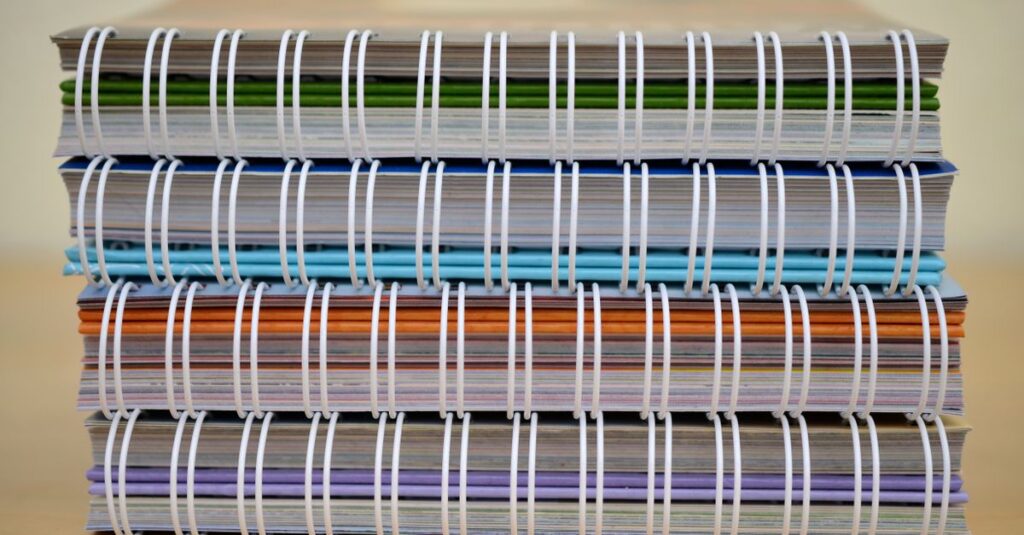
It depends on the use. For art or design where someone might want the book to lay completely flat to work across two pages, spiral binding is king. For general note-taking, stitched is more durable and looks more professional. We can do both.
Do you offer unruled pages on one side only?
Yes, that’s our “OSR” (One Side Ruled) option. One side blank for sketches, the other side ruled for notes. It’s a popular hybrid for engineering students and researchers. Just ask for it specifically.
Wrapping This Up
So, what’s the takeaway? If you’re looking at that “UR” on the spec sheet with skepticism, maybe don’t. It represents a deliberate choice for a specific kind of work. It’s not a lesser notebook. In many contexts, it’s a more specialized, more valued tool.
The procurement game has changed. It’s not just about buying the cheapest, most common option. It’s about buying the right option. For your design students, your creative teams, your high-end clients — a blank page isn’t an empty one. It’s a full one, waiting for what they need to put on it. Your job is to give them the right canvas.
And maybe that’s the point. Manufacturing isn’t just about making things. It’s about enabling work. Sometimes that work needs lines. Sometimes it desperately doesn’t. If you’re figuring out which one your next order needs, that’s a conversation worth having.