What Exactly Is Stationery for Printing?
Let's be honest — the phrase 'stationery for printing' can mean a few different things. I'm talking about any blank or partially printed paper product that gets customised with your logo, design, or text. Notebooks, diaries, account books, writing pads, spiral-bound notepads — all of it.
Most people think it's simple: pick a notebook, add a logo, done. But there's a lot more under the surface. The paper grade, the binding method, the type of printing (offset vs digital) — every choice affects the final product. And if you're ordering a few thousand units, those choices multiply fast.
Here's what usually catches people off guard:
- Paper thickness — measured in GSM. Too low and the ink bleeds through.
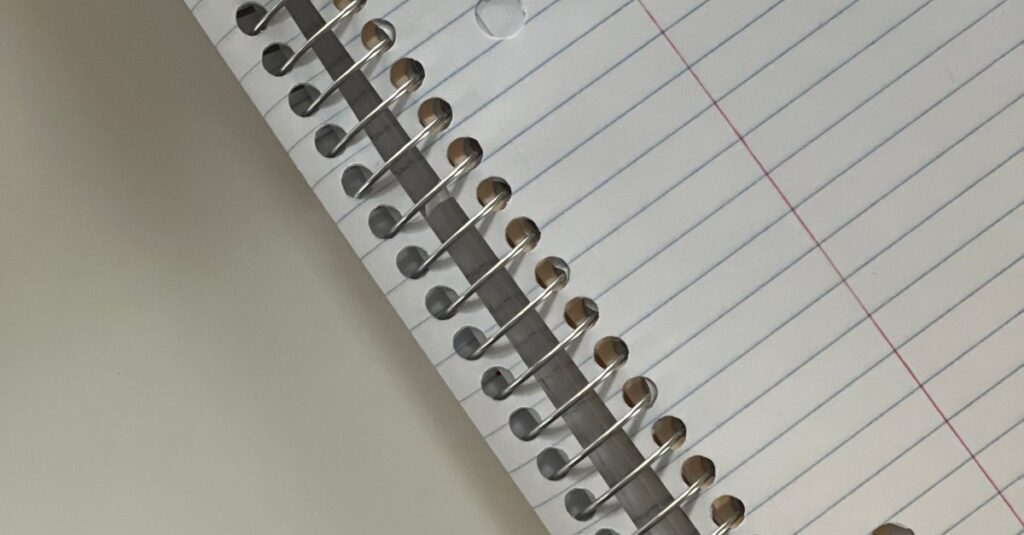
- Binding strength — stitched vs spiral vs perfect. Spiral lies flat but can bend. Stitched lasts longer.
- Print durability — offset ink stays crisp longer than digital toner on some papers.
I've had clients who assumed all notebooks are the same. They're not. And if you don't ask the right questions, you end up with something that looks okay in a sample but falls apart in real use. Sri Rama Notebooks has been making these for forty years — we know which details actually matter.
Key Factors That Make or Break Your Order
Three years ago, a guy named Rajesh called me. He was 42, procurement manager for a Hyderabad-based IT firm. He needed 2,000 diaries for a big conference. Deadline: six weeks. He found a printer who quoted half of what we charge. Said he was being smart with the budget.
I didn't argue. That's not my style.
Fast forward to five weeks later. Rajesh emails me again. The diaries had arrived — and the binding was already splitting on half of them. The cover was curling because the GSM was too low. The logo printed fine but looked cheap because they used a low-resolution file. He asked if we could reprint. We did. But now he still keeps my number on speed dial.
Thing is, Rajesh isn't alone. Most people focus on price and delivery time. They forget about:
- Paper GSM — minimum 70 GSM for writing, 100+ for premium diaries. Anything below 60 GSM and you'll see ghosting.
- Binding type — stitched is best for heavy use. Spiral is convenient but can snag. Perfect binding looks clean but can crack if the glue isn't good.
- Print method — offset gives sharp, consistent colour for large runs. Digital is cheaper for short runs but colour can vary.
And one more thing: ask for a physical sample before approving. Not a PDF. A real book. Your fingers know things your eyes don't.
Offset vs Digital Printing: Which One Should You Pick?
This is probably the biggest question people ask me. And my answer is always the same: it depends on the quantity and the design complexity.
Here's a quick comparison to help you decide:
| Factor | Offset Printing | Digital Printing |
|---|---|---|
| Best for order size | 500+ units | 10–300 units |
| Colour consistency | Very high, Pantone match possible | Good, but can shift slightly between batches |
| Per-unit cost | Low for large runs | Higher per unit, no setup cost |
| Paper options | Wider range of GSM and texture | Limited mainly to coated/uncoated stocks |
| Detail in fine text | Sharpest edges | Slight softening at small sizes |
| Setup time | 1–2 days (plates, drying) | Same day if file is ready |
| Spot colours, foil, embossing | Easy to add | Requires separate process |
So which one for your stationery for printing? If you're ordering 1,000 branded notebooks for a sales conference, offset will save you money and look better. If you need 100 personalised diaries for an executive gift pack, digital is faster and less wasteful.
But here's the thing: the best results come from people who understand both methods and know when to use each. At our factory, we run both — we don't push one because it's cheaper for us. We push the one that's right for you.
Why Paper and Binding Are the Real Dealbreakers
Expert Insight
A few years ago, I had a client who wanted to save money on paper. He said his staff only writes notes for themselves, so why spend more on GSM. I warned him. He went with 56 GSM. Three months later, he called me again. The pages were tearing out. Ballpoint pens were bleeding through. His team started using their phones instead. The notebooks became expensive scratch pads. He ended up reordering with us at 80 GSM — and he told me, 'I should have listened the first time.'
That memory stuck with me. Paper weight isn't a luxury — it's a usability standard. If you want your notebooks to be used, not tossed aside, invest in paper that feels good to write on. Likewise, binding: stitched binding is the gold standard for longevity. It doesn't weaken over time. Perfect binding looks sleek but can crack if the spine is glued poorly. Spiral is great for flipping pages, but the holes can tear if the paper is too light.
I don't think there's one perfect binding. It depends on how the notebook will be used. What I do know: if the binding fails, the whole notebook fails. And nobody remembers the logo anymore.
Customization Options That Actually Add Value
Okay, so you've chosen paper and binding. Now what about the cover? Customisation is where your brand comes alive. But not all options are worth the cost. Here's what I've seen work best:
- Logo embossing — subtle, classy. Works well on leather or hardcover diaries.
- Foil stamping — metallic gold or silver adds a premium feel without being loud.
- Full colour print — good for covers with photos or complex artwork.
- Private label — your brand name on the cover, spine, and back. No middleman marks.
- Custom endpapers — often overlooked, but a patterned inside cover makes the book feel bespoke.
One thing I'll say: don't overdo it. A single, well-placed logo on the front cover + subtle foil on the spine is more memorable than a cluttered cover with three different finishes. Remember, your stationery for printing is a tool, not a billboard. Let it be useful first, branded second.
Also — check if your factory can do custom printing in small numbers for testing before you go big. We do that. It saves a lot of headache.
Frequently Asked Questions
What is stationery for printing exactly?
It refers to any paper-based product — notebooks, diaries, pads, account books — that undergoes custom printing (logo, text, design). Used by businesses, schools, and institutions for branding and office use.
What GSM paper is best for printed notebooks?
For writing, 70–80 GSM is a good balance. For premium diaries, 100 GSM or higher. Avoid anything below 60 GSM if you want ink to stay on one side only.
Which binding method lasts the longest?
Stitched binding (also called sewn) is the most durable. Perfect binding is clean but can crack with heavy use. Spiral binding is flexible but less robust for long-term storage.
Can I order custom size notebooks for printing?
Yes, most manufacturers can do custom sizes. Common sizes include A4, A5, Long, Short, and King. Custom sizes may have minimum order quantities. Always confirm before ordering.
How do I choose between offset and digital printing for my stationery?
Use offset for runs of 500+ units — lower cost per unit and better colour consistency. Use digital for short runs under 300 units — faster turnaround and no plate costs.
I've written a lot here. But the core of it is simple: good stationery for printing comes down to three things — paper, binding, and print quality. Get those right, and everything else falls into place.
I don't have a neat ending for this. Because there isn't one. Every order is different. Every client wants something slightly different. That's okay. What matters is that you work with someone who actually knows how to make the stuff — not just someone who can place an order for you.
If you're thinking about ordering printed stationery, and you want it done without the headaches Rajesh had, Sri Rama Notebooks is here. We've been at this since 1985. We still make things by hand, but we also run modern machines. We care about the final product because we still sign our name on every box.