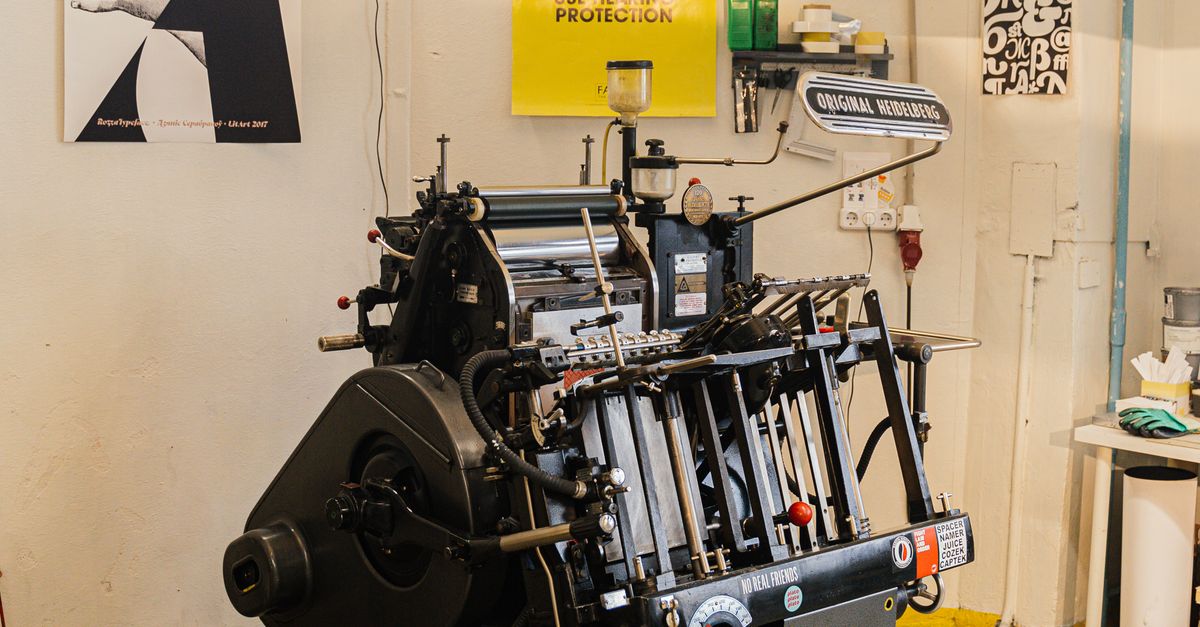
What Is The Print Shop — Really?
Most people walk past a print shop and think copying. Or flyers. Maybe a wedding invitation if someone’s feeling fancy.
I think that’s the wrong way to look at it.
Here’s what I’ve seen after forty years in this business — a proper print shop is where notebooks actually get made. Where paper becomes product. Where a stack of blank sheets turns into something a kid uses all year or a corporate manager flips through during meetings.
That transformation doesn’t happen by magic. It happens on machines. And somebody has to know what they’re doing.
If you’re buying bulk notebooks — for a school chain, a corporate order, or a government tender — you need to understand the print shop behind the product. Not because it’s interesting. Because it protects your money.
Sri Rama Notebooks has been running a print shop since 1985. I’ll walk you through how it actually works.
How A Print Shop Actually Produces Notebooks
You send an enquiry. Someone quotes a price. They send samples. You approve. Order placed.
That’s what the buyer sees.
What happens inside the print shop is where things get real. And I think most procurement managers don’t ask enough questions about this part.
First, the paper arrives. Usually in pallets. One pallet of 54 GSM paper — the stuff most school notebooks use — weighs about a ton. The printing department checks moisture content, grain direction, and surface finish before a single sheet touches the press.
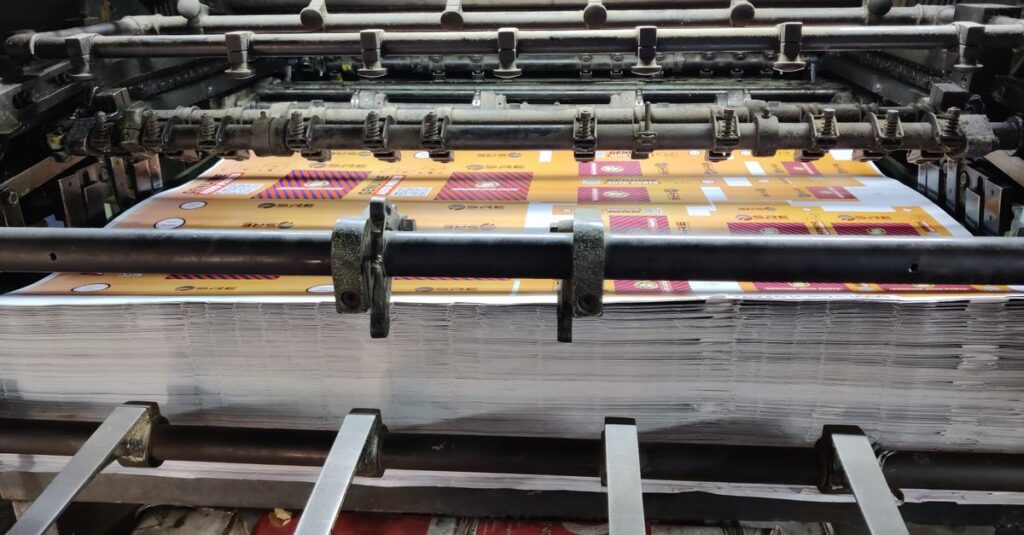
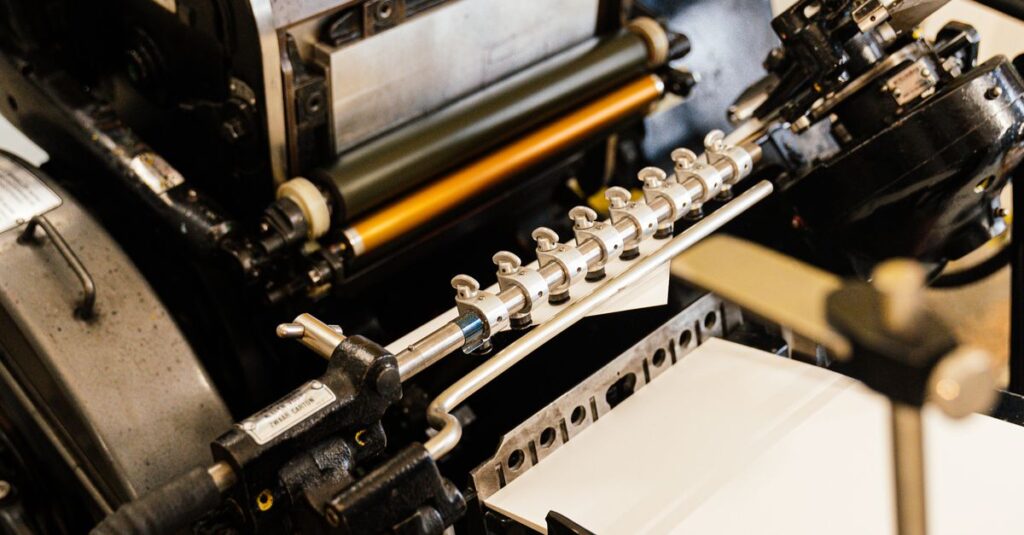
Then the plates. For offset printing — which is what we use for 95% of notebook orders — each color needs a separate metal plate. Four colors. Four plates. Each one costs time to make. Each one has to be perfect because once the press runs, mistakes get expensive fast.
The press itself runs at speed. A good operator can run 8,000 to 10,000 sheets an hour. But here’s the catch — speed means nothing if registration is off. If the blue doesn’t line up with the yellow, you get blurry text. And you can’t sell blurry notebooks.
What Buyers Miss About Print Quality
Three things I see corporate buyers overlook all the time:
- Ink density — too light and logos look faded; too dark and pages bleed through
- Paper alignment — if sheets shift during printing, margins become uneven across the batch
- Drying time — rush this and ink smudges during binding. I’ve seen entire pallets rejected because someone was impatient
The print shop isn’t just a room with machines. It’s a workflow. Every step depends on the one before it. And when someone cuts corners on the press, you feel it in the final notebook.
I once sat with a distributor from Visakhapatnam who told me he lost a school contract because the ink on 2,000 notebooks smelled chemical for three weeks after delivery. The manufacturer had rushed the drying. He never ordered from them again.
So when you’re choosing a supplier — ask them how many hours they let ink cure before binding. The answer tells you a lot.
What The Print Shop Can (And Can’t) Do For Custom Notebooks
Custom notebooks are having a moment. Every corporate wants their logo on something. Every school wants their name on the cover. Every college wants a specific color combination.
And a good print shop can do that. But not everything.
I’ll give you an example. Foil stamping. It looks great. Gold foil on a black cover — very premium. But foil stamping is not printing. It’s a completely separate process that happens after the cover is printed. It needs a different machine, a different setup, and it runs slower than regular printing.
Same with embossing. Debossing. Spot UV. All these effects look beautiful. But they add days to production time.
Here’s the thing — most buyers don’t plan for that. They want a custom notebook with three special effects, and they want it in two weeks. A real print shop will tell you that’s not possible, or they’ll rush it and the quality suffers.
| Customization Type | Standard Print Shop | Advanced Print Shop |
|---|---|---|
| Logo printing (1 color) | 2-3 days | 1-2 days |
| Full color cover (4 color offset) | 4-5 days | 2-3 days |
| Foil stamping | Not available | +2 days setup |
| Embossing / Debossing | Not available | +3 days setup |
| Custom paper stock | Limited options | Wide range available |
Expert Insight
I remember this one time — must have been 1998 — we had a corporate order for 10,000 diaries. The client wanted foil stamping on every single cover. Gold foil. I told the production manager it would take a week just for the stamping setup. He didn’t believe me. So we ran a test batch of 50. Each one took four minutes. Four minutes per book. We did the math. 40,000 minutes. That’s 27 days of nonstop foil stamping. The client dropped the foil request. Sometimes the print shop teaches you what you actually need versus what you think you want.
Why The Print Shop Matters For Bulk Orders
Let me tell you about Priya. She’s a procurement officer for a chain of 22 schools in Andhra Pradesh. She’s been ordering notebooks for six years.
I met her at a trade show in Vijayawada. She told me about her worst order — 15,000 notebooks delivered with the school logo printed upside down on every single cover. The print shop had loaded the plates backward. Nobody caught it until the pallets were already at the schools.
She had to rush-order replacements. Paid double for express production. Lost three weeks of the academic term.
The problem wasn’t the price or the paper quality. The problem was the print shop didn’t have a proper check system. No proof approval. No pre-press verification. Just rush, rush, rush until something went wrong.
This is why the print shop matters more than the quote. A cheap price from a print shop with bad processes costs you ten times more in the long run.
At Sri Rama Notebooks, we still do physical proof approvals for every bulk order. It’s old school. It takes an extra day. But nobody has gotten upside-down logos in 15 years.
Look — I’m not saying every print shop is like that. But the one that supplies your notebooks? You should know if they verify their plates or trust their operators. The difference shows up on your desk.
Sri Rama Notebooks has been doing this since 1985. We’ve made the mistakes so you don’t have to.
What To Look For When Choosing A Print Shop For Notebooks
If you’re buying notebooks in bulk, here’s what I’d check before placing an order:
Ask about their pre-press process. Do they have a dedicated person checking files? Or does the press operator just load whatever comes through? This makes a huge difference in accuracy.
Check their paper storage. Paper should be stored in a climate-controlled area. Humidity ruins paper. And ruined paper makes bad notebooks. If the print shop keeps paper in a damp warehouse, walk away.
See how they handle proof approval. A good print shop will make you sign off on a physical proof before production starts. If they just send a digital file and ask you to say “looks fine,” you’re taking a risk.
Test their binding on your actual paper. I’ve seen beautiful printing ruined by bad binding. Pages falling out. Covers peeling off. Insides misaligned. Ask for a bound sample, not just printed sheets.
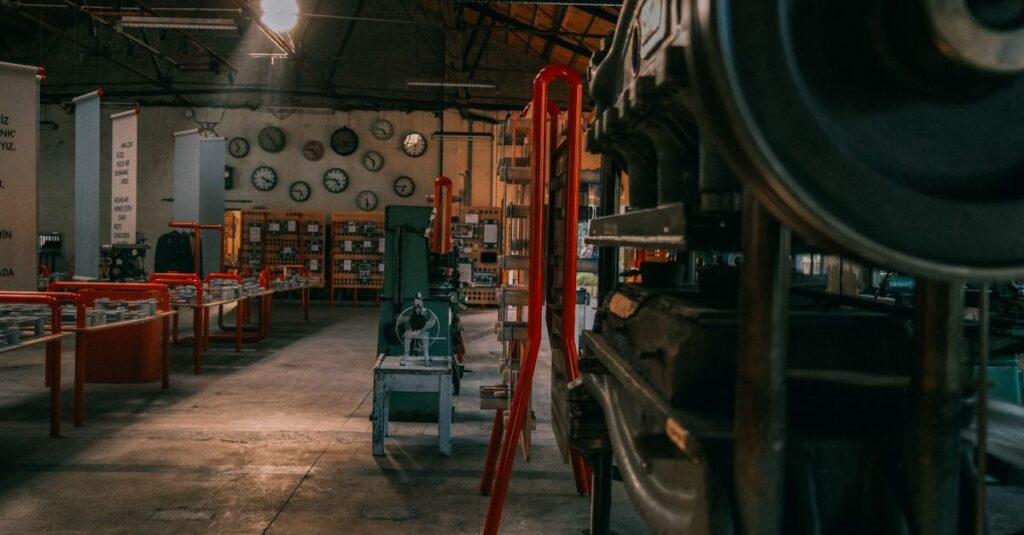
And honestly? Visit the print shop if you can. I know it’s extra work. But walking through a real production floor tells you more than any brochure or website. You see the dust. You hear the machines. You smell the ink. You know within five minutes if people know what they’re doing.
Frequently Asked Questions
What does a print shop actually do for notebooks?
A print shop handles the printing of covers and inner pages, binding, cutting, and finishing for notebooks. For bulk orders, this includes offset printing, plate making, color matching, and quality checks before the notebooks are packed and shipped.
How long does it take for a print shop to produce bulk notebooks?
For standard notebooks without special effects, a well-equipped print shop can produce 30,000 to 40,000 units per day. Customization like foil stamping or embossing adds 2-5 days depending on the complexity and order size.
What quality should I expect from a notebook print shop?
Expect consistent ink density, properly aligned margins, clean cuts, and durable binding. A reliable print shop will provide a physical proof before production and maintain quality checks throughout the run to catch issues early.
Can a print shop do custom logo printing on notebooks?
Yes. Most print shops offer logo printing using offset or digital methods. For larger bulk orders, offset printing gives better color consistency and lower per-unit cost. Some also offer foil stamping, embossing, and spot UV for premium finishes.
How do I choose the right print shop for bulk notebook orders?
Look for experience with bulk production, check their pre-press and proofing process, verify paper storage conditions, and request bound samples before committing. Visiting the facility is ideal but reviewing their quality control process is essential.
So What’s The Takeaway
The print shop isn’t just a place that prints things. It’s where paper becomes product. Where a design becomes a thing someone holds. And honestly, most people don’t think about it until something goes wrong.
I don’t think there’s one perfect way to choose a print shop for notebooks. But if you ask the right questions — about process, quality checks, and real production timelines — you avoid the expensive surprises.
If you’re looking for a print shop that’s been doing this since 1985 and still believes in physical proofs and honest timelines, Sri Rama Notebooks is here. One call is all it takes to start.