What Is Thesis Book Binding?
You've spent months — probably years — writing. Editing. Crying a little. And now there's one last hurdle: making it physical. The thesis book binding is what turns your digital document into something you can actually hold. Something you can hand to your advisor and say, 'Here. It's done.'
I've seen students show up at our factory with a stack of loose pages and a look of panic. They didn't think about binding until the day before submission. Don't be that person. Understanding the options early saves you time, money, and a lot of stress.
If you're ordering for a batch of students or a department, Sri Rama Notebooks handles bulk thesis binding with the same care we put into our notebooks — since 1985.
Why Binding Quality Matters for a Thesis
Here's the thing — a thesis isn't a notebook you'll toss after a semester. It gets read, referenced, stored on library shelves. Maybe someone picks it up twenty years from now. The binding has to last.
I remember a professor who came to us with a thesis from the 90s. The pages had fallen out. The spine was cracked. He wanted it rebound for an anniversary exhibit. That's the kind of lifespan you're dealing with.
What to Look For
- Paper quality — 70 GSM or higher for thesis pages
- Spine strength — can it lay flat when opened?
- Cover durability — hardcover vs softcover
- Edge finishing — clean cut, no rough edges
Most people don't realize that the binding affects how the book opens. If it's too tight, you can't read the inner margins. If it's too loose, pages pull out. There's a sweet spot, and that comes from experience — the kind you get after forty years of making bound books.
Stitched vs Spiral vs Perfect Binding — Which One for Your Thesis?
There's no universal best option. It depends on how many copies you need, your budget, and whether you want it to look like a proper library book or something more practical. Here's a comparison to help you decide.
| Binding Type | Best For | Durability | Lays Flat | Cost (per book) | Customization |
|---|---|---|---|---|---|
| Stitched (Saddle Stitch) | Small theses, under 80 pages | Medium | Yes | Low | Limited |
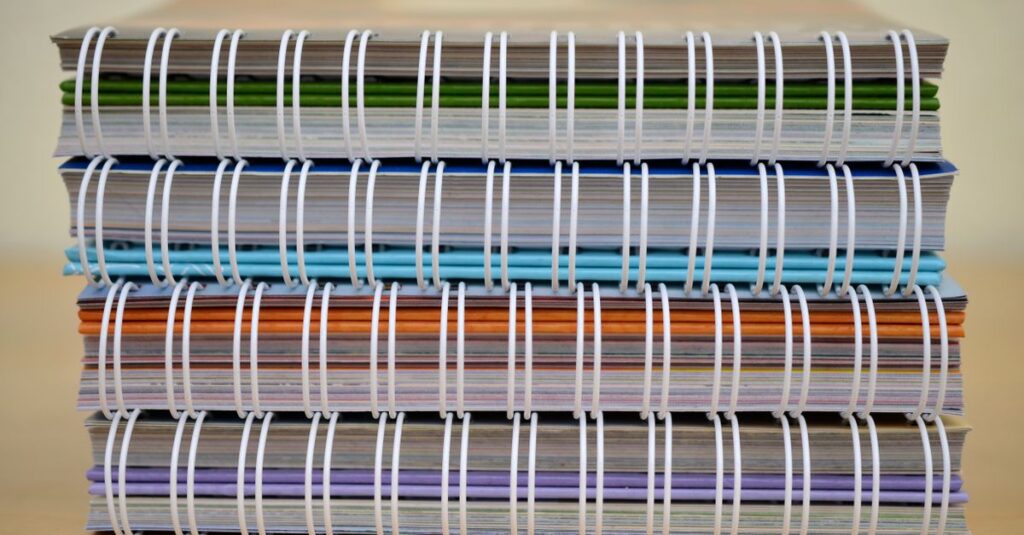
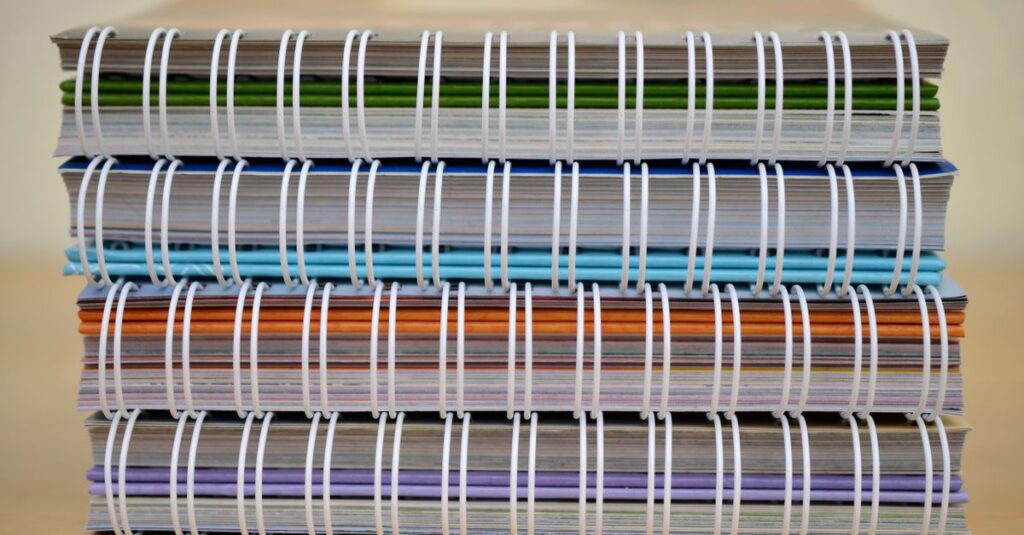
| Spiral Binding | Working drafts, presentations | Medium | Yes (full) | Low | High |
| Perfect Binding | Final thesis, 80+ pages | High | Partially | Medium | High |
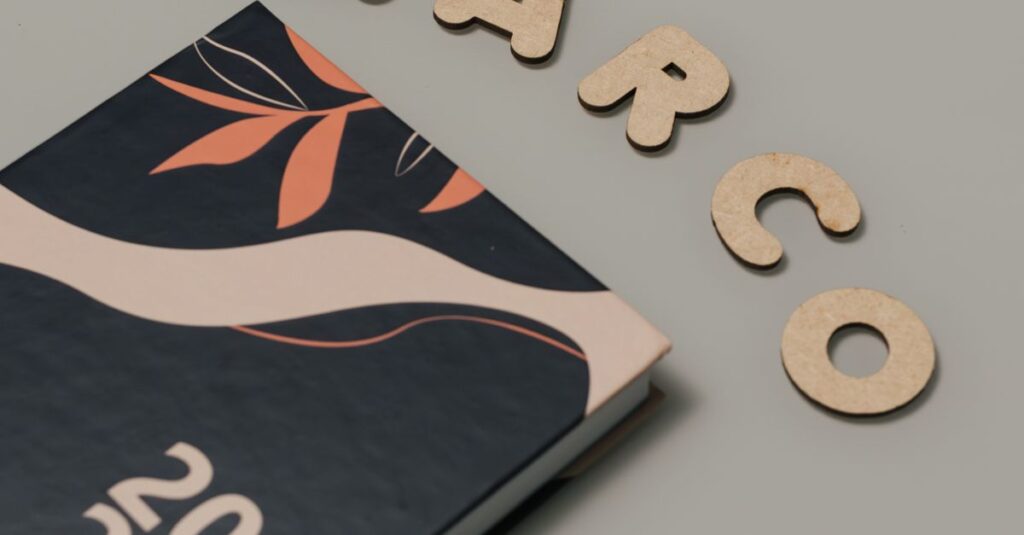
| Hardcover (Case Binding) | Library archives, gifts | Very High | No | High | Full |
For most university submissions, perfect binding is the standard. It gives you a flat spine that can be printed with the title and author name. It's what you see on bookstore shelves. Spiral is faster and cheaper, but doesn't look as professional for the final copy.
And honestly? I'd avoid stitched for anything over 60 pages unless you want a flimsy feel.
Common Mistakes People Make with Thesis Book Binding
I've seen the same errors year after year. Here are the big ones:
- Waiting until the last minute — binding takes time, especially if you want custom covers or foil stamping.
- Using the wrong paper size — your document might be A4, but the binding machine might only handle up to A5. Check before you print.
- Ignoring margin settings — if your inner margin is too narrow, part of the text disappears into the spine.
- Choosing cheap binding to save money — I get it, budgets are tight. But a thesis that falls apart is a bad look. Spend a little more on perfect binding.
- Not checking the spine alignment — I once saw a batch where the title was printed upside down. Don't laugh. It happens.
A quick story: Arjun, a 26-year-old engineering student from Kakinada, came to us with 150 pages printed on 80 GSM paper. He wanted spiral binding because it was cheap. I told him, 'This thesis will be read by your committee. Give it some respect.' He switched to perfect binding with a matte laminated cover. He came back a month later and said his advisor complimented the presentation. Little things matter.
Expert Insight — What I've Learned About Thesis Binding
I was talking to a librarian from Andhra University last year — she handles thesis archiving. She said the biggest complaint from students is that their binding doesn't survive more than two readings. That's not a complaint you want to hear after you've left campus.
In my experience, the difference between a binding that lasts and one that doesn't comes down to two things: the glue quality and the cover board thickness. Cheap glue dries brittle. Thin boards warp. We use industrial-grade EVA hotmelt for perfect binding and 2mm greyboard for hardcovers. It's not fancy. It just works.
I don't have a scientific study to cite here. But I've handled tens of thousands of bound books. That counts for something.
Thesis Book Binding for Bulk Orders — Schools, Colleges, and Institutions
If you're ordering thesis binding for an entire department or a graduation batch, the game changes. You want consistency. You want every copy to look identical. And you want to stay within budget.
At Sri Rama Notebooks, our printing services can handle runs of 100 to 10,000 copies. We offer:
- Custom cover design with embossing or foil stamping
- Logo printing on front and spine
- Choice of paper GSM and ruling type
- Private labeling for your institution
One thing I tell all procurement managers: order a sample first. Bind one copy exactly the way you want it, then approve the production. It saves headaches later.
We had a college in Vizag that ordered 500 thesis bindings for their MBA batch. They wanted spiral because it was cheaper — but the students hated it because the coils bent in bags. Next year they switched to perfect binding. Sometimes you have to learn the hard way.
Frequently Asked Questions
Frequently Asked Questions
What is the best binding for a thesis?
Perfect binding is the most common choice for final thesis submissions. It looks professional, the spine can be printed with the title, and it holds up well for 80–300 page documents. For fewer pages, spiral or stitched can work.
How long does thesis book binding take?
At a professional bindery, 1–3 days is typical for small orders. For bulk orders (50+ copies), allow 5–7 business days. Rush services are sometimes available but cost extra.
Can I bind my thesis at a notebook printing company?
Yes, many notebook manufacturers like Sri Rama Notebooks offer thesis binding services. We use the same machines and materials as our notebooks — stitched, spiral, or perfect binding. Just bring your PDF or print-ready file.
What paper size should I use for thesis binding?
A4 is standard for most universities in India. A5 is sometimes accepted for shorter theses. Check your institution's guidelines first. Avoid using paper thinner than 70 GSM, as it may bleed through.
How much does thesis book binding cost?
Prices vary based on page count, binding type, cover materials, and quantity. Expect around ₹50–₹150 per copy for perfect binding in India. Bulk orders reduce the per-unit cost significantly.
Conclusion
Two things I want you to remember: first, don't leave binding for the last day. Second, spend a little extra on good binding — it's the cover of your hard work. I don't think there's a single 'right' way to bind a thesis. It depends on your university, your budget, and how much you care about longevity.
But if you want a binding that lasts, handled by people who've been doing this since 1985, Sri Rama Notebooks is here to help. Give us a call or drop an email. We'll walk you through the options.