

Why Writing Journals Matter More Than You Think
Let me tell you something straight. I've seen procurement managers spend hours trying to find decent writing journals for their corporate clients. They click through endless websites, find cheap options that fall apart in a week, or premium ones that cost a fortune. It's a headache. And honestly? Most factory-made journals feel exactly like that — factory-made. They don't have the right paper weight. The binding cracks after a month. You don't want that.
Writing journals are not just notebooks. They're where people plan their days, dump their thoughts, and sometimes cry over. The paper has to handle gel pens, fountain pens, and the occasional coffee ring. If you're buying for your school or office, or reselling to customers who expect quality, you need to know what goes inside. That's where Sri Rama Notebooks comes in — but I'm getting ahead of myself.
What Exactly Are Writing Journals?
Think of a writing journal as a blank canvas. It's not a ruled school notebook. It's not a diary with dates. It's a book with empty pages — sometimes lined, sometimes unruled — meant for free writing, journaling, sketching, or brainstorming. The paper quality matters more than you'd think. A 54 GSM paper that works for a school notebook will bleed through with a fountain pen. For writing journals, you want at least 70-80 GSM, sometimes higher.
Here's the thing — most bulk suppliers will try to sell you standard notebooks as journals. But they're not the same. A writing journal needs:
- Paper that doesn't ghost (yes, you can see the other side)
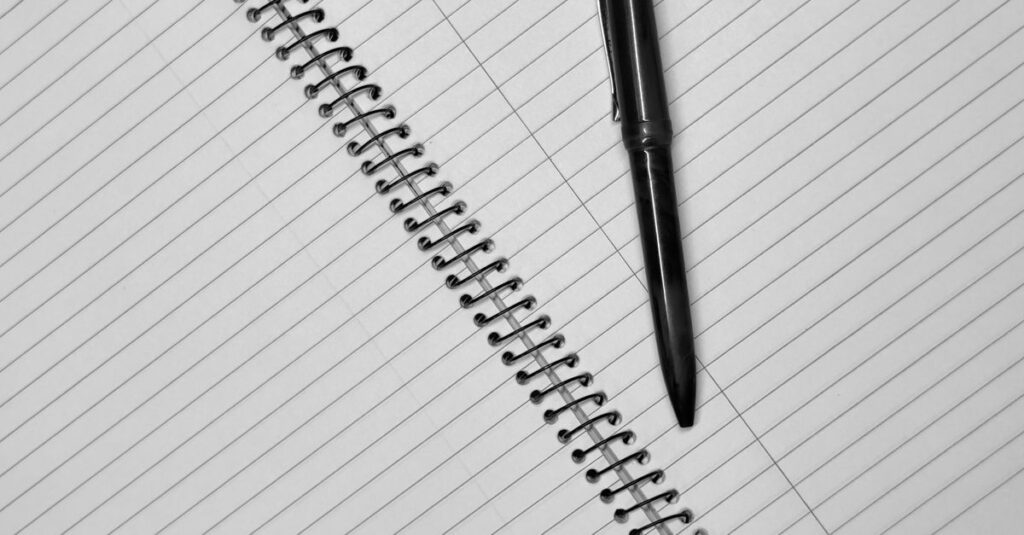
- Binding that lies flat (spiral or lay-flat stitched)
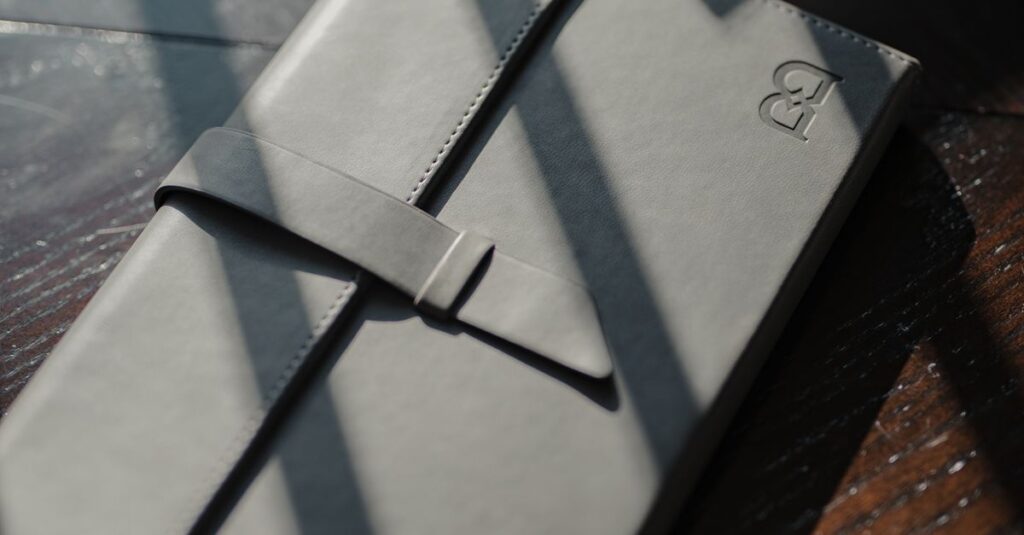
- Cover material that feels good — not flimsy cardboard
- Maybe an elastic closure or ribbon bookmark
I've seen orders where the buyer specified exactly that, and the factory delivered something else. It happens more than it should. If you're ordering in bulk, you can't just trust product images. You need samples, and you need a manufacturer who understands the difference.
Why Companies Choose Custom Writing Journals
Here's a scenario you probably know. You're a corporate procurement manager. The marketing team wants branded gifts for a conference. They don't want cheap pens or keychains. They want something useful. Writing journals are the answer — everyone uses them, and they're not thrown away after a week.
Custom writing journals with a company logo, embossed or foil-stamped, become mini billboards that sit on desks all year. I've had clients tell me they still see their old branded journals from three years ago in meetings. That's the kind of ROI you don't get from a tote bag.
What You Can Customize
- Cover material and color
- Paper type and ruling (blank, lined, dot grid)
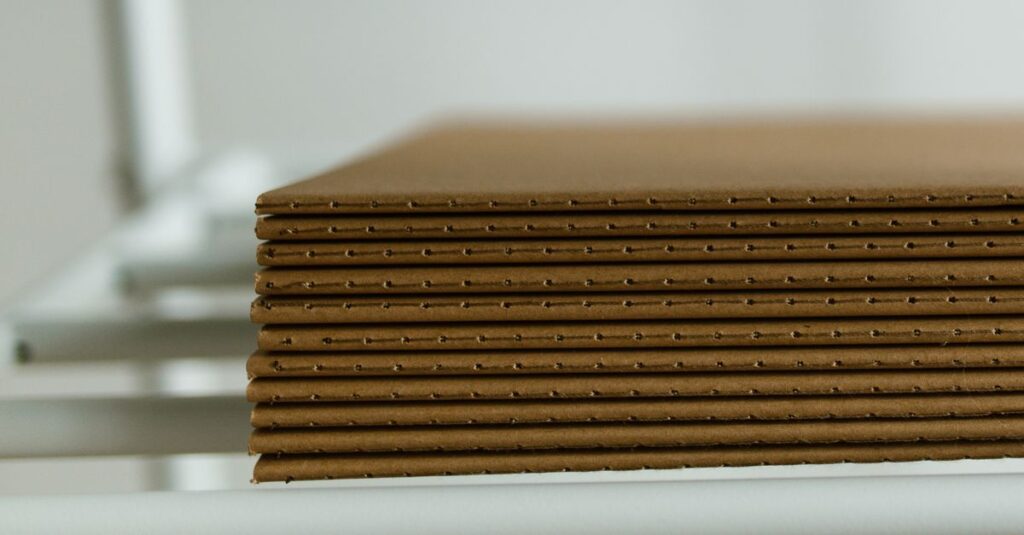
- Binding style (stitched, spiral, perfect)
- Size (A5, A4, King, etc.)
- Logo printing, embossing, foil stamping
But here's the catch — not every factory can do all of these well. Some are set up only for school notebooks. Customization requires different machinery, skilled operators, and a willingness to do short runs. That's where experience matters. We've been doing this since 1985, so I'd like to think we know a thing or two about it.
Types of Writing Journals: A Quick Comparison
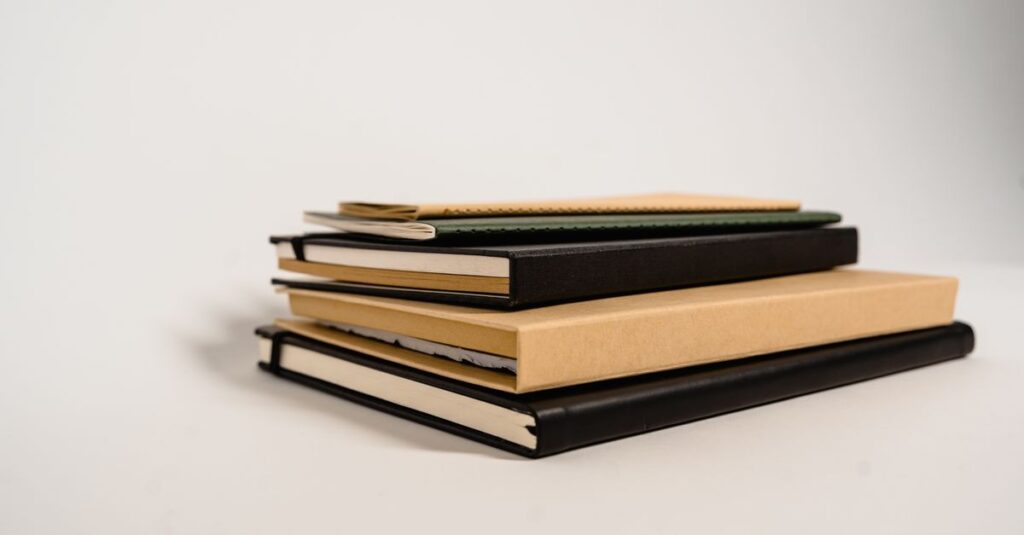
When you're buying in bulk, you need to decide which type fits your audience. Here's a straightforward comparison of the three most common binding styles.
| Feature | Spiral Bound | Stitched (Smyth Sewn) | Perfect Bound |
|---|---|---|---|
| Lies flat | Yes | Yes | No (needs breaking in) |
| Durability | Medium — coil can bend | High | Medium — pages can fall out |
| Customization ease | Easy | Requires skilled binding | Easy for thick books |
| Best for | Everyday journaling, students | Premium journals, long-term use | Thinner journals, notebooks |
| Cost per unit (bulk) | Low to medium | Medium to high | Low |
I'm not saying one is universally better. But if you're buying writing journals as corporate gifts, I'd lean toward stitched binding — it feels more premium and doesn't look cheap. If it's for school use, spiral is fine. The point is: choose based on who's using it, not just price.
Expert Insight: Why Paper Quality Is the Real Deal
I was talking to a friend who runs a stationery store in Hyderabad last year. He told me about a bulk order of writing journals he had to return — all of them. The paper was 50 GSM, and every single pen bled through. His client, a big tech firm, was furious. He said, "I should have ordered from someone who actually cares about paper."
That stuck with me. At Sri Rama Notebooks, we use 54 GSM paper for standard notebooks, but for writing journals we often go to 70 or 80 GSM. It's not just about bleeding — it's about the writing experience. You want the pen to glide, not catch on fibers. You want the ink to dry quickly without feathering. You want the paper to feel substantial. These are things you don't find in cheap imports. And honestly? Once you feel good paper, you can't go back.
But I'm not saying all expensive paper is good. There's a sweet spot. And the only way to know is to touch it. That's why we send free samples to serious buyers. No point guessing.
A Real Story: Mrs. Meena's Order
Mrs. Meena, a school principal in Rajahmundry, needed writing journals for her entire staff — about 80 teachers. She wanted something with a semi-hard cover, lined pages, and enough space for daily lesson notes. She'd been buying from a local shop, but they kept running out of stock.
She called us on a Tuesday afternoon. I remember because I was eating lunch. She said, "I need 200 journals, custom printed with the school name, delivered before the academic year starts. Can you do it?" I asked her what kind of binding she wanted. She didn't know — she just wanted them to last. We sent her samples of both stitched and spiral. She chose stitched. The order went smoothly, and she called back three months later to order for the next year. That's the kind of relationship you build when you deliver quality.
Frequently Asked Questions
Frequently Asked Questions
What paper GSM is best for writing journals?
For most fountain pens and gel pens, 70 to 80 GSM works well. Lower than 60 GSM will bleed. Higher than 100 GSM is fine but adds cost and bulk. We recommend 70 GSM for a good balance of quality and price.
Can I get custom covers on bulk writing journals?
Yes. We offer logo printing, embossing, foil stamping, and full custom cover design. You can choose paperboard, leatherette, or cloth finishes. Minimum order quantities depend on the customization complexity.
What sizes are available for writing journals?
We manufacture in standard sizes like A5, A4, King, Long, and Short. A5 is the most popular for journals. We can also do custom sizes if you order enough volume. Let us know your requirements.
How many writing journals can you produce per day?
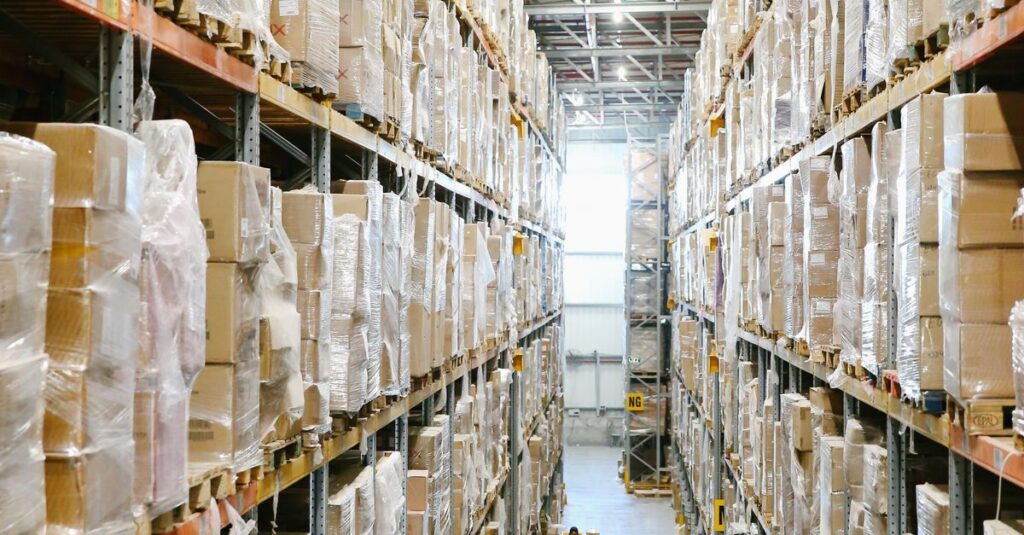
Our factory produces 30,000 to 40,000 bound notebooks daily. For writing journals, we can accommodate large orders with proper planning. We also handle small batches for corporate gifts.
Do you ship writing journals internationally?
Yes. We export to Gulf countries, Africa, USA, UK, Europe, and Australia. We handle packing and documentation. Contact us with your destination to get a shipping quote.
What You Should Do Next
Look, I don't have a perfect answer for every bulk order out there. Every buyer has different needs — budget, design, timing. But if you're looking for writing journals that actually feel good to write in, that last more than a month, and that you can put your brand on without worrying about quality — then you need a manufacturer who gets it.
Two takeaways: first, don't compromise on paper. Second, always ask for samples before committing to a bulk order. The rest is just logistics.
I don't think there's one magic solution. Probably there isn't. But if you've read this far, you already know what you're looking for — you just need someone who can deliver. That's where we come in. Sri Rama Notebooks.