

What Exactly Is A4 Cover Paper and Why Should You Care?
You ever pick up a notebook and the cover just feels… right? Not too flimsy. Not like cardboard. Just solid.
That's not luck. That's a4 cover paper. And most people don't think about it until they get a batch of notebooks where the covers start peeling after a week. Then they think about it. A lot.
Look, I've been in this factory since the late 90s. Sri Rama Notebooks, Rajahmundry. We've been printing and binding since 1985. And one thing I can tell you — the cover paper is where most notebooks either pass or fail. You can have the best inner sheets in the world. If your cover paper is cheap, the whole thing falls apart.
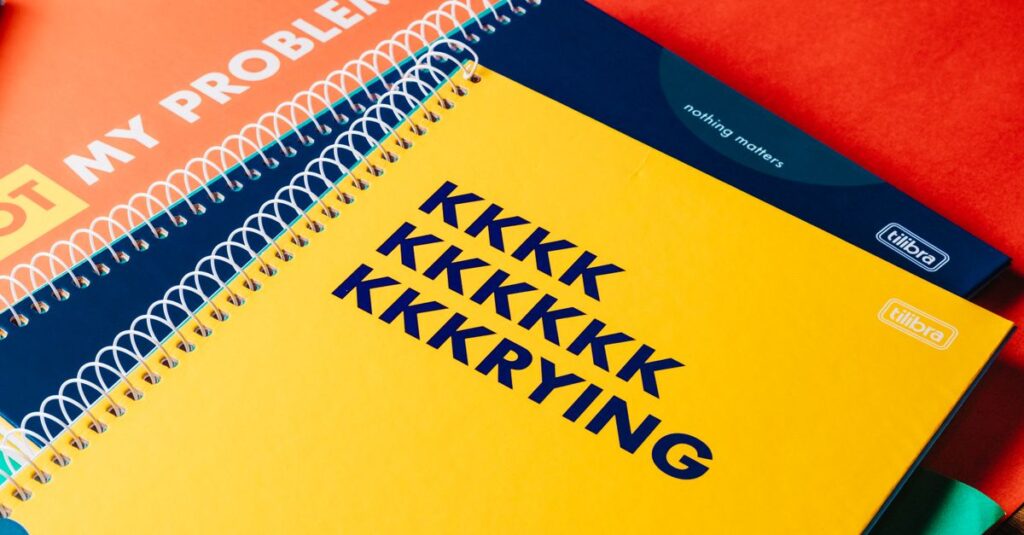
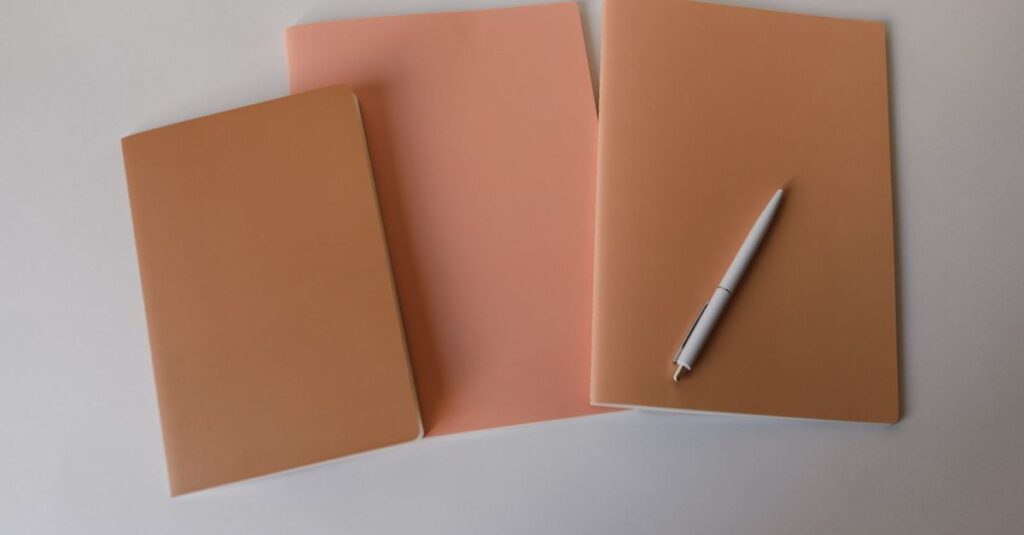
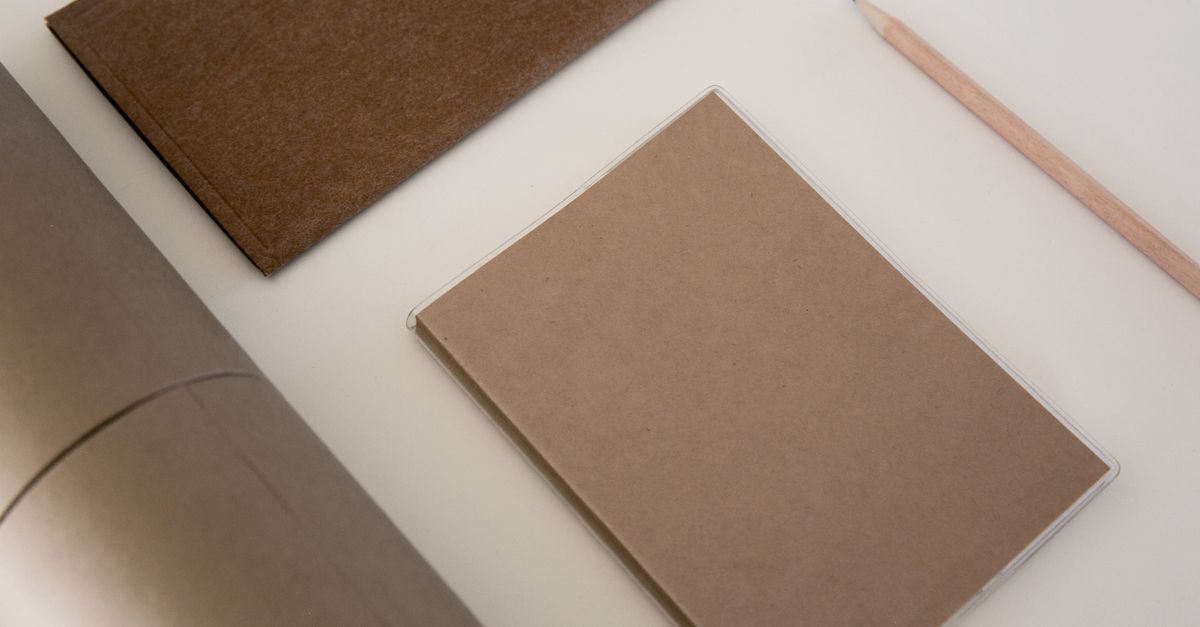
A4 cover paper is basically the heavy-duty paper used for the outer shell of A4-size notebooks, diaries, and account books. It's thicker than regular writing paper — usually 180 to 300 GSM. It takes printing, embossing, and foil stamping without tearing.
So if you're ordering notebooks for a school or a corporate event? This matters more than you think.
Sri Rama Notebooks has been doing this long enough to know the difference.
What Makes A4 Cover Paper Different From Regular Paper?
Simple answer: thickness and durability.
Regular notebook paper is around 54 to 70 GSM. Cover paper starts at 180 GSM and goes up to 350 or even 400 GSM. That's the difference between writing paper and something that can actually protect the pages inside.
But here's where it gets interesting — not all cover paper is the same. There are different types, and each one behaves differently when you print on it, fold it, or try to emboss a logo.
Most common types of cover paper we use:
- Art paper — smooth, glossy finish. Great for full-color printing. But it can crack at the spine if you fold it too hard.
- Card stock — stiff, matte. Holds up well for daily use. Most school notebooks use this.
- Plastic-coated paper — water-resistant. Expensive. Worth it if the notebook will sit on a desk in a humid city.
- Recycled cover paper — rough texture. Eco-friendly. Can be harder to print on, but some clients specifically ask for it.
I remember this one time in 2019 — we had a client from Dubai. Wanted a glossy finish on their corporate diaries. We sent them samples on three different cover papers. They picked the one that looked best — but it was too thin. By the time the diaries reached Dubai, some covers had bent at the corners.
The point is: a4 cover paper isn't just about looks. It's about what happens after the notebook leaves your hands.
How to Choose the Right A4 Cover Paper for Your Order
If you're a procurement manager or a school principal ordering 5,000 notebooks, here's what I'd tell you. And I'll keep it simple.
1. Think About Who's Using It
A school kid is going to throw a notebook into a bag with water bottles and half-eaten sandwiches. A corporate executive is going to leave it on a desk. Different needs. Different cover paper.
For school notebooks? 200-230 GSM card stock. Nothing fancy. Durable.
For corporate diaries? Go 250-300 GSM with a matte finish. Feels premium. Holds up.
For account books that get heavy daily use? 300+ GSM. Maybe even a plastic coating.
2. Check How It Prints
This is where things go wrong. You can have beautiful cover paper that prints like garbage.
Art paper prints beautifully. But it's slippery. Foil stamping doesn't always stick well. Embossing can crack the surface.
Uncoated paper takes foil and embossing like a dream. But color printing looks a bit dull.
We once had a private label order — a hotel chain in Singapore. They wanted a gold foil logo on a dark blue cover. The first sample failed because the cover paper was too glossy. The foil just peeled off. We switched to a slightly textured paper. Worked perfectly.
Pro tip: Always ask for a physical sample before you finalize. Digital proofs lie.
3. Don't Forget the Binding
The cover paper has to work with your binding style.
Spiral binding? You need cover paper that doesn't tear at the holes. Stitched binding? The paper needs to fold cleanly at the spine. Perfect binding? The cover has to glue well.
Not all cover papers behave the same way. A 300 GSM card stock works great for stitched binding. But for perfect binding? Might be too stiff to open flat.
Get these details right, or you'll end up with 10,000 unusable notebooks.
A4 Cover Paper vs Other Cover Papers: Comparison Table
| Feature | A4 Cover Paper | Standard Notebook Cover | Premium Card Cover |
|---|---|---|---|
| Typical GSM Range | 180 – 300 | 120 – 180 | 300 – 400 |
| Durability | High | Medium | Very High |
| Print Quality | Good to Excellent | Average | Excellent |
| Foil Stamping | Works well (uncoated) | Works, but can tear | Best results |
| Cost per Unit | Moderate | Low | High |
| Best For | School/College notebooks | Basic notebooks | Corporate diaries, gifts |
This isn't complicated. You just need to match the paper to the use.
Expert Insight: What I Learned the Hard Way
I'll tell you something I don't usually say in formal meetings.
Around 2017, we accepted a large order from a government school board. 50,000 notebooks. They wanted a very specific shade of blue for the cover. We matched it. Produced it. Shipped it.
Three weeks later, the covers started fading. Parents complained. The school board called us. Turns out, the pigment we used in the ink was photosensitive. Direct sunlight for a few days and the whole cover turned from navy blue to this weird washed-out purple.
We replaced the entire order. Cost us a lot. But we learned something: don't just test the paper. Test the ink ON the paper. Under light. Heat. Humidity. Fingerprints. Whatever the user will throw at it.
These are things you don't learn from a catalog. You learn them from 40 years of making mistakes.
And that's why I tell our clients: if you want a notebook that lasts, start with the cover. Everything else follows.
Real-Life Micro-Story: Rajesh's Notebook Problem
Rajesh runs a stationery store in Kakinada. 42 years old. He's been in the business for 18 years. Supplies notebooks to about 30 schools across East Godavari.
In 2022, he ordered 3,000 A4 notebooks from a new supplier in Hyderabad. The price was good. The delivery was on time.
But within two weeks of schools opening, teachers started complaining. The covers were curling up at the edges. By the end of the first month, some notebooks had the covers entirely detached.
Rajesh called me. Frustrated. Said he was losing face with the schools. I asked him one question: what GSM was the cover paper? He didn't know.
We sent him a batch with 230 GSM card stock cover paper. Same inner pages. Same binding. Cost him about 20% more per notebook.
He still buys from us. Says he learned his lesson. Cheap cover paper is never worth it.
Sri Rama Notebooks doesn't cut corners on cover paper. That's not arrogance. That's experience.
Frequently Asked Questions
Frequently Asked Questions
What GSM is best for A4 notebook cover paper?
For school and college notebooks, 200 to 230 GSM is a solid choice. It's thick enough to protect the pages but not so stiff that it cracks at the spine. For corporate diaries, 250 to 300 GSM gives a premium feel.
Can I print my logo on A4 cover paper?
Yes, absolutely. Most cover papers take offset or digital printing well. For best results with foil stamping or embossing, use uncoated or lightly textured cover paper. Always request a pre-production sample.
Is A4 cover paper the same as cardboard?
No. A4 cover paper is usually between 180 and 400 GSM, while cardboard starts at 600 GSM and above. Cover paper is designed to flex and fold at the spine. Cardboard would crack and break. Different materials entirely.
How do I test if cover paper is good quality?
Fold a corner back and forth four or five times. Good cover paper won't crack or leave a white line at the fold. Also scratch the surface lightly. If it scuffs easily, the coating is weak. Physical testing beats spec sheets every time.
Do you supply A4 notebooks with custom cover paper?
Yes. We manufacture notebooks with custom cover paper, including logo printing, foil stamping, embossing, and private labels. You choose the GSM, finish, and color. We produce 30,000 to 40,000 units daily at our Rajahmundry factory.
So What's the Takeaway?
Three things, really. One: a4 cover paper is not an afterthought — it's the first thing a user notices and the last thing that should fail. Two: match the GSM and finish to the actual use, not just the price. Three: test everything before you commit to bulk production.
I don't think there's a perfect formula here. Probably there isn't. Different buyers want different things. But if you've read this far, you already know what kind of notebook you want to put out into the world. You're just looking for someone who won't mess it up.
Sri Rama Notebooks has been doing this since 1985. We probably won't mess it up.