Let's Be Honest About What You're Actually Looking For
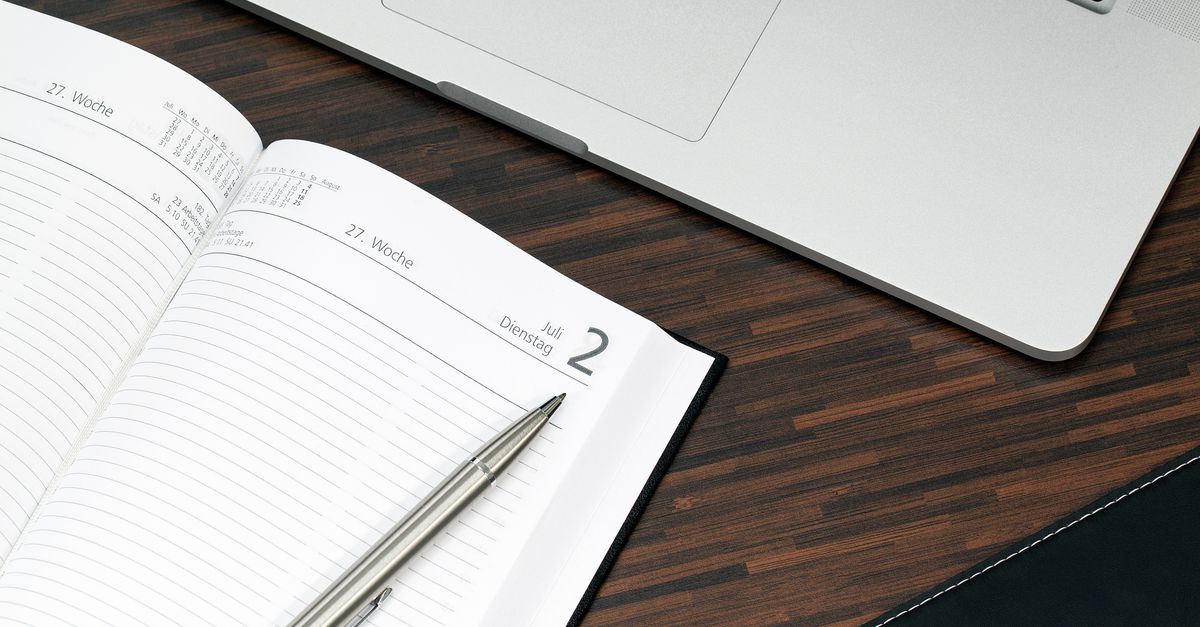
You're not searching for an A4 size diary because you're bored. You've got a reason. Maybe you're a procurement manager who's been told to find diaries for the annual conference. Maybe you run a school and the teachers want something bigger than those flimsy long notebooks. Or maybe you're a distributor and your client just asked for something specific and you're scrambling to understand what an A4 diary even is. I get it. That's the thing about this business — most people don't think about paper sizes until they have to. And then suddenly you're deep in a conversation about millimeters and GSM and you wonder how you got here. So let's cut through that. An A4 size diary is basically a diary that uses A4 paper — 210mm by 297mm. Same size as a standard sheet of printer paper. Bigger than your typical notebook. And honestly? It's the most practical size for serious note-taking if you ask me. But don't take my word for it. If you're ordering in bulk, Sri Rama Notebooks has been making these since 1985 — so we've seen what works and what doesn't.
The One Thing Nobody Tells You About an A4 Size Diary
Here's the thing I've learned from years of watching people order these — everyone focuses on the cover. The color. The logo placement. The foil stamping. And sure, those matter. But the real difference? It's the binding. I can't tell you how many times I've seen a beautifully printed A4 size diary fall apart after two months because someone cheaped out on the binding. The spine cracks. Pages start falling out. And then the person who ordered them looks bad. That's the part nobody talks about. A4 diaries take more abuse than smaller ones because they're heavier. They get tossed into bags. Stuffed into shelves. Carried around meetings. If the binding isn't right, nothing else matters.
What to Look For in Binding
- Stitched binding — the gold standard. Pages lie flat, lasts years, doesn't crack. This is what we recommend for corporate diaries meant to last.
- Spiral binding — great for diaries that need to fold back flat. Not as durable if handled roughly.
- Perfect binding — cheaper, looks clean, but won't survive heavy daily use. Fine for giveaways or single-use events.
I'm always surprised when buyers skip this part. They'll spend hours picking paper shade and then just say “whatever binding is standard.” That's a mistake. And look, I've made that mistake myself early in my career. Ordered a batch of diaries for a client once and they came back to me six months later with pages in their hands. Not a good feeling.
Who Actually Buys an A4 Size Diary? (And Why)
You'd think it's just offices. But no — the variety surprises me even now. Let me give you an example. I met this woman once. Her name is Priya, 34, works as a training coordinator for a chain of hospitals in Vizag. She orders about 2000 A4 size diaries every year. Not for the doctors — for the training sessions. Trainees need to write. They need space. A small diary won't cut it when you're taking notes during a six-hour workshop on patient protocols. Priya told me once: “The first year I ordered smaller diaries, people complained. Now I just go straight to A4.” She keeps a stack in her office cupboard. Always ready. She also told me she prefers stitched binding because the spirals keep getting caught in her bag. That stuck with me. It's the small details that matter when you're the one managing the logistics.
But corporate training is just one use case. Schools use A4 size diaries for teachers. Government departments order them for record-keeping. Some companies use them as annual planners. And then there are the distributors who buy them blank and sell them to local stationery shops. Each buyer has a different reason. But they all have one thing in common — they need something that won't fall apart.
A4 Size Diary vs A5 Diary: Which One Should You Pick?
This is probably the most common question I get. And the answer isn't as simple as “A4 is bigger so it's better.” It depends on who's going to use it. If I'm being honest, I carry an A5 diary myself. Fits in my bag. Less intimidating when I'm jotting down quick notes. But when I'm working on project plans or writing out detailed notes? I switch to A4. It's like the difference between writing on a napkin and writing on a proper desk. Let me put together a comparison so you can see it clearly.
| Feature | A4 Size Diary | A5 Size Diary |
|---|---|---|
| Dimensions | 210mm x 297mm | 148mm x 210mm |
| Writing space per page | About double the area of A5 | Compact, good for quick notes |
| Portability | Requires a bag — won't fit in a pocket | Fits in most bags and large pockets |
| Best for | Detailed notes, meetings, training, planning | Daily tasks, on-the-go jotting |
| Page count options | 100 to 400 pages typically | 80 to 300 pages typical |
| Cost per unit (bulk) | Higher — more paper, more weight | Lower — less material used |
So which one wins? There's no winner. Just the right tool for the job. And maybe that's not the satisfying answer you wanted. But if you're ordering for a team, think about how they actually work. Do they sit at desks? Go with A4. Do they move around all day? A5 might serve them better. Or order both. I've seen companies do that — A4 for the planners, A5 for the field staff. It works.
What I've Learned About Making A4 Size Diaries That Last
Expert Insight: I remember standing on the factory floor maybe ten years ago — it was a Tuesday, I think — and watching a batch of A4 diaries come off the line. The stitcher was this older man named Subba Rao who'd been there since the 90s. He pointed at one diary and told me to try pulling the pages. I did. They held. Then he pointed at another — same machine, same paper — and I barely tugged and a page came loose. He just nodded. “Thread tension,” he said. That's all. One tiny adjustment in the machine and the difference between a diary that lasts and one that doesn't. I think about that a lot. Manufacturing isn't just about having good machines. It's about who's running them. That's why I always tell buyers to visit the factory if they can. See how the workers handle the products. Talk to the people on the floor. You'll learn more in ten minutes than from any brochure.
Customizing Your A4 Size Diary — What Actually Matters
So you've decided on an A4 size diary. Now comes the fun part — making it yours. But again, there's a right way and a wrong way to go about customization. I've seen companies spend a fortune on elaborate foil stamping designs that looked great in the sample but got lost on the actual production run. Why? Because the cover material was too textured. The foil didn't sit right. Little things.
Here's what I'd focus on if I were you:
- Cover material: Leatherfeel PU is popular. Durable, looks premium, takes print well. But if you're on a budget, good quality textured paperboard works fine too.
- Logo placement: Bottom right or center. Keep it simple. Too many elements look messy.
- Embossing vs foil stamping: Embossing gives a subtle, classy look. Foil is flashier. Both work — just know your audience.
- Paper color: Off-white/cream is easier on the eyes than bright white. Something to consider if people will be writing for hours.
- Ribbon bookmark: Cheap to add, makes a big difference in user experience. Don't skip it.
And here's something I don't say enough — ask for a physical proof before the full run. Not a PDF. An actual sample. Hold it. Write in it. See how the spine flexes. Because once you've ordered 5000 units, there's no going back. And I say that from experience, not from a textbook.
Frequently Asked Questions
Frequently Asked Questions
Is an A4 size diary the same as a standard notebook?
Not exactly. An A4 size diary typically has a date system — daily, weekly, or monthly pages — and is designed for planning and scheduling. A notebook is often unlined or ruled for general writing. Both use A4 paper, but the layout inside is different.
What is the best binding for an A4 size diary?
For diaries that will be used daily, go with stitched binding. It's the most durable and allows pages to lie flat. Spiral binding is good if you need to fold the diary back, but it can snag on bags. Perfect binding is cheaper but won't last as long.
Can I get an A4 size diary with my company logo printed on it?
Yes, absolutely. Most manufacturers offer logo printing, foil stamping, embossing, and custom cover designs. Just make sure you provide a high-resolution logo file and request a physical sample before placing the bulk order.
How many pages can an A4 size diary have?
It varies by manufacturer, but typical options range from 100 to 400 pages. Some custom orders go up to 700 pages, though that makes the diary quite thick. For most corporate use, 200 to 300 pages is a comfortable range.
What is the minimum order quantity for an A4 size diary?
Most Indian manufacturers require a minimum of 500 to 1000 units for custom printed diaries. Without printing, you might be able to order smaller quantities. It's best to check directly with the manufacturer about their MOQ policy.
Final Thoughts — And a Small Confession
Here's what I want you to take away from this. First, an A4 size diary is not just a bigger notebook — it's a tool for people who need space to think on paper. Second, the binding matters more than the cover, even though nobody talks about it. And third, don't overthink the customization. Clean and simple almost always wins. But I'll be honest with you — I don't think there's one perfect diary for everyone. I don't think that exists. The right diary depends on the person using it, the environment they're in, and what they need to write. You know your people better than I do. So trust that. And if you want to talk through options, Sri Rama Notebooks has been doing this long enough that we can probably help you figure it out.