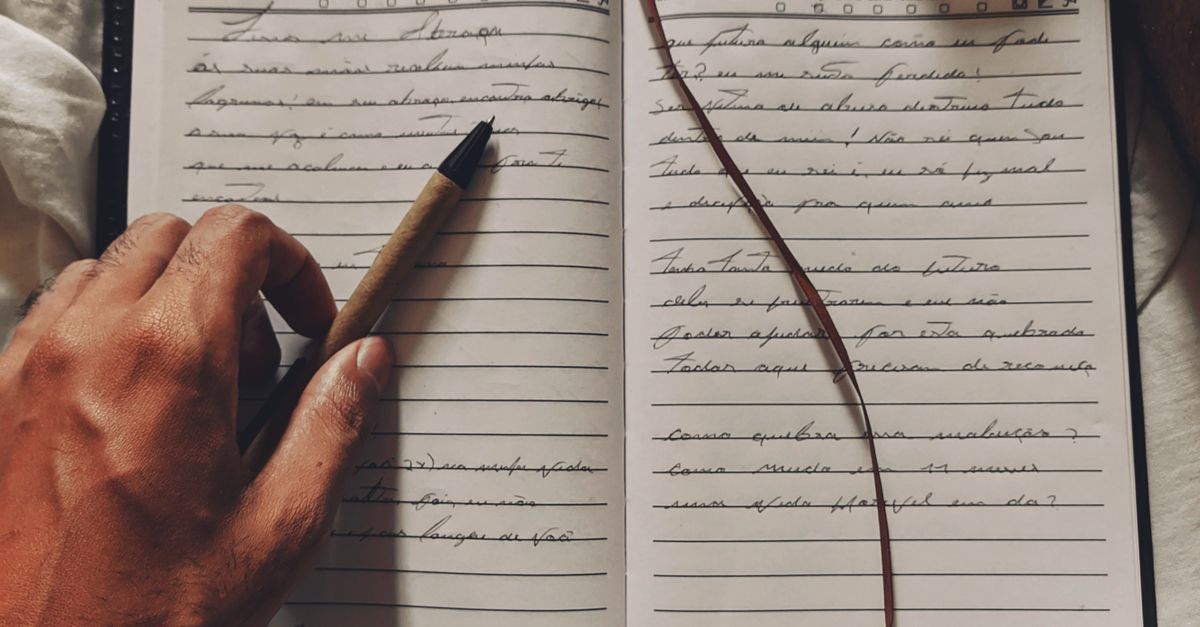
Why Most Diaries Disappoint
You buy a new diary. You open it. The paper feels thin like Bible pages. The ink bleeds through. The spine cracks after a week. And that beautiful leather cover? Starts peeling by month two. I've been there.
Thing is, finding the best diaries for writing isn't about flashy covers or Instagram aesthetics. It's about the stuff you can't see until you've written on it for a month. Paper that doesn't ghost. Binding that lets the book lie flat. A format that fits your life — not the other way around.
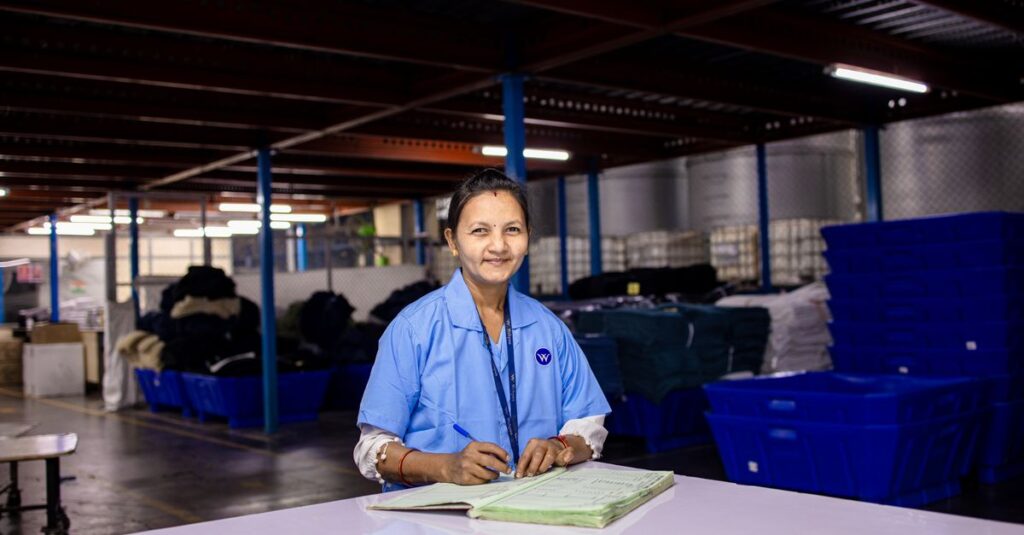
I work at a notebook factory in Rajahmundry — Sri Rama Notebooks. We've been making diaries since 1985. So yeah, I have opinions on this. Let me share what I've learned.
What Makes a Diary Great for Writing?
Let's start with the basics. A diary that works for daily writing needs three things: paper that handles ink, binding that stays flat, and a size you actually carry. Miss one, and the whole experience falls apart.
I think the biggest mistake people make — and I've made it myself — is picking based on looks. The cover is the last thing that matters. What matters is what happens when you put pen to paper.
The Paper Test No One Talks About
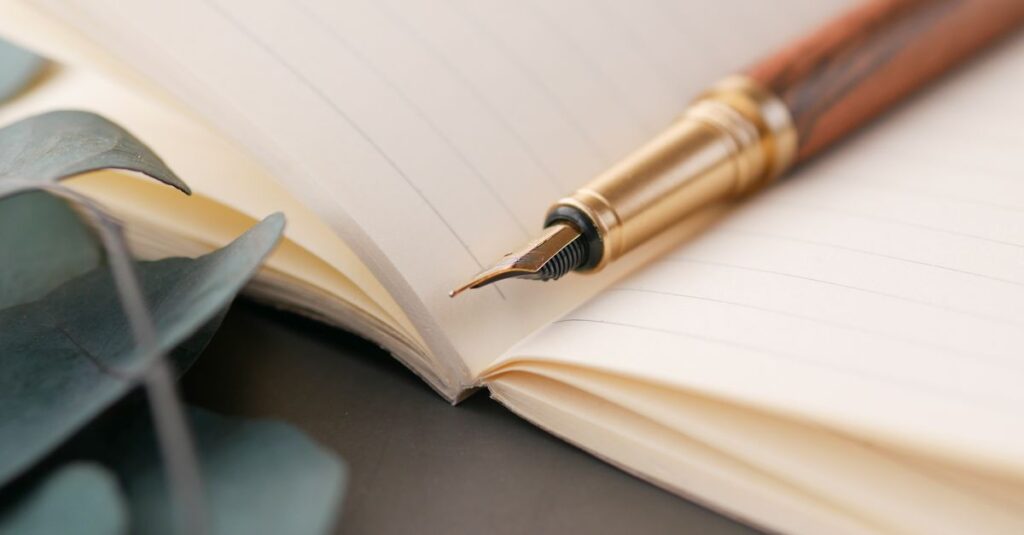
Here's a simple test: take the diary, flip to a random page, and write a line with your favourite pen. Wait ten seconds. Turn the page over. Do you see the writing? If yes, that paper will bleed through with anything wetter than a ballpoint. Good diaries use at least 70 GSM paper. Some go to 100 GSM. The difference is night and day.
- 54–70 GSM: standard school notebooks, prone to bleed
- 80–90 GSM: good for fountain pens, minimal ghosting
- 100+ GSM: thick, luxurious, no show-through
Of course, thickness isn't everything. Surface texture matters too. Some papers are too rough — they drag the nib. Others are so smooth the ink sits on top and smudges. The sweet spot? A slight tooth that catches the ink without slowing you down.
And can I be honest? Most people don't think about this until they've already bought three disappointing diaries. Don't be that person.
Paper Quality – The Most Overlooked Factor
I remember visiting a friend at a research institute in Hyderabad. She was a data analyst — wrote everything by hand before typing. She had a drawer full of abandoned diaries. "None of them can handle my fountain pen," she said. Showed me the ghosting on page after page. It was heartbreaking, honestly. A diary that can't take writing is like a phone that can't hold a charge.
Expert Insight
I was reading something last month — an old article from a paper mill engineer. He said the ideal writing paper has a density around 80–90 GSM with a smooth but not glossy finish. The fibres should be evenly distributed so ink doesn't pool. He also mentioned that most cheap diaries use recycled pulp with shorter fibres, which means more bleed. I don't have a cleaner way to put it: if the paper feels thin and flimsy in your hand, it will feel worse under a pen.
So when you're searching for the best diaries for writing, look for paper specification. Ask the seller. If they can't tell you the GSM, run. That's a red flag.
Binding and Durability – Why Stitched Diaries Last
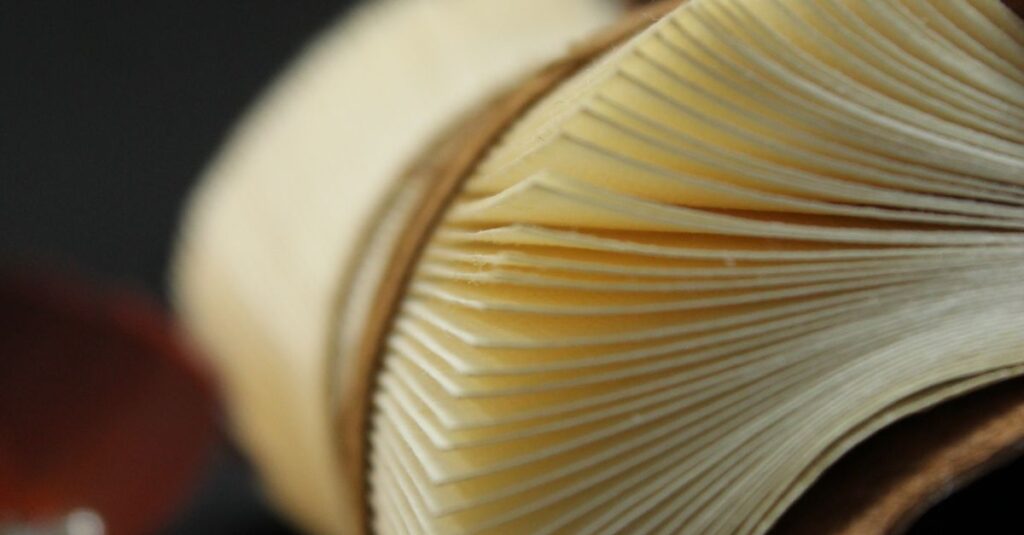
You open a new diary. You press it flat to write near the margin. A crack. The spine splits. Now half the pages are loose. This has happened to me at least three times. Binding type matters.
| Binding Type | Durability | Lays Flat? | Best For |
|---|---|---|---|
| Stitched (Smyth-sewn) | High — pages stay intact | Yes — lays flat naturally | Daily writing, journals |
| Spiral | Medium — coils can bend | Yes — fully flat | Students, quick notes |
| Perfect (glued) | Low — cracks over time | No — stays stiff | Budget diaries, giveaways |
Look, I'll be direct: for a diary you'll use for months or years, get stitched binding. It's more expensive, but each page is physically sewn into the spine. You can open it 180 degrees without damage. That's the gold standard.
Spiral binding works if you don't mind the coils and you need to tear pages out. But it's not as sturdy. Perfect binding? Only if you plan to use the diary once and throw it away.
Diary Size and Portability – Finding Your Sweet Spot
Ravi, 34, software developer from Indiranagar, Bangalore. He carries a pocket diary everywhere: meetings, coffee shops, the bus. But he keeps a larger A5 diary on his desk for longer writing. "I tried using only the small one," he told me once. "But my handwriting gets cramped. And I can't dump all my thoughts in a 4"x6" space."
That's the thing. The best diaries for writing depend on where you write. If you're always on the move, A6 or pocket size is king. If you write at a desk, A5 or B5 gives you room to breathe. I've seen people buy a thick A4 diary and never use it because it's too heavy to carry. Don't be that person either.
Here's a rule of thumb: the diary should fit comfortably in your bag without adding extra weight. If you hesitate to take it with you, you won't write in it. Simple.
Custom Diaries for Business – Why Quality Matters for Corporate Gifts
Now, this is where I may be biased. But I think that when a company gives out diaries as corporate gifts, they should give something people actually want to write in. Not that cheap spiral-bound thing with the logo printed crooked. No one uses those.
At Sri Rama Notebooks, we get orders from companies — banks, tech firms, real estate — who want custom diaries with their logo. And we always recommend the highest paper GSM and stitched binding. Not because it's more expensive, but because the diary will sit on someone's desk and get used. Every time they write, they see your logo. That's real brand recall.
If you're a procurement manager looking for the best diaries for writing as a bulk order — don't cheap out. Your recipients will thank you. And they'll actually keep the diary.
For more on our custom diary options, check out our products page.
Frequently Asked Questions
What is the best paper GSM for a writing diary?
80–100 GSM is ideal. It prevents ink bleed-through and feels substantial. If you use fountain pens, go for 100 GSM. Ballpoint users can manage with 80 GSM.
Stitched vs spiral binding – which is better for long-term use?
Stitched (sewn) binding is better. It lasts longer, lays flat, and pages won't fall out. Spiral binding is convenient but coils can bend or snag over time.
Can I get custom diaries made with my company logo?
Yes. Many manufacturers, including Sri Rama Notebooks, offer custom logo printing, embossing, and foil stamping on diaries. We also provide private label options.
What size diary is best for everyday carry?
Pocket size (A6) or B6 are most portable. A5 is a good compromise between writing space and carryability. Choose based on how often you take it out of your bag.
How do I know if a diary will lie flat?
Open it to the middle and press it down. If it springs back, it won't lie flat. Look for stitched binding and a flexible spine. Avoid glued perfect binding.
Conclusion
Three things matter in a diary: paper that doesn't bleed, binding that lasts, and a size you actually carry. Everything else is decoration. I don't think there's one perfect diary for everyone. Probably there isn't. But if you've read this far, you already know what you want — you're just figuring out if it's okay to be picky. It is.
Need a diary that ticks all the boxes? We make them. Sri Rama Notebooks.