Why Most Card Printing Disappoints
You order cards. They arrive. The color is off. The paper feels cheap. The corners start peeling after a week. I've seen this happen to so many people. And every time, they go back to the same printer because "it's cheaper." But cheap is expensive when your brand looks bad.
If you're looking for the best card printing, you've probably noticed the market is full of options — but very few actually deliver. I'll tell you what I've learned from nearly four decades in the printing business at Sri Rama Notebooks.
What Actually Makes Card Printing Great
Let's skip the jargon. Here are the three things that separate good card printing from the rest:
- Paper weight and finish — 300 GSM or higher, matte or gloss lamination.
- Color accuracy — CMYK with proper calibration, not just "it looks close."
- Cutting precision — No rough edges, no misalignment.
I know it sounds simple. But nine times out of ten, printers cut corners on one of these. And your card ends up looking… fine. Not great. Fine.
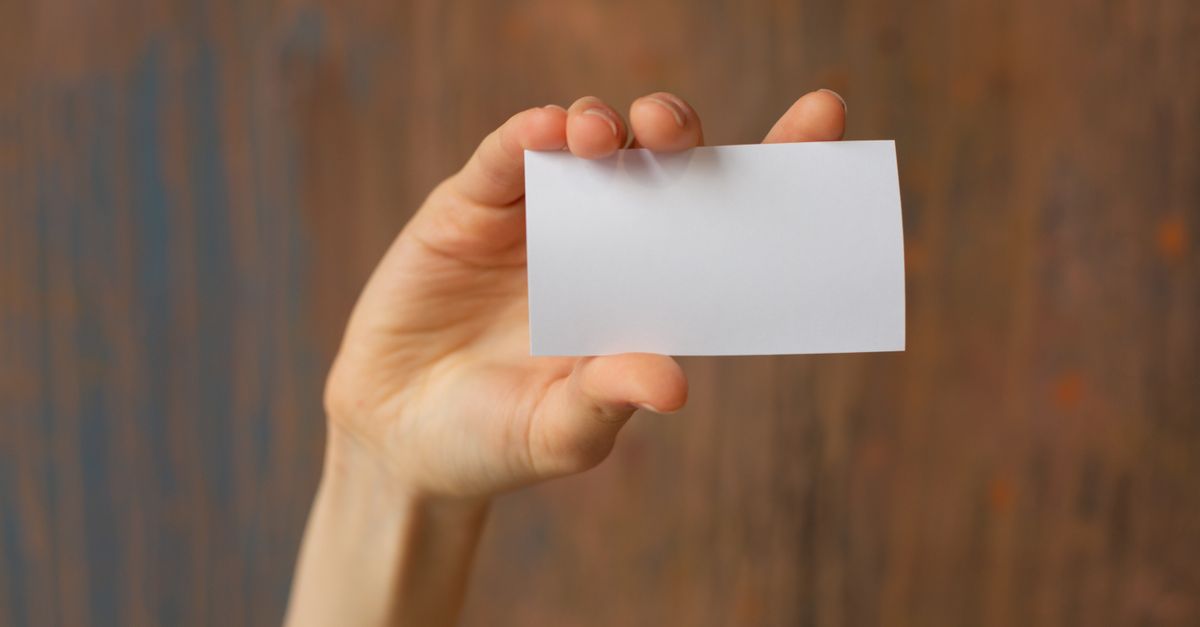
Here's a thing nobody tells you: the best card printing feels heavy in your hand. Not in a gimmicky way — just substantial. Like you're holding something real.
Offset vs Digital: Which One for Cards?
| Factor | Offset Printing | Digital Printing |
|---|---|---|
| Color quality | Superior, Pantone matching | Good for most needs |
| Cost per unit | Lower at high volumes | Best for small runs |
| Paper options | Wide range, including textured | Limited to standard stocks |
| Turnaround | 3–5 days typically | 24–48 hours |
| Best for | 500+ cards, premium finish | 100–500 cards, quick jobs |
If you're ordering a thousand business cards for your company, offset is probably the better bet. It gives you richer blacks and sharper details. But for a small run of event invitations, digital is fine.
The real trick: find a printer that does both well. Most don't.
Real People, Real Cards
I remember a guy named Ravi. 32, procurement manager at a tech firm in Hyderabad. He needed 2,000 corporate cards for a product launch. He'd tried three different printers before coming to us. One gave him cards that smelled like chemicals. Another delivered late — after the launch. The third used paper so thin you could see through it.
When we printed his cards, he called me three times to check on the progress. I didn't blame him. The day they arrived, he sent a photo: the cards on his desk with the product samples. "These feel right," he said. That's what we aim for.
Not complicated. Just right.
Expert Insight: A Memory from the Factory Floor
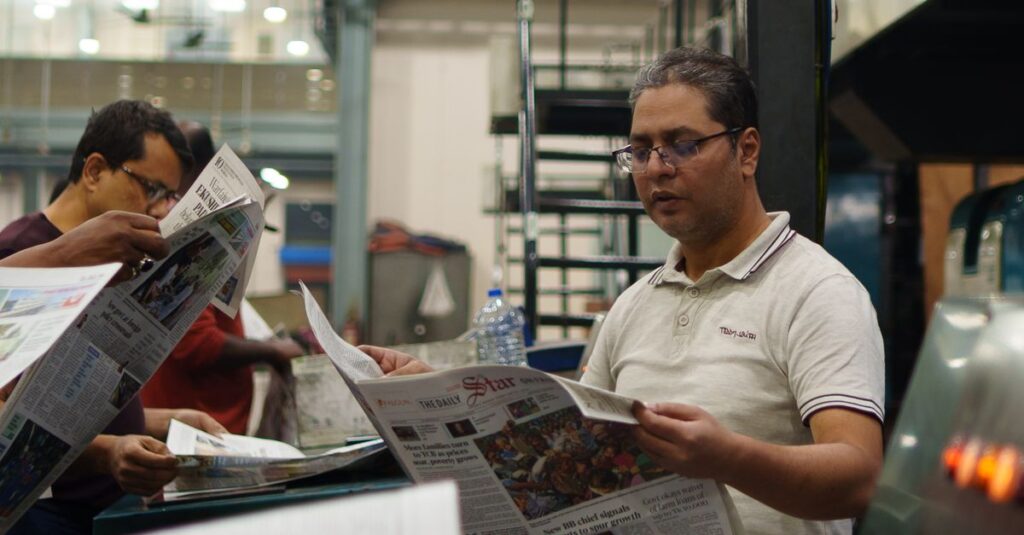
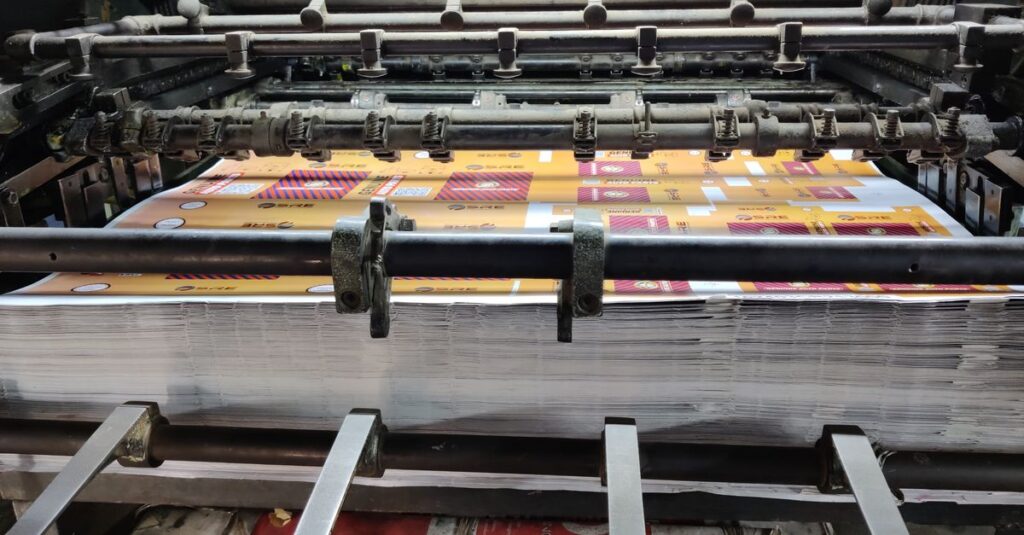
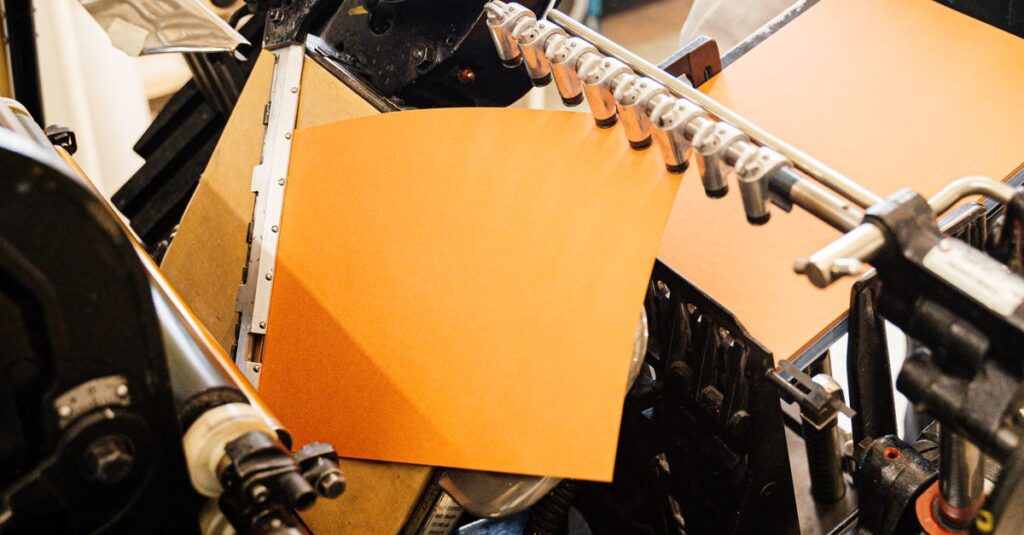
I was standing near the offset press last month — a Tuesday, late afternoon. The press operator, a man who's been with us for twenty years, was adjusting the registration on a card job. I asked him what he looks for. He said, "The registration marks have to be perfect. If they're off by a hair, the text on the back won't align. But most customers never notice until they hold the card next to another one."
He's right. The difference between good and best card printing is invisible until you put them side by side. Then it's obvious.
Common Mistakes People Make When Ordering Cards
I've heard enough stories to know these happen all the time:
- Not requesting a physical proof. Screens lie.
- Choosing the cheapest stock. Thin paper = cheap look.
- Forgetting to add bleed. White edges ruin the design.
- Ordering too few. Then scrambling when you need more.
And honestly? The biggest mistake is not asking the printer questions. "What paper do you recommend?" "How do you handle color matching?" If they can't answer clearly, move on.
Frequently Asked Questions
Frequently Asked Questions
What paper weight is best for card printing?
300 GSM is the sweet spot — thick enough to feel premium, but not so thick it won't fit in a wallet. For invitation cards, 350 GSM with a matte finish works great.
How long does card printing take?
For digital printing, 24–48 hours. Offset printing usually takes 3–5 business days, depending on quantity and finishing options like lamination or foil stamping.
Can I print on both sides?
Yes, but make sure your design includes proper bleed (3mm on each side). We always do double-sided printing for business cards and greeting cards.
What's the difference between matte and gloss finish?
Matte is non-reflective, modern, and hides fingerprints. Gloss is shiny and makes colors pop. For card printing, matte is more popular for corporate cards, gloss for promotional.
Do you offer custom shapes for cards?
Yes, we can die-cut cards into custom shapes — rounded corners, circles, or any design. Minimum order for custom shapes is usually 500 pieces.
Conclusion
Look, I don't think there's one single answer for the best card printing. It depends on your budget, volume, and what kind of impression you want to make. But if you pay attention to paper, finish, and the printer's experience, you'll get something worth handing out.
Maybe you've already searched and compared a dozen printers. Maybe you're tired of the same disappointing results. That's why I'm still here after all these years — because some things are worth doing right.
If you want to see what we can do, give us a call: +91-8522818651 or check Sri Rama Notebooks for card printing and more.