What Makes a Bamboo Diary Different?
Look, I'll be direct. You're here because someone mentioned a 'bamboo diary' and you're trying to figure out if it's just a trend or something worth ordering by the hundreds. Maybe a procurement manager asked you to look into it. Maybe you saw one at a trade show and thought — that's different. I get it.
I've been in the notebook business since 1985. We've made everything from 10-rupee school notebooks to leather-bound diaries for corporate CEOs. But this bamboo diary thing? It caught me off guard too, at first. Let me tell you what I've learned.
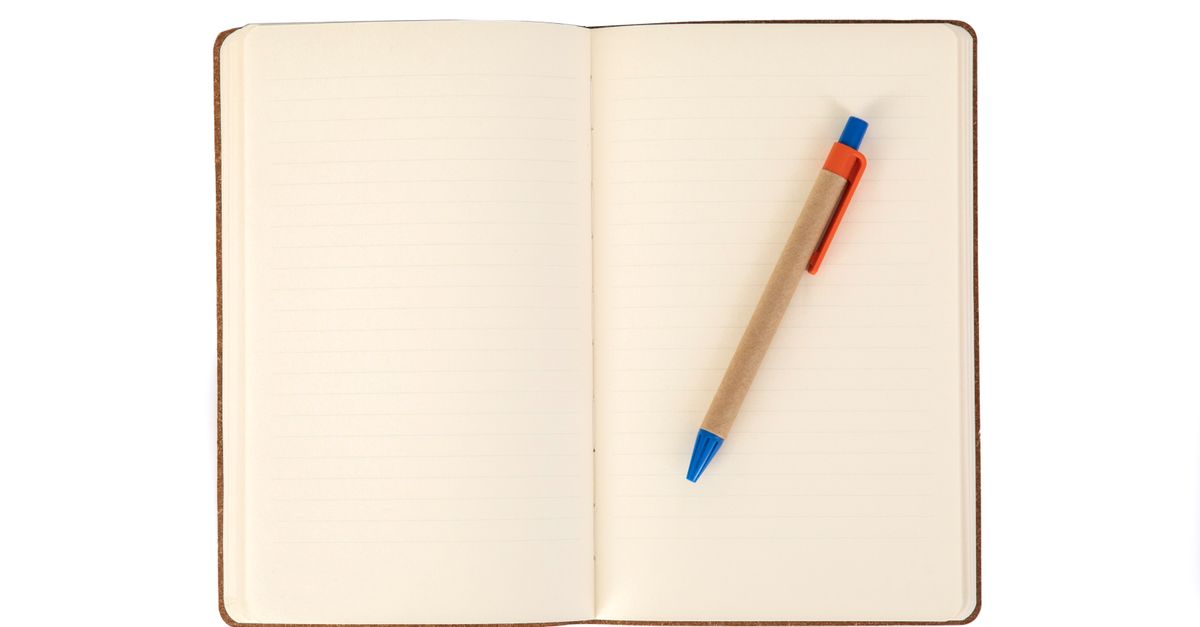
A bamboo diary isn't made from bamboo paper (though that exists). It's a diary with a cover made from bamboo — thin strips of bamboo fiber compressed and laminated into a hard, textured board. The pages inside are usually high-quality writing paper, often 70-80 GSM, because the cover is sturdy enough to handle it. The result is a diary that looks natural, feels warm to the touch, and doesn't scream 'plastic' or 'leather.'
And honestly? Most people who pick one up say the same thing: I didn't expect it to feel this good. That's the hook. If you're buying for a corporate gifting program or a client appreciation event, the bamboo diary is a smart move. We've seen orders double in the last two years. People want something that looks sustainable without looking cheap. If this sounds like something you need, check out Sri Rama Notebooks for bulk options.
Why Corporate Buyers Are Choosing Bamboo Diaries for Bulk Orders
Three things happen when you put a bamboo diary in someone's hands. First, they touch it. Run their fingers over the grain. Second, they open it — smell the paper, test the binding. Third, they ask, 'Where did you get this?' That's the moment you win. A bamboo diary isn't just a notebook; it's a conversation starter.
For corporate orders, the numbers matter. Most companies ordering branded diaries want something that:
- Fits their sustainability goals (no leather, less plastic)
- Looks premium without costing a fortune
- Survives a year of use in a briefcase or desk drawer
I've seen a procurement officer from a tech company in Bangalore order 5,000 bamboo diaries for a product launch. She told me, 'We tried leather last year. People complained. We tried recycled paper covers — they looked like cardboard. Bamboo was the sweet spot.' And she was right. The bamboo cover gives you that natural texture, but it's tough enough to handle daily abuse. The binding — we use stitched or perfect binding depending on the order — holds up even when you stuff it into a backpack.
Here's the thing about the corporate market: people remember the gift that feels personal. A bamboo diary with a company logo embossed on the cover? That's not just a diary. It's a small piece of brand identity. And it's green. That matters now more than ever.
Expert Insight
I remember meeting a supplier from Kerala a few years back. He was a small-scale bamboo craftsman, making bamboo furniture and trays. I asked him if he could make a notebook cover. He laughed. 'I make things that last,' he said. 'Your notebook will outlive your company.' I didn't know how to take that. But he was right about one thing — the bamboo covers we produced from his material are still in use today. I've had clients call me three years later asking for the same design. That kind of durability isn't common. The question is: do you want something that lasts, or something that looks good on a shelf?
Bamboo Diary vs. Other Diary Materials: A Quick Comparison
If you're deciding between materials for a bulk order, here's a table that lays it out straight. No fluff.
| Material | Cost per Unit (Bulk) | Durability | Eco-Friendliness | Perceived Value | Customization |
|---|---|---|---|---|---|
| Bamboo diary | $$ | High | Very High | High | Embossing, foil stamping |
| Leather diary | $$$ | Very High | Low | Very High | Embossing, foil stamping |
| Paperboard cover | $ | Low | Medium | Low | Printing only |
| Plastic/PU cover | $$ | Medium | Low | Medium | Printing, embossing |
| Cloth cover | $$ | Medium | Medium | Medium | Printing, embossing |
What you see is that bamboo sits in a sweet spot. It's not the cheapest, but it's not the most expensive. It gives you a natural look that screams sustainability without the high cost of leather. And the durability? I've dropped a bamboo diary off a desk. It bounced. Try that with a paperboard cover.
Real-Life Story: How One School Principal Made the Switch
Let me tell you about Ravi. He's 47, a principal of a private school in Visakhapatnam. He ordered 800 bamboo diaries last year for the school's annual awards ceremony. He told me, 'I wanted something the kids would keep, not throw away.' So we printed the school logo on the cover, added gold foil, and used a spiral binding so the pages lay flat. He handed them out to the top students. A month later, he called me back. 'The kids are using them. They're actually writing in them.' He ordered another 500 for the staff. The unexpected detail: one teacher told me she uses hers as a gratitude journal. She fills it with one thing she's thankful for every day. Nobody planned that. But it happened.
That's the thing about a bamboo diary. It invites use. It's not a display piece. It's a working tool. And when you give it to someone, you're not just giving them paper. You're giving them a space to think.
How to Order a Custom Bamboo Diary in Bulk
So you're convinced. Now what? Ordering a custom bamboo diary is straightforward, but there are a few traps. I've seen buyers order 2,000 diaries and then realize the cover design doesn't match their brand colors. Or they pick the wrong binding. Here's what you need to know.
- Cover design: Bamboo takes embossing and foil stamping beautifully. Avoid large full-color prints — the texture of bamboo doesn't hold ink well. Stick to simple logos or text.
- Binding: Stitched binding is classic and durable. Spiral binding lets the diary lie flat. Perfect binding is cheaper but less flexible. Choose based on how the diary will be used.
- Paper: 70-80 GSM is ideal for a premium feel. 52 GSM is fine for basic use, but it won't feel special.
- Quantity: Minimum order is usually 500 units for custom covers. We can do smaller runs, but the per-unit cost goes up.
- Lead time: Expect 3-4 weeks for design, production, and shipping. If you need it faster, you'll pay a rush fee.
We've been doing this since 1985. We know the pitfalls. If you want to see options, check our products page.
Frequently Asked Questions
Frequently Asked Questions
What is a bamboo diary made of?
A bamboo diary has a cover made from compressed bamboo fiber strips, laminated into a hard board. The inside pages are standard writing paper, typically 70-80 GSM. The binding can be stitched, spiral, or perfect.
Is a bamboo diary eco-friendly?
Yes, bamboo is a fast-growing renewable resource. The cover is biodegradable, and the production process uses less energy than leather. If you're looking for a sustainable alternative to plastic or leather diaries, bamboo is a solid choice.
Can I get a bamboo diary with my company logo?
Absolutely. We offer embossing, foil stamping, and custom cover designs for bulk orders. The minimum order is typically 500 units, but we can discuss smaller quantities. Contact us for a quote.
How durable is a bamboo diary cover?
Very durable. The compressed bamboo is hard and resistant to scratches and dents. It can handle daily use in a bag or desk. I've seen bamboo diaries last years without visible wear.
Where can I buy a bamboo diary in bulk?
We manufacture custom bamboo diaries at Sri Rama Notebooks in Rajahmundry, India. We supply schools, corporations, and distributors. Call +91-8522818651 or email support@sriramanotebook.com for pricing.
Final Thoughts
I don't think there's one perfect material for a diary. Leather works for some, paperboard for others. But the bamboo diary is something else. It's not trying to be leather. It's not trying to be cheap. It's its own thing — natural, durable, and surprisingly warm. If you're ordering for a corporate gift, a school event, or a retail line, it's worth a serious look. Most people who try it stick with it. Maybe that's enough. If you want to explore options, visit Sri Rama Notebooks.