Look, I’ll be honest — when you search for “small notebook price”, you’re probably tired of vague quotes and hidden charges. You need a real number. But here’s the thing: price depends on more than just the paper. It depends on who you’re buying from, how many you need, and what you’re willing to compromise on.
I’ve been at Sri Rama Notebooks for nearly four decades, and I’ve seen buyers make the same mistake over and over: they look at the cheapest option first, then wonder why the notebooks fall apart. If that sounds familiar, check out our pricing page — it’s straightforward, no games.
What Actually Determines Small Notebook Price?
So you want a small notebook. Not a kid’s cartoon one, not a pocket diary — a proper small notebook for everyday use. The price tag isn’t random. Here’s what’s driving it:
- Paper quality (GSM) – Thicker paper costs more. 54 GSM is cheapest, but ink bleeds. 70 GSM holds up better.
- Number of pages – More pages = more paper = higher price. A 52-page notebook will always be cheaper than a 200-page one.
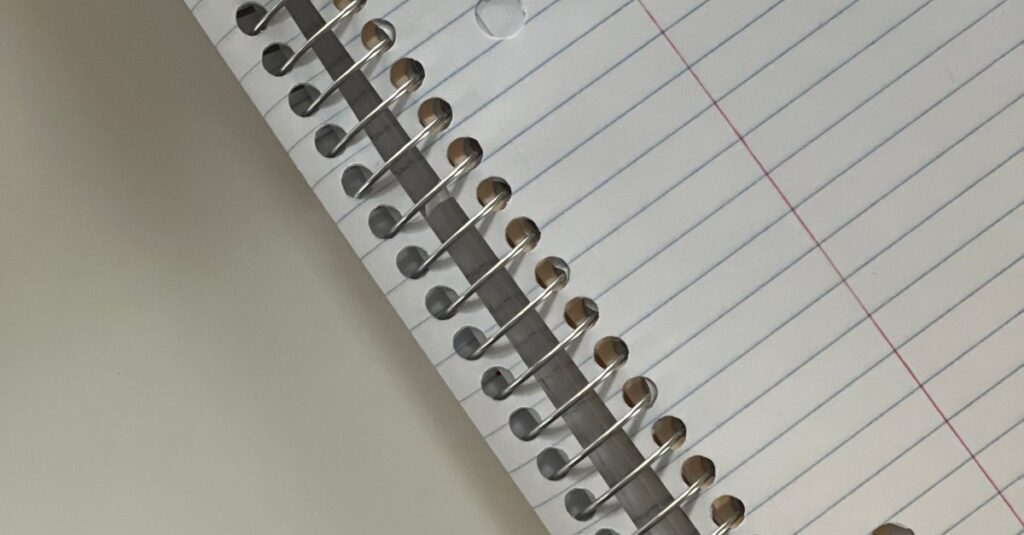
- Binding type – Stitched binding is stronger but takes longer to make. Spiral is faster and cheaper, but less durable.
- Size – The exact dimensions matter. A “short” notebook (19.5 x 15.5 cm) uses more paper than a “crown” size (18 x 12 cm).
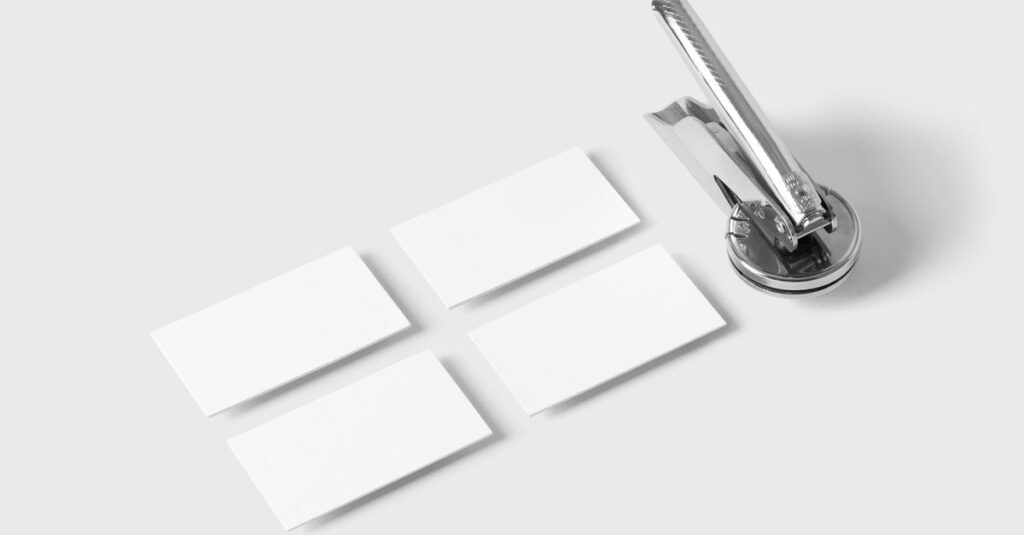
- Customization – Logo printing, embossing, foil stamping — each adds a step in production. That time has a price.
- Order quantity – This is the big one. 500 pieces vs 10,000 pieces? The per-unit cost drops significantly. That’s how bulk printing works.
I think the biggest surprise for most buyers is how much the paper quality shifts the final price. You can get a 52-page short notebook for maybe ₹20 if you use thin paper. But if you want 70 GSM paper, 200 pages, stitched binding — that same notebook could run ₹40 or more. And honestly? That’s fair.
The question isn’t what the price is. It’s what you’re actually paying for.
One Mistake That Costs You More Than You Think
Let me tell you about Sunita. She’s 38, runs a stationery store in Visakhapatnam. Last year she ordered 500 small notebooks from a supplier in Delhi. The price was great — ₹18 each. But when they arrived, the pages were so thin you could see the next line through the paper. Within a month, the covers started peeling. She lost customers. She had to place a rush order with us — and pay 40% more because it was last-minute.
She told me: “Never again.”
I see this all the time. Buyers focus on the upfront small notebook price and ignore what happens after the boxes arrive. The real cost includes returns, complaints, and lost reputation. One bad batch can hurt your business more than you save.
I’m not saying you should ignore price. I’m saying you should understand what you’re buying. A notebook that falls apart after two weeks isn’t cheap — it’s expensive in the wrong way.
Small Notebook Options: Short vs Crown – A Quick Comparison
| Feature | Short Notebook | Crown Notebook |
|---|---|---|
| Dimensions | 19.5 x 15.5 cm | 18 x 12 cm |
| Common page count | 52–200 pages | 52–120 pages |
| Typical bulk price (per piece) | ₹25 – ₹45 | ₹20 – ₹35 |
| Best for | Schools, colleges, note-taking | Personal diaries, pocket notebooks |
| Paper GSM range | 54–80 GSM | 54–70 GSM |
| Binding options | Stitched, spiral, perfect | Stitched, spiral |
These are rough numbers. Your actual small notebook price will depend on quantity, paper quality, and customization. But this table gives you a starting point to ask the right questions.
The One Factor Nobody Talks About – Paper GSM
I remember a conversation with a paper supplier back in 2018. He said: “The price of a notebook is mostly the paper. Everything else is just labor and margin.” At the time I didn’t fully agree. But after 40 years in this business, I’ve realized he was mostly right. The GSM of the paper — grams per square meter — is where the real cost lives.
Most budget notebooks use 54 GSM paper. It’s thin, it’s cheap, and it works fine for pencil. But if you write with a ballpoint or gel pen, you’ll see the ink bleed through. For corporate diaries or premium use, we recommend 70 GSM or higher. That alone can double the small notebook price.
Here’s the thing: paper manufacturers don’t sell cheap paper and expensive paper at the same price. The raw materials cost more for thicker sheets. So when you see a notebook with a very low price, ask what GSM they’re using. If they don’t know, that’s a red flag.
How to Get the Best Small Notebook Price for Bulk Orders
You want a good rate. I get it. Here’s what actually works:
- Order directly from a manufacturer – Cut out the middleman. We produce 30,000–40,000 notebooks a day. That means lower overhead, better prices for you.
- Ask for samples first – Always. Even if it costs a little. A sample tells you more than a price quote ever will.
- Negotiate based on quantity – The sweet spot is usually 5,000+ pieces. Below that, the setup costs eat into savings.
- Stick to standard sizes – Custom sizes require custom cutting. That adds cost. Short or crown are the most economical for small notebooks.
- Limit customization – A simple logo print is fine. Full-color covers, embossing, foil stamping — those are beautiful, but they drive up the small notebook price.
If you’re planning a bulk order, contact us for a custom quote. We’ll walk you through options without the sales pitch.
Frequently Asked Questions
Frequently Asked Questions
What is the price of a small notebook in bulk?
For a standard short notebook with 52 pages, 54 GSM paper, stitched binding, bulk prices range from ₹20 to ₹35 per piece, depending on quantity and customization. Larger orders (10,000+) get better rates.
Does customization affect small notebook price significantly?
Yes. Logo printing adds about ₹2–5 per piece. Embossing or foil stamping can add ₹5–10. The more complex the cover design, the higher the small notebook price. For large orders, these costs come down.
Where can I buy small notebooks in bulk?
You can buy directly from manufacturers like Sri Rama Notebooks. We supply schools, colleges, corporate offices, and distributors across India and export to Gulf, Africa, USA, UK, and Australia. Contact us for a quotation.
What size is considered a small notebook?
In the industry, “small notebook” usually refers to Short (19.5 x 15.5 cm) or Crown (18 x 12 cm) sizes. These are smaller than A5 (21 x 14.8 cm). Perfect for pocket or bag use.
How many pages are typical in a small notebook?
52 pages and 92 pages are the most common for small notebooks. You can also get 120, 200, or even 240 pages, but the price increases with more pages. For everyday note-taking, 52 pages is standard.
Conclusion
Here’s what I want you to remember about small notebook price: it’s not a single number. It’s a conversation between paper, binding, quantity, and trust. The cheapest option rarely works out in the long run. The most expensive isn’t always necessary either.
I can’t tell you exactly how much you’ll pay — that depends on your order size, your deadlines, and what quality you need. But I can tell you that buying from a manufacturer who’s been doing this since 1985 gives you a price that’s fair, and a product that won’t fall apart.
If you want a fair price without the headache, talk to us.