

What Does Binding Documents Actually Mean?
You have a stack of pages. Maybe 50. Maybe 500. They need to stay together. Look decent. Not fall apart after three weeks.
That's what binding documents is. It's not complicated. But there's a right way and a wrong way to do it.
I've been at this since 1985 — Sri Rama Notebooks in Rajahmundry, Andhra Pradesh. We've bound millions of pages. School notebooks. Corporate diaries. Account books for government offices. And I can tell you: the method matters more than people think.
Most people ordering bulk notebooks don't think about binding until something goes wrong. Pages falling out. Spines cracking. The whole thing looking cheap. That's what happens when you pick the wrong method.
So let me walk you through what actually works. No fluff. Just what I've seen work.
Binding Documents — Three Methods That Actually Work
There are a dozen ways to bind paper. But for notebooks and diaries — the stuff schools, colleges, and businesses actually order — there are really only three methods worth talking about.
Here they are.
Stitched Binding
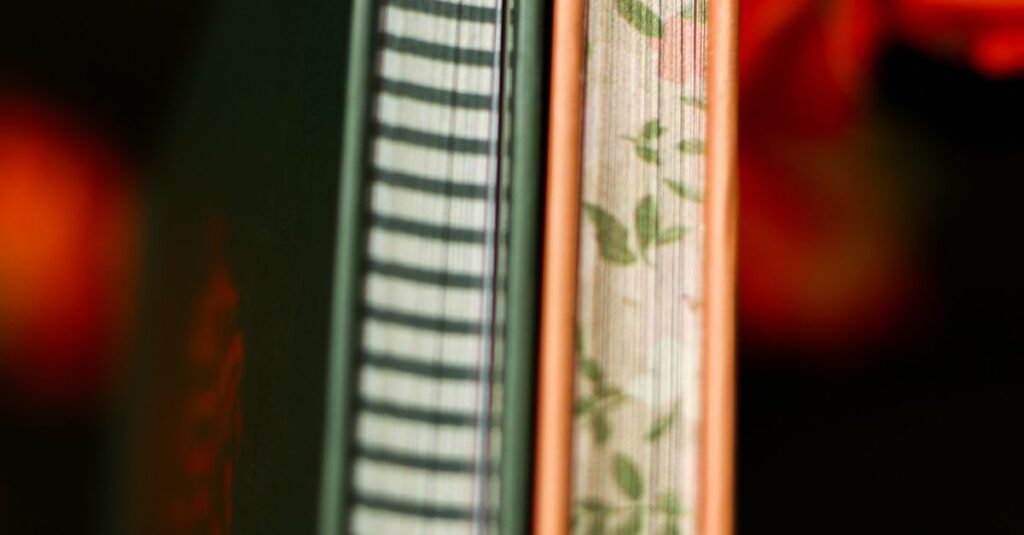
This is the old-school method. And I mean old — centuries old. Pages are folded into sections. Stitched together with thread. Then glued into a cover.
What most people don't realize: stitched binding is still the best method for heavy-use notebooks. Account books. Journals. Things that get opened and closed a hundred times.
- Lays flat when open
- Pages rarely fall out
- Lasts for years
- Higher cost compared to other methods
I remember a customer once telling me: I have notebooks from 10 years ago that are still intact. The binding didn't fail. The paper eventually wore out. That's stitched binding for you.
Spiral Binding
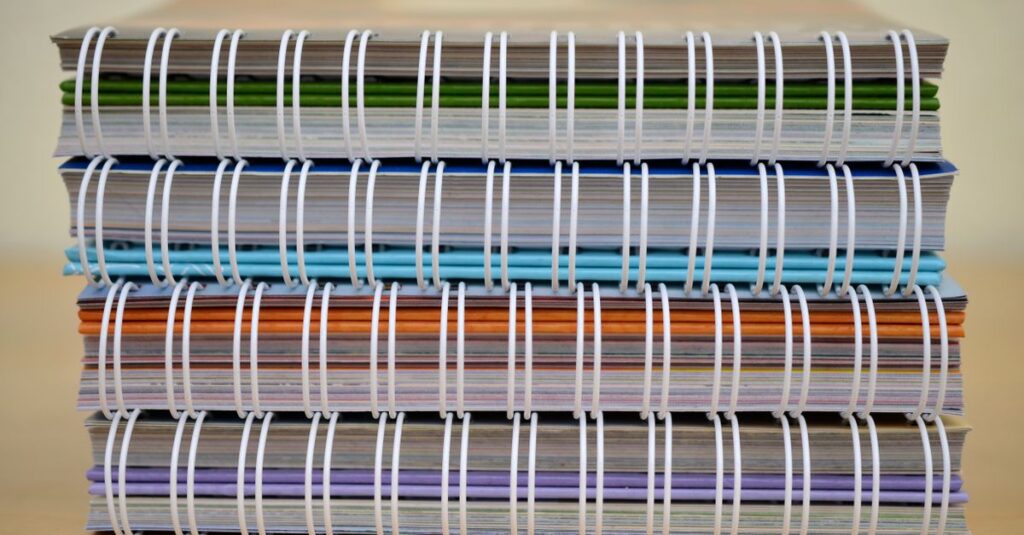
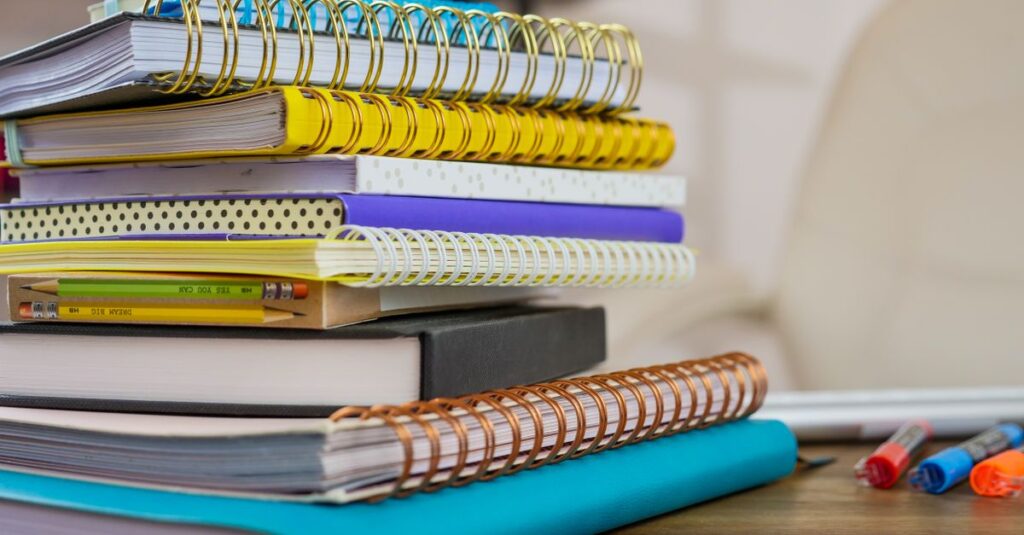
Spiral is the practical choice. A hole is punched. A wire coil goes through. Done.
Spiral binding documents works great when people need to write on both sides. The notebook can fold back on itself. College students love this. So do people who scribble notes in meetings.
But here's the catch — spirals can bend. They can get caught on things. Not ideal for heavy travel or rough use.
Best for: notebooks under 100 pages, study materials, workbooks
Perfect Binding
This is the method used for paperback books. Pages are glued to the spine with a strong adhesive. The cover wraps around.
It looks clean. Professional. That's why corporates love it for diaries and annual reports.
But honestly? Perfect binding has a weakness. Open the notebook too wide, the spine cracks. Pages can fall out in chunks. It's fine for something you read. Less fine for something you write in every day.
I tell my clients: don't use perfect binding if the notebook needs to survive a school year. Use stitched.
But that's just my opinion. I could be wrong.
Stitched vs Spiral vs Perfect Binding — A Comparison
Let me put it in a table. This is how I explain it to clients who walk into our factory in Rajahmundry.
| Feature | Stitched Binding | Spiral Binding | Perfect Binding |
|---|---|---|---|
| Durability | Very high (years) | Medium (months) | Medium-low (cracks over time) |
| Lays flat? | Yes, completely | Yes, folds back | No — needs weight to stay open |
| Cost per unit | Higher | Medium | Lower (for large runs) |
| Best page count | 100–700+ pages | 20–100 pages | 50–300 pages |
| Best use case | Account books, journals | School notebooks, workbooks | Corporate diaries, softcover books |
I think the table makes it pretty clear. No single method is best for everything. It depends on what you need.
And honestly? Most people who order bulk notebooks don't even know these differences exist. They just pick whatever is cheapest. That's a mistake.
What Most People Get Wrong About Binding Documents
Here's something I see all the time. A school principal calls me. They want notebooks for 500 students. They want the cheapest option.
I get it. Budgets are tight. But here's the thing: cheap binding fails. And when it fails, the pages spread all over the classroom floor. The student is embarrassed. The teacher is annoyed. And next year, that school buys from someone else.
I'm not saying spend more than you need. But I am saying this: there's a gap between what seems cheap upfront and what actually saves money.
Let me tell you about a real conversation. A procurement manager — let's call her Priya — from a school in Visakhapatnam called me last year. She was frustrated. The supplier she used before delivered notebooks that started shedding pages within two months. Stitching had come undone. The glue was weak. She needed a replacement order urgently.
She said: I thought I was saving money. Now I've paid twice.
That's the thing about binding documents. It's not just about today. It's about whether the notebook holds up for six months. A year. Longer.
I'm not saying pick the most expensive method. I'm saying pick the right method for how the notebook will actually be used.
Three things to consider before ordering:
- How many pages does the notebook need?
- Will it be written in daily or stored on a shelf?
- Who is using it — a student, a professional, or a business?
Answer those three things, and you're already ahead of 80% of buyers.
Expert Insight — What I Learned After 40 Years
I was sitting with an old friend last month. We were having tea near the Godavari river — the one that runs through Rajahmundry. He's a retired bookbinder. Worked in Chennai for 30 years.
He told me something I keep thinking about.
You know what most people don't understand about binding? he said. It's not the machine. It's the paper grain. If the grain runs the wrong way, the notebook won't lie flat. No amount of stitching fixes that.
He was right. I knew it already, but hearing him say it made me realize how much of what we do is invisible to the customer. They see the cover. They feel the paper. They never think about grain direction or thread tension or glue temperature.
But those things matter. A lot.
I think about that conversation every time we get a new order. The question isn't just what binding method. It's how carefully is it being done.
And that's harder to see. Harder to measure. But it makes all the difference.
Real-Life Micro-Story — Rajesh from Ongole
Rajesh is a stationery distributor. 42 years old. Based in Ongole, Prakasam district. Sells notebooks to 30 schools across the region.
He called me three months ago. Frustrated. His regular supplier had increased prices. He needed an alternative. Fast.
I asked him: What do your schools complain about most?
He said: Notebooks falling apart. Every single time.
We sent him samples of our stitched binding notebooks. He gave them to five teachers. Asked for honest feedback.
A week later, he called back. The teachers were surprised, he said. They said the binding didn't come loose even after a week of classwork.
He placed an order for 8,000 notebooks that week. For his schools in Ongole and nearby villages.
I don't know if it's the best story. But it's real. And it happens more often than you'd think.
Frequently Asked Questions
Frequently Asked Questions
Which binding method is strongest for binding documents?
Stitched binding is the strongest. It uses thread sewn through the center of each page section. For notebooks used daily, this method lasts the longest and prevents page loss.
Is spiral binding good for notebooks?
Yes, for thin notebooks under 100 pages. Spiral binding lets the notebook lie flat and fold back. Best for school workbooks, notepads, and meeting notebooks. Not ideal for thick books.
What is perfect binding used for?
Perfect binding is common for corporate diaries, softcover books, and reports. Pages are glued to the spine. It looks clean but can crack if opened too wide. Avoid it for heavy writing use.
How do I choose the right binding for bulk orders?
Match binding to usage. For school notebooks that get rough use, choose stitched binding. For corporate diaries, perfect binding works. For thin workbooks, spiral is fine. Always ask your manufacturer for samples before ordering.
Can I customize the binding on notebooks?
Yes. Most notebook manufacturers offer options like stitched, spiral, and perfect binding. At Sri Rama Notebooks, we customize binding type, cover design, paper quality, and size based on your order requirements.
One Last Thing About Binding Documents
I don't think there's one perfect method for everyone. That's not how this works.
What I do know is this: the method you choose for binding documents determines whether the notebook lasts a month or a decade. Whether the pages stay put or scatter everywhere. Whether the person using it feels like they have something solid or something cheap.
Most buyers don't think about this until it's too late. They order based on price. They regret it later. And then they switch suppliers.
If you're ordering notebooks for a school, a college, or an office — take five minutes to ask about binding. It makes a difference.
We're old school about this at Sri Rama Notebooks. We've been doing it since 1985. We still believe binding matters. And we're happy to help you get it right.