The Basics of Book Binding and Printing
Here's the thing about book binding and printing — most people don't think about it until something goes wrong. The spine cracks. Pages fall out. The print looks like it was done on someone's home printer from 2005.
I've seen it happen. A school orders five thousand notebooks. They arrive looking great. Three weeks later, kids are handing in homework on loose sheets because the binding gave up.
And that's the problem, isn't it? You don't realize how much book binding and printing matters until you're stuck with a pile of unusable stock.
If you're ordering in bulk — for a school, a corporate event, or a government tender — you need to understand what you're actually paying for. And honestly? Most procurement people don't. They look at the price per unit and call it a day. That's a mistake.
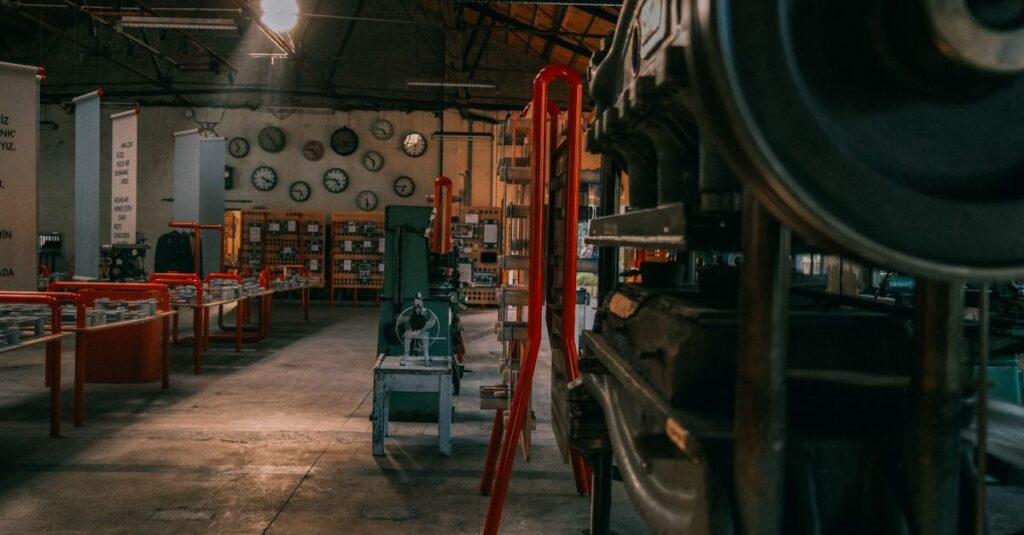
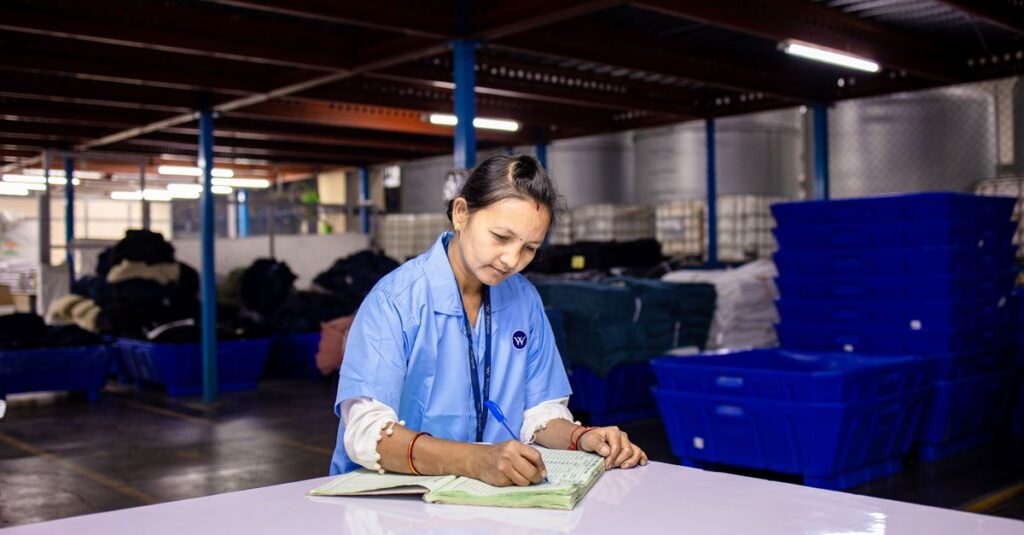
So let me explain what actually happens inside a notebook manufacturing unit. Not the glossy brochure version. The real one.
Three Types of Binding You Should Know
There are three main ways to bind a notebook. Each one is good for different things. And none of them is “better” in some universal sense — it depends on what you need.
Stitched Binding
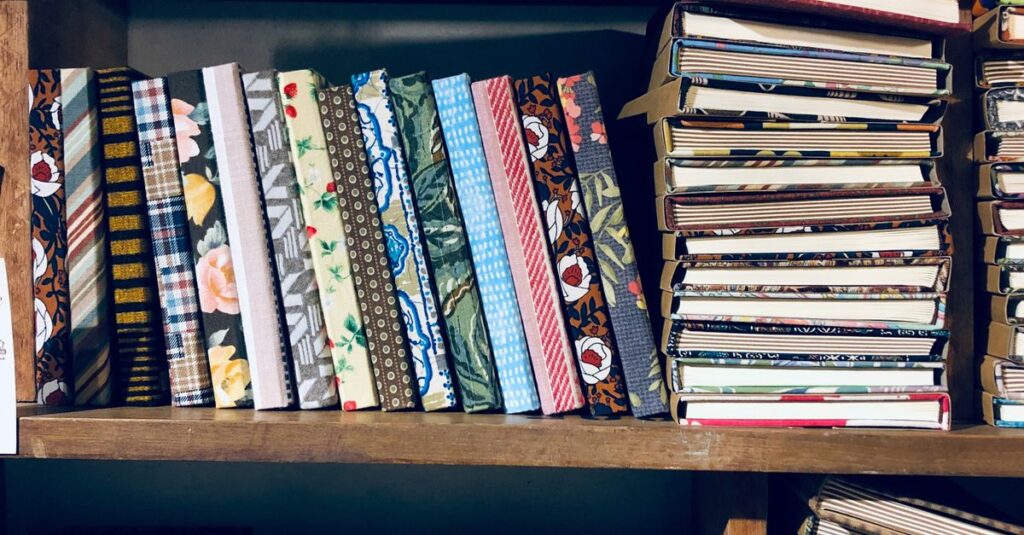
This is the old-school method. The one your grandfather used. Pages are folded into sections called signatures, then sewn together with thread. After that, the spine is glued and the cover is attached.
What's good: these notebooks lie flat. They last. You can open them fully without breaking the spine. I've seen stitched notebooks from the 90s that are still intact.
What's not good: they take longer to make. Which means they cost more.
Spiral Binding
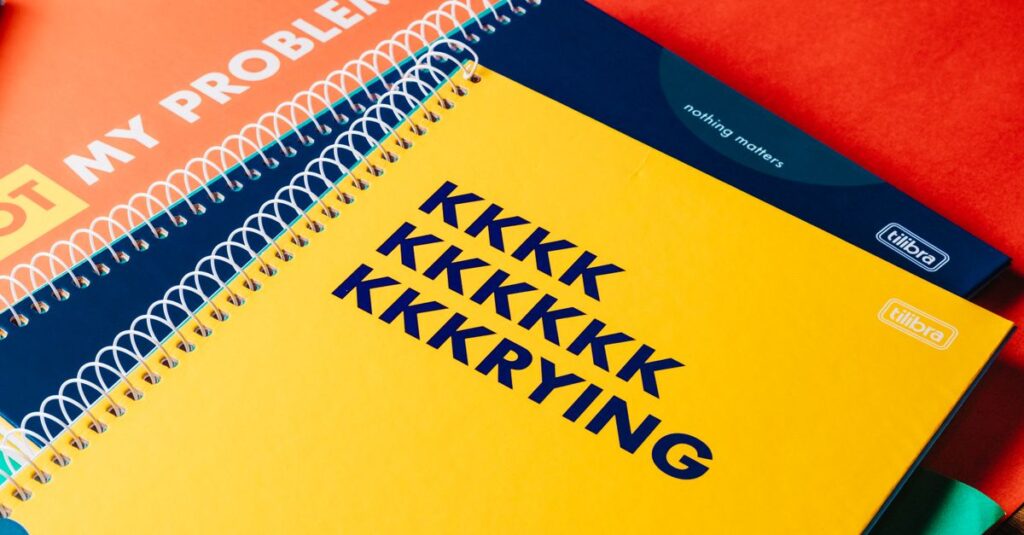
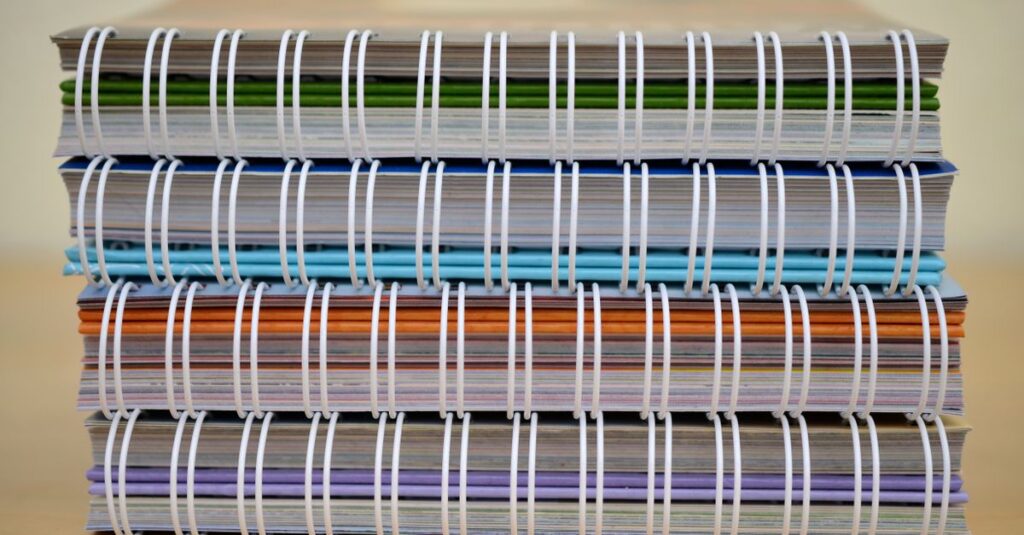
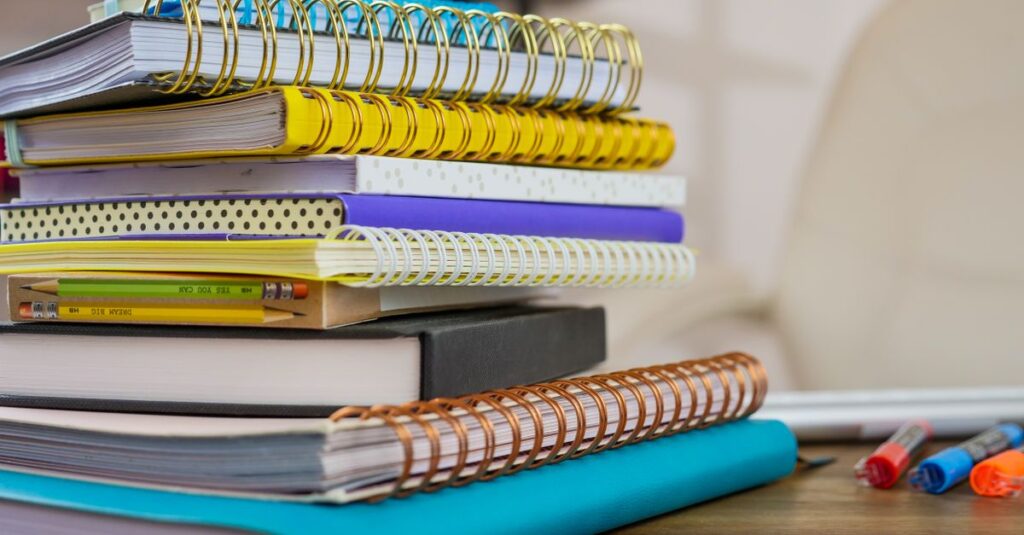
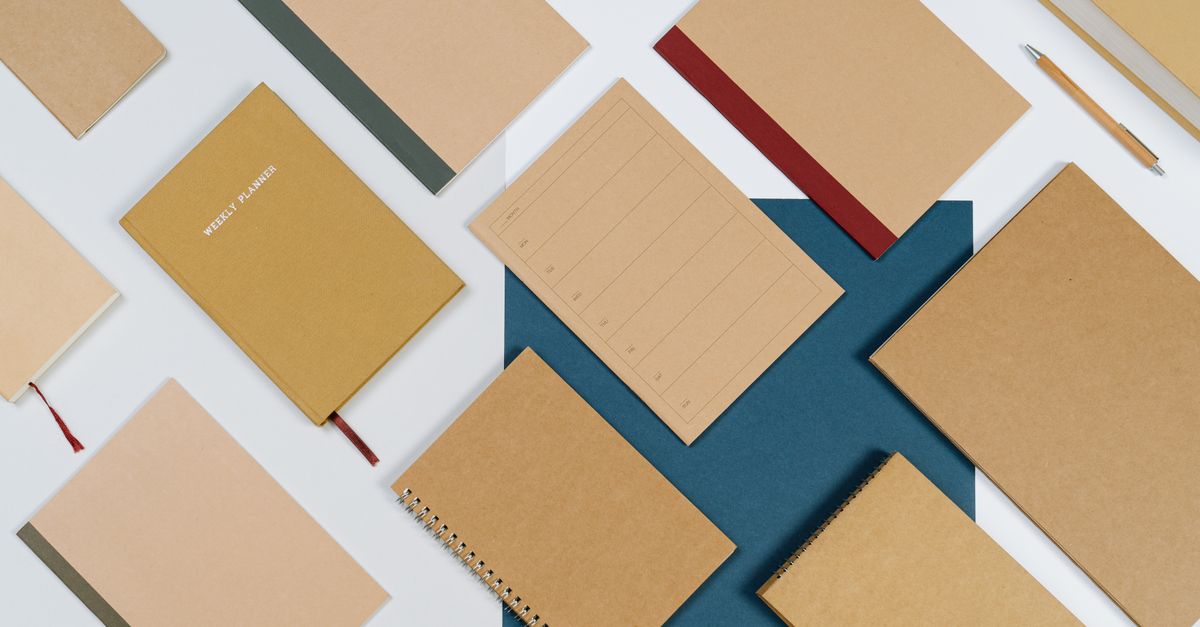
You know this one. A wire coil runs through holes punched along the edge. The notebook can fold back on itself. Students love this for single-subject notebooks.
But here's the catch — spirals get bent. They snag on bags. And if you're ordering for a corporate diary, spiral binding doesn't have that premium feel. It's practical, not elegant.
Perfect Binding
This is what most paperback books use. Pages are glued at the spine with a strong adhesive. The cover wraps around everything. It looks clean and professional.
Perfect binding works great for thick notebooks and account books. But — and this matters — if the glue is cheap, pages start falling out within months.
I was in a meeting once with a distributor from Visakhapatnam. He told me about an order he received from a new supplier. Four hundred diaries. By December, half of them had pages loose. “Never again,” he said. “I check the binding before I pay now.”
That's the thing about book binding and printing. The difference between good and bad isn't visible in the first week. It shows up later. By then, the damage is done.
What Printing Method Actually Gives You
Printing isn't just about ink on paper. There are two main ways to do it, and I think most buyers don't realize how different they are until they see the results side by side.
Offset Printing
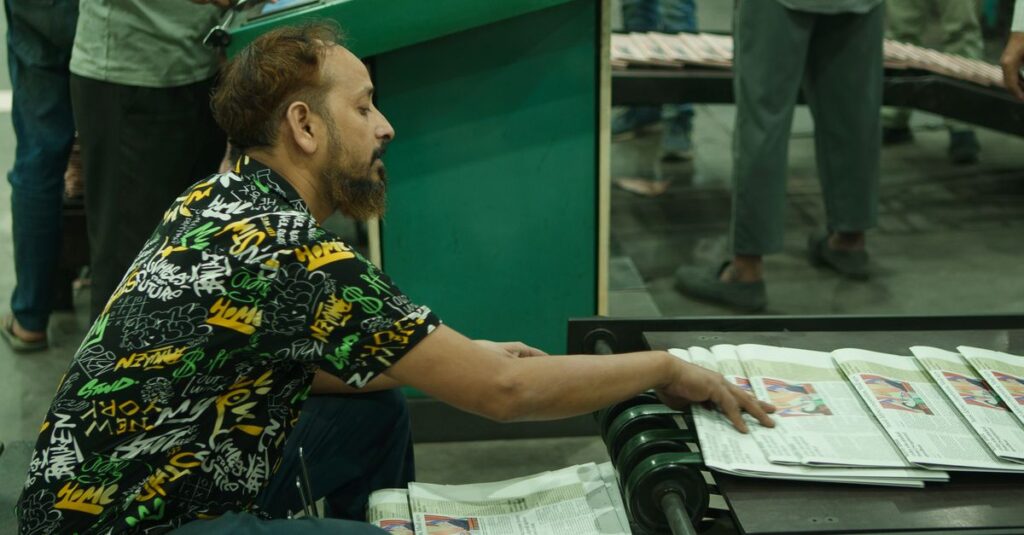
This is what we use for bulk orders. A plate transfers ink onto a rubber blanket, which then rolls onto the paper. The quality is sharp. The colors are consistent. And the cost per unit drops significantly once you cross a certain quantity.
For orders above 500 pieces, offset printing is almost always the right choice.
Digital Printing
Good for small runs. Under 100 pieces. No plates needed. Setup is fast. But the per-unit cost stays high, and the color quality? It's fine. Not great. Fine.
If you need custom notebooks for a small team or a prototype before a bulk order, digital makes sense. For anything larger — go offset.
| Feature | Offset Printing | Digital Printing |
|---|---|---|
| Minimum quantity | 500+ units | 1–100 units |
| Cost per unit (bulk) | Very low | Medium to high |
| Color accuracy | Excellent | Good |
| Setup time | Hours | Minutes |
| Best for | School notebooks, diaries | Prototypes, small batches |
Look, I'll be direct. If you're ordering for a school or a corporate event, ask for offset printing. It's not a hard decision. The quality difference is obvious once you hold both in your hands.
Paper Quality — The Part Nobody Talks About
Everyone focuses on the cover design and the binding type. But the paper? That's what people actually write on. And bad paper ruins the experience.
Here's what I mean. Low GSM paper — anything under 50 GSM — is thin. Ink bleeds through. Pages tear easily. Students get frustrated. Teachers complain.
Most standard notebooks use around 54 GSM paper. It's a middle ground. Decent for ballpoint pens. Not great for fountain pens or markers. If you need something that handles all types of ink, go for 70 GSM or above.
(And I know what you're thinking. Higher GSM costs more. Yes. It does. But the complaints stop. That's worth something.)
Expert Insight
I remember talking to an old paper supplier from Kakinada — must have been five or six years ago. He told me something I still think about. He said, “Paper is like a promise. It either holds what you put on it, or it doesn’t.” I didn’t get it at the time. I thought he was being poetic. But now? I see it every day in the factory. Good paper carries the writing. Bad paper fights it. The difference isn’t in the spec sheet. It’s in how it feels when someone puts pen to paper on a Tuesday morning.
Customization — What's Actually Worth Paying For
If you're ordering custom notebooks with your logo or school name, you have options. Some are worth the money. Some aren't.
Worth it:
- Logo printing on the cover. One color is enough. Two if you need it.
- Foil stamping. It shines. It looks premium. Corporate clients love it.
- Custom cover design. If you have a brand, use it.
Not always worth it:
- Embossing. It looks great but adds cost. Only do this for premium diaries.
- Custom page layouts. If you need special formats, sure. But standard rulings work for 90% of users.
- Multiple interior colors. Adds complexity. Adds cost. Adds nothing useful.
I had a customer once — let me call him Rajesh. He's 42. Runs a chain of coaching centers in Rajahmundry. He ordered notebooks for three thousand students. Wanted gold foil stamping on every single cover. I told him it would double his cost. He didn't care. “My students deserve to feel important,” he said. And you know what? He was right. The notebooks looked incredible. The kids took better care of them. Sometimes the psychology matters more than the budget.
That's the book binding and printing lesson nobody teaches you: the right choices depend on who's using the notebook, not just what looks good in a sample.
How to Choose a Supplier — The Real Test
I think — and I could be wrong — that most buyers choose suppliers based on price alone. Then they wonder why their notebooks fall apart. The real test isn't the quote. It's asking three questions.
- What binding method do you recommend for my use case? If they give you a straight answer without upselling, that's a good sign.
- Can I see a sample that's been used for three months? New samples always look perfect. Ask for a used one.
- What happens if the binding fails? The honest answer should include replacement terms. If they dodge this, walk away.
At the end of the day — no, wait. Let me rephrase that. Look, I've been doing this since before some of my workers were born. I've seen suppliers come and go. The ones that stay? They care about the binding and printing quality. Not just the order size.
Which brings me back to the question I hear most often from buyers.
Frequently Asked Questions
What is the best binding for school notebooks?
Stitched binding is the most durable for school notebooks. It lasts the entire school year if done properly. Spiral binding works for single-subject notebooks, but the wire can bend in bags. For bulk school orders, go with stitched binding.
How does book binding and printing affect the cost?
Binding method and printing type are the two biggest cost factors. Perfect binding costs less than stitched. Offset printing costs less per unit for bulk orders. Digital printing is more expensive per unit but has no setup cost. The paper GSM also affects the final price.
Can I get custom logo printing on notebooks?
Yes. Most notebook manufacturers offer logo printing on covers. Options include offset printing, foil stamping, embossing, and silk screen printing. The best method depends on your quantity, design complexity, and budget. Contact the manufacturer to discuss your requirements.
What is the minimum order quantity for custom notebooks?
Minimum order quantities vary by manufacturer. For offset printing with custom binding, the minimum is usually 500 to 1000 units. For digital printing, you can order as few as 50 to 100 units. Always confirm the MOQ before requesting a quote.
How long does bulk notebook production take?
Production time depends on the order size and complexity. For standard notebooks with one-color logo printing, expect 2 to 4 weeks for orders of 5000 units or less. Larger orders or complex customization may take 6 to 8 weeks. Always ask for a production timeline before confirming the order.
Final Thoughts
I don’t think there’s one perfect way to approach book binding and printing. There never is. It depends on your audience, your budget, and what you need the notebooks to survive.
But if I had to narrow it down to two things: get the binding right for how the notebook will actually be used, and don’t cheap out on the paper quality. Everything else is negotiable.
The rest is just details. And honestly? You probably knew that already. You were just looking for someone to say it out loud.
If you want to talk it through — no pressure, no sales pitch — reach out to Sri Rama Notebooks. We've been at this since 1985. We know what works.