Why Book Binding and Printing Matters More Than You Think
If you have ever ordered a batch of notebooks for your school or office, you know the feeling. You open the box, pull one out, and within a week the pages are falling out. The spine cracks. The cover curls up like it is trying to escape. And you are stuck explaining to your boss or principal why the budget went down the drain.
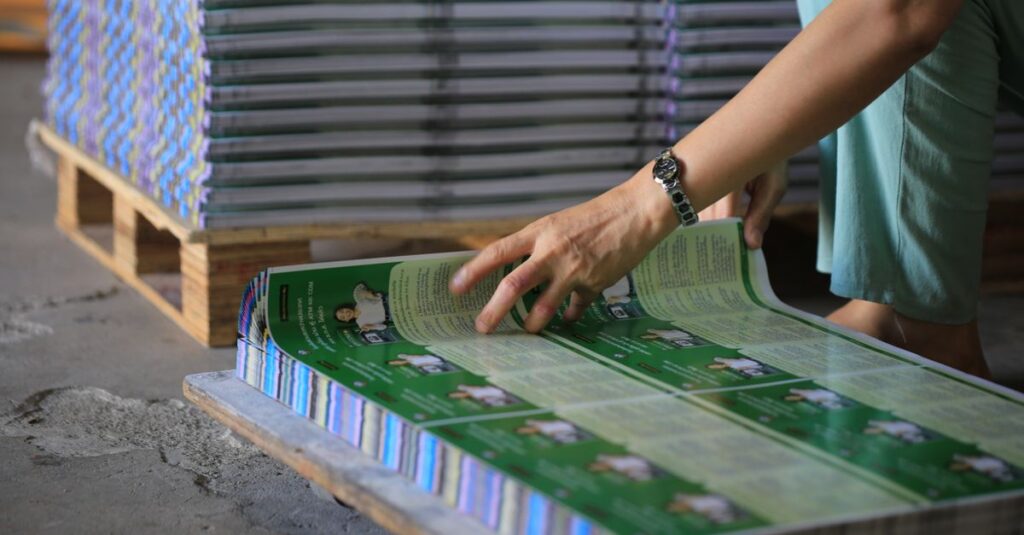
I have been in this business since 1985. Not as a consultant who reads reports. As someone who actually runs a factory. And I will tell you straight — book binding and printing is not something you think about until it goes wrong. Then it is the only thing you think about.
The problem is most buyers do not know what to look for. They compare prices. They look at cover designs. But they do not check how the thing is actually put together. That is the part that matters. The part nobody talks about until it is too late.
So let me show you what you are actually paying for. And if this sounds familiar, maybe take a look at what we do.
Three Ways to Bind a Notebook — and One Big Lie
Here is the truth about binding: most people think stitched is always better than perfect binding. That is not quite right. It depends on what you need.
Stitched Binding
This is the old classic. Pages are folded into sections, sewn together with thread, then glued to the spine. It lies flat. It lasts forever. A stitched notebook from 30 years ago is still intact. But it is slower to make. More expensive. You are paying for the labor.
Perfect Binding
This is what most cheap notebooks use. Pages are glued directly to the spine with a strong adhesive. No stitching. It is fast. Affordable. But here is the catch — cheap perfect binding means pages fall out after two months. Good perfect binding can last years. The difference is the glue quality and how the spine is prepared.
Spiral Binding
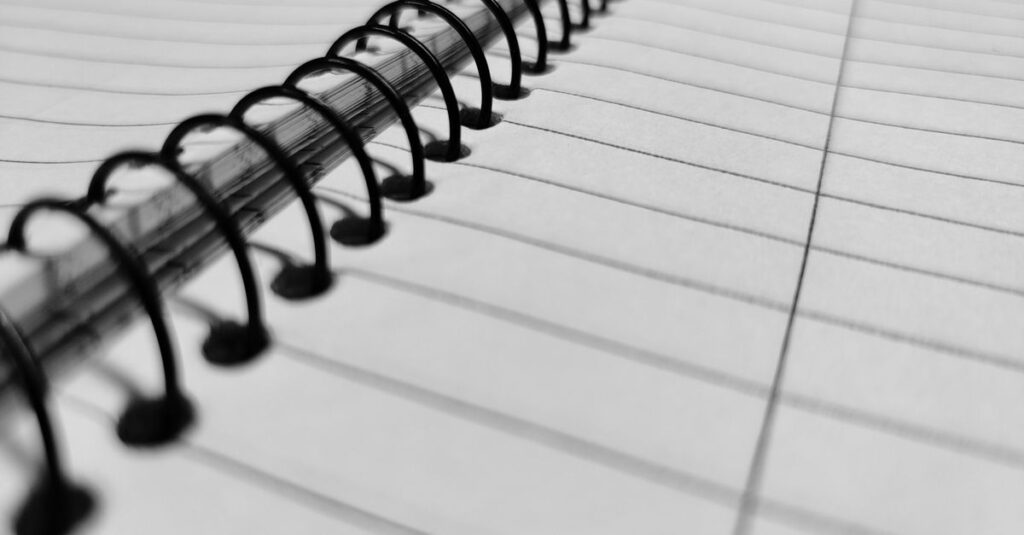
Wire or plastic coils through punched holes. Lay flat, fold back, easy to tear pages. Great for scribbling pads or school notebooks. But the coils can bend if someone sits on it.
The lie I mentioned is that expensive binding always means better binding. Not true. I have seen cheap stitched notebooks fall apart because the thread was weak. I have seen perfectly bound notebooks survive a monsoon because the glue was industrial grade. It is not the method. It is how it is done.
The Printing Side
Printing is where most buyers get tricked. They see a glossy cover and assume quality. But here is what actually matters in book binding and printing for bulk orders:
- Paper GSM — 54 GSM is standard for writing. Anything below feels like newspaper.
- Print method — Offset printing is best for bulk. Digital is faster for small runs.
- Ink quality — Cheap inks smudge. Good inks bond with the paper.
- Cover finish — Lamination protects against scuffs.
How to Check Quality Before You Place a Bulk Order
Open a sample notebook. Press it flat. If the spine cracks immediately, that binding will not survive three months. Try to pull a page out. If it comes out clean, the glue is not bonding properly. Wet your finger slightly and rub it across a printed area. If ink transfers, the print quality is poor.
Four things that matter: the paper grain direction, the fold alignment, the cover thickness, and the stitching tension.