Book Binding Cost — It’s Not One Number
Here’s the thing. When someone calls me and asks, “What’s your book binding cost?” — I can’t give them a straight answer. Not because I’m hiding something. Because the question itself is a trap.
You want a number. I get it. But the real answer depends on maybe a dozen things you haven’t thought about. And honestly? That’s why most people end up paying more than they should.
I’ve been in this business since 1985. Seen buyers walk in with a budget, walk out with something completely different. Not because they got cheated. Because they didn’t know what questions to ask. Let me save you that headache.
If you’re ordering notebooks, diaries, or any printed material in bulk — and someone quotes you a flat book binding cost without asking a single question? Run. Just run. Sri Rama Notebooks has been doing this long enough to know better.
Why No Two Binding Jobs Cost the Same
Three things happen when you say “binding.” First, I think about the machine. Second, the paper. Third, how many you want. In that order. And each one changes the book binding cost dramatically.
Let’s start with the machine. Not all binding is the same.
Binding Types — and What They Cost You
- Stitched binding — The old school way. Strong. Lasts forever. But slow. More labor, more time. Costs a bit more per unit.
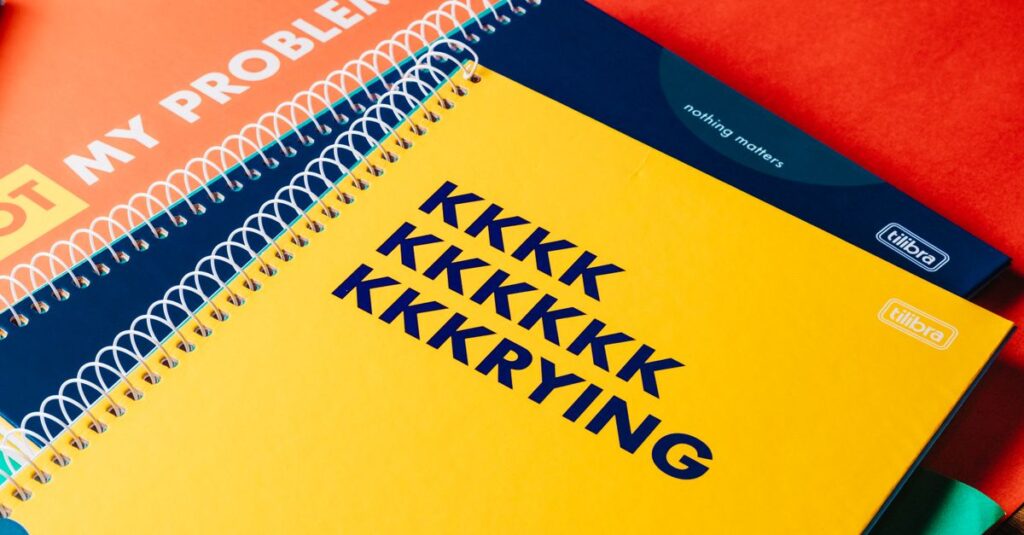
- Spiral binding — Looks clean. Lies flat. Good for diaries and notebooks. But expensive in small runs because the setup takes time.
- Perfect binding — Glue-based. Fast. Cheap at scale. But not great for thick books. Cracks if you force it open.
Now, paper. 52 GSM paper costs less than 70 GSM. Obvious, right? But people forget that heavier paper needs thicker binding thread or stronger glue. The book binding cost climbs with paper weight. Not linearly — it jumps.
And volume? 500 units vs 10,000 units — the per-unit price drops by half sometimes. But only if you’re smart about it. Not every manufacturer passes those savings along.
I almost forgot — cover material. Paper cover vs hardbound vs leather finish. Each one changes the binding cost. Sometimes by 30%. Most buyers don’t ask about this until the invoice arrives.
The Hidden Costs Nobody Talks About
Let me tell you about a guy. Name’s Ravi. 45 years old. Procurement manager for a chain of schools in Vijayawada. He called me two years ago, frustrated. Said his usual supplier quoted ₹15 per notebook for stitched binding. Sounded reasonable.
He placed the order. 20,000 notebooks. Paid the advance.
Three weeks later, the supplier called back. Said binding cost would be ₹22 because the paper they chose required stronger thread. Then another ₹3 for cover lamination. Then delivery was extra.
Ravi went from a budget of ₹3,00,000 to ₹5,40,000. Nobody warned him.
This happens every single month. The book binding cost you’re quoted upfront — it rarely includes:
- Thread or glue grade upgrades for thicker paper
- Cover lamination or embossing
- Packaging (box vs shrink wrap)
- Transport for heavy loads
And here’s the part that gets me — most buyers don’t even know to ask. They assume binding is binding. It’s not. It’s the difference between a notebook that opens flat for a year and one that falls apart in three months.
I’ve heard this enough times now that I don’t trust anyone who gives a price without seeing the paper first.
Stitched vs Spiral vs Perfect — Which One Actually Saves You Money?
Okay, let’s put numbers on it. Rough numbers. Every order is different, but this gives you an idea of how book binding cost changes by type.
| Binding Type | Best For | Per-Unit Cost (Bulk) | Durability | Setup Time |
|---|---|---|---|---|
| Stitched | School notebooks, thick books | Medium-high | High | Slow |
| Spiral | Diaries, corporate planners | Medium | Medium | Moderate |
| Perfect | Large runs, softcover books | Low | Low-medium | Fast |
Here’s what this table doesn’t show. A stitched notebook that costs ₹18 per unit might last 5 years. A perfect-bound one at ₹10 might last 6 months. Which one is cheaper?
It depends on what you need. If you’re a school buying for one academic year, perfect binding works fine. If you’re a corporate buyer giving diaries to clients — you want spiral or stitched. Nobody wants a diary that loses pages before December.
I think — and I could be wrong — that most people pick binding based on upfront cost. Not total cost of ownership. That’s a mistake.
Expert Insight
I was reading something last month from an old industry report. Can’t remember exactly who published it. But one line stuck with me. It said something like: “The cheapest binding is the one you don’t have to redo.” That sentence has haunted me ever since. Because I’ve seen companies reorder notebooks in six months because the binding failed. And they still don’t change their approach. They just find another cheap supplier.
The cycle never ends unless someone breaks it.
How Volume Changes Book Binding Cost — and Your Strategy
Look, I’ll be direct. If you’re ordering under 1,000 units, your book binding cost per unit will be higher. That’s not a scam. It’s setup. Machines take time to adjust. Workers take time to align the paper. That labor gets spread across fewer books.
But at 5,000 units? The setup cost per unit drops. At 20,000? It’s almost negligible.
Most manufacturers have price breaks. At 1,000 units, maybe ₹20 each. At 10,000, maybe ₹12. At 50,000, maybe ₹8. The savings come from efficiency — not charity.
Here’s something nobody tells you. The jump from 500 to 2,000 units gives you the biggest drop in book binding cost. After that, the curve flattens. So if you can’t afford 10,000, don’t stress. Even doubling your order from 500 to 1,000 saves you 15–20% per unit.
One more thing. Don’t order too many if you’re testing a new design or cover. Make 500 first. See how the binding holds. Then scale. I’ve seen companies sit on 50,000 notebooks with binding that peeled in month two. Waste of money. Waste of paper.
What to Ask Before You Accept Any Quote
By now you know — the quoted book binding cost is just the start. Here’s what you actually need to ask before signing anything.
- What paper GSM does this price cover? If it changes, does the price change?
- Is cover lamination included? Matte and gloss cost different amounts.
- What’s the packaging? Loose stacks or individual shrink wrap?
- Is delivery included? To your city, not just factory gate.
- What is the rejection rate? Some manufacturers pass the cost of waste to you.
Six months back I had a customer from Hyderabad — a distributor named Srinivas. He went with a cheaper supplier because the binding cost was ₹2 less per book. Saved ₹40,000 on 20,000 books. But 3,000 books had loose binding. He had to redo them. Cost him ₹60,000.
Sometimes the cheapest price is the most expensive one.
Anyway. Where was I. Right — ask these questions upfront. Get everything in writing. And if the manufacturer hesitates on any answer? That’s your answer.
Frequently Asked Questions
Frequently Asked Questions
What is the average book binding cost per notebook in India?
It varies widely. For stitched binding in bulk, expect ₹15 to ₹25 per notebook. Spiral runs ₹12 to ₹20. Perfect binding can go as low as ₹8 per unit. But these are rough numbers — paper quality, cover, and volume change everything.
Does paper GSM affect book binding cost?
Yes. Heavier paper (70 GSM and above) needs stronger thread or glue and more machine tension. This increases binding cost by 10–20%. Always confirm the paper weight before agreeing to a binding price.
Is spiral binding more expensive than stitched binding?
Not always. Spiral binding has higher setup cost for small runs but can be cheaper at very high volumes. Stitched binding involves more manual labor, so it stays mid-range regardless of quantity.
How can I reduce book binding cost for my bulk order?
Order in larger quantities — the per-unit cost drops significantly after 2,000 units. Choose standard paper GSM (54–60 GSM). Avoid fancy covers unless necessary. Ask the manufacturer where their price breaks are.
Why did my binding cost increase after ordering?
Probably because something changed — paper weight, cover material, or packaging. Some suppliers quote a base price and add charges later. Always get a detailed breakup in writing: binding, paper, cover, lamination, packaging, delivery.
Conclusion
Honestly? There’s no single answer for book binding cost. Anyone who gives you one without asking questions is either guessing or hiding something. The real cost depends on paper, binding type, volume, cover, packaging, and a dozen small choices you make along the way.
Two things I’d tell anyone ordering in bulk: ask for a detailed breakup, and don’t pick the cheapest option without understanding why it’s cheap. Sometimes you save now and pay later. Sometimes you pay a little more and forget about it for years.
I don’t think there’s a perfect formula. But if you’ve read this far, you already know more than most buyers. That’s half the battle. Sri Rama Notebooks