

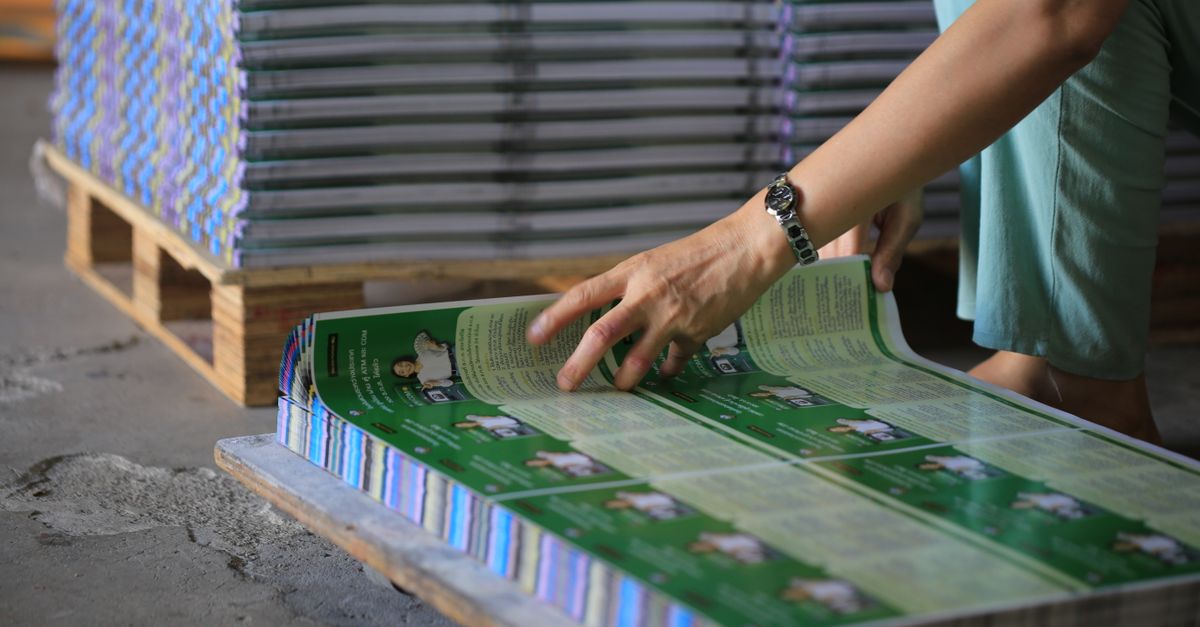
What Book Printing and Binding Actually Means
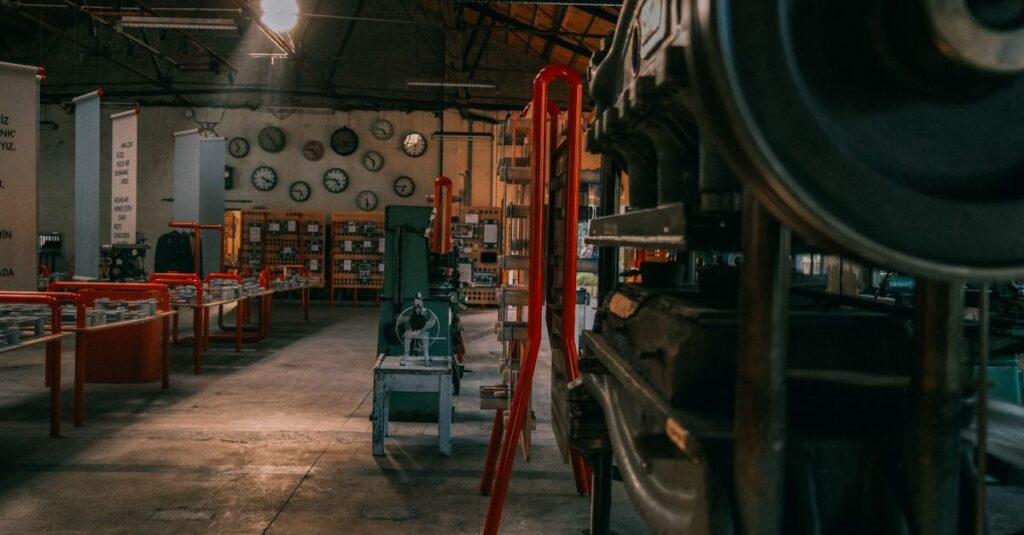
I remember the first time I walked into a printing press. The smell of ink, the sound of machines folding paper — it felt like a secret world.
Book printing and binding is the process of putting words on paper and then holding those pages together so they don't fall apart. Simple, right? But anyone who's ordered notebooks in bulk knows it's not that simple.
If you're a procurement manager or a school administrator ordering thousands of notebooks, you need to understand the difference between stitched and perfect binding. You need to know what paper weight works. Because if you get it wrong, you'll have a pile of useless books.
That's where Sri Rama Notebooks comes in — we've been doing this since 1985. But let me walk you through the basics first.
What Is Book Printing and Binding? Breaking It Down
Book printing and binding is how a blank stack of paper becomes a finished notebook or diary. It's two things: printing the pages and covers, then physically binding them into a book.
Most people think it's just one step. It's not.
Printing can be offset or digital. Binding can be stitched, spiral, or perfect. Each combination gives a different result.
Here's what matters most: the binding. Because no matter how good the print is, if the binding fails, the book is trash.
Why Binding Quality Matters
I've seen notebooks that split open after a week. Pages falling out. Covers detached. That's not just frustrating — it's a waste of money.
Good binding means the book opens flat, pages stay put, and the spine doesn't crack. That's what you're paying for when you buy from a manufacturer who knows their stuff.
Types of Binding Used in Book Printing and Binding
There are three main types. Each has a different feel and purpose.
| Binding Type | Best For | Durability | Cost | Opens Flat? |
|---|---|---|---|---|
| Stitched | Exercise books, school notebooks | Very high | Low | Yes |
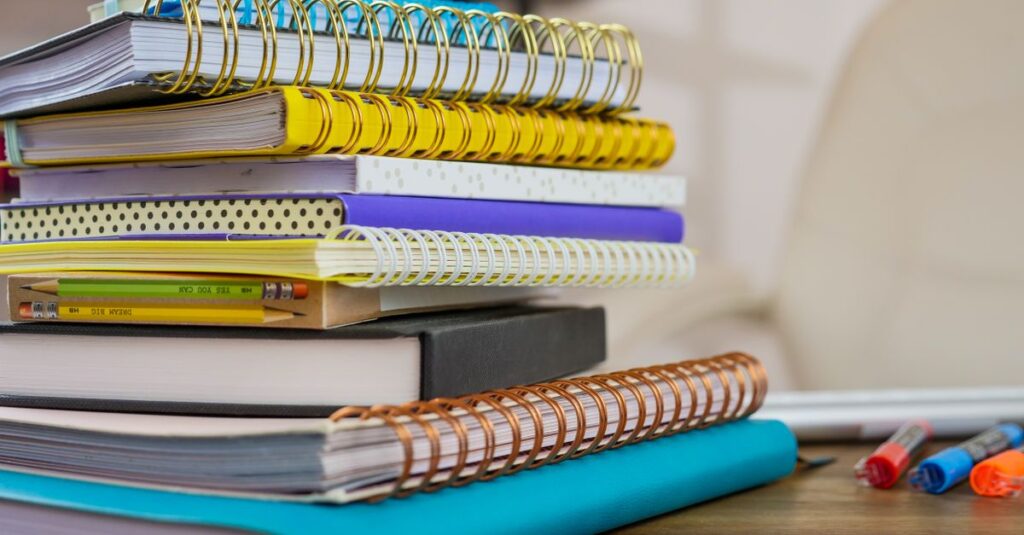
| Spiral | Diaries, notepads, corporate gifts | Medium | Medium | Yes |
| Perfect | Paperback books, annual reports | Low to medium | High | No |
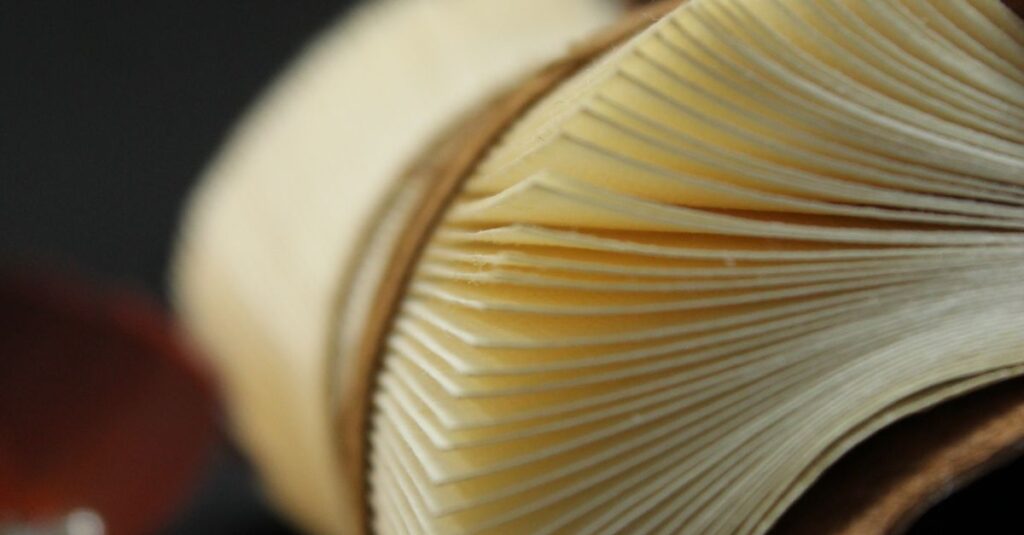
Stitched binding is the workhorse. It's what we use for most school notebooks. The pages are sewn together, then glued to the spine. It's tough.
Spiral binding uses a wire or plastic coil. It's great for diaries because it lies flat. But the coil can bend if you throw it in a bag.
Perfect binding is what you see on paperback novels. It's a glued spine. Looks clean, but it doesn't last as long with heavy use.
The Printing Side of Book Printing and Binding
Printing is where the content comes alive. Two main methods: offset and digital.
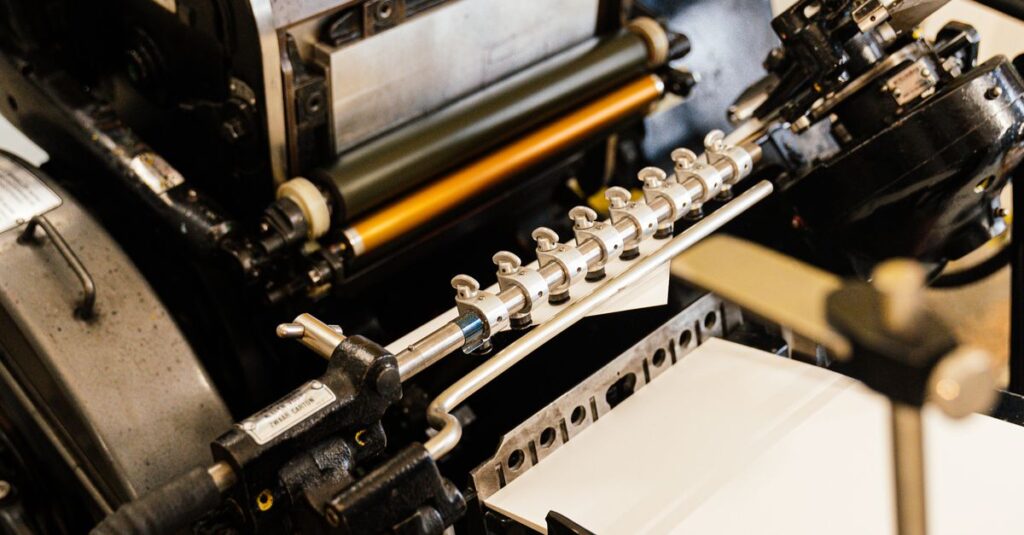
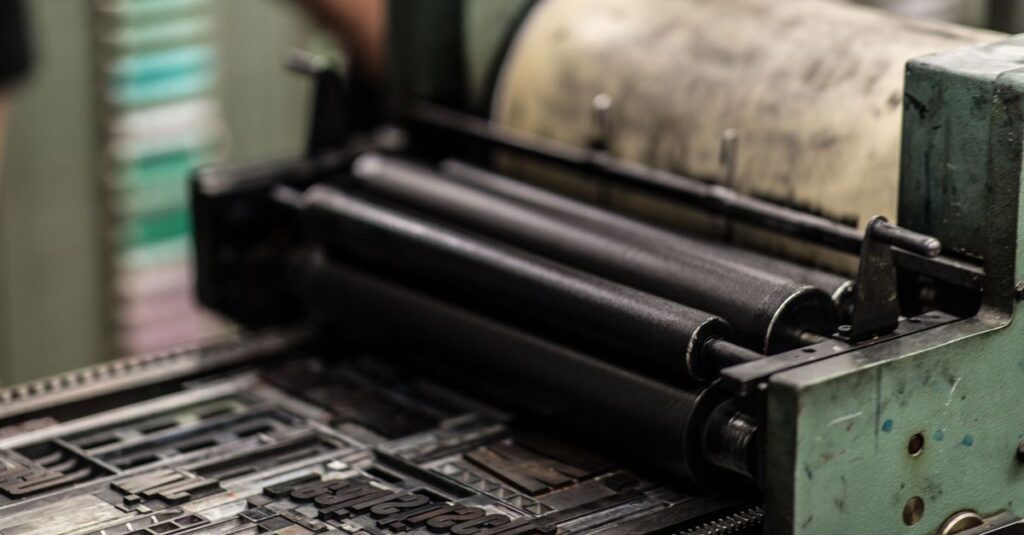
Offset printing is the old-school way. It uses plates and rollers. For bulk orders — say 5,000 notebooks — it's cheaper per unit. The colors are more consistent.
Digital printing is newer. No plates. You can print small runs (like 50 notebooks) and even customize each one. But the cost per page is higher.
Which one should you choose?
- For large orders (1,000+): Offset is the way to go.
- For small runs or variable data: Digital makes sense.
- For school notebooks: Offset. Every time.
At Sri Rama Notebooks, we mainly use offset for our standard notebooks. But we can do digital for custom orders.
Expert Insight
I was talking to our production manager last month — he's been here since the 90s. He told me about a batch of notebooks we made for a school in Rajahmundry. The school wanted the cheapest binding possible. We warned them. They insisted. Three months later, the notebooks were falling apart. We ended up redoing the whole order at cost.
What I learned: cheap binding is never cheap in the long run. The binding is what holds everything together. Skimp on it, and you'll pay twice.
A Real Story: What Happens When Binding Fails
Rajesh, 38, is a procurement manager for a chain of schools in Vijayawada. He ordered 10,000 notebooks from a new supplier last year. The price was low. He was proud of the deal.
Within two months, teachers were complaining. Pages were falling out. The stitching was uneven. Some notebooks had 50 pages, others had 52.
Rajesh had to spend his entire budget the next year replacing those notebooks. He switched to us after that.
I don't know if he tells that story to others. But I think about it every time someone asks for the cheapest option.
How to Choose the Right Book Printing and Binding for Your Bulk Order
Here's my honest advice: stop thinking about price first. Think about how the notebook will be used.
Is it for students? They'll open and close it hundreds of times. Go with stitched binding.
Is it a corporate diary? Spiral binding looks professional and lies flat on a desk.
Is it a one-time report? Perfect binding might be fine.
And don't forget the paper. 54 GSM is standard for notebooks. Too thin, and ink bleeds. Too thick, and the book becomes bulky.
If you're unsure, talk to someone who's done this before. We can help — that's literally what we do.
Frequently Asked Questions
What is the difference between book printing and book binding?
Printing is putting ink on paper. Binding is holding those pages together. Both are part of making a book. You need both. A printed stack of loose sheets is not a book — it's just paper.
Which binding is best for school notebooks?
Stitched binding. It's durable, opens flat, and can handle rough use. Most school notebooks in India use stitched binding. It's the most cost-effective option for bulk orders.
Can I get custom printing on notebooks with perfect binding?
Yes, you can. Perfect binding works well for custom covers and full-color printing. But it's not as durable as stitched. Use it for limited editions or special projects.
How long does book printing and binding take for a bulk order?
Depends on quantity and complexity. For 10,000 notebooks with stitched binding, expect 2–3 weeks. Rush orders are possible if we have the capacity. Call us for exact timelines.
What paper weight is best for notebooks?
54 GSM is standard for writing. It's thin enough to keep the book slim, but thick enough to prevent ink bleed. For diaries or premium notebooks, 70–80 GSM is better.
Conclusion
Book printing and binding might seem like a technical detail. But it's the difference between a notebook that lasts a year and one that falls apart in a month.
I don't think there's one perfect method. It depends on your use case, your budget, and how much you care about quality.
If you're planning a bulk order — for a school, a company, or a distributor — take the time to get the binding right. Because once the books are printed and bound, there's no going back.
Need help deciding? Sri Rama Notebooks has been manufacturing notebooks since 1985. We can guide you through the process.