

What Does “Book Binding Online” Actually Mean?
If you're searching for “book binding online,” I'll bet you're not looking for a tutorial. You're probably sitting at a desk with a spreadsheet open — inventory numbers, maybe a deadline. You need notebooks, or diaries, or account books. And you need them to hold together.
I get it. I've been in this business since 1985, and people ask me this all the time: how do I get something bound without driving across town? The answer is simpler than you think: you find a manufacturer who's been doing this long enough to know what works, and you tell them what you need.
Book binding online isn't complicated. It's just a way to order bound products — notebooks, diaries, custom stationery — from a factory. You upload your specs, we make them, they show up at your door. That's it. But here's where most people mess up: they don't know what type of binding they actually need. And that's what I want to talk about.
We've been doing this at Sri Rama Notebooks since the 80s. Before the internet was even a thing. So let me walk you through what actually matters.
The Three Ways Notebooks Are Held Together (And Why It Matters for Your Order)
There are really only three binding methods worth talking about. Thousands of variations, sure. But everything comes down to three. I've seen people order the wrong one and regret it for years. Not joking.
Stitched Binding — The Workhorse
This is the old way. And honestly? It's still the best way for most things. The pages are folded into sections, then sewn together with thread. The cover goes on last. Done.
My grandfather taught me this method when I was a kid. He'd say, “a stitched notebook doesn't fall apart. It stays flat when you open it. That's the whole point.” He was right. Schools love these. Accountants love these. Anyone who needs a notebook to last a full year — this is the one.
- Lays completely flat when open
- Pages don't tear out easily
- Best for heavy daily use (schools, offices, accounting)
- More expensive than spiral or perfect binding — but worth it
If you're ordering for a school or an institution, this is your safest bet. Nine times out of ten.
Spiral Binding — The Practical Choice
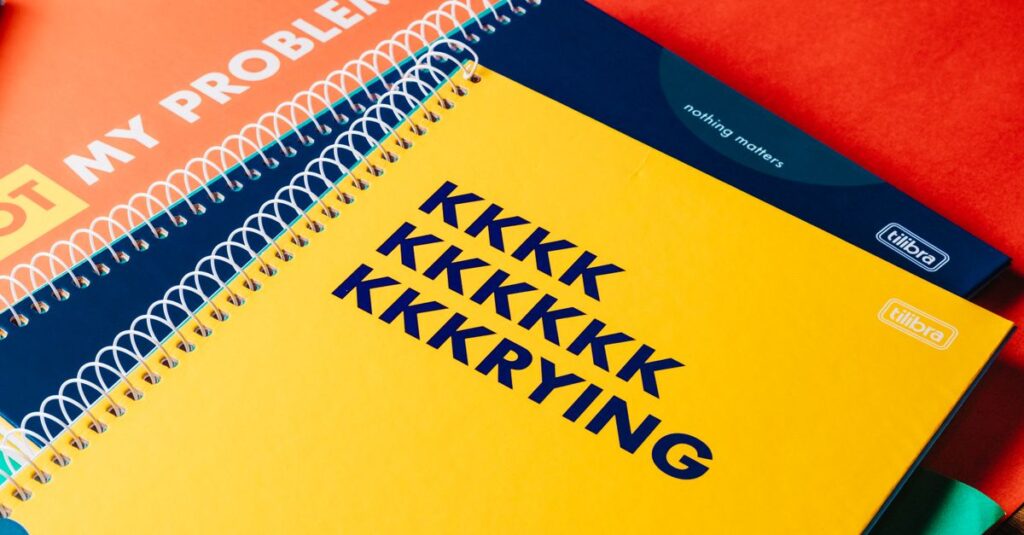
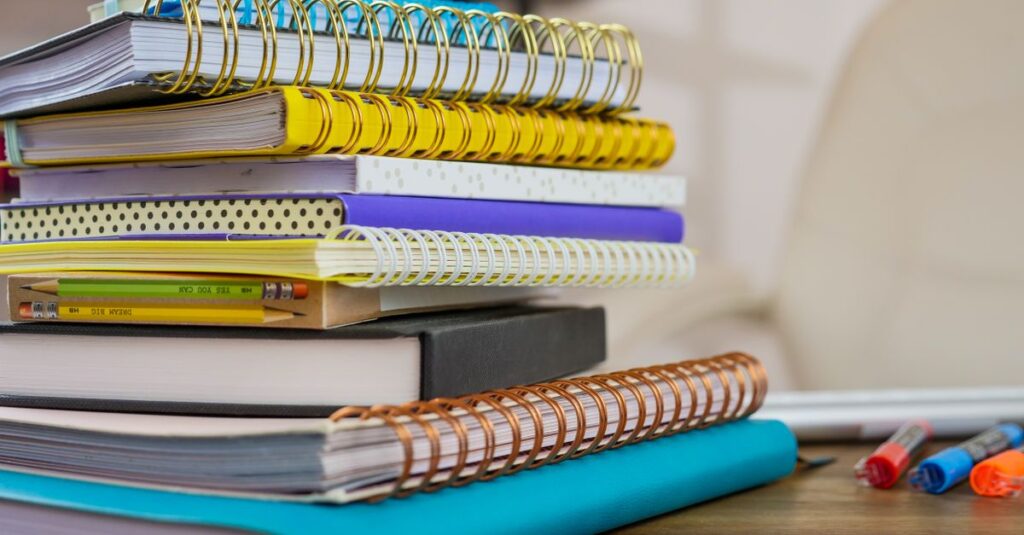
Spiral binding uses a wire coil that goes through holes punched in the paper and cover. You've seen it. It's what most notebooks look like in supermarkets.
Look, spiral binding has one advantage that beats everything else: it folds back on itself completely. You can fold the cover to the back and write on a single page without fighting the book. That's a real thing for students or people who work in tight spaces.
But — and there's always a but — the pages can tear out. Not always. But if someone pulls the notebook open too wide, the hole punches give way. You lose a page. Maybe two.
The question isn't whether spiral binding is good or bad. It's: do your users need flexibility or durability? You can't have both equally. At least not yet.
Perfect Binding — The Professional Finish
Perfect binding is what most paperback books use. The pages are glued at the spine with a strong adhesive. No sewing. No wires. Just glue and pressure.
This gives a clean, flat spine. You can print your logo right on it. Looks professional. Feels expensive. A lot of corporate diaries use this because it looks good on a desk.
I'll be honest — I'm not a huge fan of perfect binding for notebooks that get heavy use. The glue can crack over time. Especially in hot weather. And in Rajahmundry? Summer heat is real. So if you're ordering 1,000 diaries for a company in Dubai or Saudi Arabia, maybe think twice before choosing perfect binding.
| Binding Type | Best For | Durability | Lays Flat? | Cost |
|---|---|---|---|---|
| Stitched | Schools, account books, long-term use | High — lasts years | Yes | Medium |
| Spiral | Students, flexible use, tight spaces | Medium — pages can tear | Folds back completely | Low |
| Perfect | Corporate diaries, presentations, gifting | Medium — glue can crack | Partially | Medium-High |
Which one do you need? Honestly, I can't answer that without knowing your use case. But if you're ordering in bulk, the math changes significantly. Let me tell you about someone who learned this the hard way.
A Quick Story About A Bulk Order Gone Wrong
There was a procurement manager — let me call him Ravi, because that's his name. Ravi works for a chain of schools in Hyderabad. Last year, he ordered 10,000 diaries for the new academic year. Spiral binding. Looked great in the sample. Price was right. He placed the order online through some random platform — not a manufacturer, just a middleman.
Two months into the school year, teachers were calling him. Pages were falling out of half the diaries. Kids were taping pages back in. The principal was furious. Ravi called the middleman. No answer. Called again. Email bounced. Gone.
He ended up calling us. We stitched the next batch — 15,000 units — within three weeks. Delivered to nine schools across Telangana. Zero complaints.
Ravi told me later: “I thought I was saving money. I wasn't. I was buying a headache.”
I don't tell this story to scare you. I tell it because it happens more often than you'd think. And every time, the buyer says the same thing: I wish I'd known what binding actually meant for quality.
What Happens When You Order Book Binding Online — The Real Process
So you've decided to order book binding online. What actually happens after you click submit?
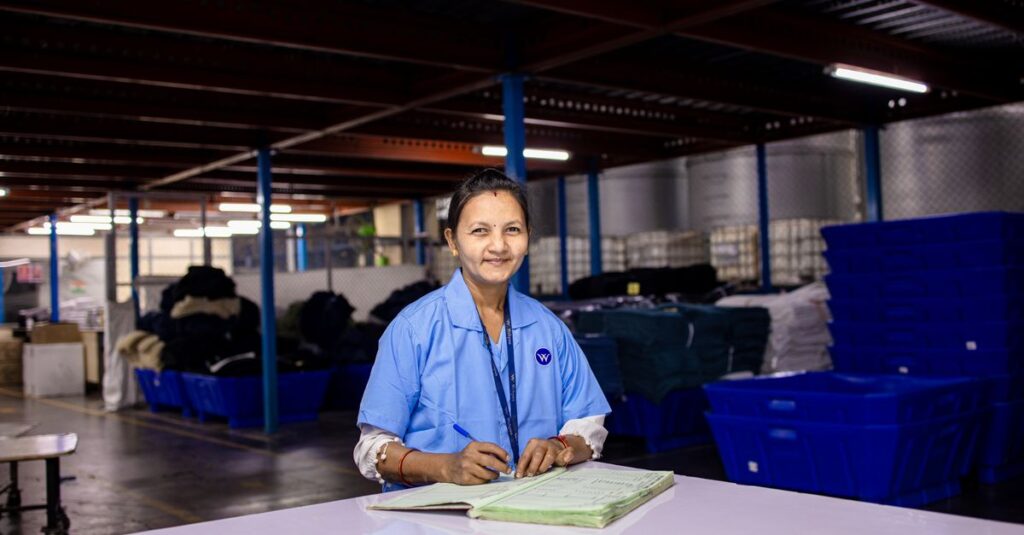
At our factory in Rajahmundry — near Gantalamma Temple, if you ever visit — the process goes like this.
First, someone from our team calls you. Not a bot. A person. We confirm the binding type, the paper size, the ruling, the cover design. We ask questions like: who's using this? Where? For how long? These details matter.
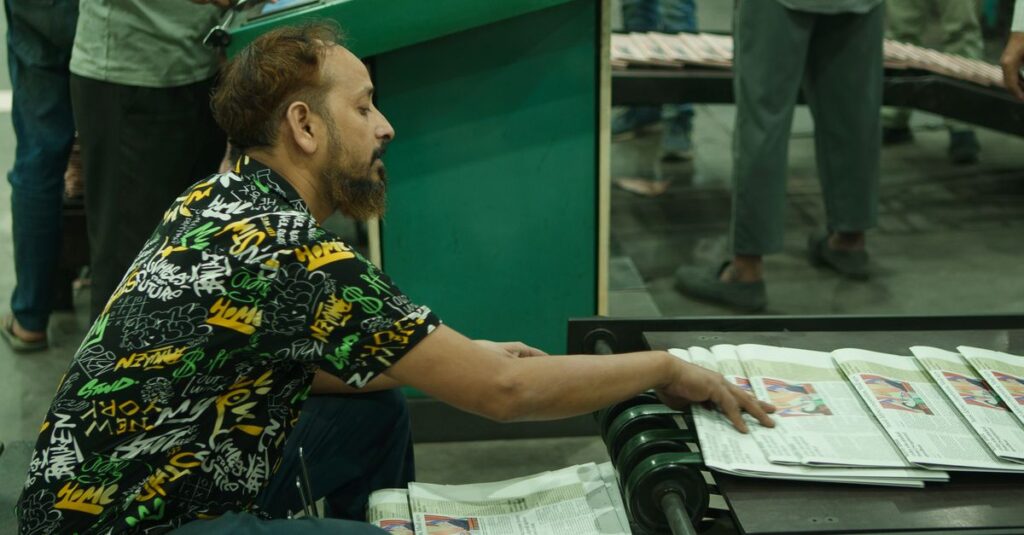
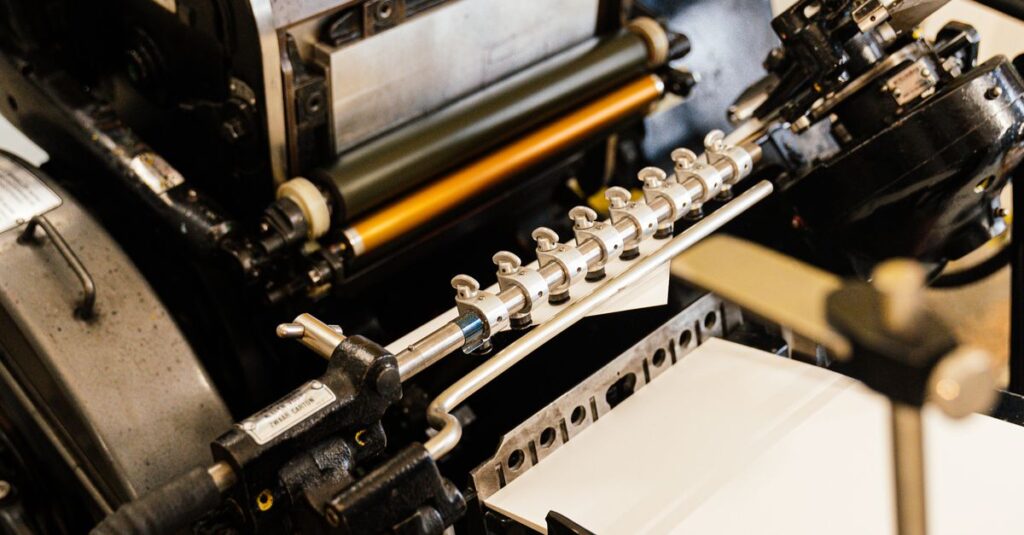
Then we print the pages. Offset printing for runs above 1,000. Digital for smaller batches. Then we cut them to size, fold them into sections, and bind them according to your choice.
For stitched binding, each section is sewn individually. Then the sections are joined together. This takes longer. It's labor-intensive. But the result is a notebook that outlasts anything glued or coiled.
For spiral binding, we punch holes and feed the wire coil through. Faster. Cheaper. Still good for the right use.
For perfect binding, we apply adhesive to the spine, attach the cover, and apply pressure until it dries.
The whole process takes anywhere from a few days to a few weeks, depending on the quantity. For bulk orders — 30,000 units or more — we can run the binding line continuously. Our factory turns out 30,000 to 40,000 notebooks every day. That's about 10,000 notebooks per shift. You can see the range on our products page.
Expert Insight
I was at a trade show in Mumbai a few years ago — 2019, I think. One of those big stationery expos. I was talking to a buyer from Nigeria, and he asked me why Indian stitched notebooks last longer than the Chinese ones he'd been importing. I didn't have a clean answer at the time. I just said, “maybe we take longer.” He laughed. But it stuck with me.
The truth is, there's no shortcut to a good bind. You can speed up the process. You can use cheaper thread or weaker glue. But you can't cheat the physics of paper and tension. If you try, the notebook will remind you — usually in the middle of a classroom. I don't have a better explanation than that.
Why Bulk Buying Changes Everything
I've been doing this long enough to see the same pattern repeat. Someone orders 200 notebooks online — fine. No issues. Then they order 2,000 from the same seller. Suddenly half are crooked, the stitching is loose, the covers don't match. Because that seller was probably outsourcing the binding to three different small shops. At scale, quality control falls apart.
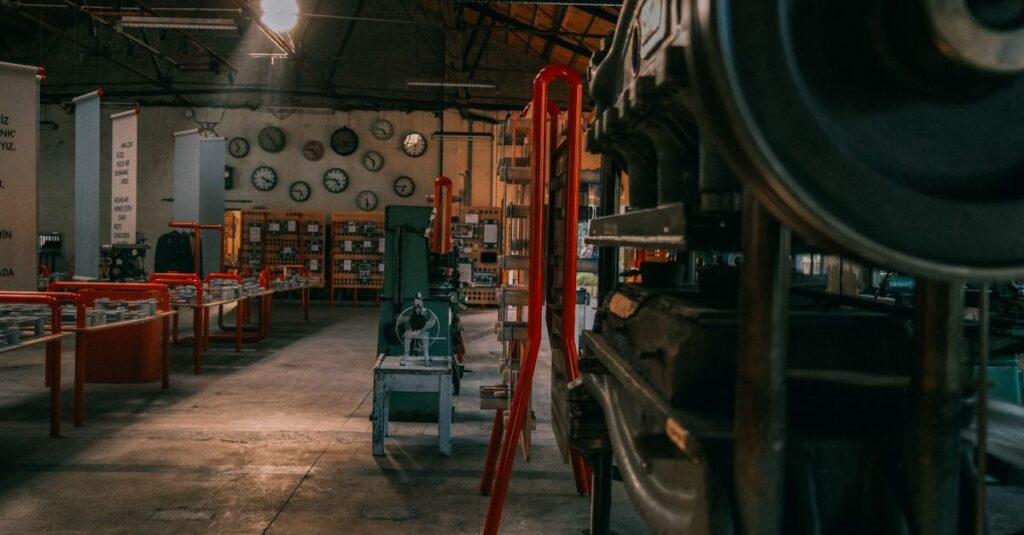
When you place a bulk order directly with a manufacturer, you skip all that. We control every step. Paper purchase, printing, cutting, binding, packaging. We don't subcontract. We don't rely on someone else's standards. Everything happens under one roof.
Here's what I mean by that:
- We buy paper in truckloads. Same supplier since 1990. We know exactly how it binds.
- Our binding machines are maintained by the same mechanics who trained under the original German technicians who installed them.
- We check 1 in every 50 notebooks from every batch for page alignment, thread tension, and cover adhesion.
The phrase “quality control” gets thrown around a lot. At Sri Rama, it means someone physically opens your notebooks and checks them. One at a time. If a batch has more than 2% defective units, the whole batch is redone. That's our internal rule. I don't know many manufacturers who do that for bulk orders.
Anyway. Where was I. Oh — the online part. The point is: book binding online works best when you know exactly who's binding. A middleman who aggregates orders from different factories? Risky. A manufacturer who's been in the same city since 1985 and isn't going anywhere? That's a different conversation.
Frequently Asked Questions
Frequently Asked Questions
Can I order book binding online for a small batch?
Yes. We accept small orders too — even 50 notebooks. But the per-unit cost will be higher because setup time is the same regardless of quantity. For small batches, we recommend perfect binding or spiral binding to keep costs manageable.
What's the best binding type for school notebooks?
Stitched binding. No question. It handles rough handling, stays flat when open, and pages don't tear out. Most schools in India and the Gulf choose stitched binding for their annual orders. It costs a bit more but lasts the entire academic year.
How long does book binding online take for bulk orders?
For orders under 5,000 units, we typically deliver within 7–10 working days. For larger orders — 30,000 units or more — expect 2–3 weeks. This includes printing, binding, and packaging. We can expedite if needed, but rush orders may cost extra.
What sizes can I get with book binding online?
We manufacture King Size (23.6 cm x 17.3 cm), Long (27.2 cm x 17.1 cm), Short (19.5 cm x 15.5 cm), Account Book (33.9 cm x 21 cm), A4, and A5. Custom sizes are possible for orders above 5,000 units. Just tell us what you need.
Can I get my logo printed on bound notebooks?
Yes. We offer logo printing, embossing, foil stamping, and custom cover design. For bulk orders — 500 units or more — we can print your logo on the cover and inside pages. Send us your artwork and we'll provide a quote within 24 hours.
So Where Does That Leave You?
Look, I'm not going to pretend book binding online is complicated. It isn't. At its core, it's just: figure out what you need, find someone who won't disappear after payment, and place the order.
Two things matter more than anything else. One: choose the right binding for your use case — stitched for durability, spiral for flexibility, perfect for presentation. Two: know who you're ordering from. A manufacturer who's been at it for 40 years isn't going to risk their reputation on a batch of poorly-bound notebooks. They can't afford to. That kind of accountability is rare, and it's worth paying for.
I don't know exactly what you need. Maybe you're ordering for a school, maybe for a corporate event, maybe for export. The specifics change. But the basics don't. Paper. Thread or glue. A reliable pair of hands. That's all binding has ever been.
If you want to talk through your order — binding type, quantity, custom printing — call me or my team. Sri Rama Notebooks. We've been answering these questions since before the web. Some things don't change.