What Is a Cardboard Notebook Anyway?
Let’s be honest. When most people hear “cardboard notebook,” they picture something flimsy. Something a kid might use for doodling and toss in the bin by Friday.
That’s not wrong. But it’s not the whole story either.
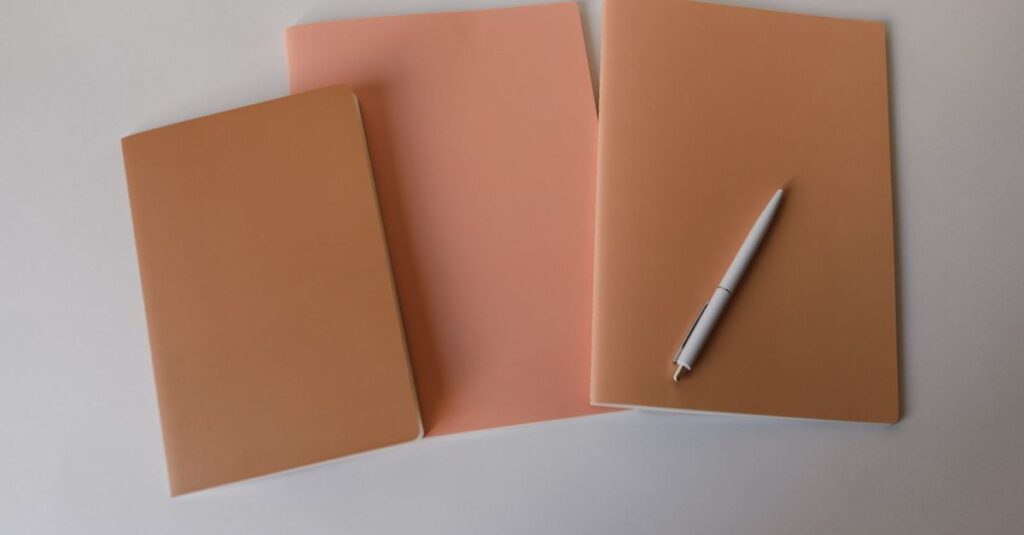
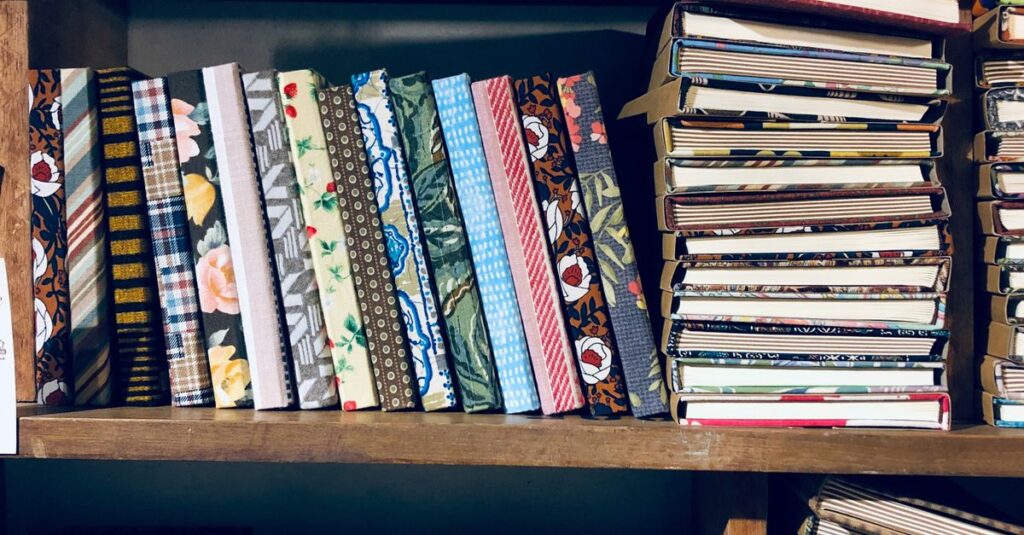
A cardboard notebook is simply a notebook where the cover is made from thick, rigid cardboard instead of the usual glossy or laminated paperboard. The inside pages are still standard notebook paper — 52 GSM, 54 GSM, sometimes 60 GSM depending on what you order. The difference is in the cover. And honestly? That difference matters more than most people realize.
I’ve been in this industry for a while now — Sri Rama Notebooks has been making notebooks since 1985 — and I’ve seen cardboard notebooks go from “the cheap option” to something schools and corporate buyers actually request. On purpose.
So what changed? Nothing really. People just started paying attention to what works.
Who Actually Buys Cardboard Notebooks? (And Why)
You’d think the answer is “schools on a tight budget.” And yes, that’s part of it. But it’s not the only part.
I remember a call I took last year. A procurement manager from a government school in Visakhapatnam. She was ordering notebooks for 2,000 students. Budget was tight. She said something I still think about: “I don’t need them to look fancy. I need them to survive until the exams.”
That’s the thing with cardboard notebooks. They’re durable in a way that surprises you.
Here’s a quick look at who orders them and why:
- Schools and colleges — Budget-friendly for bulk orders, especially for subjects where students go through multiple notebooks in a year.
- Corporate buyers — Believe it or not, some companies use cardboard cover notebooks for internal training manuals and workshop materials. They don’t need fancy leather covers. They need something that holds up.
- Government institutions — Tenders often specify cardboard covers because they’re cost-effective and meet basic durability standards.
- Distributors and wholesalers — Cardboard notebooks sell fast in rural and semi-urban markets. Parents prefer them because they’re cheaper, and kids prefer them because they’re lighter to carry.
The interesting part? Cardboard notebooks aren’t just “the cheap option.” They’re actually the practical option for a lot of situations. We just don’t talk about that.
Cardboard vs. Laminated Cover: How They Actually Compare
Let me put this in a table. I like tables because they don’t pretend. Numbers don’t have opinions.
| Feature | Cardboard Cover | Laminated Cover |
|---|---|---|
| Cost per unit (bulk) | Lower (30-40% cheaper) | Higher |
| Durability | Good for 4-6 months daily use | Lasts longer (8-12 months) |
| Weight | Lighter | Heavier |
| Customization options | Printing, embossing, foil stamping | Same, plus lamination |
| Best for | Schools, exams, short-term use | Corporate diaries, year-long use |
| Environmental impact | More recyclable | Less recyclable (plastic coating) |
Look, I’m not saying cardboard is always better. If you want a diary that sits on a desk for a year and still looks new, go with laminated. But if you’re ordering 10,000 notebooks for a school that goes through them in a semester — cardboard is the smarter choice. Nine times out of ten.
Expert Insight
I was talking to a supplier in Rajahmundry a few months back — over chai, not a meeting — and he told me something that stuck. He said the biggest mistake buyers make is assuming the cover material determines the notebook’s quality. “The cover is just the armor,” he said. “The pages are the soldier.”
He was right. A cardboard notebook with good 54 GSM paper and stitched binding will outlast a fancy laminated notebook with cheap, thin pages. I’ve seen it happen. More times than I can count.
How a Cardboard Notebook Is Actually Made
It’s not complicated. But there’s a craft to it.
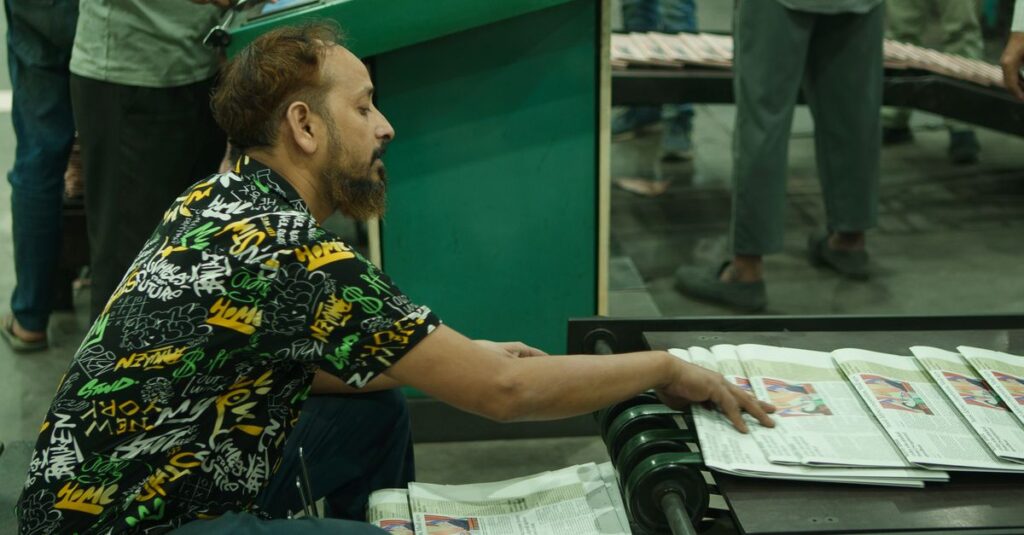
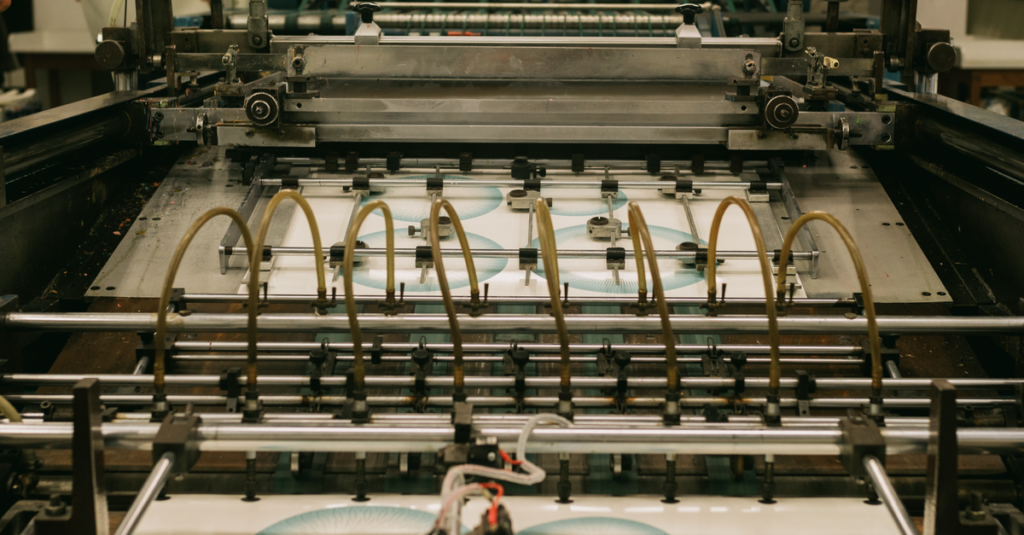
The process starts with large sheets of cardboard — usually recycled paperboard, around 600-800 GSM. These sheets get cut into cover sizes. Then the printing happens: offset printing for large runs, digital for smaller custom orders. Logos, school names, branding — all that goes on before the cover is attached to the pages.
Then binding. Three main types:
- Stitched binding — Threads sewn through the spine. Strongest option. Lasts the longest.
- Spiral binding — Wire or plastic coils. Pages lie flat. Good for notebooks that get used on desks.
- Perfect binding — Glued spine. Clean look but less durable than stitched.
At our factory, we produce somewhere between 30,000 to 40,000 notebooks a day. Cardboard covers come through on almost every shift. Not because they’re cheap. Because people keep ordering them.
Think about that.
Customization Options for Cardboard Notebooks
You might think cardboard means “no customization.” That’s not true.
We do logo printing on cardboard covers all the time. Schools want their emblem. Companies want their brand name. Some even request foil stamping or embossing — and yes, it works on cardboard. Looks surprisingly good, actually.
Here’s what you can customize:
- Cover design — Full color print, single color, or no print at all (plain cardboard has a certain look to it, if you’re into that).
- Page count — From 52 pages to 700 pages. Yes, 700 pages in a cardboard cover. It’s possible.
- Ruling type — Single ruled, double ruled, four ruled, cross ruled, unruled, all options available.
- Size — King, Long, Short, A4, A5, Crown. Pick what fits your use.
- Binding — Stitched, spiral, or perfect. Stitched is best for heavy use.
The other thing nobody tells you: cardboard covers actually hold foil stamping better than laminated ones. The heat and pressure bond with the raw paper fibers. I don’t know the technical reason. I just know it works.
Frequently Asked Questions
Frequently Asked Questions
Is a cardboard notebook durable enough for students?
Yes, for most school use. A cardboard notebook with stitched binding can last an entire academic term. The cover may show wear at the corners, but the pages stay intact. For younger students who go through notebooks quickly, it’s the most practical option.
Can I print my company logo on a cardboard notebook?
Absolutely. We offer offset and digital printing on cardboard covers. Logo printing, foil stamping, embossing — all possible. The cardboard surface takes ink well, and the results are clean and professional. Great for corporate training materials or promotional items.
What sizes are available for cardboard notebooks?
We manufacture all standard sizes: King (23.6 x 17.3 cm), Long (27.2 x 17.1 cm), Short (19.5 x 15.5 cm), A4, A5, and Crown. Custom sizes are also possible for bulk orders. Just tell us what you need.
How many pages can a cardboard notebook have?
From 52 pages to 700 pages. The cardboard cover can handle the weight of high page counts, especially with stitched binding. We’ve supplied 700-page account books with cardboard covers to government departments. They hold up fine.
Are cardboard notebooks cheaper than laminated ones?
Yes, usually 30-40% cheaper in bulk orders. The raw material cost is lower, and the manufacturing process is simpler. For schools and institutions ordering thousands of units, the savings add up significantly without sacrificing basic quality.
So What’s the Real Takeaway?
I think we overcomplicate this stuff. A notebook is a notebook. What matters is whether it does what you need it to do.
Cardboard notebooks work. They’re affordable. They’re lighter than laminated ones. They’re easier to recycle. And for the majority of school and institutional use, they’re perfectly fine. Not fancy. But fine.
I don’t think there’s one answer here. Probably there isn’t. But if you’ve read this far, you’re probably someone who orders notebooks in bulk and wants to make a smarter choice. That’s worth something.
If you want to talk options — cardboard or otherwise — Sri Rama Notebooks has been making them since 1985. We know what works.