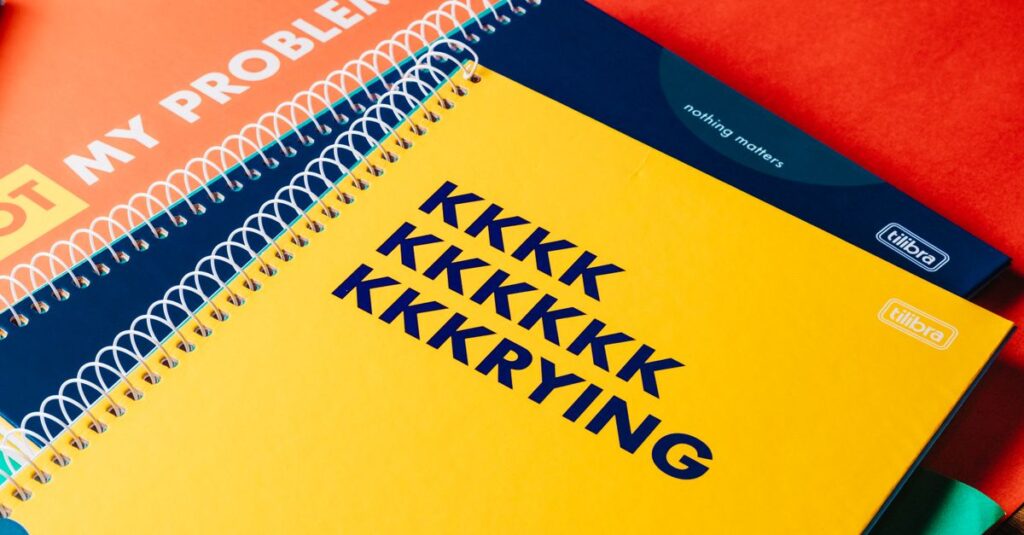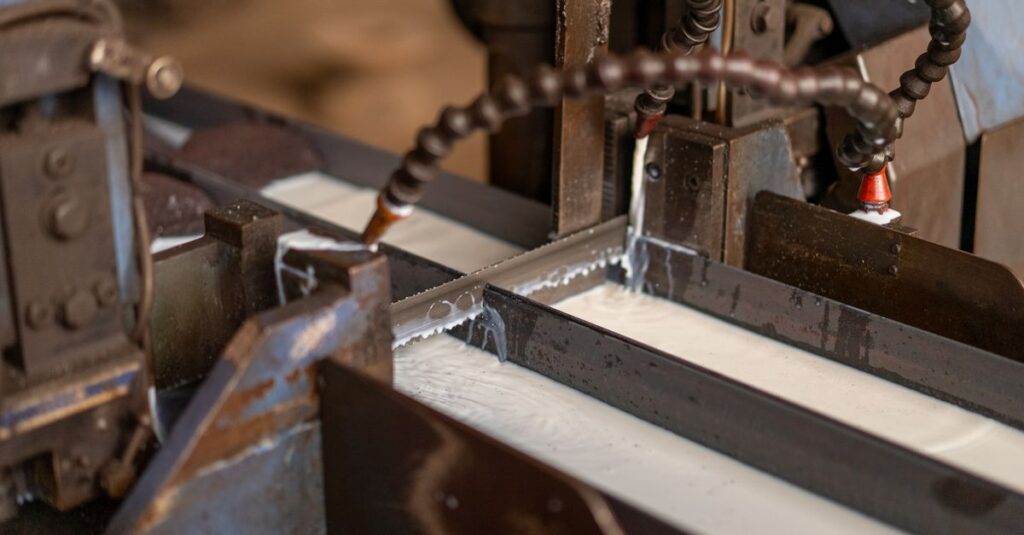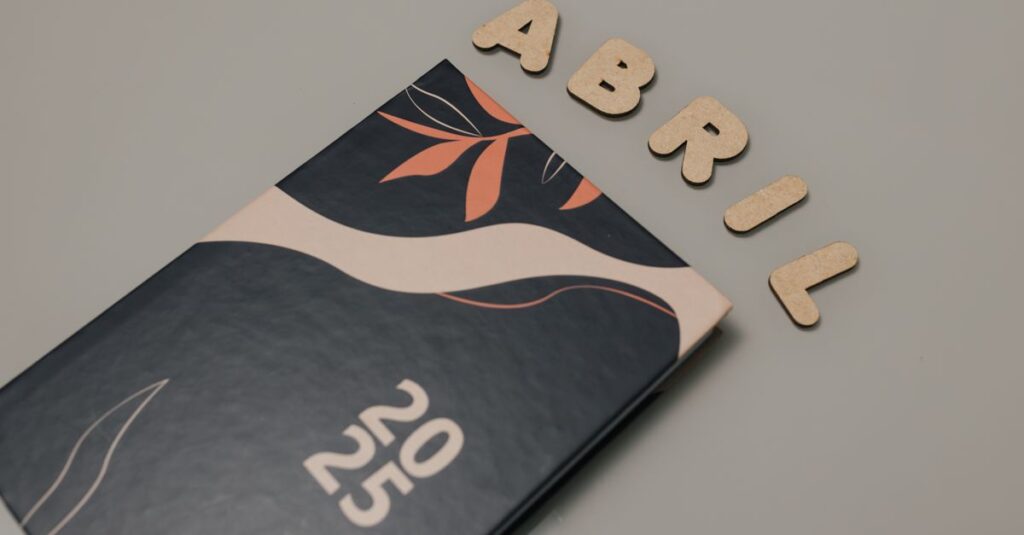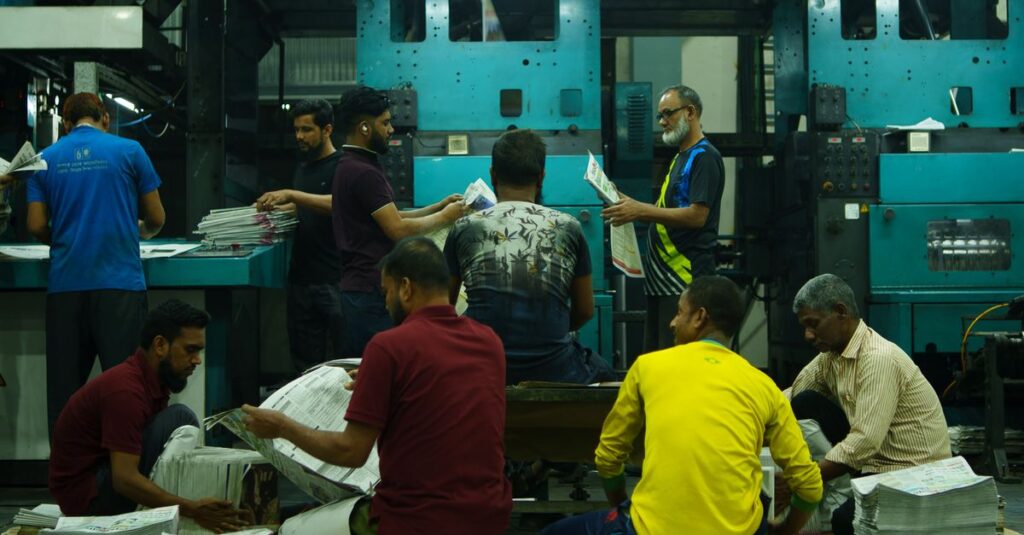


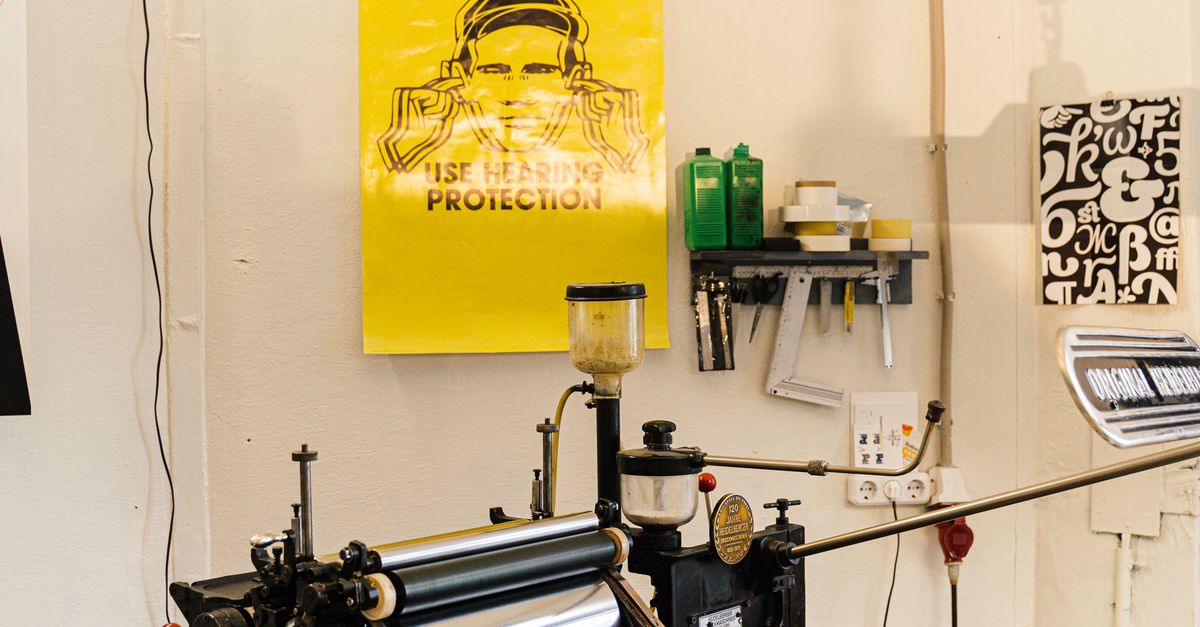
You've probably never thought about how the words and lines get onto your notebook pages. Most people don't. But if you're ordering notebooks by the thousands — for a school, a corporate event, or a government tender — that process suddenly becomes very important. And the method behind it is called color offset printing. It's the workhorse of commercial printing, and for good reason.
I've been in this business since 1985, and I can tell you: there's a reason most bulk notebooks are printed using this method. It's not flashy. It's just reliable. And if you're cost-conscious and need consistent color across thousands of pages, this is what you need to understand. I'll walk you through it.
If this sounds familiar, Sri Rama Notebooks has been doing this for decades.
What Exactly Is Color Offset Printing?
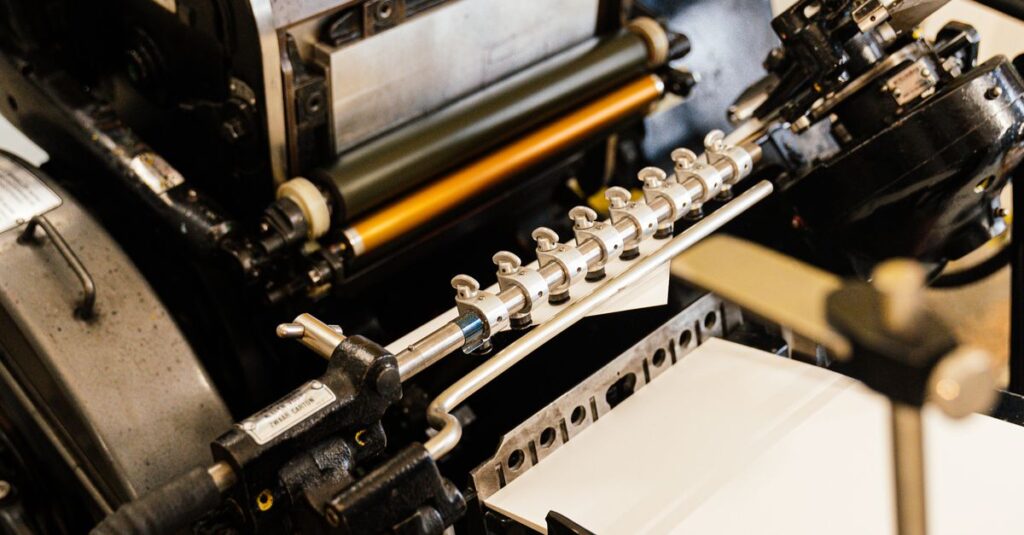
Offset printing is a method where the inked image is transferred (or "offset") from a plate to a rubber blanket, then onto the paper. When you add color — CMYK process — you get color offset. It's the standard for high-volume printing because it gives you sharp, consistent results at a low per-unit cost.
I was talking to a distributor last week over chai — he didn't know the difference between offset and digital. He'd been buying notebooks for ten years. That's when I realized: most people just trust their supplier. They don't ask the question. Don't be that person.
How It Works in a Notebook Factory
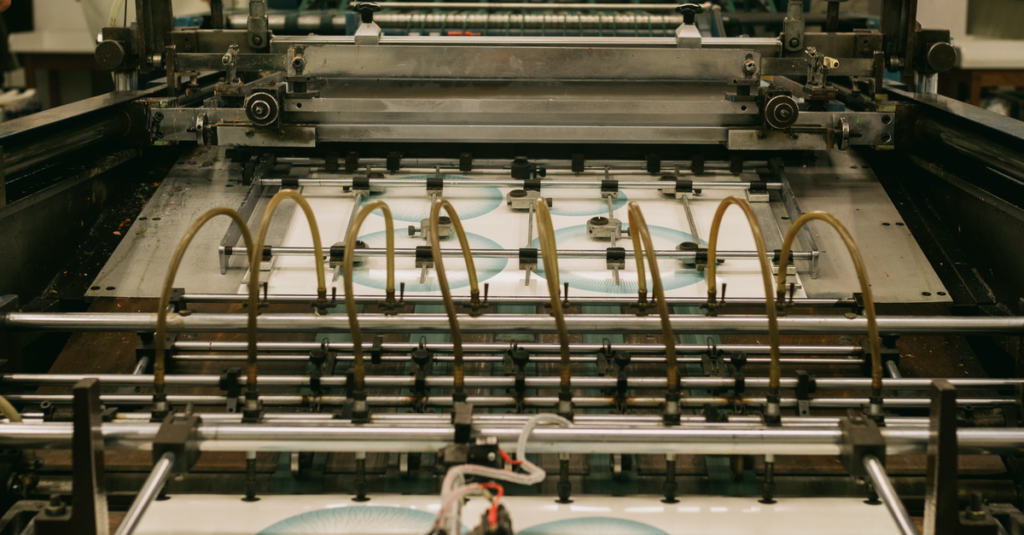
At our factory in Rajahmundry, we run offset presses that handle sheets up to A4 size. We load the paper, set up the plates, and within minutes we're printing hundreds of sheets per minute. The key advantage: once the press is set up, each additional sheet costs almost nothing. That's why it's perfect for bulk orders — 10,000 notebooks? No problem. 100,000? Even better.
How Color Offset Differs From Digital Printing
If you've ever printed a document at home, you've used digital printing. Toner or inkjet. Fast. Easy. But you wouldn't run 50,000 notebooks that way — unless you hate your budget.
Here's the thing about color offset: it has a higher upfront cost. You need plates, setup time, skilled operators. But once you're running, the cost per unit drops fast. Digital printing has low setup but high per-page cost. So for bulk, offset wins. For small runs — say 50 notebooks — digital might be cheaper.
| Factor | Color Offset | Digital Printing |
|---|---|---|
| Cost per notebook (bulk) | Very low | Moderate to high |
| Setup cost | High (plates, time) | Low (no plates) |
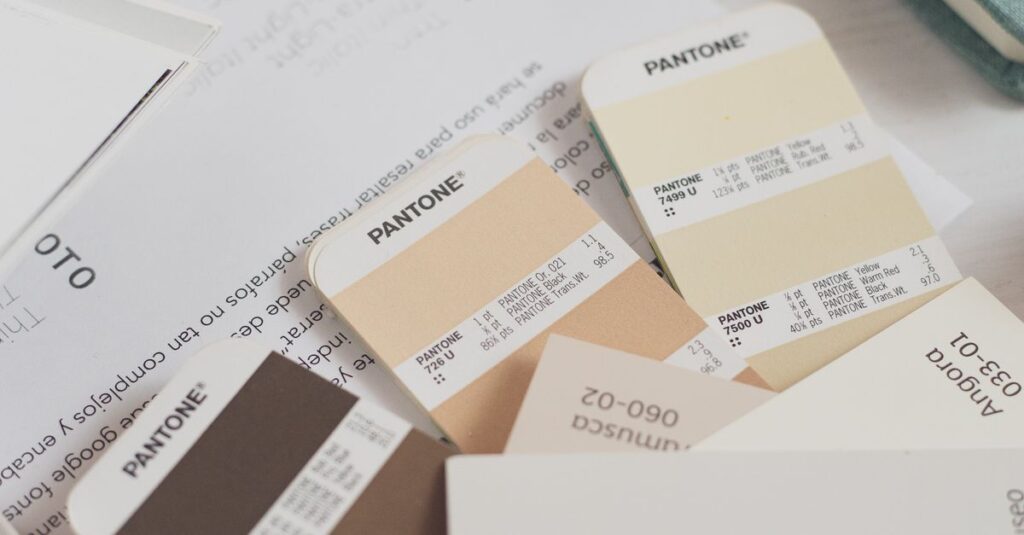
| Color accuracy | Excellent (Pantone matching) | Good, but limited |
| Speed for large runs | Fast (1000+ sheets/min) | Slower |
| Minimum recommended quantity | 500+ notebooks | 1 notebook |
That's the gist. But here's where it gets interesting: the color stability in offset is hard to beat. Digital tends to drift over a long run. Don't quote me on the exact statistics, but I've seen enough samples to know.
Why Color Offset Matters for Notebook Manufacturing
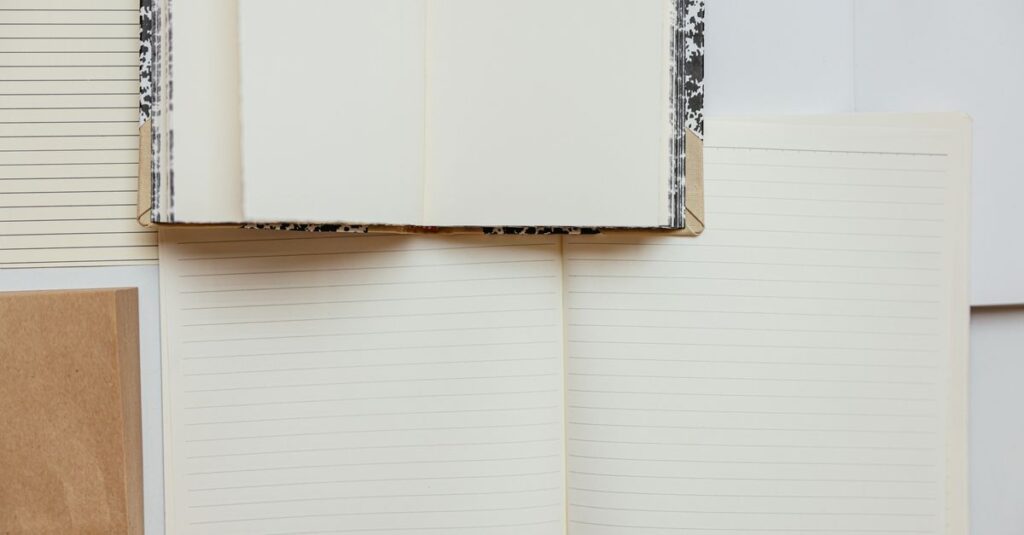
Think about what goes into a notebook: covers, spine, inner pages, maybe dividers. Each element can be printed. With color offset, you get consistent color from the first print to the last. That matters when your logo needs to be the same on every cover in a shipment of 10,000 units.
Rajesh, 34, is a procurement manager for a chain of 20 schools in Hyderabad. Last year he ordered 30,000 custom notebooks with the school crest in full color. His previous supplier used digital printing — the first 5,000 looked fine, but by the end, the crest was barely recognizable. He switched to color offset after I explained the consistency. When the order arrived, he called to say: "Every single one looks like the sample. I didn't even check the last box. I trusted the process."
I didn't say anything. I just smiled.
Common Mistakes to Avoid With Color Offset Printing
Even though color offset is reliable, things can go wrong if you don't prepare correctly. Here are the most common issues I see:
- Submitting artwork in the wrong color mode (always use CMYK, not RGB)
- Not accounting for paper grain in the print direction
- Assuming all offset printing is the same quality — it's not. Printers matter.
- Forgetting to order proofs before the full run
Expert Insight
I was at a trade show in Chennai a few years ago — overheard two buyers complaining about a failed order. Their covers came out with a greenish tint. The printer blamed the plate. I wanted to tell them: sometimes it's the ink-water balance. A good press operator knows how to adjust. That's the difference between a workshop and a factory with experienced staff. We've had the same pressmen for over 20 years. That kind of knowledge can't be automated.
Actually, let me rephrase that — the biggest mistake is not asking for a proof. I've made that mistake myself early on. Never again.
How to Prepare Artwork for Color Offset Printing
If you're supplying the design for your notebooks, a few simple steps can save you a headache. First, convert all colors to CMYK. Your screen shows RGB — offset printers use CMYK. They're different. Second, include 3mm bleed on all sides. Third, make sure text is long enough — offset can handle tiny details, but fine lines under 0.5pt might disappear.
I know it sounds technical. But honestly — no wait, it is technical. That's why you work with a printer who explains things rather than just saying "send the file." Nothing wrong with Canva, but export as PDF with crop marks. Otherwise we have to guess where the edge is.
And here's the real tip: order a physical proof. Not a PDF proof. A wet proof — printed on actual paper with the same stock. That way you see the exact color, finish, and feel. I've seen too many clients approve a screen proof and get disappointed. It's cheaper to fix before printing 10,000 covers.
This is where a reliable printing services partner can guide you. We do that all the time.
Frequently Asked Questions
What is color offset printing?
Color offset printing is a commercial printing method where ink is transferred from a plate to a rubber blanket, then to paper. It uses four color plates (cyan, magenta, yellow, black) to create full-color images. It's ideal for high-volume notebook orders because of its consistency and low per-unit cost.
Is color offset printing better than digital for notebooks?
For bulk orders of 500 or more notebooks, offset is better. It offers lower cost per unit and consistent color across the entire run. Digital is better for small quantities under 100, where setup cost doesn't pay off. For schools or corporate orders, offset is the standard.
Can I use color offset for custom notebook covers with my logo?
Absolutely. In fact, offset printing is the most common method for custom notebook covers. It allows precise color matching — including Pantone colors. Just provide your artwork in CMYK with proper bleed, and we can print your logo in full color on the cover.
What is the minimum order quantity for color offset printed notebooks?
Typically a minimum of 500 notebooks is recommended to justify the setup cost. However, at Sri Rama Notebooks we sometimes run smaller batches if the design is simple. For standard sizes and common paper, we can accommodate lower quantities. Contact us to discuss.
How do I ensure my notebook colors come out exactly as designed?
Request a physical proof before the full run. We print a single notebook sample using the same paper and ink as the bulk order. That way you can approve the actual color, not just a screen image. Also, use CMYK color space and avoid overly bright RGB tones.
Two things to remember about color offset printing for notebooks: it's the most cost-effective way to get consistent color at scale, and the quality depends heavily on your printer's experience. Don't assume all offset is the same. The press, the paper, the operator — they all matter.
I don't think there's one right answer for every buyer. Maybe you need a mix of digital and offset. Maybe you start with a small offset run. But if you're buying in bulk, understanding this process will save you money and frustration. That much I know.
If you want to discuss your next notebook order with people who've been doing this since 1985, Sri Rama Notebooks is ready to help.