If you're in procurement, the memo hits your desk every session. "Need 5000 copy classmate." It's practically a generic term now. But it isn't. It's a standard. A benchmark for paper, binding, and price. And if you're ordering in bulk, you can't just guess. One bad batch and you hear about it from every teacher in the staff room. The real question isn't "which brand costs less." You have to ask yourself what you're actually signing off on. If you want a manufacturer who understands the standard—and can match it—check out Sri Rama Notebooks.
What Does 'Copy Classmate' Actually Mean?
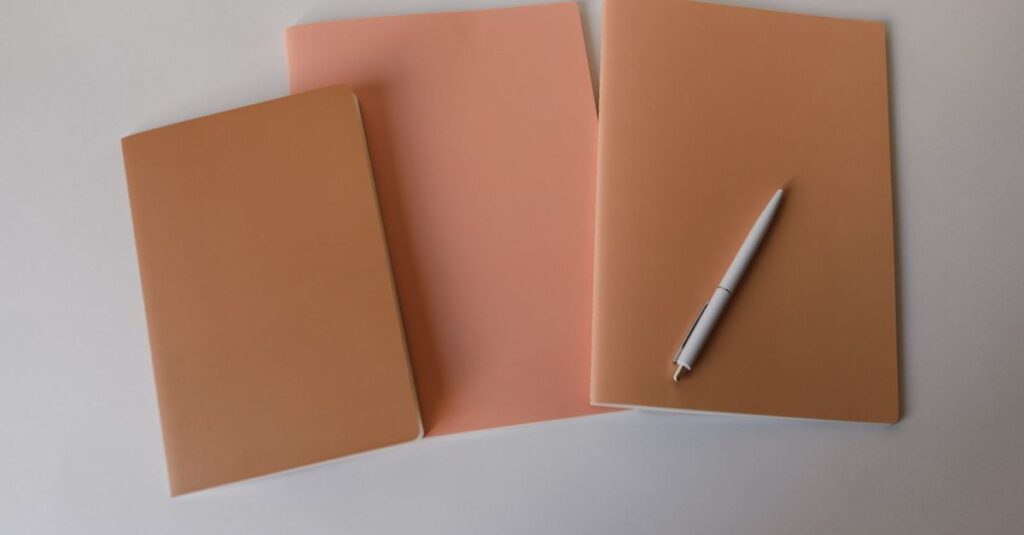
Here's the thing. In India, "copy" means notebook. "Classmate" is a brand. So "copy classmate" means a Classmate notebook. But in the bulk buying world, it's become the shorthand for a specific type of school notebook. 172 pages. Long size. Single ruled. Glossy cover.
It's the gold standard for a reason. The paper handles a fountain pen without bleeding through. The stitching holds up through a whole term of daily use. The cover doesn't peel off by October.
Most people don't think about this when they place an order. They just say "get the ones like Classmate." But knowing the specifics—the GSM, the ruling pattern, the binding type—is the only way to make sure your supplier delivers what you expect.
Anyway. Where was I.
Don't quote me on this, but I think the stat was—I can't remember exactly—something like 70% of private schools are switching to custom notebooks. The trend is real.
The Technical Specs That Matter
- Size: Long (27.2 cm × 17.1 cm) is the most ordered. Short (19.5 cm × 15.5 cm) for younger kids.
- Pages: 52, 92, or 172 pages. 172 is the standard for a single subject term.
- Ruling: Single Ruled (SR) for general use, Four Ruled (FR) for kindergarten handwriting practice.
- Paper: 54–60 GSM. Smooth finish. No feathering on ink.
- Binding: Stitched is the most durable. Perfect bound is cheaper but won't survive a school bag.
The Science of a School Notebook (What You're Really Paying For)
Look, I'll just say it. Not all 172-page notebooks are the same. I have seen notebooks fall apart by mid-term. The binding loosens. The pages tear. The cover bends. And who gets blamed? Not the manufacturer. The school.
Quality isn't magic. It's choice.
Paper: 54 GSM is the standard. But is it consistent through the entire notebook? A good manufacturer checks. A bad one doesn't.
Binding: Stitching is the winner. It lets the notebook lie flat and pages don't fall out. Perfect binding is faster and cheaper—good for diaries, bad for school bags.
Cover: A 300 GSM glossy cover can handle rain, bent corners, being shoved into a backpack. A thin cover won't make it to winter break.
Expert Insight
I was talking to a distributor in Vijayawada last month. He's been in the stationery business for 25 years. He told me the biggest change he's seen is schools switching from branded notebooks to custom ones. "The quality is the same," he said. "Sometimes better. Because the school picks exactly what they want. They're not stuck with what the brand decides to make." I think about that a lot. The standard is set. Anyone with the right machinery can meet it.
Real-Life Micro-Story
Prakash is 52, runs a stationery distribution company in Guntur. He lost a big contract once because the notebooks he supplied looked perfect but the binding gave way in three months. The school switched suppliers. He switched manufacturers. "Now I only touch stock from factories that use proper stitching," he said. "Parents don't complain when the notebook lasts the whole year. That word of mouth is everything." He moved his entire business to manufacturers who care about the finish. It saved his business.
Copy Classmate vs. Private Label Notebooks: The Real Cost Difference
This is the big fork in the road. Do you buy branded Classmate, or do you custom print your own?
| Factor | Branded Classmate | Custom / Private Label |
|---|---|---|
| Branding | ITC's logo. | Your school or company logo. |
| Price | MRP driven. Less room for negotiation. | Direct factory pricing. Bulk discounts. |
| Customization | None. Standard off-the-shelf product. | Full control over cover, ruling, paper, packaging. |
| Minimum Order | No minimum. Retail purchase. | Minimum batch of 1000 to 5000 units. |
| Supply Chain | Distributors. Limited stock management. | Direct dispatch from factory to your door. |
The choice isn't hard if you're buying enough volume. Under 500 units? Branded is fine. Over 5000? You're leaving money on the table if you don't go custom. The specs are identical. The value add of your own branding is massive.
Expert Insight
I remember a principal in Rajahmundry telling me she switched her entire school to custom notebooks. "We were paying for someone else's brand name," she said. "Now our students carry our name. It's a different kind of pride." She saved 20% on the annual stationery budget. Which is… a lot to sit with.
How to Pick the Right Manufacturer for Your Bulk Order
You've decided. Custom or bulk standard. How do you choose the supplier?
- Capacity: Can they deliver on time? Sri Rama Notebooks produces 30,000–40,000 units daily. That means they can handle your largest order without sweating.
- Quality Control: Ask for samples. Drop them. Write in them. Shove them in a bag. If they survive you, they survive a student.
- Customization: Logo printing, embossing, foil stamping. Can they do it? Do they do it well?
- Track Record: Who have they supplied? Schools, government, exports? Exports to UK and USA mean they meet strict international standards.
- Communication: "The biggest problem with cheap manufacturers is they don't call you when there's a delay. They just send it late," a distributor in Delhi told me. "Reliability is worth the extra rupee."
The best manufacturer isn't the cheapest. It's the one that delivers exactly what they promised. The question is—will they deliver for you?
Frequently Asked Questions
What size is a standard copy classmate notebook?
The most common sizes are Long (27.2 cm × 17.1 cm) for older students and Short (19.5 cm × 15.5 cm) for younger ones. These sizes fit standard school bags and desks comfortably.
Can I get my school logo printed on the notebook?
Yes. This is called private label manufacturing. You can get your school or institution's logo printed on the cover. It builds brand identity and looks professional. Minimum order volumes apply.
How many pages does a typical copy classmate have?
A standard single-subject notebook usually has 172 pages. Other common options are 52, 92, and 200 pages. The right choice depends on the subject and usage.
What is the minimum order quantity for bulk notebooks?
For standard unprinted notebooks, orders can start from 500 units. For custom printed notebooks with your logo, the minimum order is typically 1000 to 5000 units depending on the complexity.
How do I check the paper quality before placing a bulk order?
Always ask for physical samples. Check the GSM (aim for 54-60). Test it with different pens. A good manufacturer will send samples immediately without any hesitation.
I think the big takeaway is simple. A "copy classmate" is a standard. A benchmark. You don't have to buy the brand to get the standard. The specifications aren't secret. Anyone with the right machine and the right discipline can replicate it. The question is whether the manufacturer has that discipline.
I don't think there's a perfect answer for everyone. Some schools need the brand. Some need the savings. But if you're reading this, you're already looking for a better way.
THIS IS THE PART NOBODY SAYS OUT LOUD. You have the power to choose who makes your notebooks. Don't settle for someone who can't meet the standard.
If you want a manufacturer who gets it, look at Sri Rama Notebooks.