Wait. What Does “Binded” Even Mean?
Look, if you’re ordering notebooks in bulk for your school or company, you’ve probably typed out “binded book” in a frantic email or search bar. You’re not wrong. Most people say it like that. It’s not grammatically perfect—the correct word is ‘bound’—but the intent is crystal clear. You’re searching for something that feels sturdy, where the pages won’t fall out when a student or an employee tosses it into a bag. And honestly? That’s the whole point.
The frustration is real. You’ve seen those cheap notebooks where pages start detaching after a week. You’re buying hundreds, maybe thousands, of them. You can’t afford that. Every loose page is a complaint, a wasted resource, a tiny administrative headache. It’s not just about paper and printing. It’s about how the whole thing holds together. That’s what you’re looking for when you search for a binded book—durability you can trust.
And that’s exactly what this is about. We’ve been making notebooks since 1985. The binding is where we spend a lot of our energy, because if that fails, the entire product fails. If you’re looking for a supplier who understands that, this is probably where you should start.
The Binding Process: It’s More Than Just Glue
Most people think binding is just sticking pages together. It’s not. It’s the engineering of the notebook. The spine. The hinge. The thing that determines whether this notebook lasts a semester or a fiscal year.
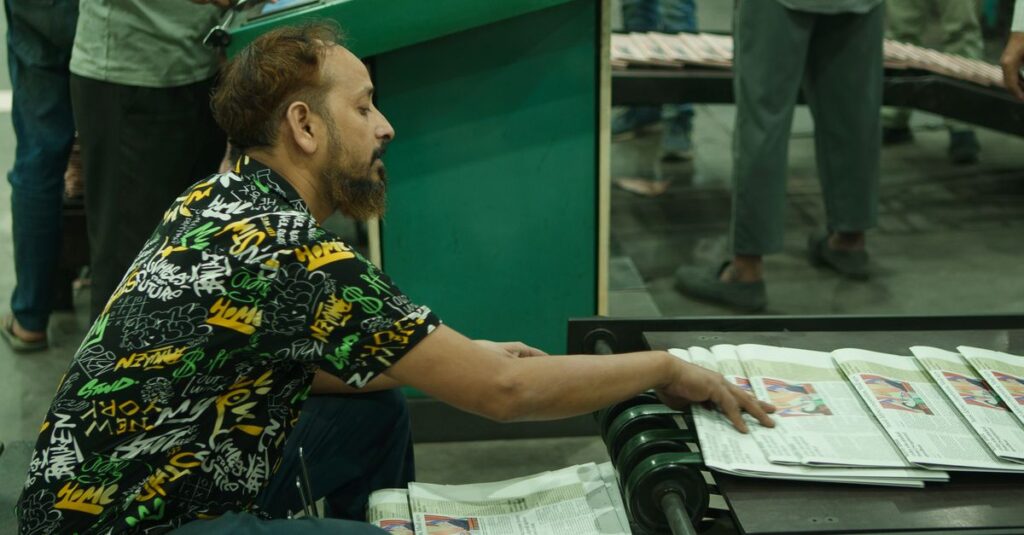
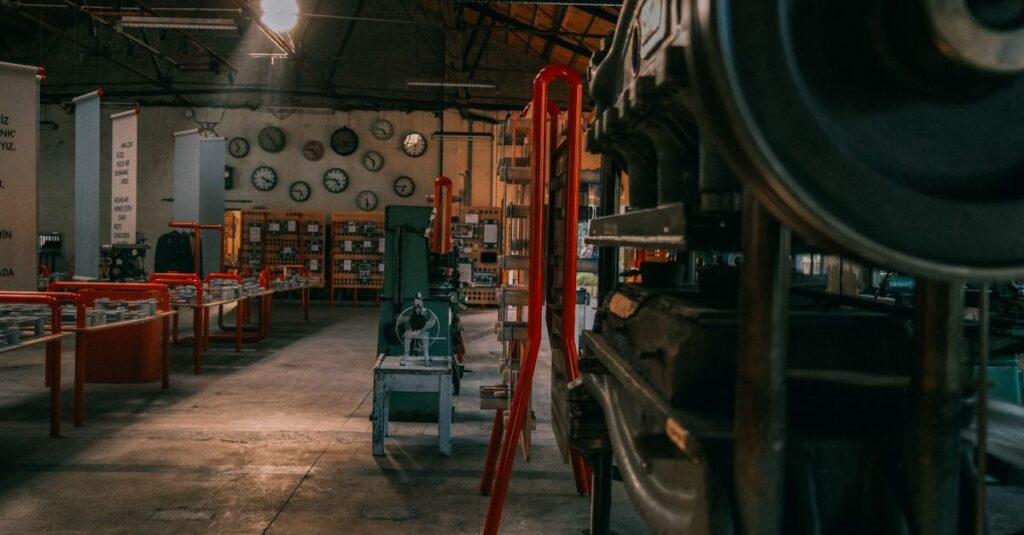
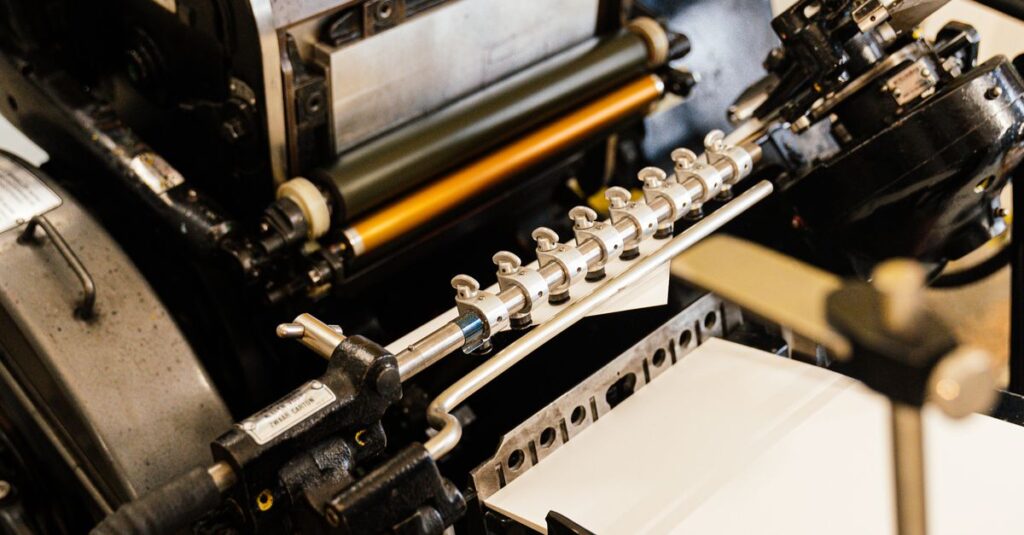
Here’s how it works in a real factory—like ours. Sheets are printed, folded, gathered into sets (we call them “signatures’). Then they’re lined up, perfectly aligned. This is where the magic (and the machines) happen. Depending on the type of binding, those sets are either stitched with thread, clamped with a spiral wire, or glued with a strong, flexible adhesive along the edge. The cover is then wrapped around that secured block. The pressure, the temperature, the timing—every detail matters. A rushed bind is a weak bind.
Three things go wrong if the binding is poor: pages tear out at the seam, the cover detaches from the first page, and the whole book just feels flimsy when you hold it. You can feel quality in your hands before you even open it.
I was talking to a procurement manager from a college in Hyderabad last week. He said their biggest problem wasn’t paper quality—it was binding. Students’ notes were literally falling apart mid-term. That’s unacceptable. And it’s why he switched suppliers.
The Main Types of Binding You’ll Actually See
Not all binding is the same. Your need dictates the type.
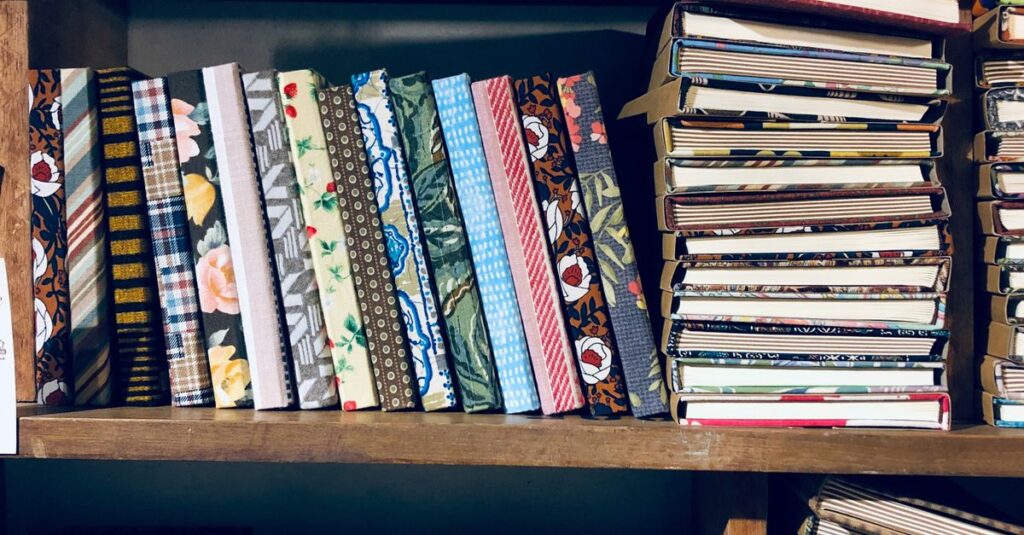
- Stitched Binding: This is the classic. Thread is sewn through the folded sets of pages, then anchored into the cover. It’s incredibly durable. It’s what you find in high-end account books, corporate diaries meant to last a year, and premium notebooks. The book can be opened flat without stress. It’s the gold standard for bulk academic notebooks.
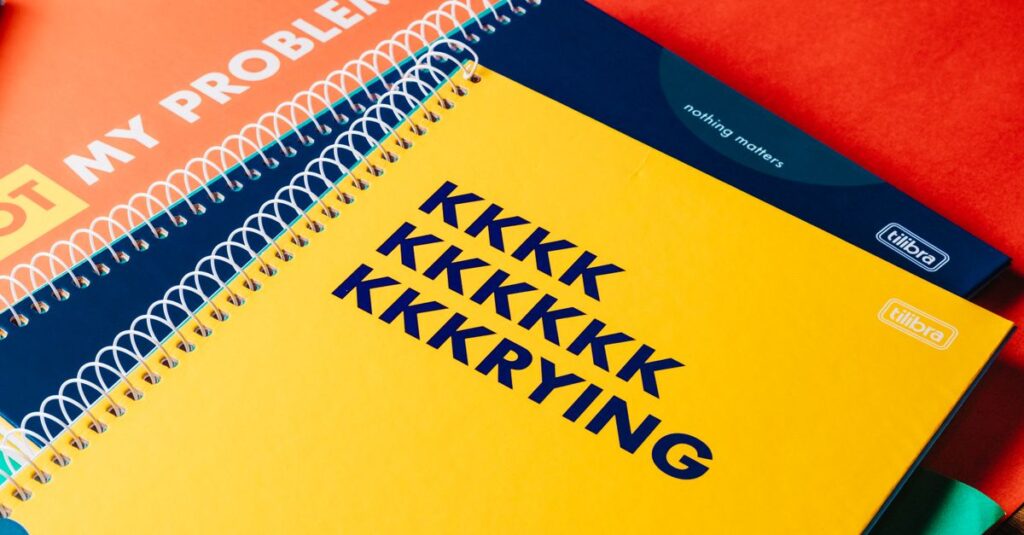
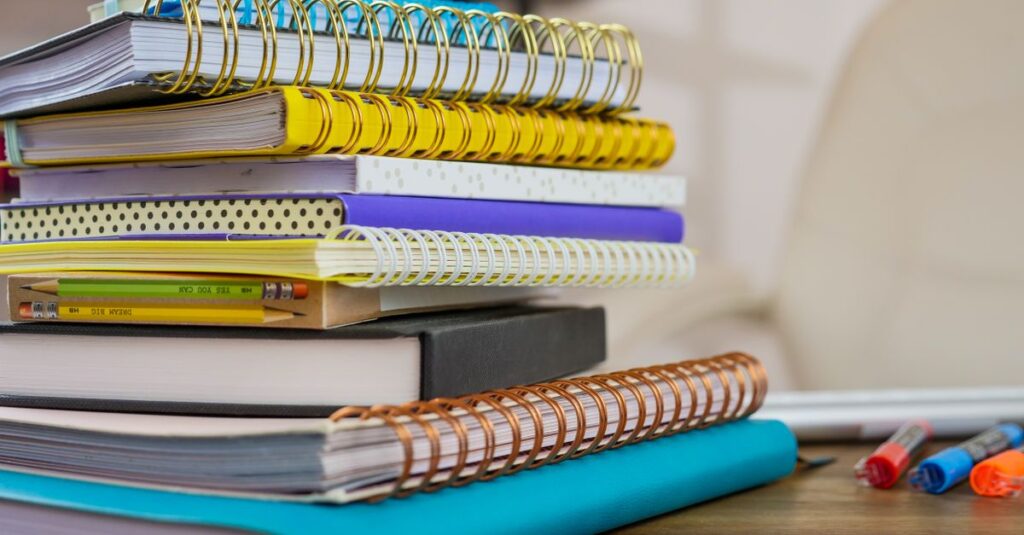
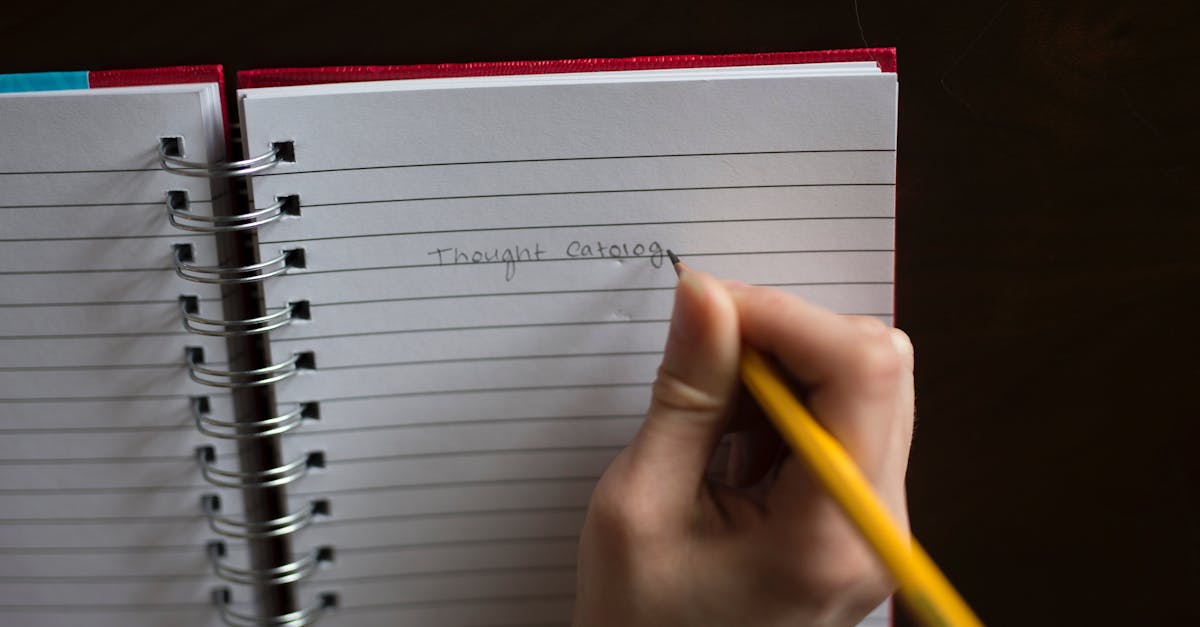
- Spiral Binding: That metal or plastic coil winding through holes along the edge. It’s perfect for notebooks that need to fold back completely, like art pads or technical manuals. The pages turn 360 degrees. The downside? The spiral can snag and bend if handled roughly. For school drawing books or workshop manuals, it’s often the right choice.
- Perfect Binding: This is the glue method. A strong adhesive is applied to the edge of the stacked pages and binds them to the cover. It gives a clean, squared-off spine, like a paperback book. It’s cost-effective for large volumes. The key is the adhesive quality—a weak glue means pages peel off. We use high-flex adhesives so the book can be opened without cracking the spine. Common for custom branded notebooks and bulk order scribble pads.
Which one is right? That’s the real question.
Choosing the Right Binding: A Procurement Guide
You’re not just buying notebooks. You’re buying tools. The binding choice impacts usage, longevity, and even perception. A poorly bound corporate diary feels cheap. A weakly bound school notebook frustates a teacher.
Think about the user. A student’s notebook gets shoved into a backpack, dropped, opened and closed dozens of times a day. Stitched binding is your safest bet. For a corporate diary that sits on a desk and is used for formal notes, perfect binding with a thick cover can look more professional. For a workshop logbook that needs to lie flat on a bench, spiral binding makes sense.
Here’s a mistake I see often: buyers focus only on page count and price, and treat binding as a minor detail. It’s the opposite. Binding is the foundation. A 200-page notebook with bad binding is worse than a 92-page notebook that holds together. You’re paying for durability, not just paper quantity.
And volume matters. When you’re ordering 10,000 units, the binding process needs to be consistent. Every single notebook must meet the same standard. That’s where manufacturing experience comes in—knowing how to keep that quality lock across a massive run. Seeing the options clearly laid out helps.
Stitched vs. Spiral vs. Perfect: A Quick Comparison
| Binding Type | Best For | Durability | Cost Factor | Flat Opening? | Common Use Cases |
|---|---|---|---|---|---|
| Stitched | Long-term use, heavy handling | Very High | Higher | Yes | School notebooks, account books, corporate diaries |
| Spiral | Full flexibility, frequent page turning | Medium (spiral can bend) | Medium | Yes (folds back) | Drawing books, technical pads, recipe books |
| Perfect | Clean look, bulk orders, branding | High (depends on glue) | Lower for bulk | No (can crack if forced) | Custom branded notebooks, scribbling pads, promotional diaries |
The table makes it obvious, right? There’s no universal “best.” There’s only “best for your specific need.”
The Real-Life Test: A Notebook That Lasts
Let’s talk about Priya. She’s 38, a procurement officer for a network of private schools in Chennai. Her job is to source about 50,000 notebooks every academic year. Last year, she got a sample batch from a new supplier. The price was good. The paper looked fine. But within two months, teachers started sending photos—pages falling out, covers detaching. The binding was failing. Not all of them, but enough to cause chaos. She had to scramble for replacements, deal with angry principals, and ultimately blacklist that supplier.
Her story isn’t unique. It happens all the time when binding isn’t prioritized. The cost of failure isn’t just the product price; it’s administrative time, trust, and reputation.
Anyway. The point is, the binding isn’t a secondary feature. It’s the primary promise of the product: that it will hold together. For bulk buyers, that promise is everything.
Expert Insight
I was reading an old industry manual recently—something from the 90s. One line stuck with me: “The binding is the soul of the book. The content is the mind.” It’s a bit poetic, but it’s true. If the soul is weak, the mind falls apart. In manufacturing, we test binding relentlessly. We do the “bend test,” the “page-pull test,” the “spine-flex test.” It’s not glamorous. It’s just opening and closing a notebook hundreds of times, simulating a year of use. We know that if it survives our factory tests, it’ll survive a classroom or an office. That’s the only metric that actually matters.
Your Questions Answered (The FAQ Bit)
Frequently Asked Questions
Is “binded” the correct term?
No, the grammatically correct term is “bound.” But “binded” is a common misspelling that reflects exactly what people are looking for: a notebook where the pages are securely fastened. In the industry, we understand the search intent completely.
What is the most durable binding for school notebooks?
Stitched binding. It uses thread to sew the pages together, making it resistant to the rough handling students subject notebooks to. It’s the standard for high-quality, long-lasting school notebooks.
Can custom logos be printed on any bound notebook?
Yes. Whether it’s stitched, spiral, or perfect bound, the cover can be custom printed with your logo, design, or branding. The binding process happens after the pages and covers are printed, so customization doesn’t affect durability.
How do I choose binding for corporate diaries?
Consider usage. For desk diaries that need a premium feel and to open flat, stitched binding is best. For cost-effective bulk diaries for staff, perfect binding with a strong glue offers a clean, professional look.
What should I look for in a bulk notebook supplier regarding binding?
Ask about their binding process and quality checks. Request samples and physically test them‐bend the spine, try to pull a page out. A good supplier will be transparent about their methods and confident in their product’s durability.
So, What’s the Bottom Line?
When you type “binded book” into a search, you’re not looking for a grammar lesson. You’re looking for assurance. Assurance that the notebooks you order, in volume, won’t fail your users. The binding is that assurance. It’s the silent, structural guarantee that the product will perform.
It’s worth asking your supplier about it directly. Don’t just check the price per unit. Ask, “How are these bound?” and “Can I test a sample?” The answer tells you everything about their priorities. If they hesitate, look elsewhere. Your need for a reliable, durable binded book—a bound book—is completely valid. It’s the whole point of the purchase.
If you’re sourcing notebooks and want to talk specifics about binding methods and samples, we’ve got a clear process for that. It starts with a conversation and a sample in your hands.