Okay, look. I’ve been making notebooks for more than four decades now. And one of the things I hear all the time from procurement managers and school principals is this: “We need properly binded books.”
Every time I hear it, I have to stop myself. It’s not technically wrong — people use it. It’s just not the word we use inside a factory. It’s one of those industry things. Like when someone calls all notebooks “diaries.” You know what they mean, but the specifics matter when you’re ordering 50,000 units for an entire school district.
When someone searches for “binded books,” what they’re really looking for isn’t a grammar lesson. They want notebooks that won’t fall apart. They’re tired of pages coming loose, of cheap glue giving way after a month, of frustrated teachers and students. They want durability. They want something that can survive being shoved in a backpack, dropped on the floor, and used every single day. That’s the real ask. And it’s a good one. If that sounds like your problem, you’re in the right place.
So let’s talk about what “binding” actually is, why the type you choose matters way more than you think, and how to not get burned on a bulk order.
The Real Meaning Behind “Binded Books”
In the notebook world, we say a book is “bound,” not “binded.” It’s a small thing, honestly. But the intent behind the search is huge. It points directly to a concern about quality and longevity.
Think about the last cheap notebook you used. The pages probably started falling out, right? The cover curled. It felt flimsy. That’s a binding failure. Binding is the entire process and technology that holds the pages (the “block”) together and attaches them to the cover. It’s the spine of the operation — literally. A weak binding means a useless notebook, no matter how good the paper inside is.
And this is where most bulk buyers get tripped up. They focus on paper quality (which is important) or the cover design (also important), but they treat binding as an afterthought. It’s not. It’s the single most important factor in whether your notebook lasts a semester or a week. It’s the difference between a happy repeat order and a complaint-filled email chain.
Expert Insight
I was talking to a procurement manager for a large university last year. He told me they’d switched suppliers to save 3% per unit. The new notebooks? The binding failed on about 30% of them by mid-terms. The cost of replacing them, the administrative headache, the student complaints — it wiped out that 3% savings ten times over. He said something that stuck with me: “We weren’t buying notebooks. We were buying trust. And the binding broke that trust first.” I don’t have a cleaner way to put it than that.
How Binding Actually Works (The Factory View)
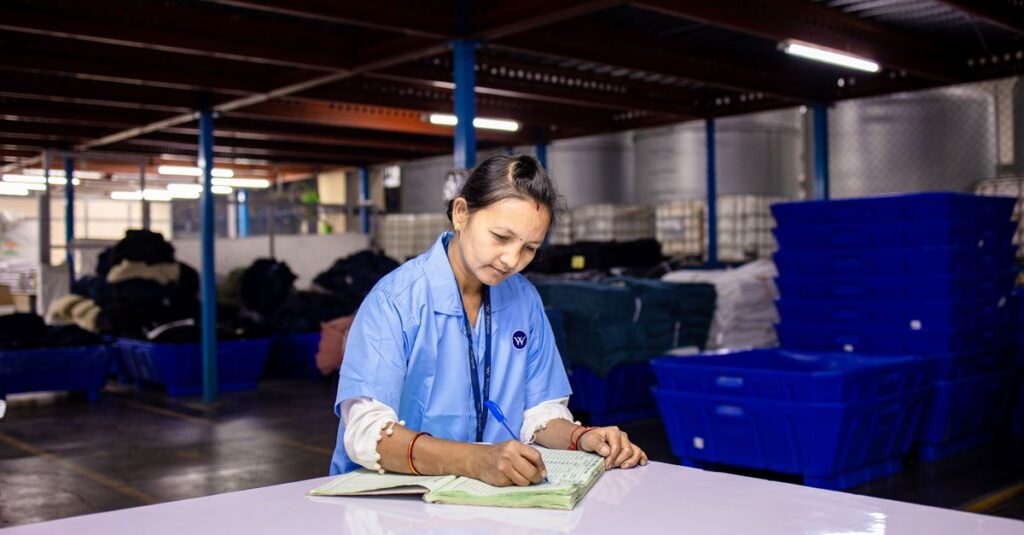
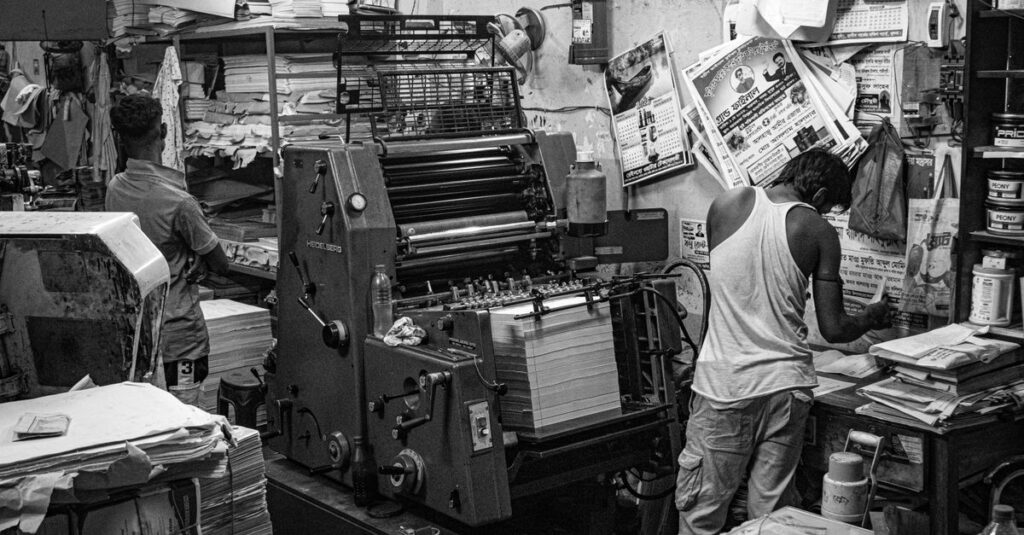
Let me walk you through what happens in our factory in Rajahmundry. It’s not magic; it’s just a process we’ve refined over 40 years.
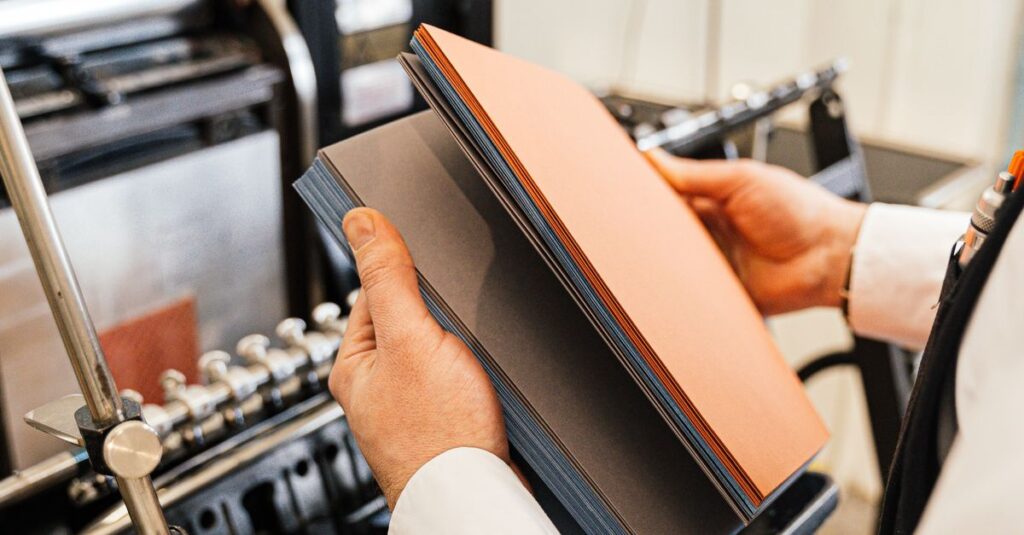
First, we have these huge stacks of paper, cut to size — your Long, Short, Crown, or A4 sheets. They’re gathered into sets, called “signatures.” How we hold those signatures together is the binding. It’s not one thing. It’s a choice. And each choice has consequences for how the book feels, opens, and lasts.
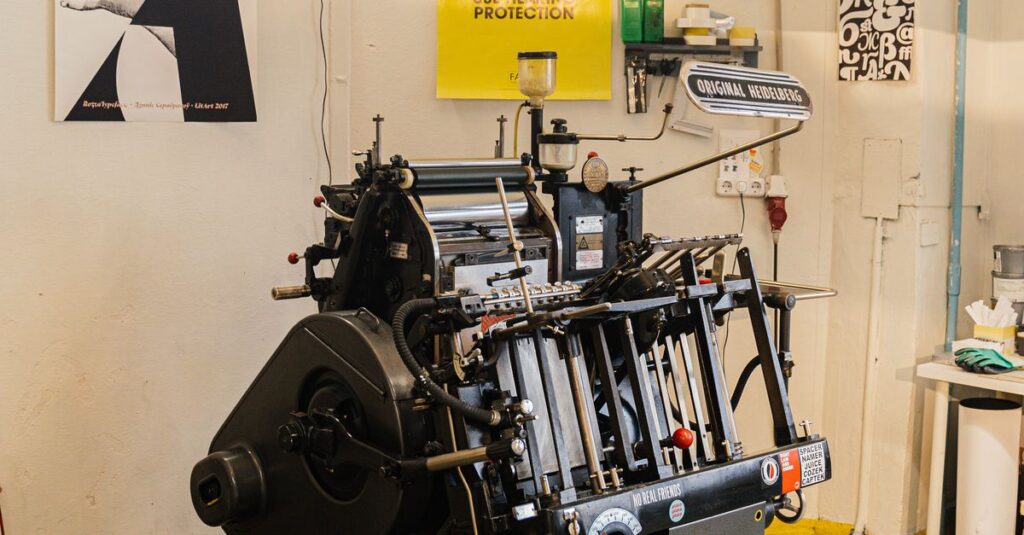
We run about 30,000 to 40,000 books through this process every single day. You get a feel for what works. The hum of the stitching machine versus the whisper of the perfect binder. The smell of glue and paper. It’s a good smell. It means things are being made to last.
The Three Main Types of Binding You Need to Know
Forget the jargon. Here’s what you, as a buyer, actually care about.
- Stitched Binding (Saddle Stitched): This is the classic. We use wire staples along the spine’s fold. It’s incredibly strong and lay-flat. This is what you’ll find in most high-quality school exercise books and corporate diaries. It’s my personal favourite for anything under 100 pages because it’s nearly indestructible. The downside? You can’t really add more pages, and it has a distinct spine look.
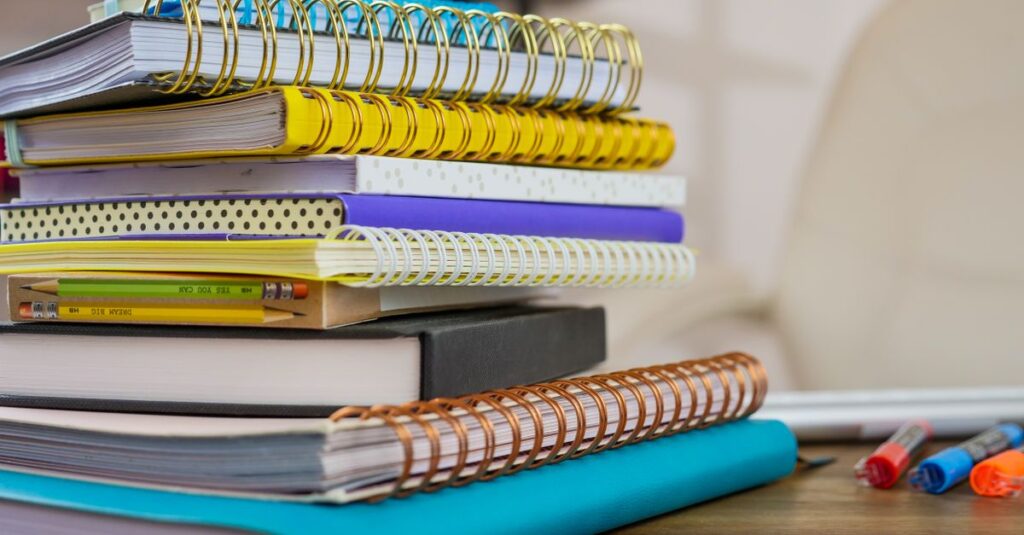
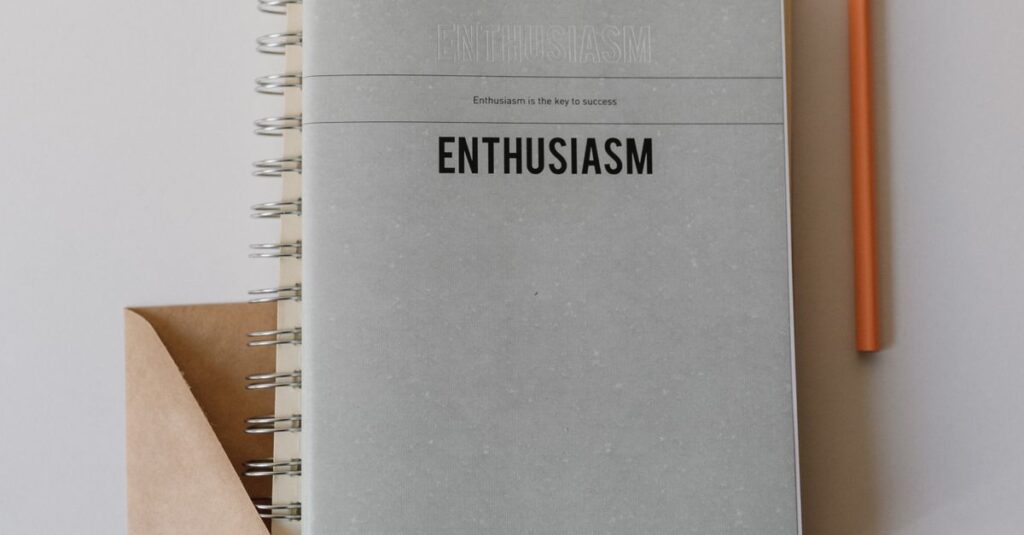
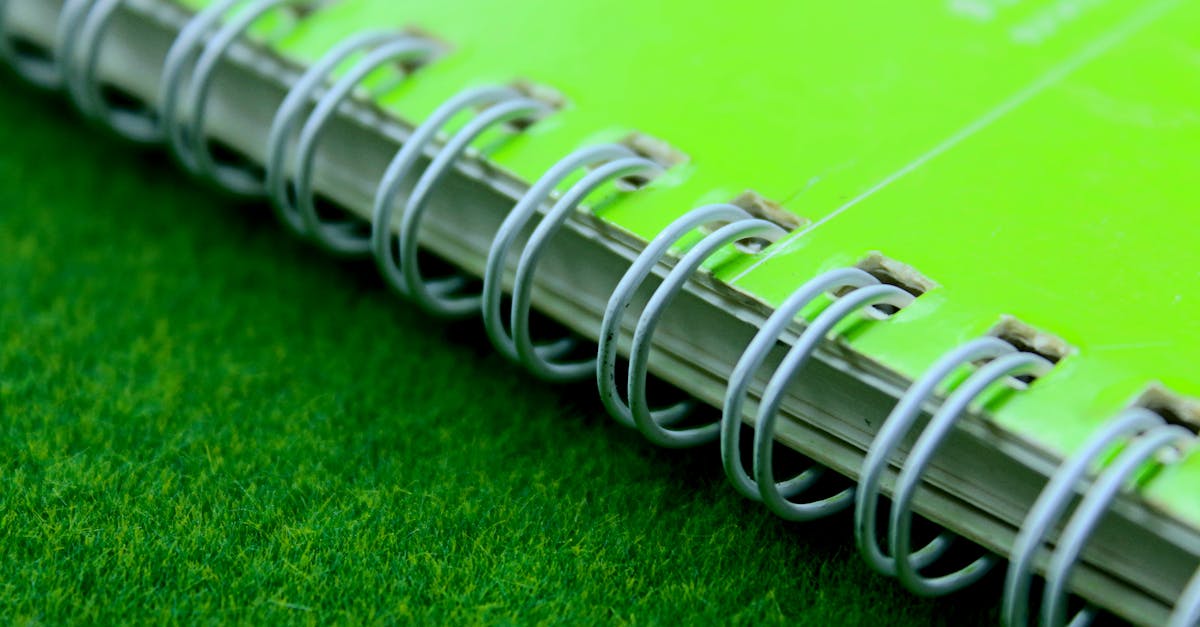
- Spiral Binding (Wire-O or Coil): A plastic or metal coil is punched through holes along the edge of the pages. The big win here? The book lays perfectly flat, 360 degrees. Great for drawing books, manuals, or notebooks that need to be folded back. The potential headache? The coils can get bent in bags, and if a page tears near a hole, it might come loose.
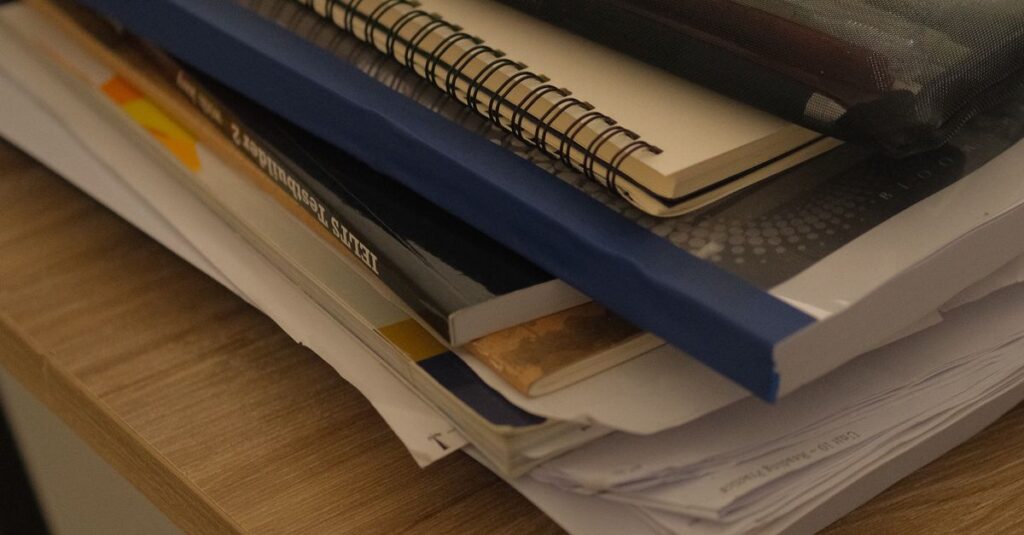
- Perfect Binding: This is what you see on paperback novels. The edge of the page stack is roughened, a strong adhesive is applied, and the cover is wrapped around. It gives a very clean, professional look with a square spine you can print on. It’s excellent for thick corporate reports or premium diaries. BUT — and this is a big but — a cheap perfect binding will crack and shed pages. The glue quality is everything.
Most people think it’s just about picking one. It’s not. It’s about matching the binding to the beating the book will take.
A Real-Life Choice: School Notebooks
Let me give you a micro-story. Priya, 42, is the procurement head for a chain of schools in Hyderabad. She’s ordering 80,000 notebooks for the new academic year. Last year’s batch from a different supplier had perfect binding. Looked sleek. Felt professional. By October, the glue in the 200-page account books was failing. Pages were drifting loose like autumn leaves. Teachers were furious. Parents were complaining.
This year, she’s not taking chances. She’s looking for “strong binded books.” What she needs isn’t perfect binding. She needs stitched binding for anything over 92 pages. It costs a bit more per unit. But she’s now calculating cost-per-semester, not cost-per-notebook. That’s the shift.
Anyway.
Binding Showdown: Stitched vs. Spiral vs. Perfect
| Feature | Stitched Binding | Spiral Binding | Perfect Binding |
|---|---|---|---|
| Best For | School exercise books, standard notebooks, durable diaries | Drawing books, manuals, notebooks that need to fold flat | Corporate reports, premium diaries, thick books with printed spines |
| Durability | Excellent. Most durable for everyday abuse. | Very Good. Coil can bend; pages can tear at holes. | Good to Poor. Totally depends on glue quality. |
| Lay-Flat Ability | Lays flat nicely. | Lays completely flat, 360 degrees. | Does not lay flat easily. Spine can crack. |
| Page Count Suitability | Ideal up to 100-120 pages. More gets bulky. | Handles a wide range, thin to very thick. | Best for thicker books (100+ pages). |
| Cost (Bulk) | Moderate. Cost-effective for standard books. | Slightly higher due to coil and punching. | Can vary widely. Cheap glue = cheap price & big problems. |
| Professional Look | Classic, functional. | Functional, sometimes seen as less formal. | Very clean and professional. |
The table makes it obvious — there’s no single “best.” There’s only “best for your specific use case.” Ordering spiral for accountants who need to file them? Wrong choice. Ordering perfect bound for 8-year-olds? A disaster waiting to happen.
What Bulk Buyers Often Miss (The Hidden Cost)
Here’s the thing I tell every corporate and institutional buyer who walks through our factory doors. The binding is where suppliers cut corners first. It’s invisible until it fails.
You can see paper quality. You can feel the cover weight. But you can’t see the type of glue, the gauge of the stitching wire, or the precision of the coil punch just by looking at a sample. A sample might be hand-made with care. The 40,000 units in your shipment? That’s where the real manufacturing process shows up.
This is why you need a manufacturer, not just a trader. A trader buys from the cheapest source. A manufacturer has a process to protect. Our reputation is literally bound up in every book we ship. If our binding fails, you call us. We can’t blame a third party. It forces a level of quality control that you just don’t get elsewhere.
Three things happen when binding is an afterthought: increased waste, user frustration, and total loss of trust in your brand (whether it’s a school’s logo or a corporate gift). That’s it.
Your Checklist for Ordering “Binded Books” That Last
Right. So you’re ready to place a bulk order. Don’t just ask for a quote. Ask these questions:
- “What binding method do you recommend for [my specific use] and why?” (Their answer tells you if they understand your needs.)
- “Can I see (or get a video of) your binding process for bulk orders?”
- “What’s your guarantee against binding failure?” (Listen for specifics, not vagueness.)
- “For perfect binding, what adhesive do you use?” (If they don’t know or say “standard glue,” be wary.)
This isn’t about being difficult. It’s about being smart. Your goal isn’t to buy notebooks once. It’s to solve a stationery need for your organization, reliably, so you never have to think about it again.
Frequently Asked Questions
What does “binded book” mean?
When people search for “binded books,” they usually mean notebooks with strong, secure binding that won’t fall apart. The correct industry term is “bound,” but the intent is clear: they want durable notebooks for school, office, or corporate use, where pages stay firmly attached through heavy daily use.
Which binding is most durable for school notebooks?
For standard school exercise books that get thrown in bags and used hard, stitched binding (saddle stitching) is the most durable. It uses wire staples through the spine fold and can withstand a lot of abuse. We recommend it for most bulk school notebook orders because it provides the best longevity for the price.
Can you print on the spine of a bound notebook?
Yes, but only with certain binding types. Perfect binding creates a flat, squared spine that’s ideal for printing titles, logos, or years. Stitched and spiral bindings have a different spine structure that typically doesn’t allow for traditional spine printing. If a printed spine is important for your corporate diaries or custom notebooks, perfect binding is the way to go.
How many pages can a bound notebook have?
It depends entirely on the binding. Stitched binding works best up to about 120 pages. Spiral binding can handle a huge range, from thin pads to 700-page manuals. Perfect binding is suited for thicker books, usually 100 pages and up. The key is matching the binding strength to the page count to prevent failure.
Do you offer custom binding for private label notebooks?
Absolutely. As a manufacturer, we regularly handle private label and custom notebook orders. We can advise on the best binding type for your specific product—whether it’s a luxury corporate diary (perfect bound), a student planner (spiral), or standard branded notebooks (stitched). The binding is a key part of the customization.
Wrapping It Up
So, “binded books.” It’s a search term born from a real, practical worry. You don’t want fancy. You want functional. You want notebooks that do their job without falling apart and creating more work for you.
The takeaway isn’t complicated: Binding is the most critical part of a notebook’s durability. Ignore it at your peril. Choose it wisely — stitched for toughness, spiral for flat-lying, perfect for a polished look — and you’ll solve the problem for good.
I don’t think there’s one perfect answer for every situation. Probably there isn’t. But if you’ve read this far, you already know what your users need — you’re just figuring out how to make sure you get it. Sometimes, talking to the people who make them every day is the simplest next step.