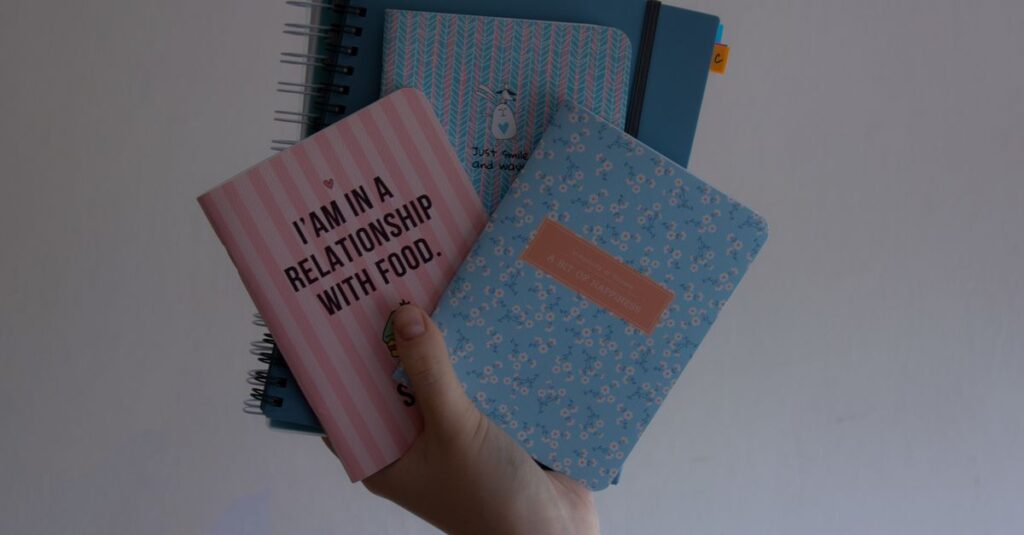



Right. Let's talk about journaling sets.
Look, you probably landed here because someone in procurement or management asked you to source “journaling sets.” You nod, open Google, and the first thought is: Is this just a fancy term for a stack of notebooks? The short answer: no. But the long answer is where things get interesting — and where most companies waste money by getting it wrong. It's not just buying in bulk. It's buying with a purpose. If you're ordering for a corporate giveaway, a university welcome pack, or a branded training program, the difference between a slapped-together bundle and a proper set is the difference between “meh” and “where can I get more?”
In my 40 years of making notebooks, I've seen the good, the bad, and the straight-up wasteful. This isn't a sales pitch. It's me telling you what actually matters when you're looking at a quote for 5000 units. If you want to skip to the how-to, that's fine too.
What a Journaling Set Actually Is (And Isn't)
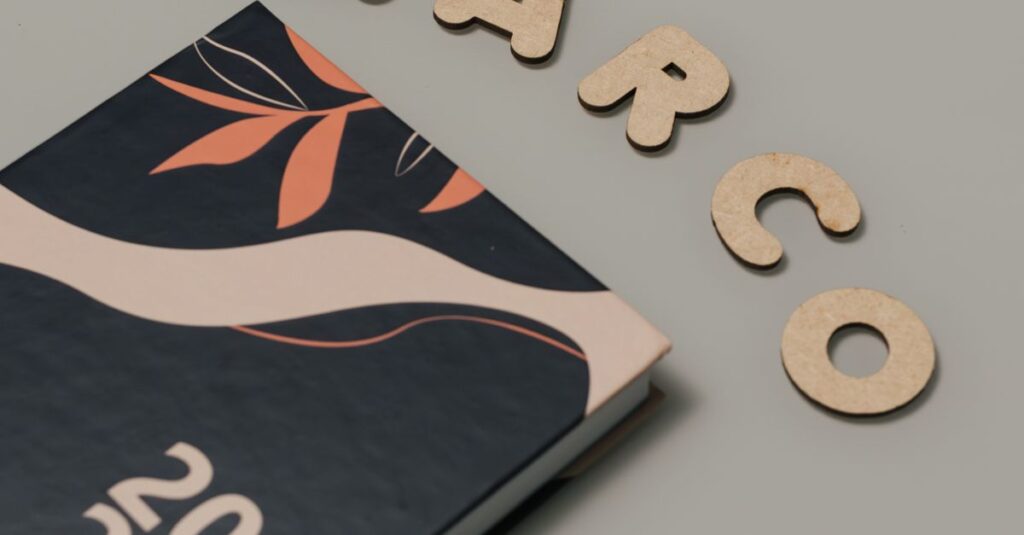
Okay, let's kill the jargon first. A journaling set is a coordinated collection of notebooks and writing tools designed for a specific use. It's not a random assortment. Think of it as a toolkit for thought. A proper set has cohesion — matching covers, complementary page rulings, a logical progression in sizes. A corporate leadership program might get a set with a large A4 strategy notebook, a mid-sized A5 meeting log, and a pocket-sized idea pad. A student set might mix a single-ruled book for notes, a graph book for diagrams, and an unruled sketchpad. The glue that holds it together is intent.
The mistake most businesses make? Ordering three different leftover designs from a catalog because they're cheap. You save 15% on unit cost and lose 100% of the brand impact. The sets end up in a drawer, unused. I've had clients show me their old “sets” — mismatched, flimsy — and the embarrassment is real. A good set feels deliberate. It makes the user want to pick it up and start. That's the goal, right?
Real-Life Micro-Story: Priya's Training Fiasco
Priya, 38, is an L&D manager for a tech firm in Hyderabad. Last quarter, she ordered 800 “journaling kits” for a new manager training. The supplier sent her spiral-bound notebooks (fine), but paired them with ballpoint pens that leaked on the first page of half the books. The covers were generic “Motivation” stock art. The feedback was brutal. “Felt like an afterthought,” one attendee wrote. Priya spent weeks apologizing. The cost of redoing it was double. All because the set wasn't thought through as a single experience.
Anyway. You get the picture.
Why Businesses Get This Wrong (And How to Get It Right)
Here's the thing — procurement is often measured on cost savings. Lower price per unit = win. But with something as personal as a notebook, that metric is broken. You're not buying screws. You're buying a tactile representation of your company's care for detail. The “win” is in perceived value and usage.
Three places where orders go off the rails:
- Paper Quality Chaos: You get a beautiful cover but the paper is 40 GSM tissue that bleeds through. It feels cheap. Writing on it is a chore. The set is dead on arrival.
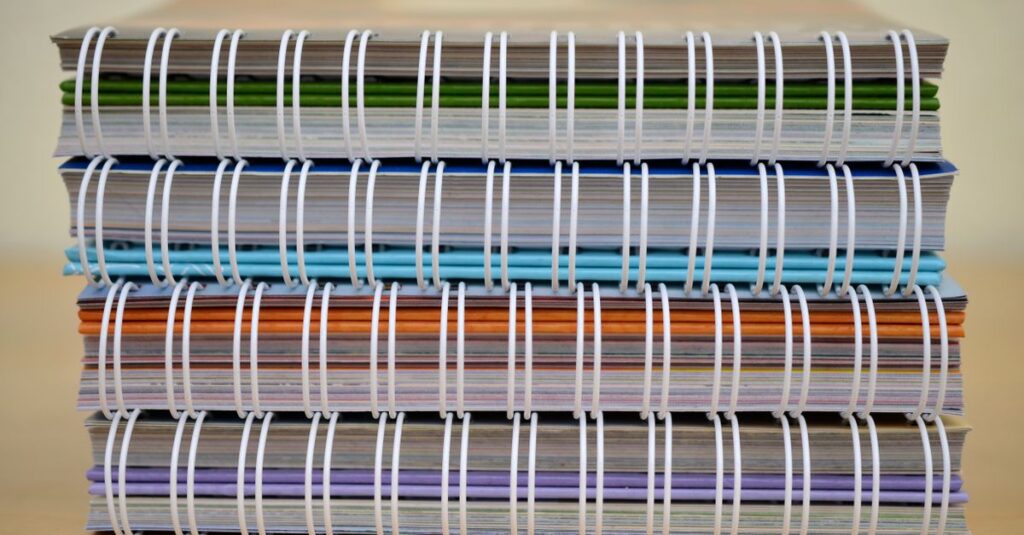
- Binding Blunders: Mixing perfect binding for a journal that needs to lie flat, or spiral for a formal corporate diary. Each binding has a purpose. A set needs internal consistency or at least logical variety.
- The Packaging Afterthought: Throwing three books in a polybag. A set should be presented. A simple cardboard sleeve, a band, a box — it signals this is one thing, not three separate things.
How to get it right? Start with the user's hand. Literally. What will they hold, write in, carry? Work backwards from there. Manufacturers who get this will ask you these questions. The ones who just quote a price won't.
Inside the Manufacturing: What Goes Into a Cohesive Set
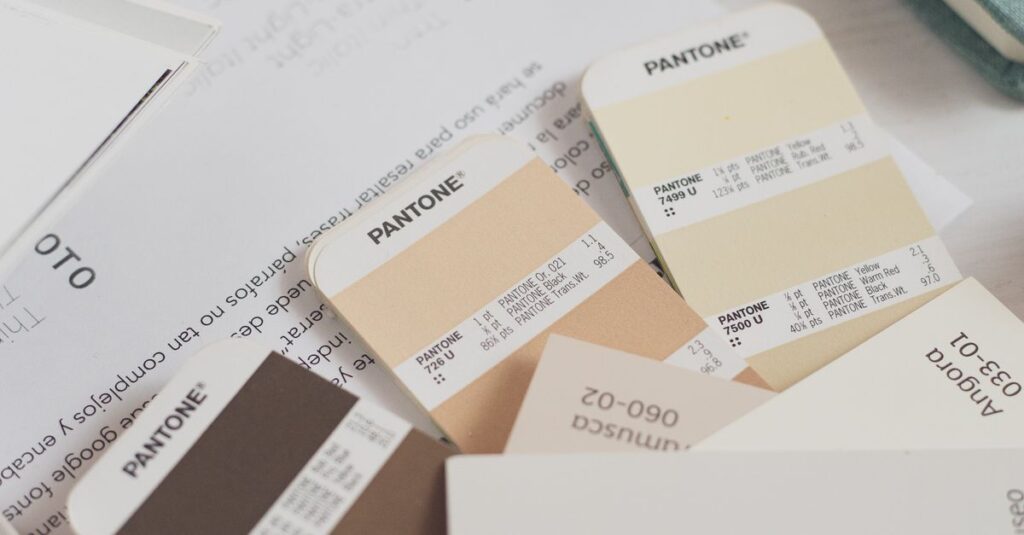
I'll be direct — from the factory floor, a set is a logistics puzzle with an artistic constraint. You can't just run three different books on three different days and call it a set. The colour matching has to be exact across covers. The grain of the paper should feel similar. Even the smell of the glue (yes, really) should be consistent. A slight variation in the shade of blue between items? That's a reject batch for us. It screams “made from leftovers.”
Expert Insight
I was talking to a client in Dubai last year — a luxury hotel chain ordering welcome sets for VIP guests. He said something that stuck with me. He told me, “The notebook is the only item in the suite the guest interacts with. They touch it, write in it, take it home. It's a 48-hour ambassador for our brand.” That changed how I saw our job. We're not binding paper. We're building a touchpoint. Every stitch, every gram of paper weight, is part of a conversation. The best sets don't just get used. They get kept. And that's the whole point.
Journaling Set vs. Bulk Notebooks: A Side-by-Side
This is where people get confused. Let's clear it up.
| Factor | Bulk Notebook Order | Custom Journaling Set |
|---|---|---|
| Purpose | Volume supply for general use (e.g., school year, office stationery). | Curated experience for a specific program, event, or branding goal. |
| Design | Often standard designs, single item focus. | Coordinated design across multiple items, seen as a single unit. |
| Customization | Usually just logo stamping or cover print. | Holistic: covers, page rulings, paper specs, packaging designed together. |
| Minimum Order Quantity (MOQ) | Lower per SKU, but high total volume. | Higher MOQ because you're producing multiple coordinated SKUs as one batch. |
| Cost Driver | Pure volume, paper cost. | Design cohesion, specialised packaging, coordinated logistics. |
| Best For | Replenishing supplies, general distribution. | Corporate gifting, training programs, premium promotions, welcome kits. |
See the difference? It's intention. Ordering bulk notebooks is a transaction. Creating a set is a project.
The Unspoken Step: Working With the Right Manufacturer
This is probably the most important part. Not every notebook factory can — or wants to — make proper sets. It's a headache for them. It ties up production lines, needs tighter quality control, and requires someone on their end who gets what you're trying to do. You need a partner, not just a vendor.
Red flags? If their first email is a PDF catalog and a price list with no questions. If they can't show you samples of coordinated work. If they push back on providing a full prototype set (should be non-negotiable). Green flags? They ask about the end-user. They suggest paper weights based on the pens you'll bundle. They talk about packaging as part of the product. They've done this before.
From our side in Rajahmundry, a set order is the fun part. It breaks the monotony of running millions of the same school notebook. It lets the bindery and design team actually solve a puzzle. But it needs trust. You have to share the vision — who is this for, what should they feel? We can handle the GSM, the stitching, the coating. But you have to know the ‘why.’
Wrapping This Up
So, what are journaling sets? They're a statement. They say your company pays attention. They turn a commodity into a keepsake. The extra cost isn't for paper and glue — it's for coherence and thought.
If you've read this far, you're probably past the “just get it cheap” phase. You're thinking about impact. And that's the only reason to do a set in the first place. I don't have a cleaner way to put it. The question isn't whether you need them. It's whether you're ready to do them properly.
If you want to talk specifics — paper samples, mockups, the real costs — that's where we can help. No generic PDFs. Just a conversation.
Frequently Asked Questions
What is typically included in a corporate journaling set?
Usually 2-3 notebooks of different sizes (like A4, A5, A6) with complementary rulings — maybe a large unruled for brainstorming, a ruled one for minutes, and a grid for planning. Often bundled with a quality pen and presented in a sleeve or box. The key is that all items share a cohesive brand design.
Are journaling sets more expensive than ordering notebooks separately?
Per unit, yes, because of added design, coordination, and packaging. But the value isn't in unit cost — it's in perceived value and effectiveness. A well-made set gets used and remembered, which is the whole point of the investment.
What is the minimum order quantity (MOQ) for custom journaling sets?
It varies wildly by manufacturer. For a true custom set with multiple coordinated items, expect an MOQ of at least 500-1000 sets. This is because producing small batches of multiple matching items is inefficient. Always ask for their prototype MOQ first.
How long does it take to produce a custom journaling set order?
Much longer than a standard bulk order. Factor in 2-3 weeks for design and prototype approval, then 4-6 weeks for production. Rush jobs are possible but compromise quality. Start the conversation at least 3-4 months before you need them.
Can you include other stationery items in a journaling set?
Absolutely. Pens, sticky notes, page tabs, rulers — if it helps the user's workflow, it can be part of the set. The trick is ensuring the quality matches. A cheap pen can ruin the feel of a premium notebook set. Source everything together for consistency.