

So, What Is Packaging Printing? It's Not Just a Pretty Box
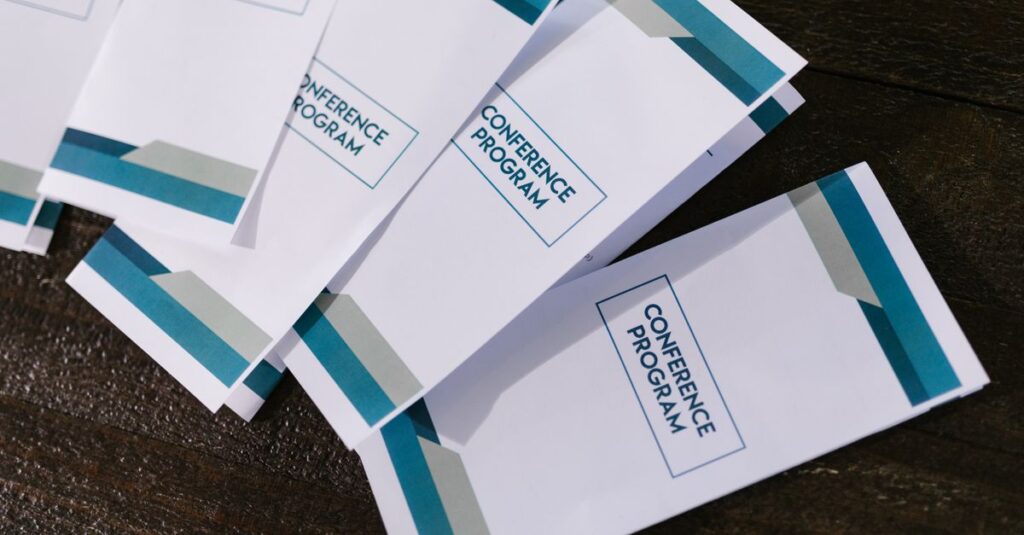
I'll keep this simple. Packaging printing is exactly what it sounds like: printing text, logos, designs, and information onto the outer packaging of a product. But the real question is — why should you care? Because the box isn't just a box. It's the first thing people see. It's the handshake between your product and the person holding it.
Think about it. You order fifty thousand notebooks. They arrive in plain brown cartons. What does that say about your brand? Nothing, really. Now imagine those cartons have your logo, your school colors, a clean design. Suddenly, that stack of boxes becomes a statement. That's what What Is Packaging Printing? actually means when you strip away the industry talk.
At Sri Rama Notebooks, we've been doing this since 1985. I've seen packaging printing transform a simple order of notebooks into something that people actually remember. It matters. More than most people realize.
Anyway. Let's get into the details. Because there's more to it than you think.
The Real Purpose of Packaging Printing
Most people assume packaging printing is about looking good. And okay — fine, that's part of it. But it's not the main thing. The main thing is information. And protection. And a bit of psychology thrown in.
Here's what I mean. When a distributor receives a shipment of notebooks, they don't open every box to see what's inside. They read the label. That label — the product name, quantity, size, batch number — that's packaging printing. Without it, you've got chaos in a warehouse.
Then there's the retail side. A box sitting on a shelf has about three seconds to grab attention. If the printing is dull, faded, or misaligned, the product feels cheap. If it's sharp, clear, and well-designed, it feels worth the price. It's not fair, really. But it's true.
What Good Packaging Printing Does
- Communicates what the product is — fast
- Shows the brand identity without needing a handshake
- Prevents counterfeiting with security features
- Reduces returns by listing specs clearly
- Makes the product look like someone cared
I was talking to a procurement manager last month — Ananya, from a school board in Hyderabad. She told me that the packaging alone decides whether she even opens the sample box. If the printing on the outer carton is sloppy, she assumes the notebooks inside are just as bad. She's not wrong.
The question isn't whether you need packaging printing. It's whether you can afford to skip it.
Common Types of Packaging Printing Methods
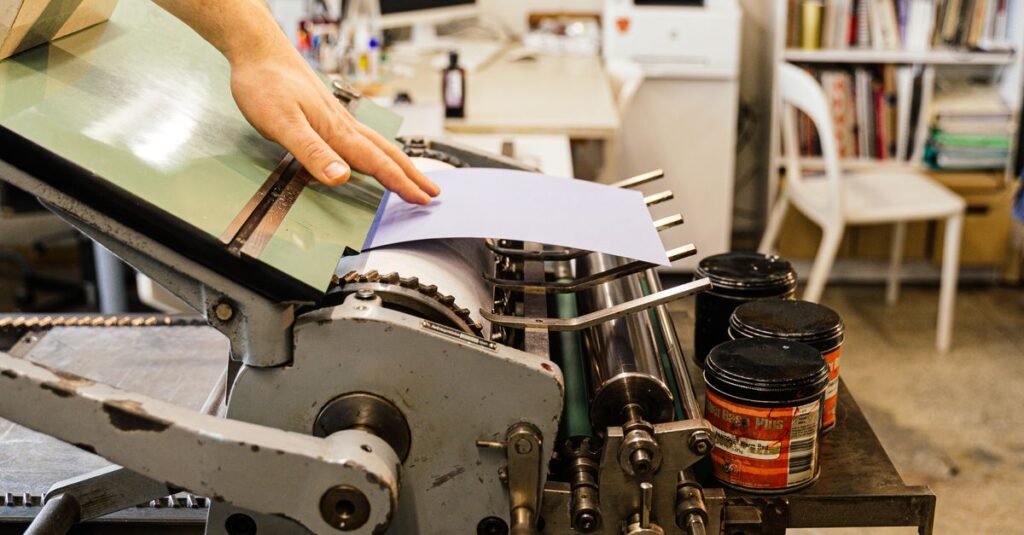
Here's where things get a little technical. But I'll keep it human. There are a few main ways to print on packaging, and each one serves a different purpose. Some are better for big runs. Some are for short runs. Some just look nicer.
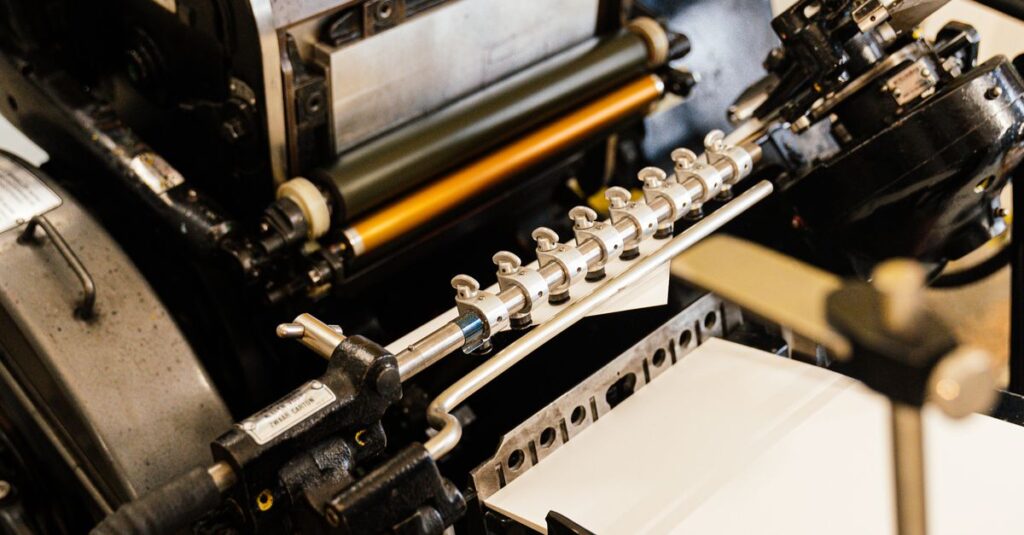
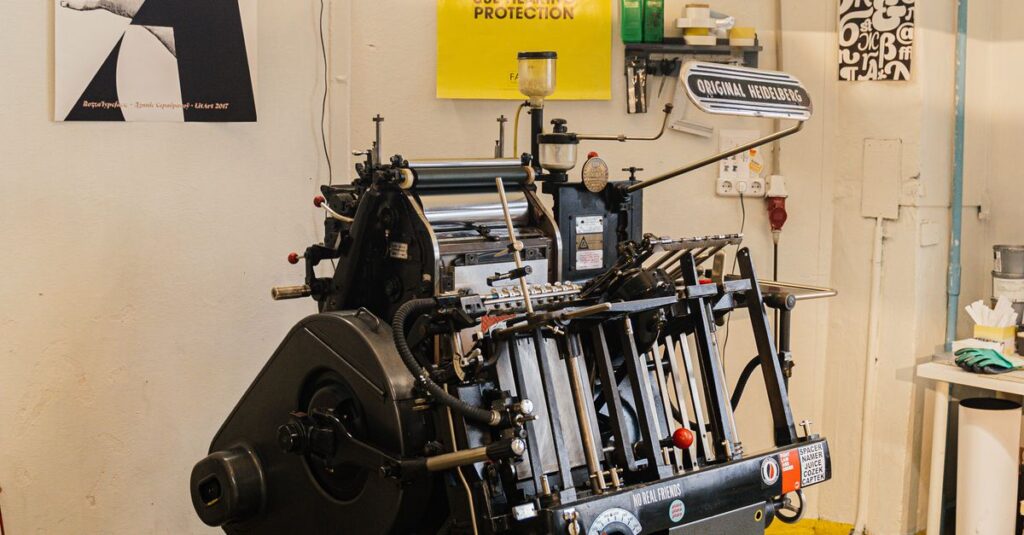
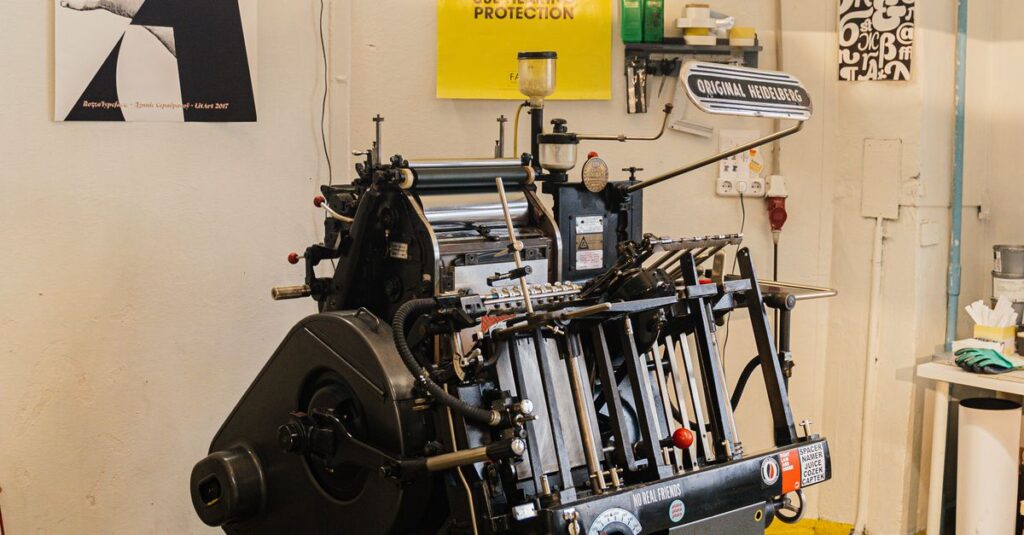
I remember back in the 90s when we used letterpress for everything. The plates were heavy, setup took forever, and if you made a mistake, you started over. Now? You can get a full-color print on corrugated cardboard in under a week. The industry has changed. But the basics haven't.
| Method | Best For | Pros | Cons |
|---|---|---|---|
| Offset Printing | Large volumes (1000+ units) | High quality, consistent color, low per-unit cost | Setup time and plate costs are high |
| Flexography | Corrugated boxes, flexible packaging | Fast, works on many materials, durable inks | Lower resolution than offset |
| Digital Printing | Short runs, variable data | No plates, quick turnaround, easy changes | Higher cost per unit for large runs |
| Screen Printing | Thick ink layers, specialty effects | Vibrant colors on dark surfaces, durable | Slow for complex designs |
| Gravure | Ultra-high volume, flexible films | Extremely consistent, great for long runs | Expensive cylinders, not practical for small orders |
I could give you a textbook answer here. But honestly? The method doesn't matter as much as the result. You want something that doesn't smudge, doesn't fade, and doesn't look like it was printed in someone's garage. Everything else is negotiable.
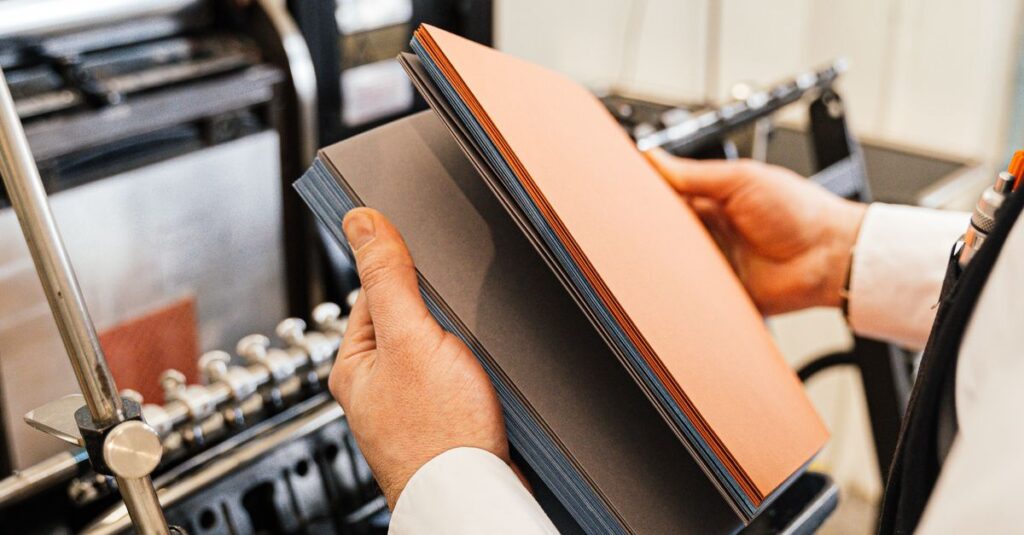
What most people don't realize is that the substrate matters just as much as the printing method. A cardboard box absorbs ink differently than a glossy carton. That's why you don't just hire a printer — you hire someone who knows materials.
What to Look for in Packaging Printing — An Expert's Take
I've been in this business long enough to have opinions. Strong ones, probably. So here's my honest take: most packaging printing is average. Just average. It's not bad enough to complain about, but it's not good enough to remember.
The difference comes down to three things: registration, color consistency, and substrate choice.
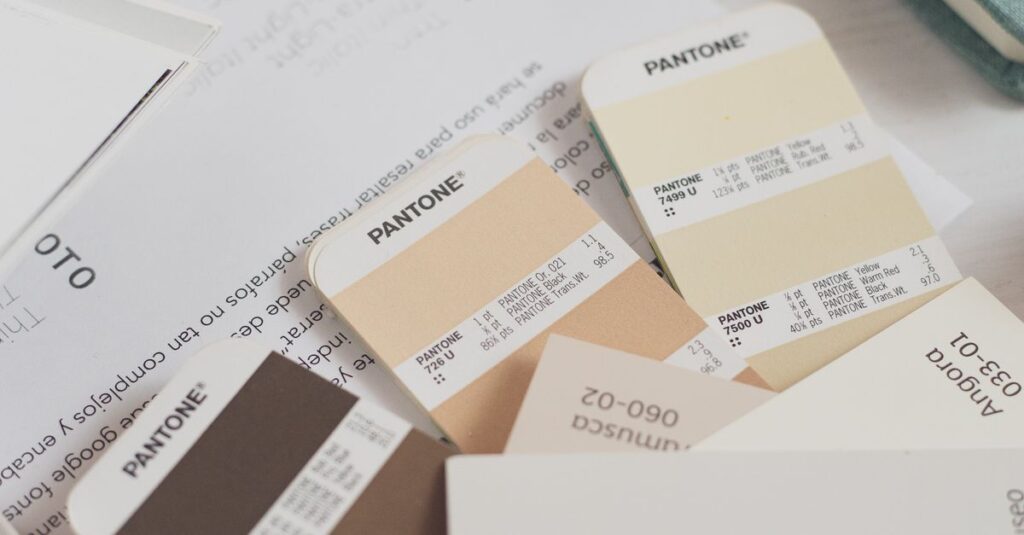
Registration is about alignment. If your logo is supposed to be centered, it better be centered. Every single box. Not 'close enough.' Exact. Color consistency means the blue on box number one looks the same as the blue on box ten thousand. And substrate choice? That's the material. A cheap box makes good printing look bad. A good box makes average printing look decent.
Expert Insight
I was reading something last year — I think it was a trade paper, I don't remember the name — and one line stuck with me. The writer said something like: "Packaging is the only medium where the consumer touches the message." Not just reads it. Touches it. Holds it. That changes everything about how you approach the print. You're not just putting ink on paper. You're creating a physical experience. I don't have a cleaner way to put it than that.
I've seen buyers save money by choosing a thinner printed carton. And they regretted it. Because the boxes crushed during shipping, and the printing rubbed off. The question wasn't how much they saved. It's how much they had to reorder.
Anyway. That's how I see it.
A Real Story: Why Packaging Printing Can Make or Break an Order
Let me tell you about Raghav. He's 34. Works as a procurement officer for a chain of retail stores in Chennai. Last year, he ordered fifty thousand notebooks from a supplier in Delhi. The notebooks were fine. The paper was okay. The binding was acceptable.
But the packaging was a disaster.
He showed me a photo once. The cartons had his store's logo printed on them. But the registration was off by almost an inch. The logo was partially cut off on the left side. The color was a faded version of what he had approved. It looked like someone had printed it on a home printer then glued it onto the box. He couldn't keep them. Had to return the whole shipment.
He told me, sitting at a chai stall near his office: "I lost a month of sales waiting for a reorder. Because someone didn't check the packaging printing."
That's the thing. Packaging printing isn't decoration. It's a logistics tool. A marketing tool. A quality signal. And when it's wrong, it costs money. Real money.
I don't think about this story every day. But I do think about it every time someone asks me why they should pay attention to what goes on the box.
Why Bulk Buyers Especially Need to Care
If you're ordering a hundred notebooks for yourself, okay. You don't need fancy packaging. Stick it in a plain envelope. No one cares.
But if you're a school ordering for a thousand students? A distributor sending fifty cartons to retail outlets? A company shipping corporate diaries to five offices across three countries? Then packaging printing isn't optional. It's how you keep things organized. It's how your brand shows up before anyone opens the box.
I've worked with corporate buyers who insisted on plain packaging to save money. And then their own sales team complained because the boxes looked cheap when they arrived at client sites. You can't win that argument. Some things aren't worth saving on.
Here's what I suggest for bulk buyers:
- Ask for printed outer cartons with your logo and product details
- Get a printed proof before production — not a digital mockup, a real printed sample
- Check the ink adhesion for your storage conditions (humid warehouse vs dry showroom)
- Specify the paper weight for the box itself — don't let them use the thinnest option
And I'd add one more thing — check with a manufacturer who has done this before. Not someone who's figuring it out as they go.
Frequently Asked Questions
What is packaging printing in simple words?
Packaging printing means printing logos, product information, barcodes, and designs onto boxes, cartons, or wrappers. It's how a product communicates what it is before you open the package. For notebooks, it's the printing on the outer carton or the notebook cover itself.
What's the difference between offset and digital packaging printing?
Offset printing uses plates and is ideal for large volumes — think thousands of units. It gives better color consistency and lower per-unit cost. Digital printing doesn't need plates and is better for short runs or when you need to print different designs on each box.
Does packaging printing affect the cost of notebooks?
Yes. But the cost difference is small when you order in bulk. Adding a two-color logo on an outer carton might add a few rupees per box. The bigger cost is setup, not the printing itself. Over a large order, it's usually worth it.
Can you print on any type of packaging material?
Most materials can be printed on, but the method changes. Corrugated cardboard works well with flexography. Glossy cartons suit offset or digital. Paper wraps are easy. The key is matching the print method to the material. Not all printers handle all materials.
How do I make sure the packaging printing comes out right?
Ask for a physical proof before production. Approve the color and alignment on a real sample, not a screen. Confirm the paper or board quality. And work with a manufacturer who does their own printing in-house, so they control quality from start to finish.
Final Thoughts on Packaging Printing
Here's what I want you to remember. Packaging printing is not about vanity. It's not an extra you add when the budget allows. It's a functional part of getting your product from the factory to the end user without confusion, damage, or disappointment.
I don't think there's one perfect way to do it. The method, the material, the design — they all depend on what you're shipping, where it's going, and who's receiving it. But the one thing I know for sure is that ignoring it usually costs more than doing it right the first time.
If you're planning a bulk order and want to talk through your packaging options, Sri Rama Notebooks has been doing this since 1985. We can help you get it right.