What Exactly Is Sheet Printing in Notebook Manufacturing?
Let me be honest — when most people talk about sheet printing, they're usually thinking about fliers or brochures. Not notebooks. But in our factory, sheet printing is the bread and butter of everything we do. It's how we turn blank paper into lined notebooks, account books, and custom diaries. And if you're ordering in bulk, understanding this process can save you real money.
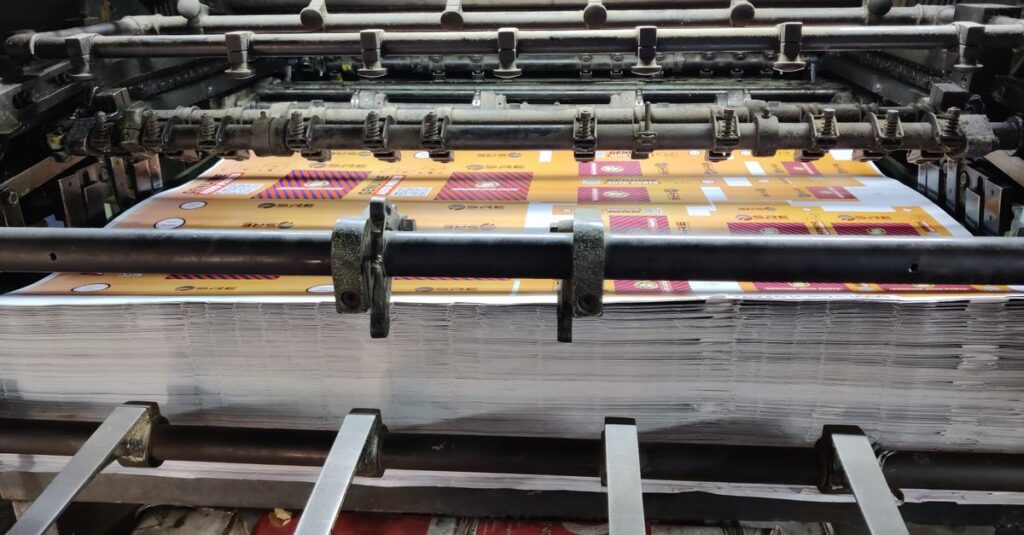
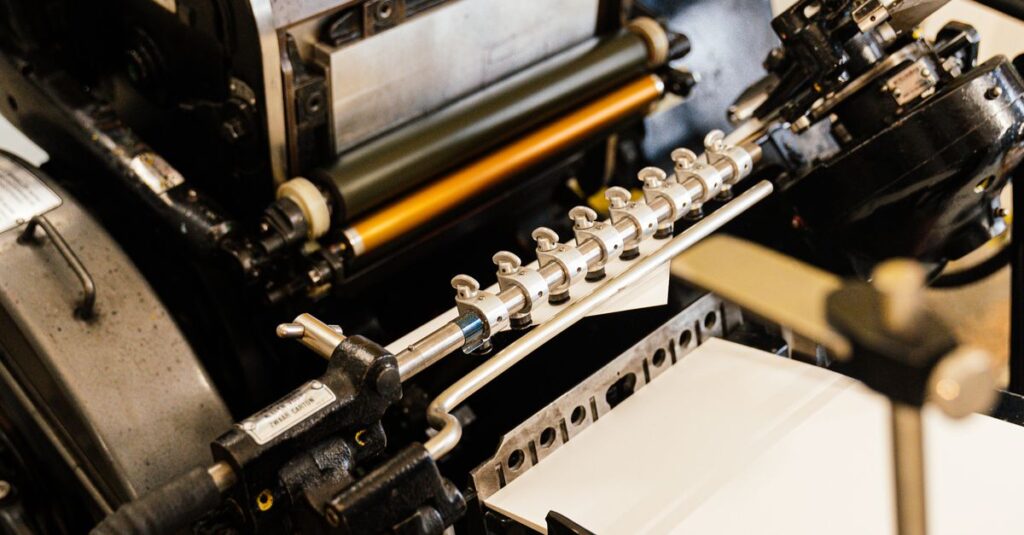
Sheet printing simply means printing on individual sheets of paper before they're bound together. We print the inside pages — the ruled lines, the headers, the logos — on large sheets, then fold, collate, and bind them into notebooks. Simple in concept. Tricky to get right at scale.
I've seen procurement managers spend weeks comparing prices per notebook without ever asking how the sheets are printed. That's a mistake. The printing method affects everything: how the ink feels on the page, whether the lines stay straight after binding, and how fast your order gets done. If this sounds familiar, Sri Rama Notebooks has been doing sheet printing since 1985 — we've seen the shortcuts and the real deals.
How Sheet Printing Differs from Digital Printing
A lot of people ask me: why not just use digital printing for notebooks? It's faster, right? Well, yes and no. For a run of fifty custom notebooks, digital printing makes sense. But for bulk orders — five thousand or fifty thousand — sheet printing (offset, specifically) is the only economical way.
Here's a quick comparison so you can see the difference yourself:
| Factor | Sheet Printing (Offset) | Digital Printing |
|---|---|---|
| Cost per unit for bulk | Low (gets cheaper as quantity rises) | Stays high per unit |
| Setup time | 1–2 hours for plate creation | Minutes (no plates) |
| Color accuracy | Consistent across 50,000 sheets | Can drift in long runs |
| Paper weight range | Up to 400 GSM | Limited to lighter papers |
| Best for quantity | 500+ identical sheets | Less than 500 |
| Customization per piece | Hard (same content) | Easy (variable data) |
The thing is — digital printers are great for one-offs. But if you need a thousand notebooks with the same cover and ruling, sheet printing is faster and cheaper. I've heard people argue that digital is the future. Maybe. But for bulk school notebooks and corporate diaries, offset sheet printing still rules. And honestly? It probably will for another twenty years.
Why Paper Quality Matters in Sheet Printing
You can have the best printing press in the world. If the paper is bad, your notebooks will feel terrible.
I remember a conversation with a distributor from Visakhapatnam. He ordered a trial batch of 200 notebooks on 60 GSM paper. The sheets were thin, the ink bled through, and the lines looked fuzzy. He blamed the printing. But it wasn't the printing — it was the paper. The sheets couldn't handle the ink load from the offset plates.
Expert Insight
I was reading an old production notebook last month — handwritten notes from 1992. My father had written: “Sheet printing without proper GSM is like writing on newspaper.” He was right. The paper absorbs ink differently based on its weight and coating. For ruled notebooks, we always use 54 GSM or higher. For diaries with thicker ink coverage, we go up to 70 GSM. Cheap paper will ruin a print job. Every time.
The question isn't whether sheet printing works. It works. The question is: are you using paper that makes it work well? That's something most buyers don't think about until it's too late.
When Sheet Printing Saved a School Order
Here's a story that stuck with me. A school administrator from Kakinada — let's call her Mrs. Lakshmi, 52 years old — had placed an order with another supplier for 5,000 notebooks. The supplier promised digital printing with custom covers. Two weeks before school reopening, the supplier backed out. Couldn't handle the quantity. Mrs. Lakshmi was in a panic.
She called us on a Thursday. We had to print 10,000 sheets — five different ruling types — in six days. We used sheet printing with offset plates, ran the job over two shifts, and had the notebooks bound by Tuesday. She picked them up on Wednesday. The lines were sharp, the covers matched the sample exactly. She's been ordering from us ever since.
That's the difference. Digital printing might be flexible, but sheet printing at scale is reliable. When you need thousands of identical sheets, fast, there's no substitute.
Common Mistakes Bulk Buyers Make with Sheet Printing
I've been in this business long enough to see the same mistakes again and again. Here are three that cost real money:
- Not asking about ink type: Some sheet printing uses solvent-based inks that smell strong. For school notebooks, you want soy-based or water-based inks.
- Ignoring bleed and margins: When sheets are folded and trimmed, the printed area needs room. If your design runs too close to the edge, text gets cut off after binding. We see this all the time with first-time custom orders.
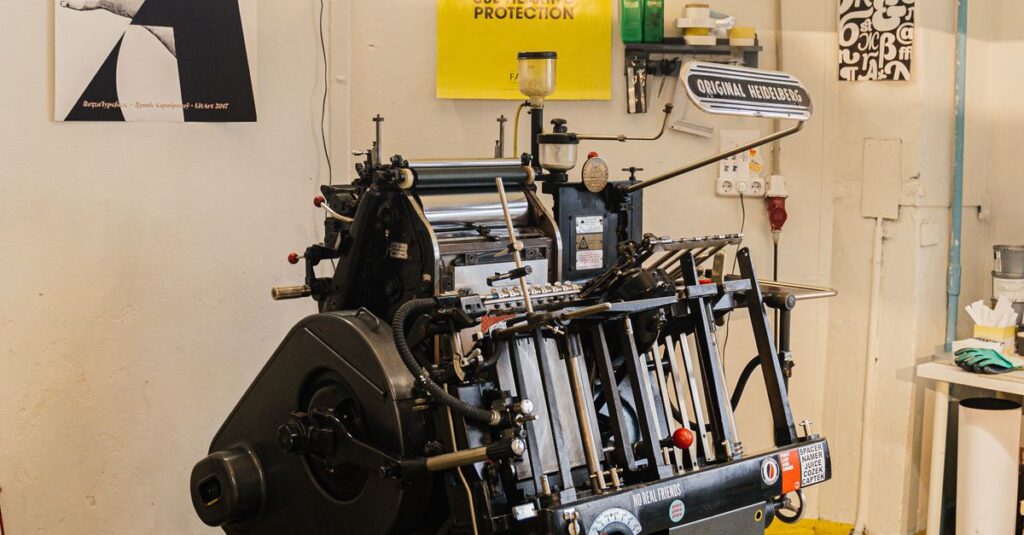
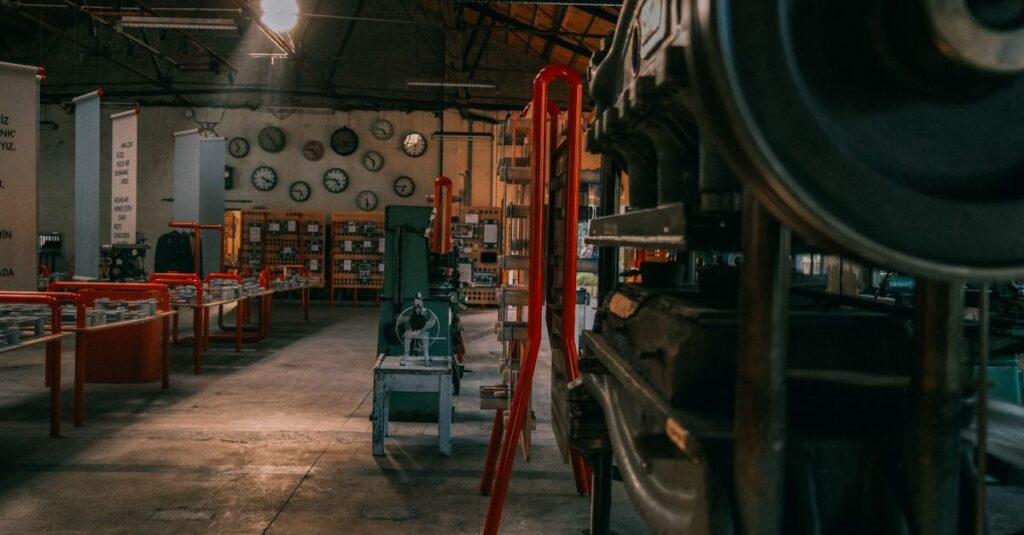
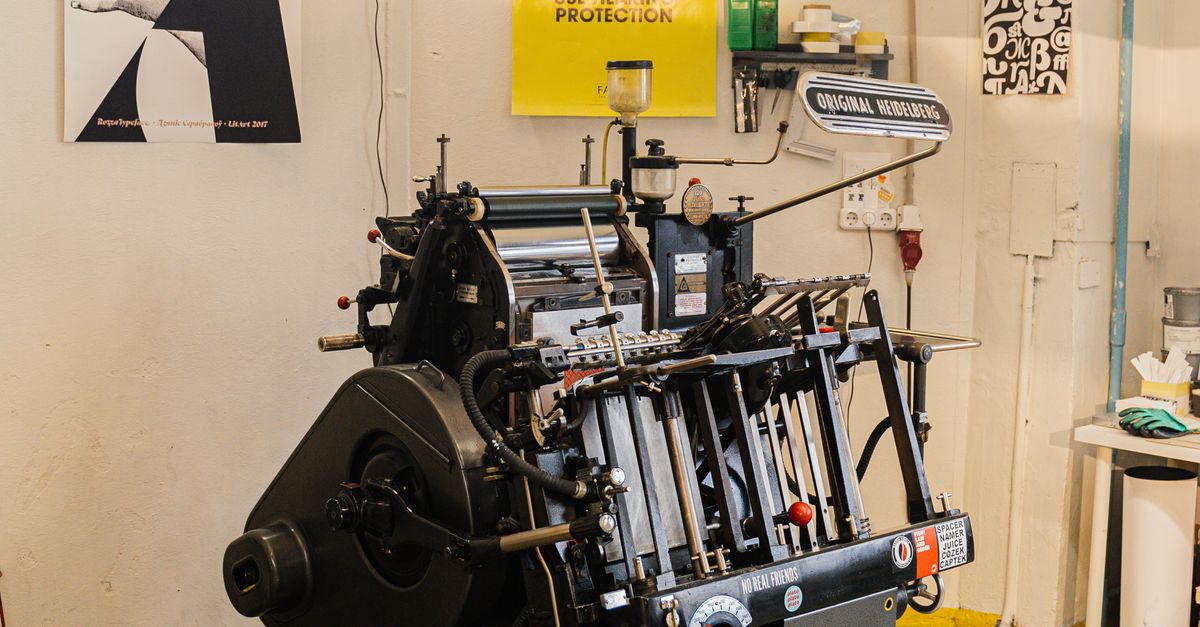
- Assuming all sheet printing is the same: Offset presses vary. Older machines can have registration issues. Ask your manufacturer what press they use. At our factory in Rajahmundry, we use Heidelberg presses — German engineering, consistent output.
One more thing: don't forget drying time. Wet ink on sheets that get stacked too quickly can smear. A good printer knows to let the sheets cure. A rushed one will ruin your order.
Look, I don't mean to scare you. Sheet printing is straightforward when done right. But these details matter — especially when you're ordering for a school or a corporate event where quality reflects on you.
Frequently Asked Questions
What is sheet printing in notebook manufacturing?
Sheet printing is the process of printing on individual paper sheets before they are folded and bound into notebooks. It uses offset printing plates for high-volume runs, ensuring consistent line quality and color across thousands of sheets.
Is sheet printing better than digital printing for notebooks?
For bulk orders (500+ notebooks), yes. Sheet printing is more cost-effective and provides better ink consistency. Digital printing is better for small runs or variable data, like personalized covers for each notebook.
What paper GSM is best for sheet printed notebooks?
For most school notebooks, 54 to 60 GSM works well. For diaries with heavier ink coverage, use 70 GSM or higher. Lower GSM paper may cause ink bleed and ghosting, especially on double-sided printing.
Can I get custom logos printed on sheets before binding?
Absolutely. Sheet printing allows full customization of each page — add logos, watermarks, headers, or specific ruling types. You can also choose paper color and thickness for the entire notebook.
How long does sheet printing take for a bulk order?
It depends on quantity and complexity. For a standard order of 5,000 notebooks, expect 7–10 days including printing, drying, binding, and packaging. Rush orders are possible with overtime shifts.
So… What Should You Take Away from This?
First: sheet printing is not a mystery. It's a proven, reliable method for creating high volumes of consistent notebooks. Second: paper quality matters more than the printing method itself. Don't skimp on GSM. Third: work with a manufacturer who understands the process from plate to binding — not just a middleman who outsources everything.
I don't think there's one perfect way to order notebooks. But if you know what to ask about sheet printing, you'll get a better product for less money. And that's the whole point.
If you're planning a bulk order and want to talk sheet printing options, Sri Rama Notebooks can help. We've been doing this since 1985. We know what works.