So You're Looking for the Best Journals
Let me guess. You typed “best journals” into Google, and now you're staring at a wall of options. Fancy leather-bound ones. Minimalist ones. Ones that cost more than your lunch for a whole month. I get it.
Here's the thing nobody tells you: the best journals aren't the most expensive ones. They aren't the ones with the prettiest Instagram photos. The best journals are the ones that actually get used. And if you're buying in bulk — for a company, a school, a whole institution — you need a completely different standard. You need durability, consistency, and a price that doesn't make your finance team wince. That's where we come in.
What Makes a Journal Actually Good?
I've been in this business since 1985. Not me personally — I wasn't born yet — but Sri Rama Notebooks has been making these things for forty years. And in that time, I've learned what separates a good journal from a great one.
It's not complicated. Three things matter more than everything else combined.
Paper That Doesn't Betray You
The paper is everything. You can have the most beautiful cover in the world, but if the ink bleeds through to the next page, nobody will use it. We use 54 GSM paper as our standard. That might sound like industry jargon, but it just means the paper has enough weight to handle fountain pens, gel pens, even the heavy-handed folks who press down like they're carving stone. And it's smooth. Not glossy-smooth, but the kind of smooth that makes your pen glide without effort.
Binding That Stays Flat
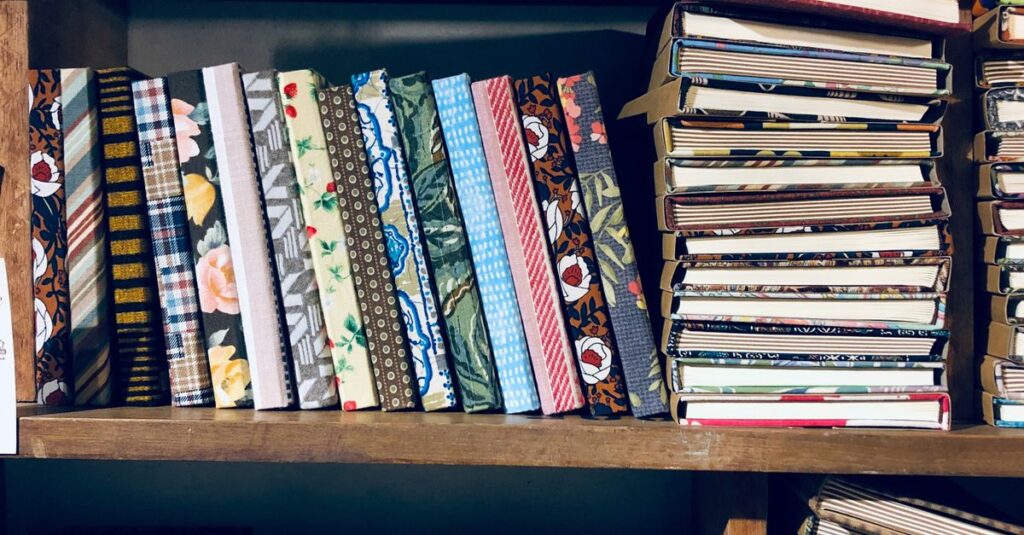
This is my pet peeve. A journal that won't lie flat. You know the ones — they snap shut the moment you take your hand off the page. Useless. We use stitched binding for most of our journals. It means the pages are sewn together before the cover goes on. They lay flat. They don't fall out. They survive being thrown in a bag and sat on.
Cover That Takes a Beating
A journal that lives in a briefcase or a school bag needs to handle abuse. We use thick board for our covers, wrapped in a material that can take scratches, coffee spills, and the occasional drop. Nothing fancy. Just functional.
And honestly? That's what most people miss when they search for the best journals. They look at aesthetics. They should look at spine construction.
A Quick Comparison: Leather-Bound vs. Practical Work Journals
People ask me about this all the time. Here's how they stack up.
| Feature | Premium Leather Journal | Practical Work Journal |
|---|---|---|
| Price per unit (bulk) | $15–$30 | $2–$5 |
| Paper quality | Varies wildly | Consistent GSM, tested |
| Binding durability | Often glued, snaps shut | Stitched, lays flat |
| Customization | Limited, expensive | Logo, cover, layout |
| Will it actually be used? | Sits on a shelf | Filled up in 3 months |
| Bulk order lead time | 6–10 weeks | 2–4 weeks |
Look, I'm not saying leather journals are bad. They have their place. But if you're buying 500 units for a sales team or 10,000 for a school district, you need something that works. Not something that looks expensive on a desk and never gets touched.
The Real Reason Most Journals Fail
I was talking to a procurement manager from Chennai last month — Priya, 42, works for an IT company that hired 300 new grads last year. She ordered these beautiful hardbound journals with the company logo embossed in gold. Cost a fortune. Six months later, she found a box of them collecting dust in a storage closet. Nobody used them.
Priya asked me why. And I told her something she didn't want to hear: people don't use journals they're afraid to mess up. If it looks too expensive, if the paper feels too fancy, people feel like they need to write something important in it. So they wait. And then they forget.
The best journals are the ones that invite mistakes. The ones where you can scribble, cross out, draw a terrible doodle in the margin, and not feel bad about it. That's what a practical journal does. It says: write whatever you want here. I can handle it.
I think about Priya's box of unused journals a lot. Because it's not her fault. She was trying to give her team something nice. But nice and useful are sometimes two different things.
Expert Insight
I was reading an old article from a paper manufacturer a few years back — I can't remember the exact source, something about how 73% of branded corporate journals are never used beyond the first three pages. I don't know if that number is exactly right, but in my experience, it feels low if anything. The journals that get used are the ones that feel like they belong to the person, not the company that gave them out. You can't force that with a gold embossed logo.
Customization: What Actually Matters
If you're buying in bulk, you're probably going to customize these journals. Here's what you should focus on:
- Cover color and material — Stick with solid, professional colors. Avoid trends. Trends die.
- Logo placement — Subtle is better. A small debossed logo on the bottom corner says more than a giant printed one.
- Page layout — Ruled, plain, or dotted. For general use, simple ruled lines work best.
- Sizing — A5 is the sweet spot for everyday carry. Big enough to write in, small enough to fit a bag.
We do custom cover design, foil stamping, embossing, even custom page layouts if you need something specific. The thing is — and I mean this genuinely — don't overthink it. The simpler the design, the more people will actually use it. Over-designed journals feel like they belong in a gift shop.
Frequently Asked Questions
Frequently Asked Questions
What are the best journals for corporate gifting?
Stitched-bound A5 journals with a simple logo debossed on the cover. Pick a neutral color like navy or charcoal. Make the paper 54 GSM or higher. Keep the design clean. The best journals for gifting are the ones people actually carry around.
How many pages should a good journal have?
For daily use, 200 to 240 pages is ideal. Less than that and you'll run out too fast. More than that and the spine gets bulky. If it's for note-taking in meetings, 92 pages is plenty. Depends on the use case.
What kind of binding is best for journals that are used daily?
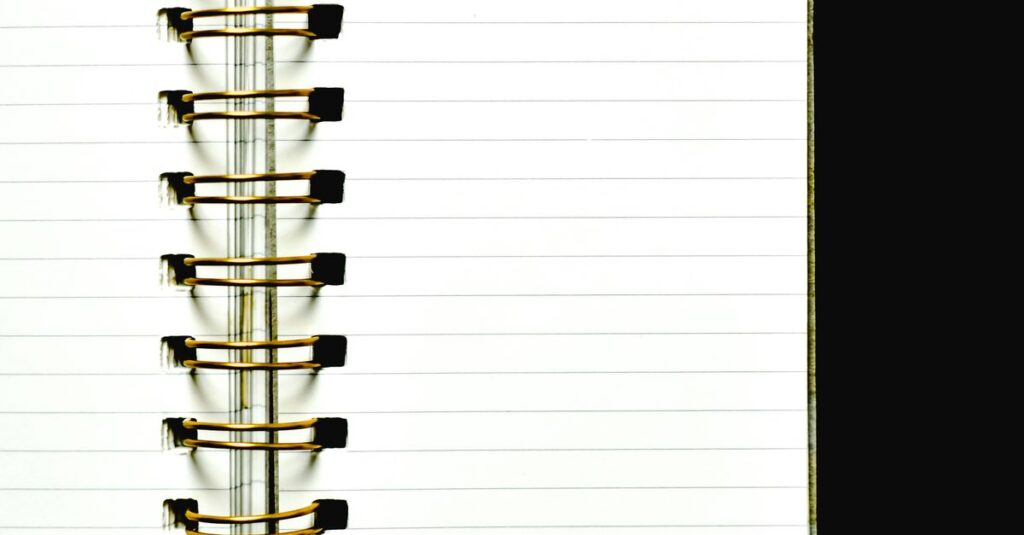
Stitched binding. No question. It lays flat, pages don't fall out, and it survives being carried around. Spiral binding works too but the coils bend. Perfect binding (glued) looks clean but cracks over time with heavy use.
Can I get journals customized with my company logo?
Yes. We do logo printing, embossing, foil stamping, and custom cover design. Minimum order quantities vary by customization type. For embossing, we suggest at least 500 units to keep the per-unit cost reasonable.
What's the best paper weight for a journal?
54 GSM is our standard and works well for most pens. If you use fountain pens or markers, go up to 70 or 80 GSM to prevent bleed-through. Heavier paper means a thicker journal, so balance that with portability.
One Last Thing
I don't think there's a single “best journal” that works for everyone. What works for a corporate exec in Mumbai is different from what works for a student in Hyderabad. But if I had to narrow it down to one piece of advice: choose the journal that will get written in. Not the one that looks best on a desk.
Everything else is secondary. The binding, the paper, the cover — those are just tools. The real question is whether the person holding it feels like they can be honest on the page. That's not something you can manufacture.
But you can get close. Talk to us if you're buying in bulk. We've been doing this long enough to help you figure it out.