What Actually Makes a Printing Solution “Best”?
Here’s the thing — everyone wants the best printing solutions. But what does that even mean? I’ve seen buyers obsess over the machine brand. Or the ink. Or the price per unit. And sure, those matter. But the real question is: does it work for your specific batch?
Three things I look for when I’m evaluating a printing partner:
- Consistency across the entire run — not just the first hundred copies.
- Paper compatibility — some printers push cheap stock that ruins the print.
- Turnaround reliability — promises mean nothing if they miss your deadline.
And honestly? Most people I’ve spoken to regret not checking the sample under real lighting. A quick test under office fluorescents can save you a lot of headache.
Because the best printing solution isn’t the flashiest one. It’s the one that doesn’t fail you when 10,000 notebooks are on the line. Which is… a lot to sit with.
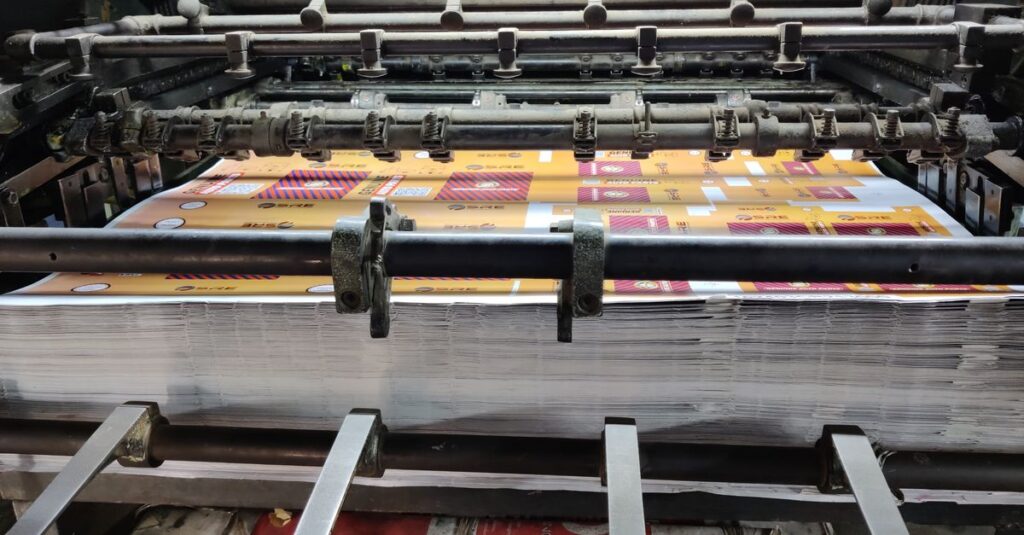
Offset vs Digital Printing: The Real Difference
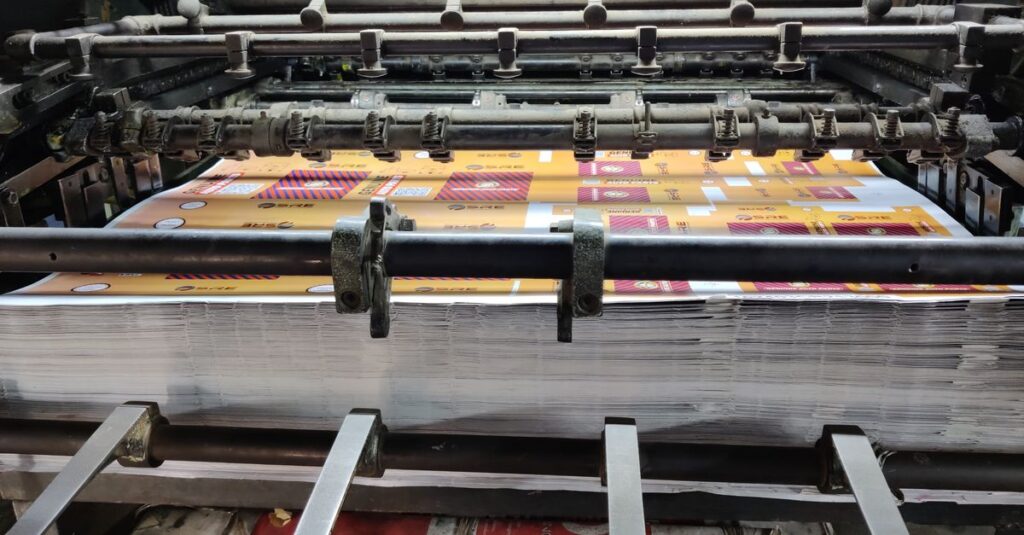
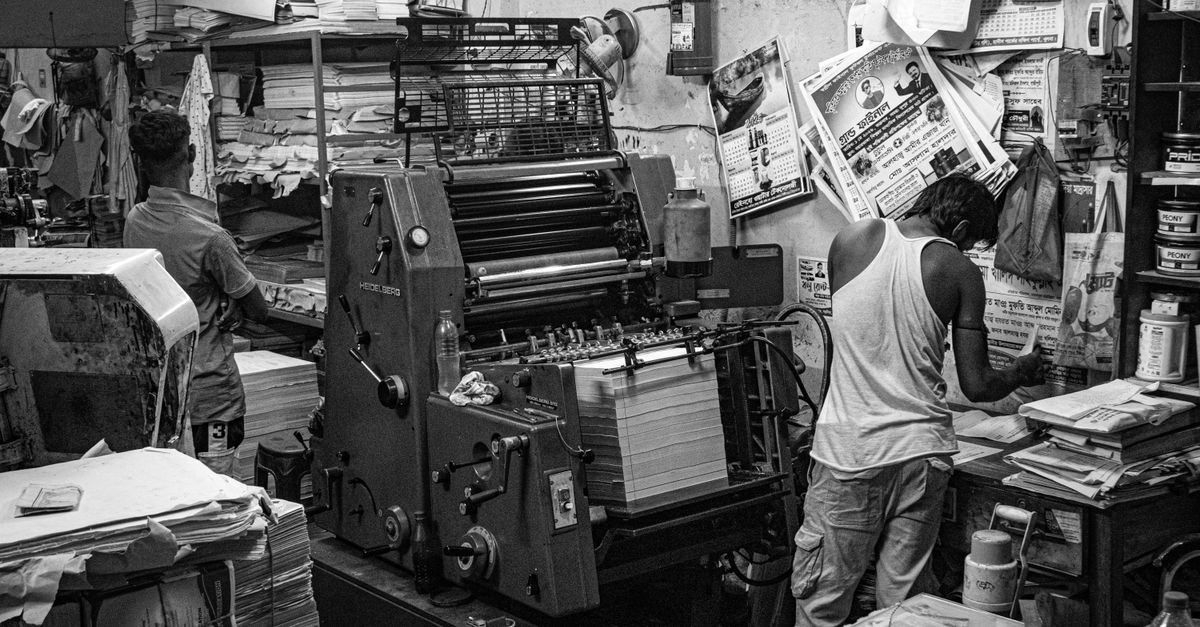
I remember a client — Rajesh, 42, procurement manager at a school chain in Hyderabad. He needed 20,000 notebooks with custom covers. He almost went with a digital printer because the per-unit cost looked lower for the first 5,000. But when we crunched the numbers for the full order, offset was cheaper by almost 30%. He learned the hard way that “best” depends on quantity.
Here’s a simple comparison:
| Factor | Offset Printing | Digital Printing |
|---|---|---|
| Print quality | Sharp, consistent, high color accuracy | Good, but can vary on different papers |
| Cost per unit (large runs) | Lower — gets cheaper as volume increases | Higher — no economy of scale |
| Setup time | Longer — plates required | Minimal — no plates |
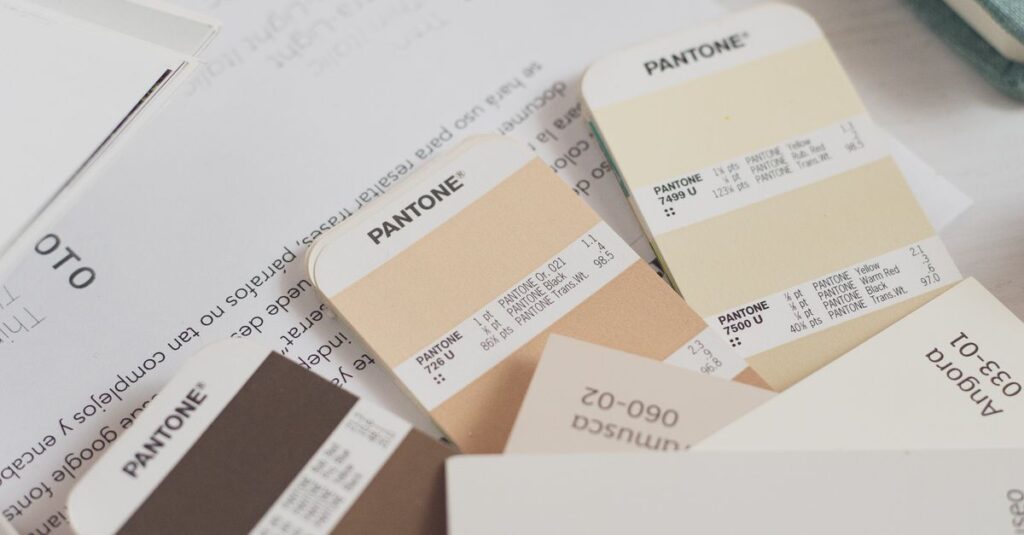
| Color consistency | Excellent — Pantone matching | Decent, but not as reliable |
| Customization flexibility | Limited per run (same design) | High — variable data possible |
So which wins? It depends. But for bulk notebooks, offset is usually the best printing solution. Not always. But usually.
And here’s the thing I didn’t expect: even digital printers admit that offset has better longevity. The ink sits deeper. It doesn’t scuff off.
One word: durable.
That’s the difference between a notebook that looks good on day one and one that still looks good after a year of use.
Customization Options That Set You Apart
Most buyers think printing is just slapping a logo on a cover. Not quite. The best printing solutions go beyond that.
Logo Printing
Simple, but needs precision. We use CMYK or Pantone matching. The trick is getting the color right on the actual paper stock. You’d be surprised how many printers mess this up.
Foil Stamping & Embossing
For corporate diaries and premium notebooks. Foil adds a metallic shine. Embossing gives a raised feel. Both require special dies and careful setup. Not every printer can do it well.
Custom Cover Design
You can design your own cover, or we can help. Full-bleed printing, spot UV, matte lamination — the options are endless. But I’ll be honest: more options means more decisions. Pick what matters for your brand, not everything that’s available.
Here’s a list of what we offer:
- Offset printing (single & multicolor)
- Digital printing (short runs, variable data)
- Foil stamping (gold, silver, custom colors)
- Embossing & debossing
- Spot UV coating
- Matte & gloss lamination
And honestly? The best printing solution for your project might be a combination of two techniques. We can figure that out together.
Expert Insight
I was talking to a client from a big corporate in Mumbai last year. They wanted foil stamping on the cover of their annual diaries. Looked fantastic on the sample. But they didn’t check the paper weight — the foil started peeling after a month. We learned then: printing is only as good as the substrate. It’s a lesson I still think about every time I see a new request. The technology is only part of the story. The material underneath matters just as much.
How to Choose a Printing Partner Without Regret
Look, I’ve seen enough procurement cycles to know that the cheapest quote often ends up being the most expensive. Not because of hidden fees — but because of reprints, delays, and disappointed end users.
So what should you actually check?
- Ask for printed samples on your exact paper stock. Not a generic glossy brochure. The actual paper you’ll use.
- Verify turnaround times in writing. Oral promises don’t hold up when deadlines hit.
- Check if they have their own binding setup. Printing and binding should be under one roof. Otherwise, you’re at the mercy of third-party logistics.
- Ask about their quality control process. Random sampling? Every sheet inspected? Know the difference.
I think — and I could be wrong — that the best printing solutions come from partners who treat your order like their own. Not just another job on the floor.
But that’s a separate thing.
Frequently Asked Questions
What is the best printing solution for large batches of notebooks?
For large volumes, offset printing is usually the best printing solution because it offers consistent quality at a lower cost per unit. The setup cost is higher, but it pays off when you order 10,000+ notebooks. We can help you decide based on your exact quantity.
How do I choose between offset and digital printing for my notebooks?
It depends on quantity, turnaround, and customization. Offset is better for high volumes and consistent color. Digital is faster for short runs and allows variable data (like different names on each diary). If you need both, sometimes a hybrid approach works.
Can I get custom logo printing on my bulk notebook order?
Yes, we offer custom logo printing using offset or digital methods. We can match your brand colors precisely with Pantone inks. Foil stamping and embossing are also available for a premium look. Just send us your artwork and we’ll advise the best printing solution.
What paper quality is best for printing notebooks?
We recommend 54 GSM to 70 GSM writing paper for notebooks. Thicker paper (80 GSM+) is better for diaries or account books where ink may bleed. The best printing solution will also consider the paper’s smoothness and brightness to ensure sharp text and images.
How long does it take to print and deliver bulk notebooks?
Typical turnaround is 2–4 weeks depending on quantity and customization. Offset printing takes longer due to plate setup, but digital can be faster. We always give a realistic timeline upfront. If you have a tight deadline, let us know — we can prioritize.
Conclusion
Two things I want you to remember: First, the best printing solution isn’t a one-size-fits-all. It’s about matching the technique to your volume, budget, and quality needs. Second, always test before you commit. A sample run can save you months of regret.
I don’t think there’s one perfect answer here. Probably there isn’t. But if you’ve read this far, you already know what you’re looking for — you’re just figuring out if it’s okay to want it. We can help you get there.
Ready to talk? Contact Sri Rama Notebooks for a quote