What Actually Makes a Notebook 'Best Quality'?
I've been in this business long enough to know that when someone searches for "best quality notebooks," they're not just looking for paper and staples. They've been burned before. Probably more than once. You ordered from a cheap supplier, the covers peeled, the pages went ghostly with ink bleed. Now you're here, trying to figure out what actually matters.
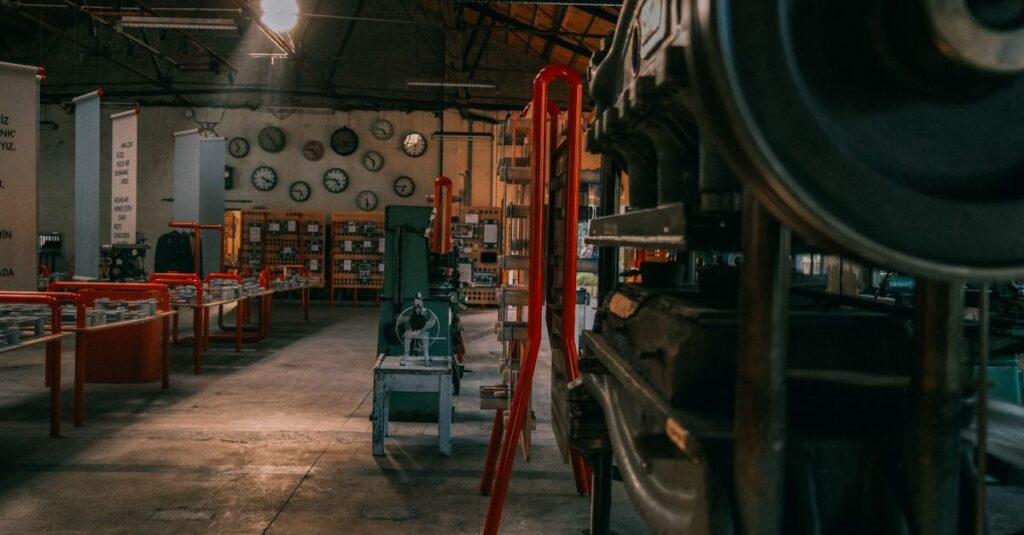
Let me save you the headache. The best quality notebooks aren't about fancy branding or a thick cover. It's the stuff you can't see at first glance. Paper weight. Binding method. How the print holds up when someone actually writes on it. I think about this every day at our factory in Rajahmundry.
We've been making notebooks since 1985 — that's four decades of watching what works and what falls apart. If you're buying in bulk for a school, a corporate order, or a government tender, cutting corners on quality costs you more in the long run. So let's get into the details. If this sounds familiar, Sri Rama Notebooks might be worth a look.
Paper, Binding, and Print — The Real Quality Check
Paper That Doesn't Betray You
I can't tell you how many procurement managers I've talked to who chose based on price alone. Then they got complaints. Ghosting. Feathering. Paper so thin you can see the next page's lines. Here's the thing — 54 GSM is our standard for school notebooks. Not the flimsy 45 GSM stuff. And for diaries, we go higher. Heavier paper means smoother writing and less bleed-through.
- Look for 54–60 GSM for everyday notebooks
- For premium diaries, 70–80 GSM is ideal
- Check the ruling type: single, double, four-line — match it to your audience
One more thing: thick paper means thicker notebook. Don't be surprised if a "200-page" notebook from us feels chunkier than what you've used before. That's a good sign.
Binding That Stays Together
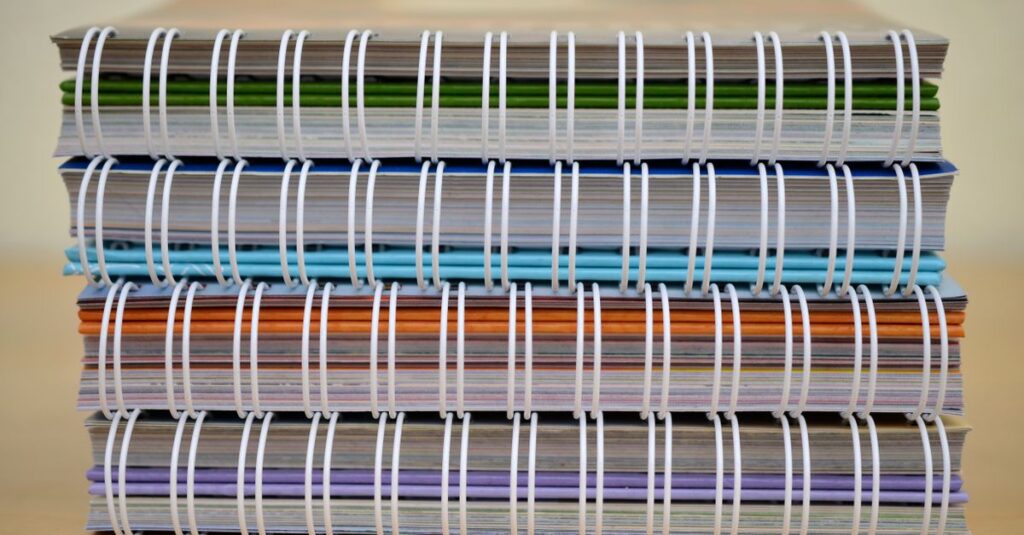
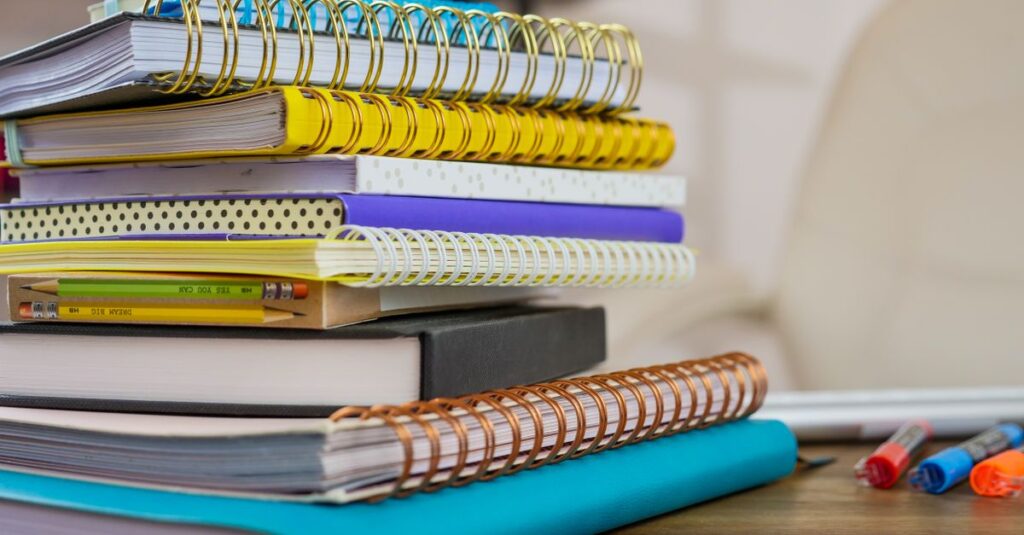
Here's another truth — stitched binding has been our go-to for decades. Not because it's cheap (it's not the cheapest), but because it lasts. Spiral is great for tear-out convenience. Perfect binding works for thick account books. But if you want a notebook that survives a school year or a corporate training session, stitched is your friend.
I remember a client from Dubai who insisted on spiral. Three months later, half the pages had fallen out. We switched him to stitched. No complaints since.
Print and Cover — The First Impression
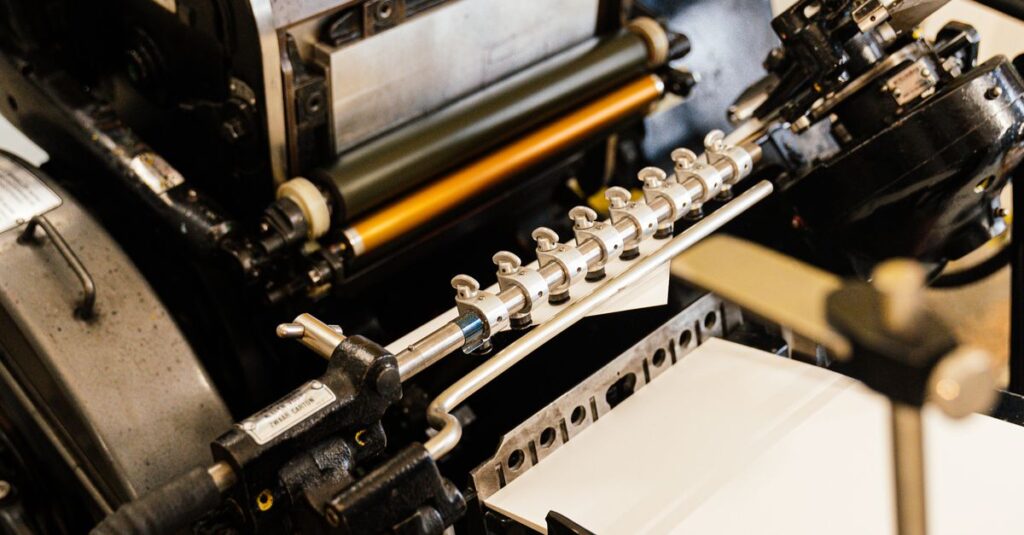
The cover is the first thing people see. But the inside print matters more. Faded ruling? Uneven margins? That screams "cheap." We use offset printing for crisp lines and consistent color. And for logos — foil stamping or embossing — it's not just for show. It tells your users you cared enough to get it right.
Three Mistakes Bulk Buyers Keep Making
I'm going to be honest. Most people who complain about notebook quality made one of these errors.
- Choosing by price alone. The lowest bidder almost always uses thinner paper or worse binding.
- Ignoring the GSM. They see "200 pages" and assume good quality. Not if the paper is 40 GSM.
- Not ordering a sample first. I can't understand this. A sample costs almost nothing. You can test it yourself.
Let me tell you about Ramesh. He's 42, a procurement manager in Hyderabad. Last year he ordered 5,000 notebooks for a school chain — cheapest option. Two weeks later, teachers were complaining about ink bleed and pages falling out. He called me, frustrated. "I should have come to you first," he said. Now he orders samples before every batch. Smart.
Stitched vs. Spiral vs. Perfect Binding — Which One for You?
| Binding Type | Best For | Durability | Cost | Notes |
|---|---|---|---|---|
| Stitched | School notebooks, diaries | High | Medium | Lasts years, lies flat |
| Spiral | Notepads, tear-out sheets | Medium | Low-Medium | Easy to remove pages, can snag |
| Perfect | Account books, thick volumes | Medium-High | Medium | Clean look, spine may crack with heavy use |
No single binding is "best." It depends on how the notebook will be used. But if you're ordering for students or employees who need durability, I'd pick stitched every time.
Why Printing Quality Matters More Than You Think
Expert Insight
I was visiting a paper mill near Hyderabad a few years ago — one of our suppliers. The manager there showed me something I still think about. He took a sheet of 54 GSM paper and wrote on it with a gel pen. No bleed. Then he took a 45 GSM sheet and did the same. The ink bled through instantly. He said, "Your clients may not know about GSM, but they feel it." That line stuck with me. Quality isn't always visible — but it's always felt. And once someone uses a cheap notebook, they remember the frustration. A good notebook makes their life easier. Our printing services are designed for that experience.
What We've Learned After 40 Years of Making Notebooks
I've seen fads come and go. Metallic covers. Scented paper. Holes for pens. Most of it doesn't matter. What matters is consistency. Every batch we produce — 30,000 to 40,000 units a day — needs to feel the same. Same paper weight. Same binding tension. Same ruling alignment.
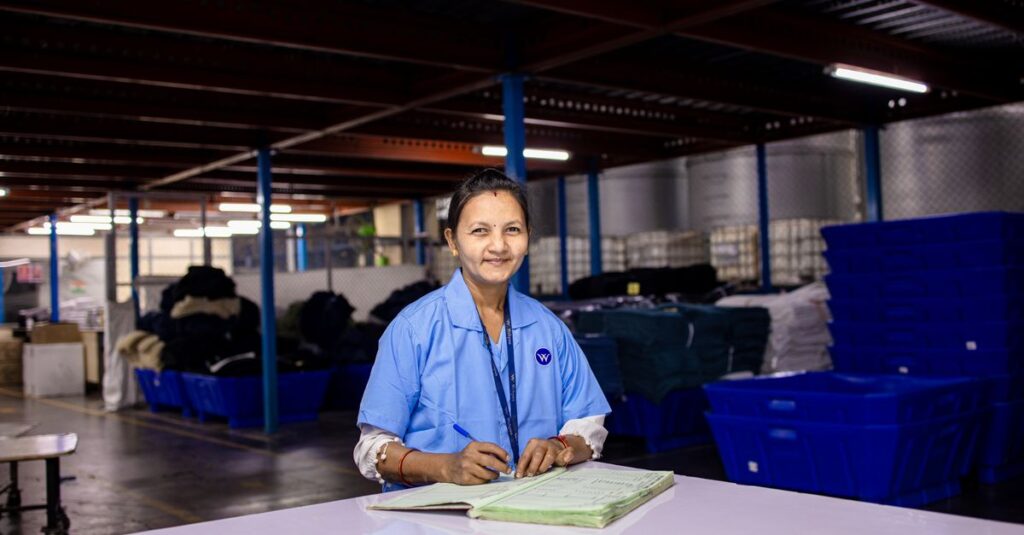
I think the real secret is that there's no shortcut. You can automate a lot, but quality control is still people. Our team in Rajahmundry checks every single notebook before it leaves the factory. That sounds old-fashioned. Maybe it is. But it's why our notebooks are used in schools across India and exported to Gulf, USA, UK, Europe, Australia.
The question isn't whether you need best quality notebooks. It's whether you're willing to pay for the difference upfront instead of paying for replacements later.
Frequently Asked Questions
What paper weight is best for school notebooks?
54 GSM is our standard for school notebooks. It's thick enough to prevent ink bleed from most pens and pencils. For premium notebooks or diaries, we recommend 70–80 GSM for a smoother writing experience.
How do I know if a notebook has good binding?
Open the notebook flat. If the pages stay secure and don't fall out when you bend the cover back, the binding is good. Stitched binding is the most durable — the thread runs through the spine.
Can I get custom cover design for bulk notebook orders?
Yes. We offer custom cover design, logo printing, embossing, and foil stamping. You can also choose your own ruling type, page count, and cover material. Minimum order quantities apply for full customization.
What sizes of notebooks do you manufacture?
We make King, Long, Short, A4, A5, and Crown sizes. Each size has standard page counts from 52 to 700 pages. We also manufacture account books and drawing books in larger formats.
How do I place a bulk order for best quality notebooks?
You can contact us directly by phone or email. We'll send you samples, discuss quantity, customization, and delivery timelines. We supply to schools, corporations, and distributors across India and internationally.
Conclusion
Two things I want you to remember. One: quality is in the details — paper, binding, and print. Two: cheap upfront often costs more later. I don't think there's a perfect answer for everyone. Maybe there isn't. But if you've read this far, you already know what you're looking for — notebooks that don't fall apart when someone actually uses them. Sri Rama Notebooks has been making those since 1985.