Why Wirebound? Because Spiral Coils Drive Me Crazy
Let me be honest. I’ve been around notebooks my whole life — my family started making them in 1985. And wirebound notebooks? They’re the ones I actually use. Not because they’re trendy. Because they lie flat. No fighting with the spine. No crease down the middle. You fold it back, it stays. That’s the whole point.
But here’s the thing — not all wirebound notebooks are the same. Some fall apart after two weeks. Some have coils that dig into your wrist. Some use paper that bleeds through like a cheap coffee filter. So when someone asks me about the best wirebound notebook, I don’t give a one-word answer. I ask: what are you using it for? Who’s using it? And how many do you need?
If you’re buying in bulk — for a school, a corporate office, a government tender — you need to know what separates a good notebook from a nightmare. That’s what this is about. I’ll show you what to look for, what to avoid, and why I think wirebound is actually the smartest choice for most bulk orders. If this sounds familiar, maybe take a look at what we make.
What Makes a Wirebound Notebook the “Best”?
I’ve seen notebooks come through our factory that look great on the shelf but fall apart in a month. The wire snaps. The cover peels. The pages tear out. And you’re stuck with a pile of useless paper. So here’s what I check — and what you should check — before ordering a single wirebound notebook.
Paper Quality — The Thing Nobody Talks About
If the paper is too thin, ink bleeds. If it’s too thick, the notebook gets heavy and expensive. For bulk orders, the sweet spot is 54 GSM to 70 GSM. That’s what we use at Sri Rama Notebooks. It’s smooth enough for ballpoint and gel pens, but not so thin that you see the other side. I’ve seen 80 GSM paper in some notebooks — feels great, but adds cost. For school notebooks, 54 GSM is fine. For corporate diaries, go a bit higher. Don’t skimp on paper.
Wire Binding — The Part That Always Breaks
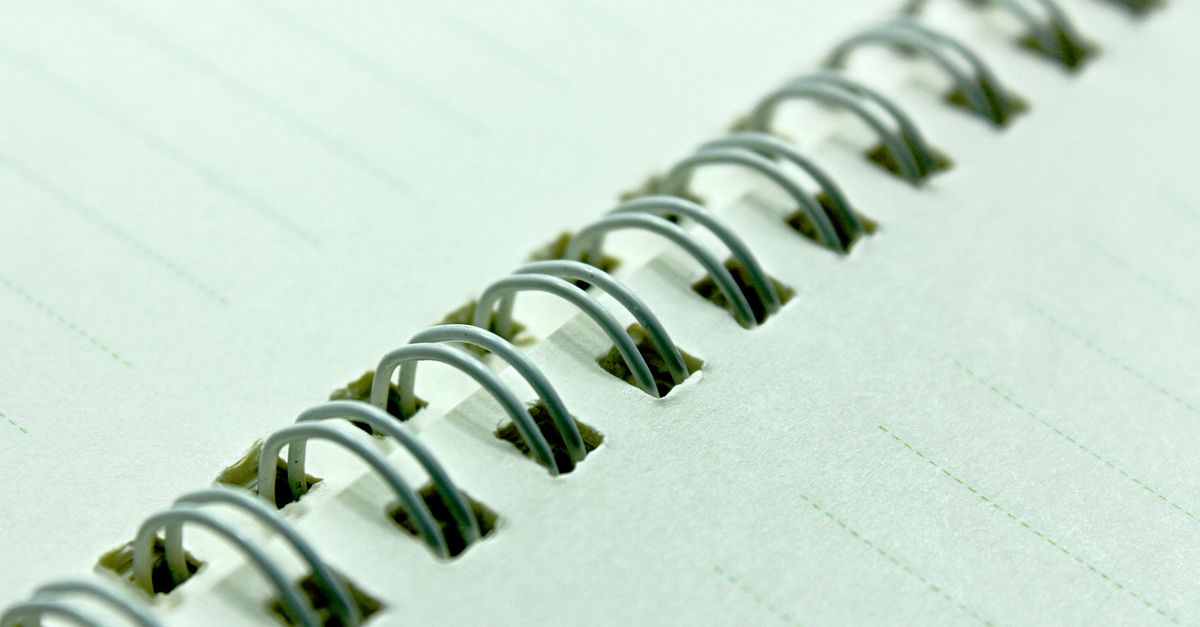
Wirebound notebooks use a double-loop wire that goes through punched holes. The best wire is thick — at least 1.2mm diameter — and has a coating so it doesn’t rust. I’ve seen notebooks with cheap wire that bends out of shape after a few flips. That’s not a notebook. That’s a frustration. Make sure the wire is snug against the spine. If it’s loose, pages will tear.
Cover Material — More Than Just Looks
For bulk orders, covers need to be durable. Paperboard covers (around 200-300 gsm) are standard. But for a premium feel, you can go with a laminated cover or even a cloth-bound wirebound. The best cover is one that doesn’t curl up after a week in a bag. We’ve tested a lot. Laminated covers are the most practical for schools — they wipe clean and don’t get soggy in the rain. For corporate, a soft-touch laminate with foil stamping looks sharp.
So when you’re looking for the best wirebound notebook, don’t just look at the front. Flip it open. Feel the paper. Bend the wire. Check the cover. That’s where the truth is.
Wirebound vs. Spiral vs. Stitched: Which One Wins?
I get asked this a lot. People think wirebound and spiral are the same thing. They’re not. Spiral binding uses a single coil that goes through a continuous spiral of holes. Wirebound uses a double loop — it’s stronger and lies flatter. Stitched binding is the old-school way — pages sewn together, then glued. Each has its place. But for bulk orders, here’s my honest take:
| Feature | Wirebound Notebook | Spiral Notebook | Stitched Notebook |
|---|---|---|---|
| Lies flat | Yes, completely | Mostly, but coils can bend | No, needs breaking in |
| Durability of binding | High — double wire holds | Medium — single coil can snap | Very high — stitched pages stay |
| Ease of removing pages | Easy — just unhook wire | Easy but leaves messy holes | Difficult — must cut |
| Cost for bulk | Moderate | Lower | Higher |
| Best for | Schools, corporate, everyday use | Students, quick notes | Diaries, permanent records |
Here’s the thing: wirebound is the middle ground. It’s not the cheapest, but it’s the most practical for most users. If you’re ordering for a school where kids will toss them in bags, wirebound holds up better than spiral. And it lies flat for writing — which teachers love. For corporate diaries, wirebound gives a premium feel without the bulk of stitched. I’d pick wirebound nine times out of ten.
Expert Insight: A Memory from the Factory Floor
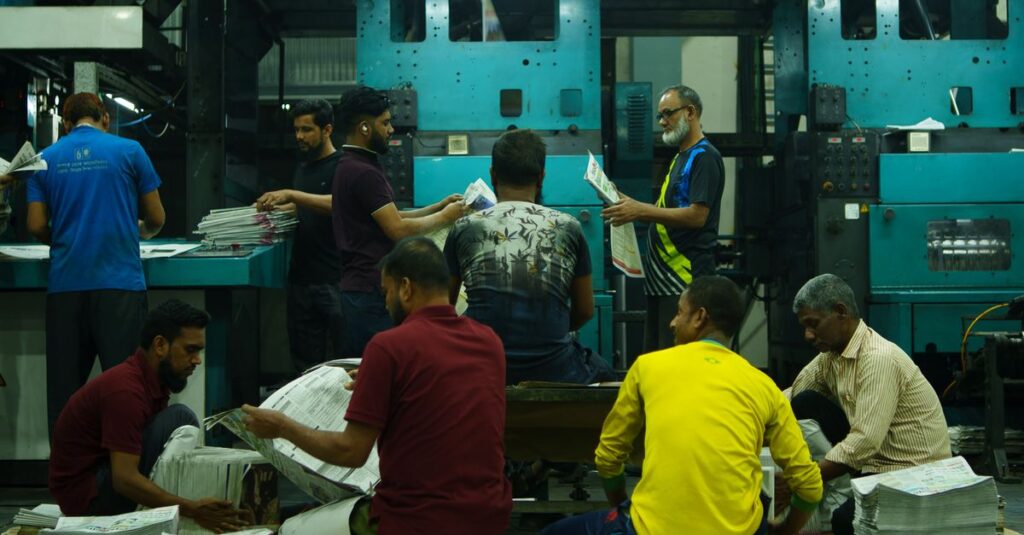
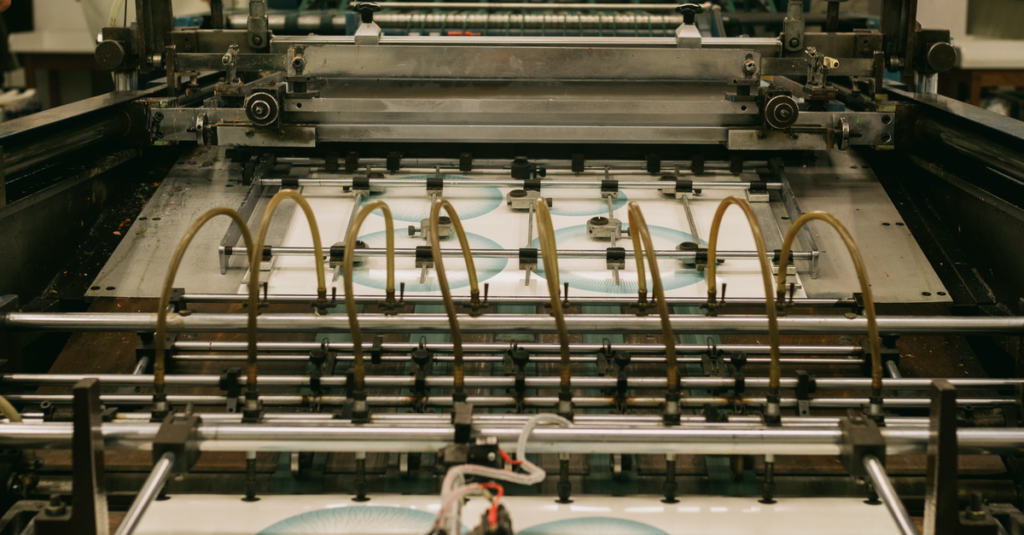
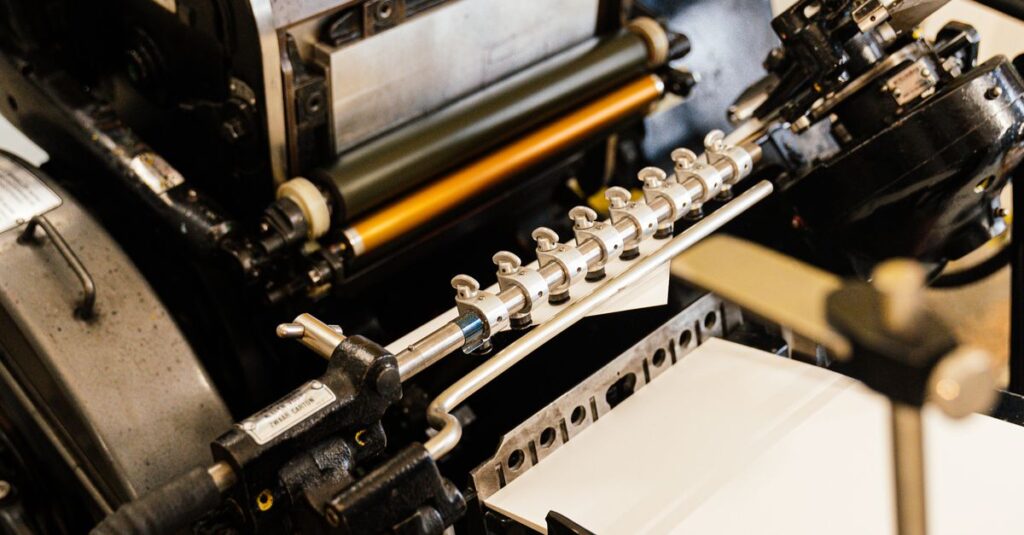
I remember a day in 1998 — I was maybe 15, helping out after school. A big order came in from a school in Hyderabad. They wanted wirebound notebooks with a custom cover — their logo, school colors. We had to punch the holes by hand on an old machine. My father was at the other end, checking the wire alignment. He stopped the line because the wire was a millimeter off. 'That'll tear the paper,' he said. We redid forty notebooks. I thought he was being too strict. But I’ve seen enough notebooks since then to know he was right. The best wirebound notebook isn’t made by accident. It’s made by people who care about the small things — the wire gauge, the hole distance, the paper grain. That’s what separates a notebook that lasts from one that ends up in the trash.
Real-Life Micro-Story: How Rajesh Picked His Wirebound Notebooks
Rajesh is 47, a procurement manager for a chain of coaching centers in Vijayawada. He ordered 5,000 wirebound notebooks last year. First batch? Disaster. The wire started popping out after two weeks. Pages fell out. Students complained. His boss was furious. The second time, he called us. He asked about the wire thickness, the paper GSM, the cover lamination. I walked him through it. He ordered a sample first — that’s smart. The notebooks arrived, and he tested them: flipped pages, bent the cover, even tried to tear out a page. They held. He placed the order. Now he’s been buying from us for three years. He told me once: 'I didn’t know what I was missing until I got a good one.' That’s the thing — you don’t know what the best wirebound notebook is until you’ve used a bad one.
How to Choose the Best Wirebound Notebook for Bulk Orders
If you’re buying in bulk, you can’t just pick the cheapest. You’ll pay for it later. Here’s a checklist I give to everyone who asks:
- Check the wire gauge — at least 1.2mm, preferably 1.4mm. Thicker wire won’t bend.
- Look at the hole spacing — standard is 3/8 inch. Too wide, pages tear. Too narrow, the wire doesn’t hold.
- Paper GSM — 54-70 GSM for most uses. 80 GSM if you want premium feel.
- Cover strength — 250-300 gsm paperboard, laminated for durability.
- Ask for a sample — any reputable manufacturer will send one. If they don’t, walk away.
- Customization options — can they print your logo? What about embossing or foil stamping?
- Lead time — for 10,000 notebooks, you need at least 2-3 weeks. Don’t wait until last minute.
I know this seems like a lot. But if you’re ordering thousands of notebooks, you want them to be right. The best wirebound notebook is the one that works for your users and lasts through the semester. Nothing more, nothing less.
Frequently Asked Questions
What is a wirebound notebook?
A wirebound notebook uses a double-loop wire binding that goes through punched holes. It lies flat, allows pages to be turned 360 degrees, and is more durable than spiral binding. It’s a popular choice for schools and offices.
How is wirebound different from spiral?
Wirebound uses a double loop of wire, while spiral uses a single continuous coil. The wirebound is stronger, lies flatter, and doesn’t come undone as easily. For bulk orders, wirebound is generally the better choice.
What is the best paper for a wirebound notebook?
For most uses, 54-70 GSM paper is ideal. It’s thick enough to prevent bleed-through, but not too heavy. For premium notebooks, go with 80 GSM. Always check the paper quality before ordering in bulk.
Can I customize wirebound notebooks with my logo?
Yes. Most manufacturers offer custom printing, embossing, foil stamping, and private label options. You can choose cover design, page layout, and even wire color. It’s a great way to brand your notebooks.
Where can I buy the best wirebound notebooks in bulk?
Sri Rama Notebooks in Rajahmundry, India, has been manufacturing wirebound notebooks since 1985. They offer high-quality paper, strong wire binding, and customization for bulk orders. Contact them at +91-8522818651 or visit sriramanotebook.com.
Conclusion
So here’s what I’ve learned: the best wirebound notebook isn’t about flashy covers or fancy features. It’s about the basics — paper that doesn’t bleed, wire that doesn’t snap, and a cover that survives. If you’re buying in bulk, don’t just look at the price. Look at the wire, the paper, the company behind it. I don’t think there’s a perfect notebook out there. But there are good ones. And if you know what to look for, you’ll find them. If you’re still figuring it out, maybe give us a call. We’ve been making notebooks for 40 years. We probably have what you need.