What Exactly Is Binding Print?
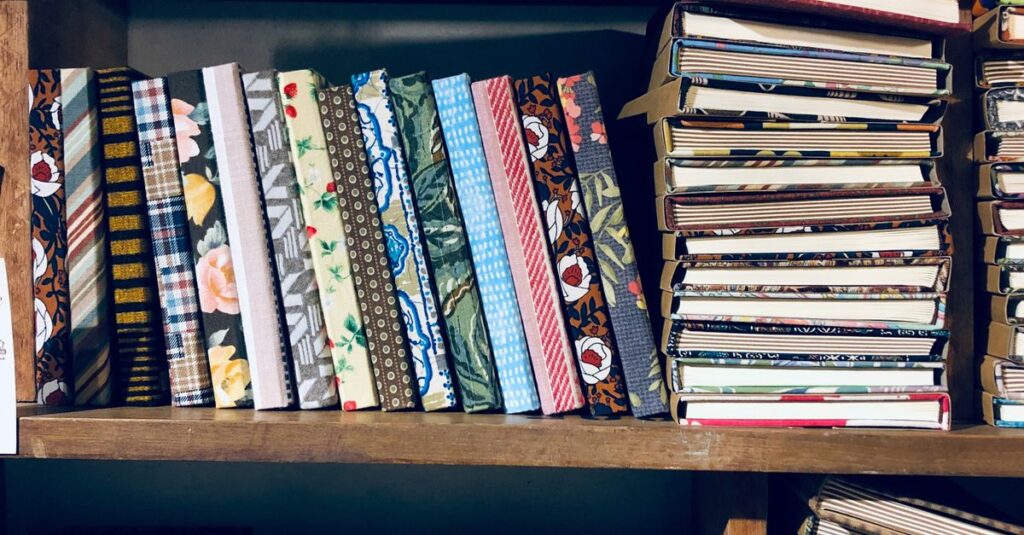
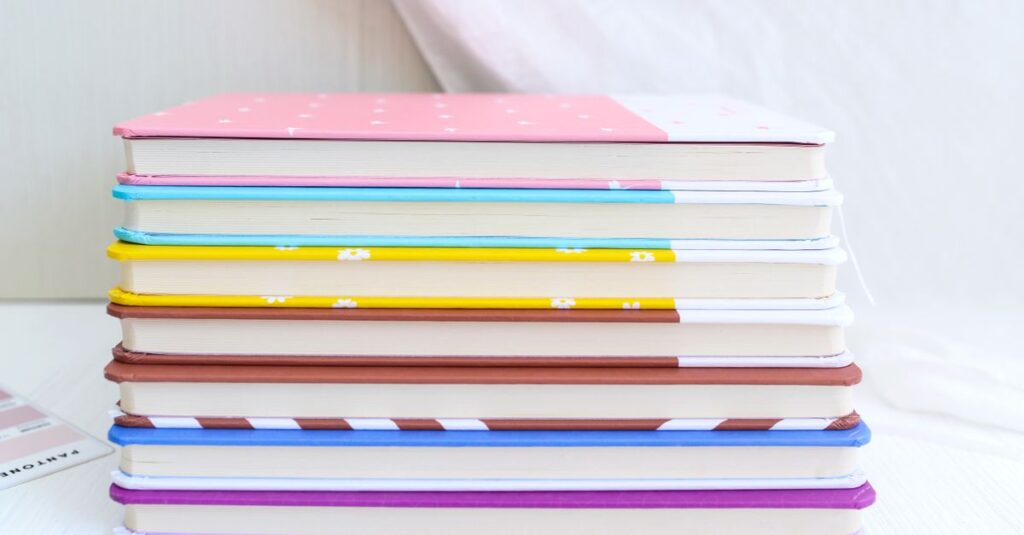
You spent weeks designing the cover of your notebook. The artwork, the logo, the colors — perfect. But when those notebooks are stacked on a shelf or piled in a store, what do people see? The spine. The binding. And if there’s nothing printed there, you’re missing an opportunity. That’s where binding print comes in.
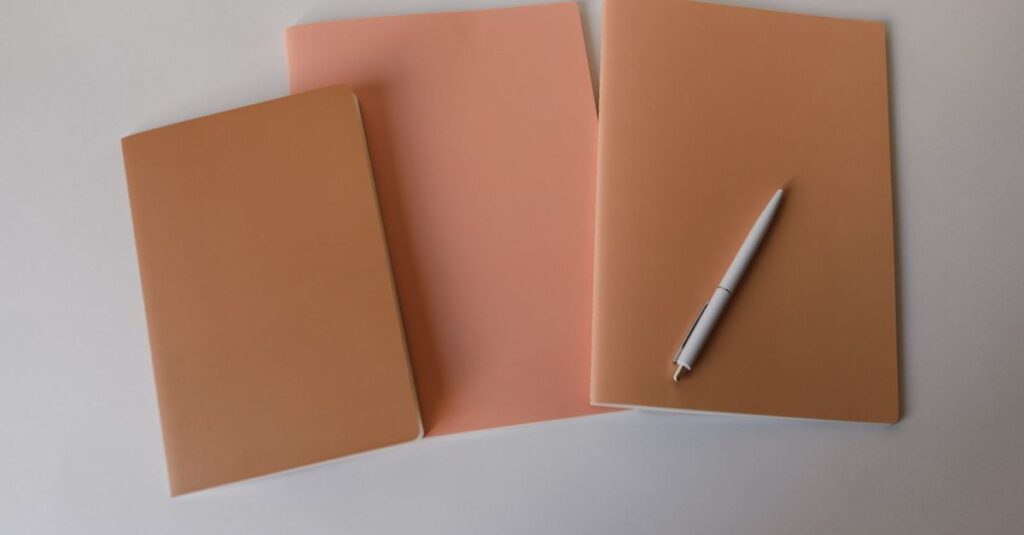
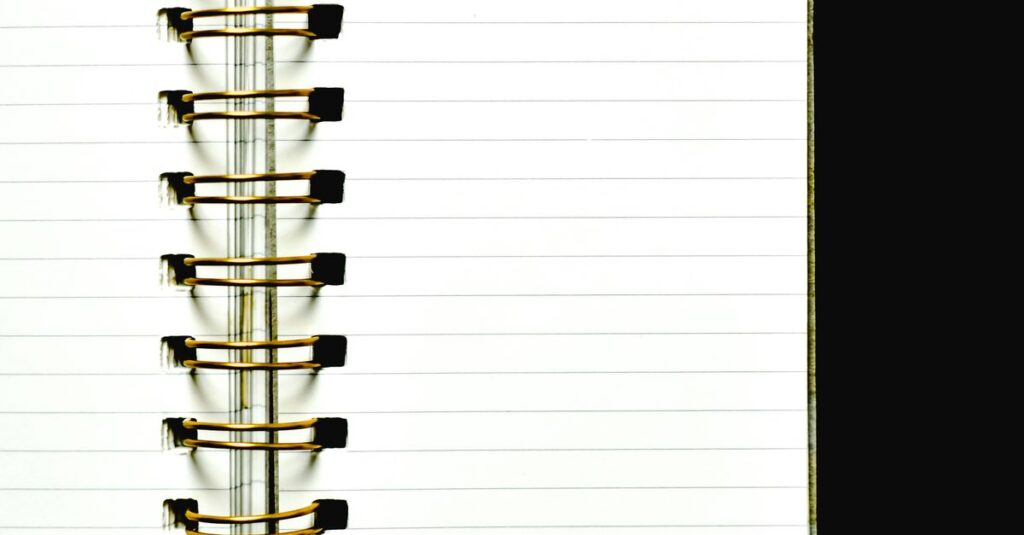
Binding print is simply the printing that goes on the spine or the edge of a notebook. Not the front cover, not the back — the part that connects the pages together. For spiral notebooks, it might be on the front spiral binding. For stitched or perfect bound notebooks, it’s the spine. And honestly? Most people ignore it.
But I’ve seen what happens when you don’t. Notebooks get mixed up. Students grab the wrong subject. Corporate diaries look generic. A good binding print solves that. If you’re ordering in bulk, Sri Rama Notebooks can help you get it right.
Why Binding Print Matters for Bulk Orders
Let me tell you about Rajesh. He’s 42, works as a procurement manager for a chain of schools in Vijayawada. Last year, he ordered 10,000 notebooks — different subjects, different grades. He spent a lot on the cover design. But he skipped binding print.
First week of school, teachers complained. Students couldn’t tell the difference between the math and science notebooks from the side. They had to open each one. Rajesh ended up ordering stickers to stick on the spines. More cost. More hassle. He called me later and said, 'I should have just got the binding print done.'
Here’s the thing — when notebooks are stacked horizontally, the binding is the only visible part. If you’re branding for a school or a corporate, that tiny strip of space carries your logo or subject label. It’s not a decoration. It’s a necessity.
I remember a client from Hyderabad who told me that his company’s diaries were being used by employees across three departments. They printed the department name on the binding. No confusion. No wasted time. Small thing. Big impact.
Expert Insight
I was talking to our production manager last month — old-school guy, been with us since the 90s. He said something that stuck with me. 'People think binding print is an afterthought,' he said. 'But it’s the first thing you see when the notebook is closed. It’s the handshake.' I don’t have a cleaner way to put it than that. The binding print isn’t just ink on paper. It’s the first impression when the notebook is sitting on a desk.
Common Methods of Binding Print
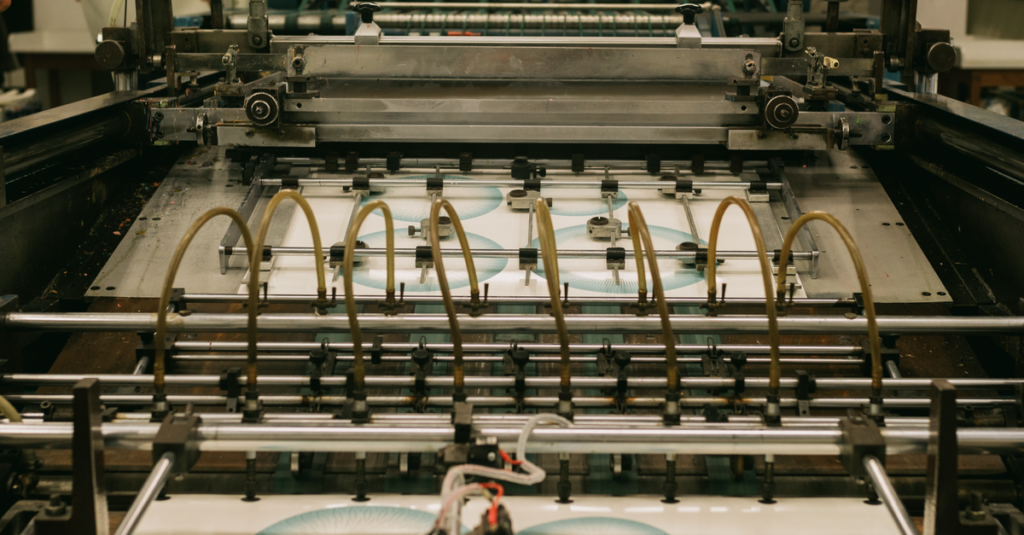
There are three main ways to print on a notebook’s binding. Each has its own trade-offs. Here’s a quick comparison:
| Method | Durability | Color Quality | Cost per Unit | Best For |
|---|---|---|---|---|
| Offset Printing | High — ink bonds with paper | Excellent, full CMYK | Low for large runs | Bulk orders, solid colors, sharp text |
| Silkscreen Printing | Very high — thick ink layer | Limited colors, opaque | Medium | Spiral binding, single-color logos |
| Digital Printing | Medium — can scratch if not laminated | Good, variable data possible | Higher per unit | Short runs, personalized prints |
| Hot Foil Stamping | Excellent — foil bonded to cover | Metallic colors only | High | Premium diaries, luxury branding |
| Embossing | Permanent (no ink) | No color, raised texture | Medium | Minimalist logos on hardcover |
Which one should you choose? Depends on your quantity, budget, and what you want on that spine. If you’re ordering 500+ notebooks, offset is usually the best. For a few hundred with complex designs, digital works. And if you want that rich, raised look, go with foil stamping.
Tips for Getting Binding Print Right
Over the years, I’ve seen the same mistakes again and again. Here’s what to watch out for:
- Don’t cram text. The binding is narrow. Keep your logo or subject name short. Two words max, ideally.
- Watch your bleed. Print should go all the way to the edge of the binding. Otherwise you’ll get white slivers when the book is bound.
- Use the right file format. We prefer PDF with embedded fonts. Avoid JPEG — it blurs.
- Check the binding type. Spiral notebooks need print on the plastic spiral or on a strip. Perfect bound notebooks print directly on the paper spine. They’re different.
- Order a sample first. I know it’s tempting to skip, but a sample saves you from a thousand bad copies.
Also — and this is something most people don’t realize — the color on screen never matches the print exactly. Paper absorbs ink differently. We do our best to match, but if you need absolute accuracy, ask for a Pantone reference. It’s worth the extra step.
Frequently Asked Questions
Frequently Asked Questions
What is binding print on a notebook?
Binding print is the text or logo printed on the spine or edge binding of a notebook. It’s separate from the cover art and helps identify the notebook when it’s closed or stacked. Common for school subjects, corporate branding, or diary dates.
Can you print on spiral binding?
Yes, we can print directly on the spiral coil or on a strip attached to the spiral. Usually we use silkscreen for the coil itself. It’s durable and looks clean. For larger text, we recommend printing on a strip that wraps around the spiral.
How much does binding print cost for bulk orders?
It depends on the method and quantity. For offset printing on a standard notebook spine, expect around ₹1-2 per notebook for 1000+ units. Digital is higher per piece. We’ll quote exact pricing after we see your design and quantity.
What file format do you need for binding print?
We prefer a PDF or AI file with text outlined or fonts embedded. Include a bleed of 3mm on each side. If you have a Pantone color, mention it. We can also work with high-res JPEG but quality may drop.
Can I get binding print on both the front and back binding?
Absolutely, if your notebook is perfect bound or stitched. For spiral notebooks, the front binding is usually the spiral itself — printing on both sides of the spiral is possible but limited. We’ll advise based on your design.
Conclusion
Binding print might seem like a small detail, but it’s one of those things that either works perfectly or causes problems later. Two takeaways from this: First, decide on your binding print early in the design process, not after the notebooks are manufactured. Second, match the printing method to your quantity and budget — don’t overpay for digital if offset works, and don’t settle for low quality on a premium product.
I don’t think there’s a single right answer for everyone. Probably never is. But if you’re thinking about it now, you’re already ahead of most buyers. When you’re ready, Sri Rama Notebooks can help you get it right.