What Is Book Cover Binding and Why Should You Care?
I'll be honest — most people don't think about binding until a notebook falls apart in their hands. And then they're furious. Not at themselves. At the notebook. At the idiot who thought glue alone would hold 200 pages together.
Book cover binding is the way the cover attaches to the pages inside. Sounds simple. It's not. Get it wrong and you've got loose pages by week two. Get it right and that notebook survives a whole semester, a year of meetings, maybe even a few coffee spills.
I've been in this industry long enough to know what happens when corners are cut. That's the thing — you can't fake good book cover binding. The cover is the first thing people touch. If it peels off or the spine cracks, the notebook is useless. Doesn't matter how good the paper is.
If you're ordering notebooks in bulk — for a school, a college, or your company — the binding choice matters more than you think. Let me show you why. And if you need a manufacturer who actually gets this right, Sri Rama Notebooks has been doing it since 1985.
Three Types of Book Cover Binding You Need to Know
There are basically three ways to attach a cover to pages. Each has a personality. Each has strengths and weaknesses. And honestly? Some are overrated.
Stitched Binding
This is the old-school method. Pages are folded into sections called signatures, then stitched together with thread. Then the cover goes on. This is what we use for most of our school notebooks.
- Very durable — pages don't fall out
- Lays flat when open
- Good for thick notebooks (up to 320+ pages)
- Takes more time to produce
The catch? It's slower. Each notebook needs actual stitching. Not something you can rush.
Spiral Binding
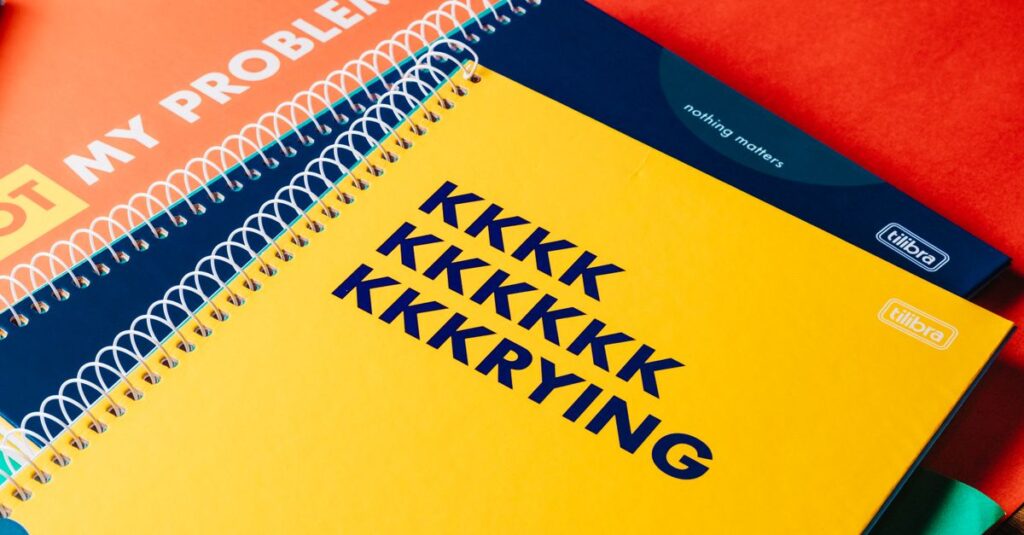
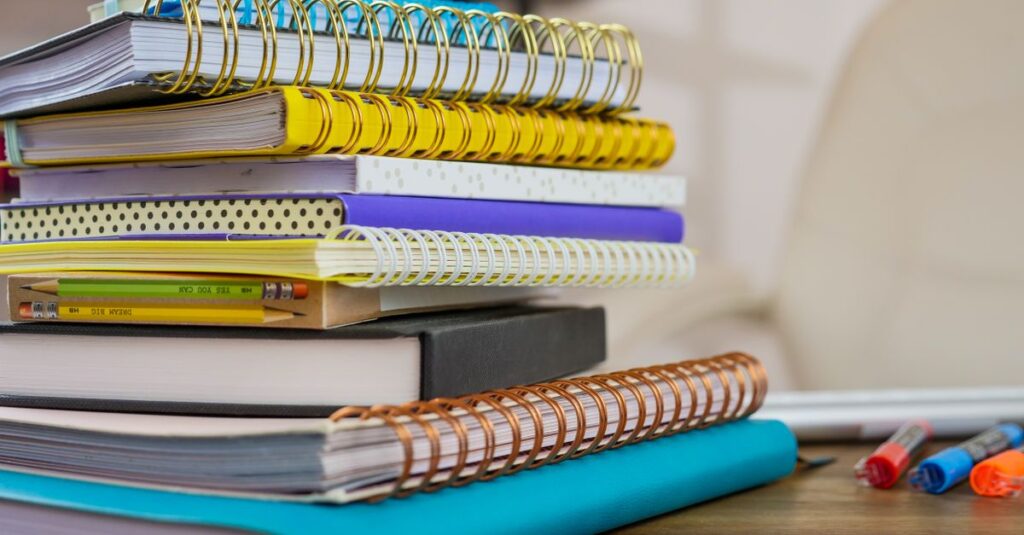
Spiral uses a coil of wire that goes through holes punched in both the cover and the pages. You see this a lot in corporate diaries and scribbling pads.
- Opens completely flat — 360 degrees
- Easy to tear pages out (if that's what you want)
- Good for smaller notebooks
- Coils can bend if handled roughly
I'll say this — spiral is convenient, but it's not the strongest option for heavy use.
Perfect Binding
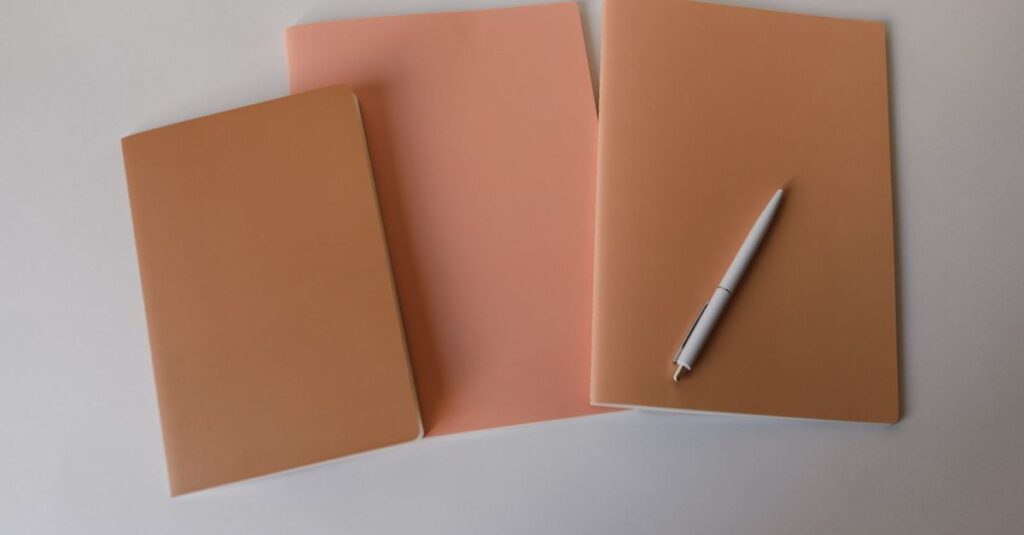
Perfect binding uses glue. Pages and cover are trimmed, roughened at the spine, and glued together. Looks clean. Feels modern. But there's a catch.
- Smooth, professional look
- Good for thin to medium notebooks
- Least expensive option
- Spine can crack over time
Which is… a lot to sit with if you're ordering for a corporate event and the notebooks fall apart during the conference.
Book Cover Binding Comparison: Which One Wins?
Here's a quick table I put together. It's not based on theory. It's based on what I've seen actually happen in the market over the last four decades.
| Feature | Stitched Binding | Spiral Binding | Perfect Binding |
|---|---|---|---|
| Durability | High — lasts years | Medium — coils can bend | Low to medium — glue dries out |
| Lays Flat | Yes | Yes (full 360) | No — needs breaking in |
| Page Capacity | Up to 700+ pages | Up to 200 pages | Up to 300 pages |
| Cost | Higher | Medium | Lower |
| Best For | School notebooks, account books | Diaries, pads, planners | Thin notebooks, brochures |
| Repairability | Not easily repairable | Coils can be replaced | Not repairable |
The question isn't which is best on paper. It's which will survive your specific use case. And I'd argue most people overestimate what cheap perfect binding can handle.
What Most Buyers Get Wrong About Book Cover Binding
I talk to procurement managers almost every week. And there's one mistake that keeps happening. They choose based on price alone. Look, I get it — budgets are tight. But here's what I tell them:
You're not buying a notebook. You're buying a tool. If the tool breaks, the person using it blames you. Not the manufacturer. You.
Three things I wish every buyer knew:
- Cover material matters as much as binding. A strong binding on flimsy cardstock will still fail because the cover tears around the staples or stitches.
- Not all perfect binding is bad. But the cheap kind — the kind where they use low-grade hotmelt glue — is a disaster in humid climates. In Rajahmundry, where our factory is, the humidity test is brutal. We know which glues hold.
- Stitched binding doesn't add that much to the cost. Maybe 15-20% more than perfect binding. But the notebook lasts three times longer. Do the math.
And honestly? That last point is the one most people don't believe until they see the notebooks come back for reorders instead of complaints.
Expert Insight: What I've Learned Watching Binding Fail
I remember this one time — I think it was 2018 — a school in Visakhapatnam had ordered 10,000 notebooks from a different supplier. Perfect binding, cheap cover stock. By October, the covers were peeling off. Kids were bringing loose pages to class. The principal called us, frustrated, asking if we could fix them.
We couldn't. You can't rebind a notebook that's already falling apart. You just watch it die.
That school switched to stitched binding the next year. They've been ordering from us ever since. Not because we're the cheapest. Because we don't cut the corner that matters most.
The thing about book cover binding — it's not glamorous. Nobody talks about it at a dinner party. But when it fails, everybody notices. And the silence is worse than any complaint.
Real-Life Micro-Story: When Binding Became the Hero
Ramesh, 42, works as a storekeeper at a degree college in Kakinada. He's been there for fourteen years. Every June, he orders notebooks for the new academic year. Every June, he prays the binding holds.
Last year, he switched to stitched binding from us. I asked him why. He said: "The spiral ones — students would uncoil them and make slingshots in class. The perfect bound ones — by August the covers were in the bin. I got tired of explaining to the principal."
This year, he ordered again. Same type. Same quantity. He didn't even ask for a discount. He just said: "Make sure the binding is the same as last time."
I don't have a cleaner way to say this: reliability sells itself.
Frequently Asked Questions
Frequently Asked Questions
What is the strongest type of book cover binding?
Stitched binding is the strongest. The pages are sewn together with thread before the cover is attached. It's harder to produce and costs more, but the notebook won't fall apart even after heavy use.
Can I get custom book cover binding for my company logo?
Yes. Most manufacturers, including us at Sri Rama Notebooks, offer custom cover designs with printed logos, foil stamping, or embossing. The binding type is chosen separately and works with any cover design.
Is spiral binding or stitched binding better for corporate diaries?
If you want the diary to lay flat on a desk, spiral binding is better. If you need the diary to survive being carried in a bag for a year, choose stitched binding. It depends on how the diary will actually be used.
Why does perfect binding fail sometimes?
Perfect binding relies on glue. In hot or humid weather, low-quality glue softens and the pages detach from the cover. At our factory in Rajahmundry, we test glues in local conditions before using them in production.
What is the minimum order quantity for custom book cover binding?
It depends on the manufacturer. At Sri Rama Notebooks, we typically start at 500 units for custom cover binding and printing. For standard notebooks without customization, smaller quantities are possible. Contact us for exact numbers.
Conclusion — What to Do Next
Look, I don't think there's a single best binding for everyone. That's the honest truth. Your notebooks need to survive your specific conditions — humidity, handling, the way students or employees treat them. But here's what I know: book cover binding is not a place to save money if you want the notebook to last.
Choose stitched if you need durability. Choose spiral if you need convenience. Choose perfect if you're on a tight budget and the notebook won't get rough use. But choose something, because a notebook without good binding is just loose paper waiting to happen.
If you want to talk through your options, Sri Rama Notebooks has been making notebooks since 1985. We've seen what works and what doesn't. Call us. We'll tell you straight.